
Newsflash from Tuesday, 30 December 2025:
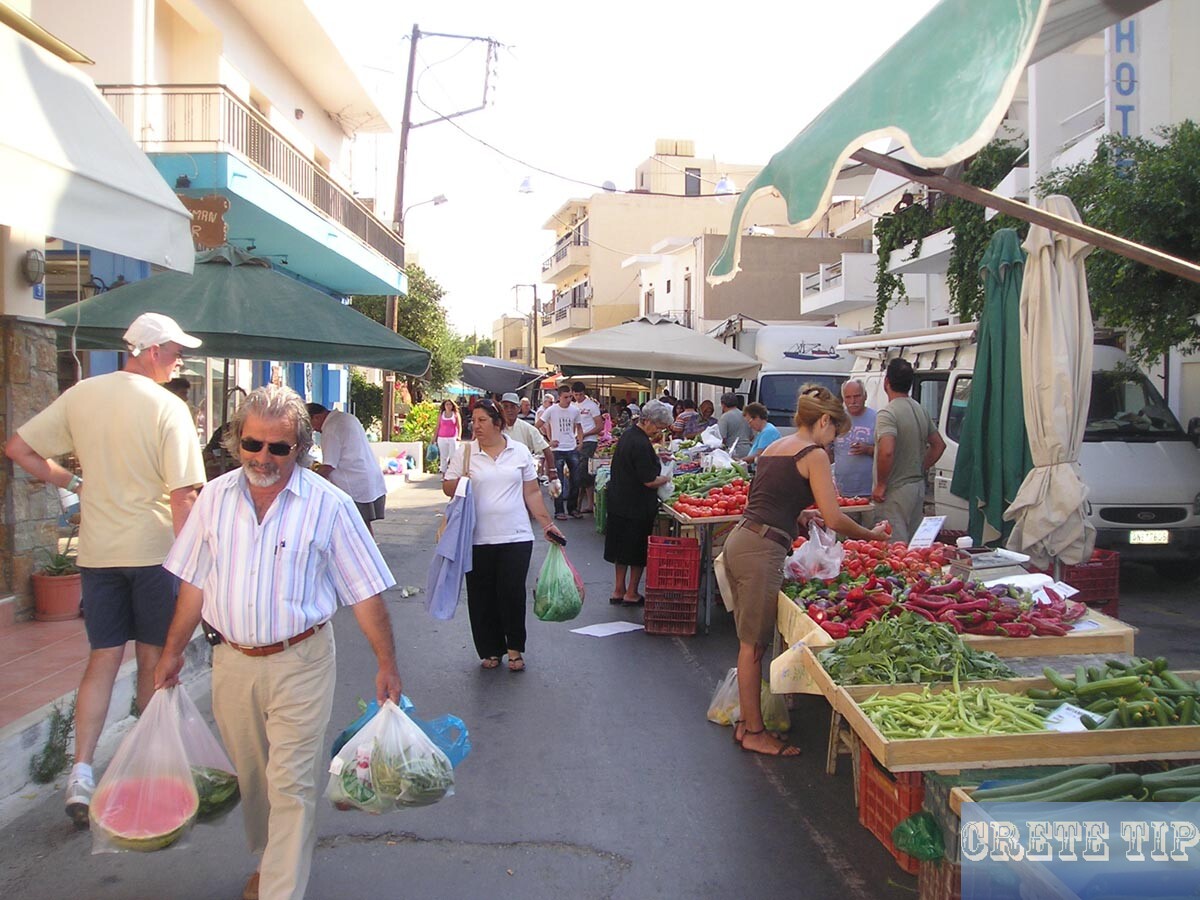
An indefinite nationwide strike has been announced for Greece’s weekly (open‑air) markets, starting on January 7, 2026, raising concerns for consumers, farmers, and small vendors across the country.
What’s Happening?
The decision was taken jointly by all major bodies representing weekly market vendors and producers, including national and regional federations. The strike will affect all weekly markets nationwide and is expected to have a significant impact on daily food supply, especially for households that rely on these markets for affordable fresh produce.
According to the joint announcement, the strike is considered a “one-way street” after repeated warnings that current policies are placing unsustainable pressure on producers and self‑employed farmers.
Why Are Weekly Market Vendors Striking?
Vendor federations say that although producers sell their goods at low prices, rising costs at every stage of distribution are making their work financially unviable. They have expressed solidarity with ongoing agricultural protests and argue that current measures are accelerating price inflation rather than controlling it.
Key Demands of the Strike
The main demands outlined by the federations include:
– Tackling high prices affecting weekly markets
– Support for farmers through reduced production costs
– Abolition of the presumptive taxation system
– Immediate withdrawal of the additional 10% tax
– Changes to the electronic delivery note system
– Amendments to Law 4849/2021, which vendors say does not reflect real operating conditions and creates serious bureaucratic obstacles
A Message to the Government and the Public
In their statement, organizers stressed that weekly markets play a crucial social role, supporting households, farmers, and consumers alike. They warned that current policies risk pushing markets toward higher prices, market concentration, and the long‑term degradation of the primary production sector.
“Weekly markets support society. We will not allow them to become victims of policies that fuel price increases and undermine producers,” the statement emphasized.
What This Means for Consumers
If the strike continues for an extended period, consumers may face:
– Reduced access to fresh, low‑cost produce
– Increased pressure on supermarkets
– Potential short‑term price increases
Shoppers are advised to stay informed through local announcements, as participation and duration may vary by region.
The indefinite strike starting January 7 marks a critical moment for Greece’s weekly markets. With vendors and producers united, the coming weeks will likely determine whether negotiations can prevent long‑term disruption to one of the country’s most important food distribution channels.