A grey sky over Crete doesn’t have to mean a wasted day. The island has plenty of good indoor options when the weather turns, from Minoan treasures in Heraklion’s Archaeological Museum to long lunches in Chania’s Old Town and cookery classes near Rethymno. Rain on Crete usually comes in bursts rather than sticking around for a week, so all you need is a change of plan.

Crete is a big island, and the weather can vary from one place to another. A downpour over Chania might leave Ierapetra dry and sunny just two hours later. Knowing where to go, and what to do once you get there, can turn a soggy morning into a genuinely good day out.
Here are some ideas across the island’s main regions, along with some practical guidance on how Crete’s weather behaves.
What Can You Do in Chania and Western Crete?

Chania has some of the island’s best rainy-day options, with its museums, covered market and atmospheric Old Town. You can fill a whole day between the Archaeological Museum, the Maritime Museum and the many cafés tucked under stone archways, without spending long out in the rain.
Visit the Archaeological Museum of Chania
The Archaeological Museum of Chania sits in Chalepa, a historic suburb, inside a building that’s a landmark in its own right. Three ground-floor halls and one upstairs hall tell the archaeological story of the wider Chania region. In winter (1 November to 31 March), the museum opens 08:30 to 15:30 and closes on Tuesdays. In summer (1 April to 31 October), it opens 08:00 to 20:00, still closed Tuesdays. Admission is 15€. There’s a café on site, where you can warm up with a coffee before or after your visit.

Explore the Maritime Museum of Crete
The Maritime Museum of Crete sits at the entrance to the Venetian Firka Fortress on Chania’s old harbour, a spot that looks moody and dramatic in the rain. Founded in 1973, it’s Greece’s second-oldest maritime museum, after the one in Piraeus. Across two floors, around 2,500 exhibits in 13 sections cover everything from Crete’s union with Greece in 1913 to the Battle of Crete in the Second World War.
The museum opens Monday to Saturday, 09:00 to 16:00 (last admission 15:30), and closes on Sundays and public holidays. A standard ticket costs 5€, with a 4€ reduced rate for students.

Settle into a Café or Taverna in Chania’s Old Town
Chania’s Old Town is made for slow mornings and long lunches, rain or shine. Duck under an arcade near the harbour, order a Greek coffee and watch the weather roll over the water. Many tavernas have covered courtyards or indoor seating with views of the old buildings, so you can still soak up the atmosphere when it’s raining.
Book a Spa or Wellness Session
A rainy afternoon is a good excuse to book a spa treatment. Several hotels and wellness centres around Chania offer massages, hammams and pool sessions to non-guests. It’s a practical way to make a washed-out afternoon restful rather than frustrating.
Which Indoor Sights Are Worth Visiting Around Heraklion?

Heraklion has the island’s largest concentration of world-class indoor attractions, led by the Archaeological Museum’s Minoan collection. Ancient artefacts, wartime history, natural science displays and a large aquarium give you enough to fill more than one rainy day.
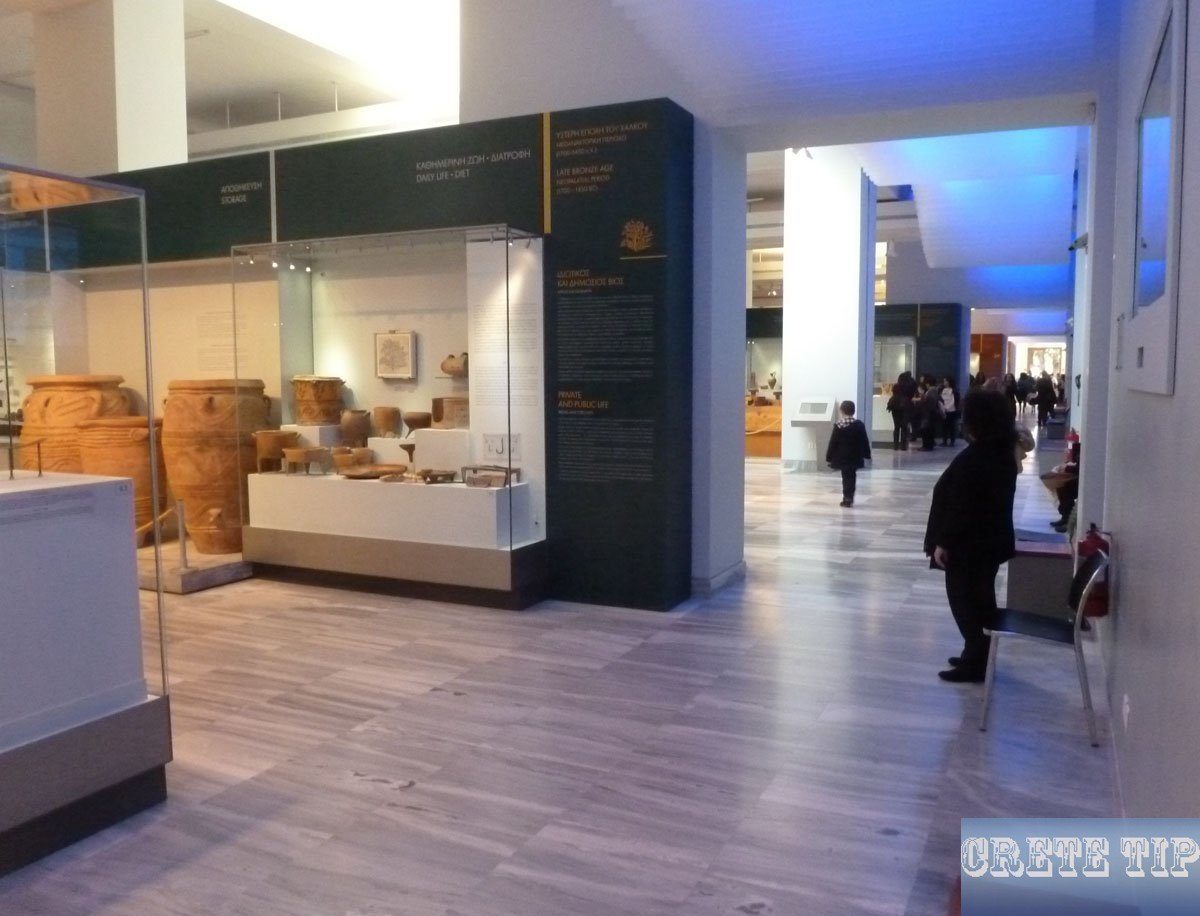
Discover the Heraklion Archaeological Museum
The Heraklion Archaeological Museum is one of Europe’s most important museums and holds the world’s finest collection of Minoan art. Look out for highlights such as the Phaistos Disc, the Bull-Leaping Fresco and the Hagia Triada Sarcophagus. Winter opening hours (1 December to 31 March) are 08:30 to 15:30 most days, with Wednesdays 10:00 to 17:00. Tickets cost 20€, or 12€ at the reduced rate.
From 28 April, summer hours extend to 08:00 to 20:00 (13:00 to 20:00 on Wednesdays). Visitors can enter up to 20 minutes before closing, so don’t leave it too late.
Explore the Historical Museum of Crete
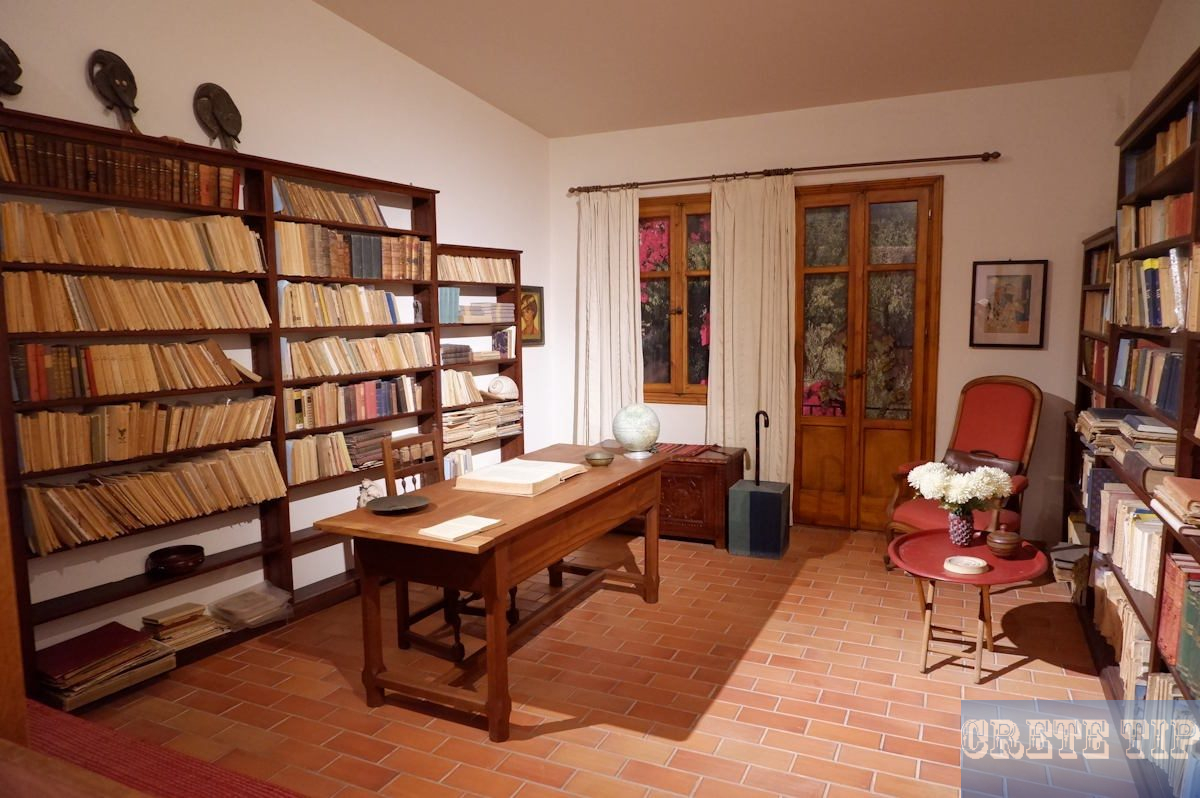
The Historical Museum of Crete covers seventeen centuries of local history, from the early Christian era through Venetian and Ottoman rule to the Battle of Crete and beyond. Two paintings by El Greco are on display, the only works by the artist shown anywhere on Crete. The museum also has a dedicated Nikos Kazantzakis collection featuring the writer’s personal items and manuscripts.
Summer hours (18 May to 31 October) are daily 09:00 to 17:00. In winter, the museum opens Monday to Friday 09:00 to 15:30 and Saturday 09:00 to 15:00, and closes Sundays. Adult admission is 8€, with a 5€ concession rate; children 12 and under go free. The museum café overlooks the sea, making it a nice spot to wait out a shower.
Visit the Natural History Museum of Crete
The Natural History Museum of Crete focuses on the wildlife and landscapes of the eastern Mediterranean, especially Greece and Crete. It’s a good choice if you’re travelling with children who’d rather see hands-on, visual exhibits than glass cases of pottery. The museum opens weekdays 09:00 to 17:00 and weekends 10:00 to 18:00. General admission is 7.5€, or 4.5€ at the reduced rate.

Spend an Afternoon at Cretaquarium
Cretaquarium, one of Europe’s largest and most modern aquariums, houses more than 1,200 marine organisms across 62 tanks. It sits within Thalassokosmos, a larger marine science centre near Gournes, east of Heraklion. In summer (1 April to 31 October), it opens daily 9:30 to 19:00; in winter (1 November to 31 March), it opens 9:30 to 16:00. General entry costs 15€ in summer and 12€ in winter.
It’s an easy half-day plan when the sky is grey, and the audio guide, available in nine languages, is worth picking up on your way in.

What Are the Rainy-Day Options in Rethymno and Eastern Crete?

Rethymno and the east offer a different kind of rainy-day plan, centred on food, wine and local culture rather than big-ticket museums. If the weather really won’t cooperate, Ierapetra on the south coast may be your best escape route.
Browse Rethymno’s Museums and Galleries
The Archaeological Museum of Rethymno has occupied a pentagon-shaped building facing the Fortezza fortress since 1991. It traces the region’s history from the Neolithic period to Roman times. The Historical and Folk Art Museum of Rethymno covers local traditions and crafts. In summer (1 April to 31 October), it opens 10:00 to 15:00 and closes Sundays; entry costs 5€, or 3€ at the reduced rate.
In winter, the museum welcomes schools and groups by appointment only, so check ahead before planning a visit outside the summer season.
Join a Cretan Cookery Class
A cookery class is one of the most satisfying ways to spend a wet afternoon on Crete. You’ll usually learn to make dishes like dakos, gemista or a proper Cretan salad, using local olive oil, herbs and vegetables. It’s hands-on, warm and dry, and you get to eat your homework afterwards.
Arrange an Olive Oil or Wine Tasting
Crete’s olive oil and wine producers welcome visitors year-round, and tastings are naturally an indoor activity. Many family-run estates around Rethymno and further east pair a short tour of the presses or vineyards with a seated tasting, so you’re sheltered for most of the visit. It’s a good way to learn about the island’s food culture without relying on dry weather.
Enjoy a Long Taverna Lunch in Agios Nikolaos or Ierapetra
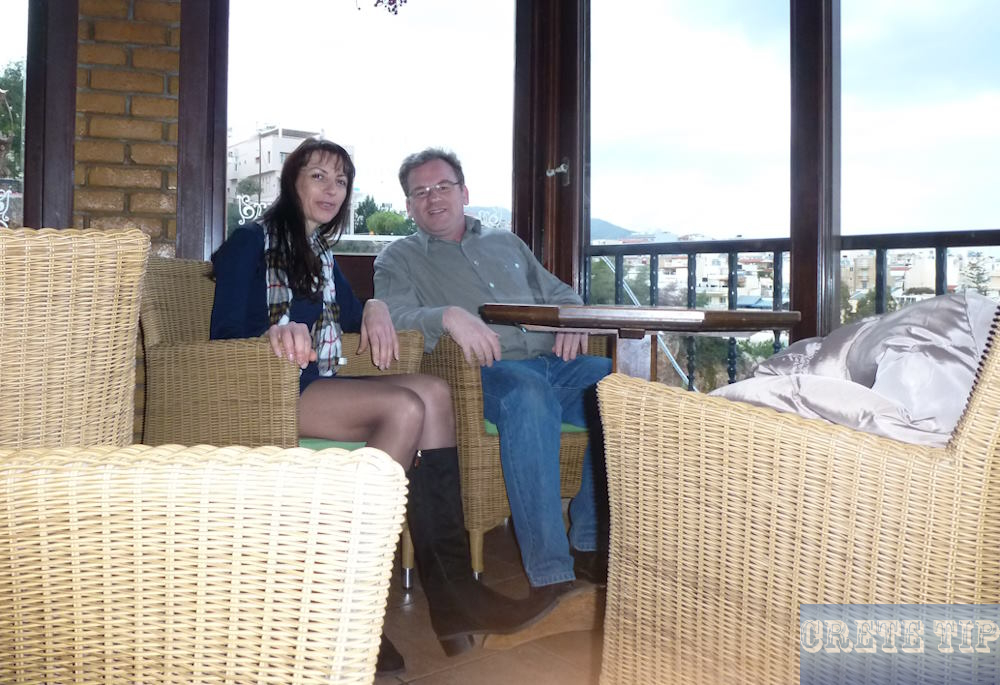
A slow, unhurried lunch is a perfectly good way to spend a rainy day. Agios Nikolaos has plenty of tavernas around its lake and harbour with covered seating. And the pace of a long Greek meal, with several courses, good bread and no rush, suits bad weather well. Ierapetra offers the same further south, with the added chance that the rain won’t have followed you there.
Escape to Ierapetra – Over 300 Sunny Days a Year

Ierapetra, on Crete’s southern coast, is considered Europe’s sunniest city, with more than 300 days of sunshine a year. Its position at the foot of the Dikti Mountains and on the Libyan Sea gives it a mild, dry climate, even when clouds cover the north coast. If rain has settled over Chania, Rethymno or Heraklion, a drive south towards Ierapetra (about 1.5 hours from Heraklion, 35 minutes from Agios Nikolaos) can genuinely put you back in the sun.
Even on the rare grey day, Ierapetra’s Archaeological Museum, Kales Fortress and the old town’s narrow lanes give you plenty to do.
How Should You Adjust Your Plans for Crete’s Weather?
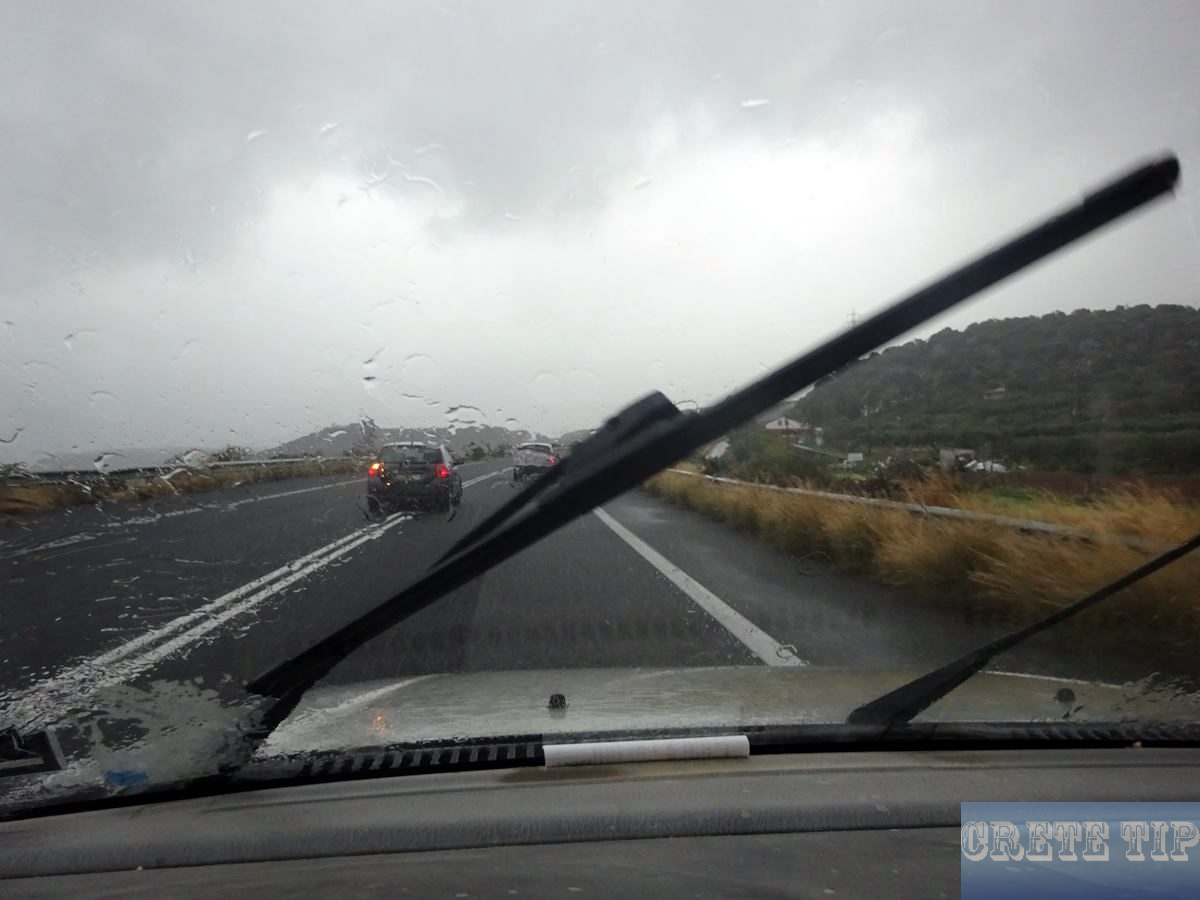
Rain on Crete rarely covers the whole island evenly, and understanding the pattern can help you rescue a day rather than write it off. It also pays to know when snow is possible in the mountains and when gorges and caves become genuinely risky, so your rainy-day plan stays realistic.
Does Rain Affect the Whole Island?
Rain on Crete is often localised rather than island-wide. Greece has a Mediterranean climate, with mild, wet winters and long sunny spells even during the rainy season, which usually runs from mid-October to the end of March. Cretan weather also varies sharply with the landscape: the White Mountains and other high ranges get far more rain and cloud than the drier south coast around Ierapetra. A wet morning in Chania doesn’t mean the whole island is under the same cloud.

Average monthly rainfall:
Month | Chania (mm) | Rethymno (mm) | Heraklion (mm) | Lasithi / Eastern Crete (mm) |
|---|---|---|---|---|
January | 158 | 120 | 94 | 75 |
February | 108 | 90 | 68 | 58 |
March | 78 | 65 | 48 | 42 |
April | 38 | 32 | 26 | 22 |
May | 17 | 15 | 14 | 12 |
June | 6 | 5 | 4 | 4 |
July | 1 | 1 | 1 | 1 |
August | 2 | 2 | 2 | 2 |
September | 17 | 14 | 11 | 9 |
October | 73 | 60 | 45 | 37 |
November | 143 | 115 | 88 | 72 |
December | 175 | 140 | 119 | 98 |
Annual Total | ~866 | ~659 | ~520 | ~432 |
When Does Snow Fall in Crete’s Mountains?
Snow is a normal winter feature of Crete’s high country, not a rare event. The White Mountains (Lefka Ori), the Idi Range around Psiloritis and the Dikti Range in the east all get winter snow cover, making the mountains cold and hazardous to cross. If you’re driving through mountain passes between November and March, check conditions before setting off.

When Should You Avoid Gorges, Caves and Mountain Roads?
Avoid gorges, caves and mountain roads when heavy rain or storms are forecast, as flash flooding and rockfalls become real risks. The Organization of Natural Environment and Climate Change, for example, has closed Samaria Gorge when forecast rainfall passed set safety limits, including a forecast of up to 29mm for Xyloskalo.
Never cross flooded low-water crossings on foot or by car, and stay away from moving water and underground spaces during heavy rain. Check official closure announcements before setting out.

Making the Most of a Change in the Weather
A rainy spell on Crete is rarely a reason to write off your day. Head indoors, whether to a museum in Heraklion, a taverna in Chania, or a cookery class near Rethymno, and you can still enjoy your trip. You might even discover something you wouldn’t have planned otherwise. Sites like CreteTip, shaped by years of living and travelling around the island, can help you check which villages, roads, or attractions suit the day’s conditions before you set out. Pair a reliable weather check with one or two backup ideas from this list, and a grey morning doesn’t have to become a problem.
Frequently Asked Questions

What can you do in Chania when it rains?
Chania offers the Archaeological Museum in Chalepa and the Maritime Museum of Crete by the old harbour, along with covered cafés and tavernas throughout the Old Town. A spa or wellness session at a local hotel is another good way to fill a wet afternoon.
What can you do in Heraklion when it rains?
Heraklion has four great indoor options: the Heraklion Archaeological Museum, with its Minoan collection; the Historical Museum of Crete; the Natural History Museum of Crete; and Cretaquarium near Gournes. All four open year-round, with set hours for winter and summer.
What can you do in Rethymno when it rains?
Rethymno’s Archaeological Museum and Historical and Folk Art Museum both explore local history and crafts, though the folk art museum only admits individual visitors in summer. Cookery classes, olive oil tastings, and a long taverna lunch also make for a good rainy day in the region.
Does it usually rain all day in Crete?
Rain on Crete usually comes in bursts rather than lasting all day, even in the wetter months from mid-October to March. Sunny spells, sometimes called Alcyonides days, often break up bad weather in January and early February.
What to pack for a rainy day in Crete
Bring a light waterproof jacket, sturdy shoes with grip, and a small umbrella for visits to town. Layers help, too, since temperatures can drop noticeably when the rain sets in, especially near the mountains.
Is it safe to visit Crete’s caves during heavy rain?
Avoid caves and gorges during heavy rain or storm forecasts: flash flooding is a genuine risk on Crete. Official bodies close sites like Samaria Gorge when forecast rainfall exceeds safety thresholds, so check current announcements before visiting.
Does it snow in Crete’s mountains?
Yes, snow falls most winters in Crete’s higher ranges, including the White Mountains, the Idi Range and the Dikti Range. When snow settles, the mountains get cold and can be dangerous to cross. Take extra care on mountain roads between November and March.