
A sharp rise in migrant arrivals in southern Crete, fatalities on the routes, the costs of migration and the dismantling of a human trafficking network in Crete.
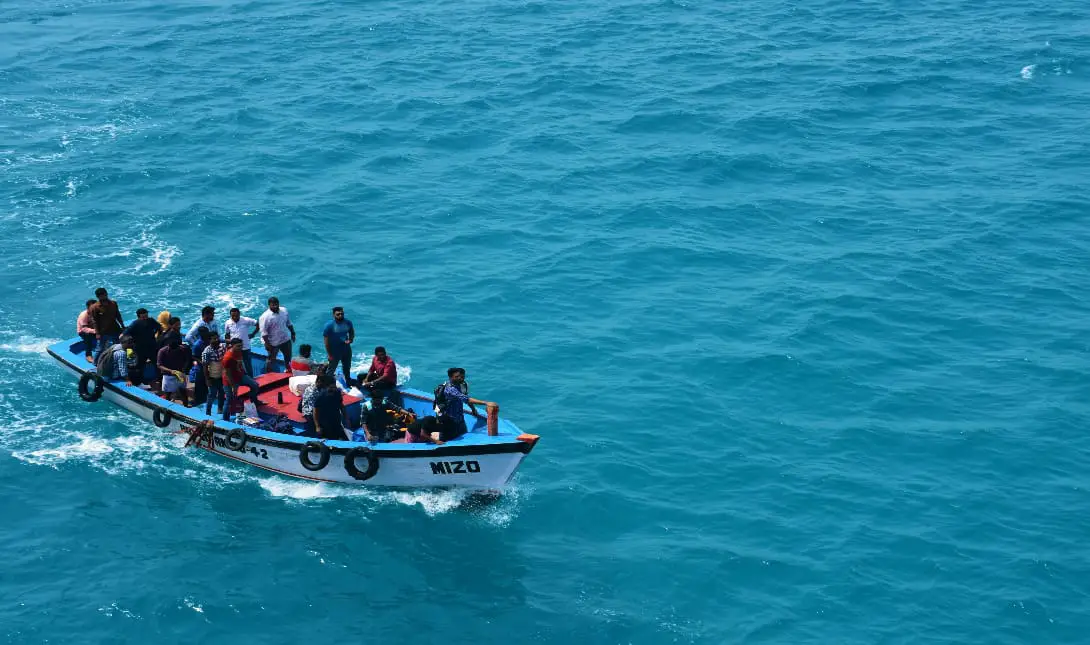
The shores of Southern Crete are witnessing a significant surge in migration activity, with local authorities warning that the current influx is only the beginning. As weather conditions improve, the island is increasingly becoming a primary gateway for those crossing the Mediterranean, placing a renewed strain on local infrastructure and resources.
A Dramatic Spike in March
While the winter months saw relatively low numbers—299 arrivals in January and 194 in February—the situation shifted drastically in March. In the first 11 days of the month alone, approximately 1,500 migrants reached the island’s shores.
The escalation began in earnest on March 5th, when four separate rescue operations resulted in the recovery of 277 individuals. The following day, eight more incidents were recorded near Gavdos and Kali Limenes, with the Hellenic Coast Guard picking up an additional 400 people.
Demographics and Origins
According to data reported by enikos.gr, the profile of those arriving remains consistent:
* Demographics: Over 90% are men, primarily aged between 18 and 30.
* Countries of Origin: Most arrivals hail from Sudan, Egypt, Bangladesh, and Eritrea.
Authorities note that while the conflict in the Middle East has not yet caused a massive direct spike, there is significant concern regarding tensions between Afghanistan and Pakistan. Furthermore, the coast of Libya remains a major departure point, with hundreds of thousands of individuals reportedly waiting for an opportunity to cross into Europe.
Local Response and Infrastructure
In Chania, Deputy Mayor Eleni Zervoudaki confirmed that local services are on high alert. “It was expected that as weather conditions improved, flows would resume,” she stated, adding that numbers are likely to multiply in the coming months.
Currently, the temporary facility in Agia is being used to house arrivals before they are transferred to mainland identification centers like Malakasa. While the facility has undergone recent disinfection and upgrades, Zervoudaki emphasized that the Ministry of Migration is working on further “compartmentalizing” the space to improve living conditions.
However, coordination remains a challenge. Nikos Syrigonakis, the Deputy Governor of Heraklion, has called for more transparent consultation with the Ministry regarding the creation of permanent structures. “We have repeatedly requested a meeting to understand the specifications of these spaces. So far, we have nothing specific,” he noted.
The Broader Context
The data reveals a shifting landscape in Mediterranean migration. While total arrivals to Greece in 2025 saw a 25% decrease compared to 2024 (dropping from 60,000 to 48,000), Crete’s role has grown. Of those 48,000 arrivals, nearly 20,000 were recorded in Crete, highlighting the island’s strategic—and vulnerable—position on the southern border of Europe.
As spring and summer approach, the pressure on Southern Crete is expected to be a defining challenge for both local municipalities and national migration policy.
New Arrival in Southern Crete: 39 Migrants Located at Chrysostomos Beach
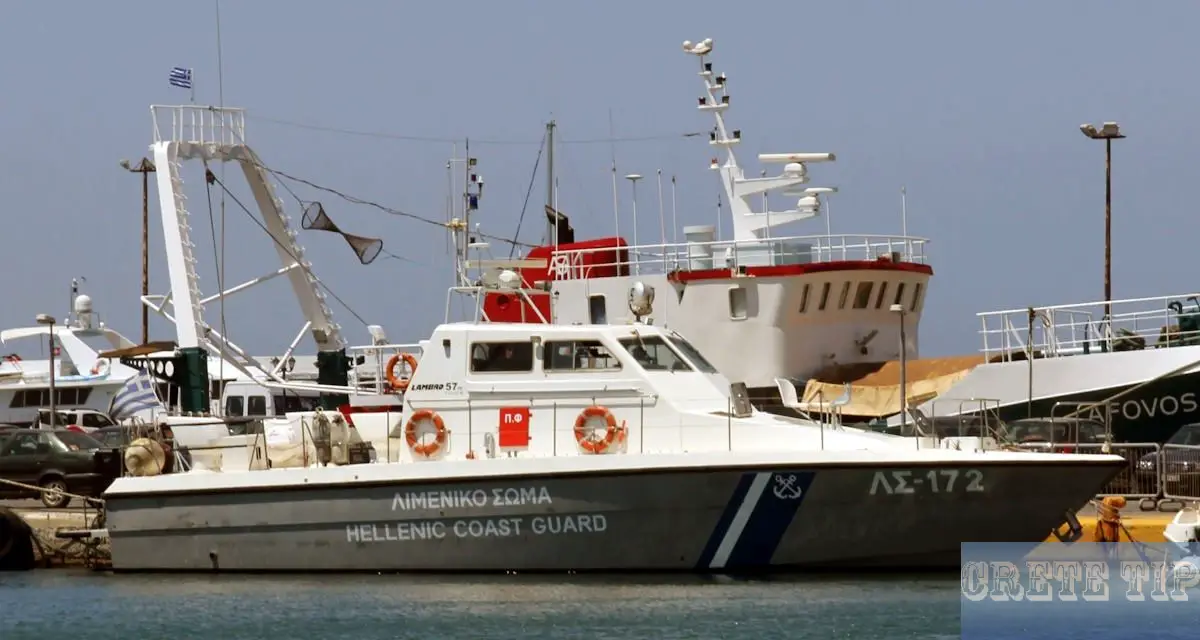
The migration pressure on Greece’s southern borders continues to intensify as a new group of 39 individuals was discovered on the shores of Southern Crete on Tuesday, March 17, 2026.
Discovery at Chrysostomos Beach
According to local reports, the group was found at Chrysostomos beach, a coastal area situated near Kali Limenes in the Heraklion prefecture. Early information indicates that the group consists entirely of men.
Local authorities were alerted immediately upon the group’s arrival. Following standard protocols, the individuals are being transported to Heraklion, where they will undergo the established identification and processing procedures.
Mounting Pressure on the Southern Route
This latest arrival follows a trend of increasing activity along the Libyan-Crete maritime route. As weather conditions in the Mediterranean stabilize, Southern Crete has seen a steady uptick in arrivals, challenging local resources and temporary housing facilities.
Key details of the arrival:
* Location: Chrysostomos Beach (near Kali Limenes), Southern Crete.
* Total Count: 39 individuals.
* Demographics: All reported to be men.
* Current Status: Transfer to Heraklion for processing.
Local Impact and Response
The recurring arrivals at Kali Limenes and Gavdos have placed Southern Crete at the forefront of the migration debate in Greece. While the Hellenic Coast Guard remains on high alert, local municipalities continue to call for reinforced support from the Ministry of Migration to manage the logistical demands of these frequent landings.

As the “spring window” for Mediterranean crossings opens, authorities expect these flows to remain consistent, if not increase, in the coming weeks.
21 Lives Lost Every Day: The Tragic Global Toll of Migration in 2025

While this figure represents a decrease from the nearly 9,200 deaths recorded in 2024, experts warn that the lower number does not necessarily mean the routes have become safer. Instead, it reflects a “global failure” in both protection and data collection.
The Deadliest Routes of 2025
The Mediterranean remains the world’s most dangerous migration corridor. According to the IOM, at least 2,108 people perished or disappeared in these waters last year. Other high-casualty regions include:
* The Atlantic Route: 1,047 deaths recorded on the journey toward Spain’s Canary Islands.
* Asia: Approximately 3,000 deaths, with more than half involving Afghan nationals.
* The Horn of Africa: 922 deaths, marking a significant increase from previous years, with most victims being Ethiopians lost in major shipwrecks.
A Local Tragedy: The Impact on Crete
The crisis hit close to home for residents of Southern Crete. In 2025 alone, at least 20 migrants lost their lives in shipwrecks south of the island.
Tragedies were concentrated in the final months of the year:
* November 2025: Three people died south of Gavdos.
* December 2025: 17 people perished near the island of Chrysi. The scale of the tragedy was so immense that local authorities in Heraklion had to utilize refrigerated trucks to store bodies until autopsies could be completed.
The trend has shown no signs of slowing down in the new year, with four more deaths recorded recently near Kali Limenes.
“A Global Failure”: Why the Real Toll is Likely Higher
IOM Director General Amy Pope has described the continued loss of life as a “global failure that we cannot accept as normal.”
Crucially, the IOM warns that the official figure of 7,667 is likely a significant undercount. Severe funding cuts—particularly to U.S. aid—have forced humanitarian organizations to scale back monitoring programs. Without adequate funding, many shipwrecks go unrecorded, and the “invisible” deaths of the desert or the high sea remain unknown.
The Call for Safe Routes
The IOM emphasizes that these deaths are not inevitable. As Europe, the U.S., and other regions invest heavily in deterrence and border enforcement, legal migration paths are shrinking. This lack of safe alternatives pushes vulnerable people into the hands of smuggling networks.
“We must now expand safe and regular routes and ensure that those in need can receive protection, regardless of their status,” stated Pope.
As we move further into 2026, the data is already grim: by February 24, 2026, another **606 migrants** had already lost their lives in the Mediterranean.
The €2 Million Question: How Much Does Crete Really Pay for Migration?

When migrants arrive on Crete’s shores, it’s not just a humanitarian crisis—it’s a financial one. Over the past 15 months (2025 through mid-March 2026), managing migration flows has cost local authorities on the island nearly €2 million, a burden that local municipalities argue should fall squarely on the national government’s shoulders.
The Financial Breakdown
According to data compiled from municipal budgets across Crete, the costs are staggering:
By Municipality:
* Chania: €1.1 million
* Agios Vasilis: €350,000 (with only about one-third reimbursed by the Ministry)
* Gavdos: Smaller but continuous expenditures, largely covered by Chania
* Rethymno, Heraklion, and other municipalities: Additional contributions totaling tens of thousands
By Category:
* Food and water provisions
* Emergency shelter and temporary housing
* Transportation to processing centers
* Sanitation and hygiene supplies
* Administrative and personnel costs
The Crete Regional Authority has also been burdened with approximately €150,000 in expenses for transfers, toilet facilities, and meals—averaging just €40-50 per person.
21,000 Arrivals in a Single Year
The scale of the challenge becomes clear when examining the numbers:
* 2025: 20,881 migrants arrived in Crete
* January-Mid March 2026: 1,909 additional arrivals
This means nearly 22,000 people have required immediate humanitarian assistance—food, water, shelter, and medical care—within just 15 months.
The Real Cost Goes Beyond Money
While the €2 million price tag is eye-catching, local officials emphasize that the human resource drain is equally devastating. Police officers, coast guard personnel, municipal staff, and elected officials have stretched themselves thin managing an influx that far exceeds their capacity.
As one observer noted: “The human resources being expended are far greater than the financial costs, and unfortunately, they are not unlimited, nor is anyone expecting them to be replenished.”
Who Should Bear the Burden?
Here lies the crux of the issue: local authorities are footing the bill for a national and international problem.
The Ministry of Migration does reimburse municipalities for documented expenses—but only after the fact, and often with delays. As Faistou Mayor Grigoris Nikolidakis explained to local media:
“At the beginning, we paid. Now we’ve stopped. We gave €70,000 for 2025, €50,000 the year before, and whenever necessary, the Ministry pays us back.”
This reimbursement model creates a cash flow crisis for municipalities. When a boat arrives and 300 people need immediate care, local governments must have liquid funds available right now. They cannot wait months for the Ministry to process invoices.
A System Under Strain
The coordination between local, regional, and national authorities remains fragmented. While agreements existed since the tenure of previous Migration Minister Notis Mitarachi regarding cost-sharing formulas, implementation has been inconsistent.
In the Heraklion Regional Unit, much of the burden has fallen on the Regional Authority of Crete, as southern municipalities reportedly lack the financial capacity to respond independently.
The Political Dimension
Prime Minister Kyriakos Mitsotakis has expressed concern about escalating flows, particularly as weather improves and geopolitical tensions persist (including the Iran-Iraq situation). Yet rhetoric has not translated into tangible financial support for frontline regions like Crete.
The broader context is sobering:
* An estimated 20,881 people paid €3,000 to €10,000 each for unsafe boat passage
* Many arrive destitute and traumatized after harrowing sea crossings
* Most ultimately seek to reach Italy, Belgium, or Northern Europe—not remain in Greece
Looking Ahead
As spring and summer approach—peak migration seasons—authorities expect flows to multiply. Without a comprehensive national strategy and dedicated central funding, Crete faces the prospect of costs doubling or tripling by year’s end.
Local officials are calling for:
* Immediate reimbursement of expenses without delays
* Advance funding to municipalities to ensure adequate response capacity
* National coordination to distribute the burden more equitably across Greece
* EU support recognizing that this is a European border crisis, not merely a Greek one
Until these demands are met, Crete will continue to pay the price—both financially and socially—for a migration crisis it did not create and cannot solve alone.
Police Smash “Soul Trading” Network: 20 Detained in Massive Anti-Trafficking Operation Across Crete

In a major blow to organized crime, Greek authorities have launched a massive, multi-regional operation to dismantle a sophisticated criminal network accused of “modern-day slavery.” The ring allegedly operated a sprawling exploitation circuit, “renting out” human beings and profiting from the desperation of migrants.
A Coordinated Dawn Raid
The operation, spearheaded by the Heraklion Security Department, began at dawn on Tuesday, March 18, 2026. Police units moved simultaneously across several key locations to prevent suspects from alerting one another.
Raids were conducted in:
* Crete: Heraklion, Moirai, Tympaki, Tsifout Kastelli, and Lasithi (Agios Nikolaos).
* Mainland Greece: Athens and Thebes.
According to reports from *Cretalive*, the investigation has deep roots and targets a criminal organization that had built an extensive network for the exploitation of foreigners, primarily nationals from Pakistan.
The Modus Operandi: “Modern Slavery”
Investigators describe the group’s activities as “the trade of souls.” The network didn’t just smuggle people; they maintained a system of long-term labor exploitation through administrative fraud.
The scheme worked as follows:
* Fictional Employers: The group allegedly used a private Citizens’ Service Center (KEP) in Heraklion as a front. They declared “virtual” or fake employers to secure legal residence and work permits for migrants.
* Labor “Leasing”: Once the paperwork was processed, the migrants never actually worked for the employers listed on their documents. Instead, the ring “rented” the workers out to various businesses and agricultural operations.
* Financial Exploitation: The criminal organization reportedly pocketed the majority of the workers’ wages, leaving the victims in a state of financial bondage and precarious legal standing.
Significant Arrests and Seizures
The scale of the operation reflects the seriousness of the charges. So far, the results of the crackdown include:
* Detentions: Between 19 and 20 individuals have been brought to the Heraklion Police Headquarters for questioning and are expected to face a range of felony charges.
* Cash Seized: Authorities have already confiscated more than €200,000 in cash, believed to be the proceeds of the trafficking ring’s illegal activities.
A Growing Concern for Crete
This bust highlights a dark side of the migration pressure currently facing Southern Crete. As more individuals arrive on the island’s shores, they become prime targets for criminal networks looking to exploit their lack of legal status and resources.
Local officials have praised the methodical work of the Heraklion Security officers, noting that dismantling the administrative “hub” (the private KEP) is crucial to stopping the flow of fraudulent permits that allow these rings to operate under the radar.
What’s Next?
The investigation is still in full swing. Police are currently analyzing seized documents and digital evidence from the private KEP and other locations to identify the full extent of the network. More arrests are expected as the “background” of the case is fully uncovered.
For the victims, the focus will now shift to humanitarian support and determining their legal status following their rescue from this exploitative cycle.