

Are you wondering how much it really costs to live in Crete? Depending on where you live, the cost of living in Crete ranges from around €800 to €2,500 per month.

You will pay more in larger cities such as Heraklion or Chania. Life in small villages in the south is often significantly cheaper.
In Crete, you will find affordable rents and inexpensive food, especially at the weekly markets. Transport, internet and leisure activities are also usually cheaper than in Central Europe.
With a conscious lifestyle, you can save a lot and still live well. That’s quite an advantage, to be honest.
If you want to know how to best budget in the different regions of Crete or how much you should plan for rent, food and mobility, you’ve come to the right place. Below you will find an overview of the most important cost factors on the island.
Overview: What determines the cost of living in Crete?
If you want to live in Crete, you should know that the cost of living depends heavily on where you live. The island offers different price situations depending on the region and municipality.
Compared to the United Kingdom, the cost of living is significantly lower. This attracts many people.
Price differences between north and south
In the north, where cities such as Heraklion, Chania and Rethymno are located, prices are generally higher. This applies to rents, restaurants and supermarket prices.
Here you will find a larger tourism infrastructure and modern facilities. Of course, this drives up costs.
In the south or east, for example around Agios Nikolaos or small villages such as Lentas, rents are cheaper. You can often buy food directly from the producer at lower prices.
Life there is more relaxed and less expensive. Perfect if you are looking for peace and quiet.
Differences between city, coast and village
Life in big cities is more expensive, especially when it comes to rents. A two-room flat in Heraklion or Chania usually costs between €450 and €700 per month.
In suburbs or smaller coastal towns, you often pay well under €400. In villages, it is even cheaper, especially if you opt for traditional houses or small flats.
It is often possible to negotiate long-term rental contracts, which reduce costs. Food here is usually more local and cheaper because many farmers sell directly from their farms.
Crete compared to the UK
Crete is on average about 10 to 15 per cent cheaper than the UK. Food is particularly cheaper at local markets – a kilo of tomatoes often costs only around £1.
Eating in tavernas is also cheaper. In the south, you usually pay €12 to €18 for a full menu.
Rent and transport are also cheaper. A car and insurance cost less, even if the price of fuel remains comparable.
You can get by well in rural areas with around £800 to £1,000 per month. In cities with more amenities, you should budget for £1,500 to £2,500.
Living in Crete: rents, purchase prices and ancillary costs
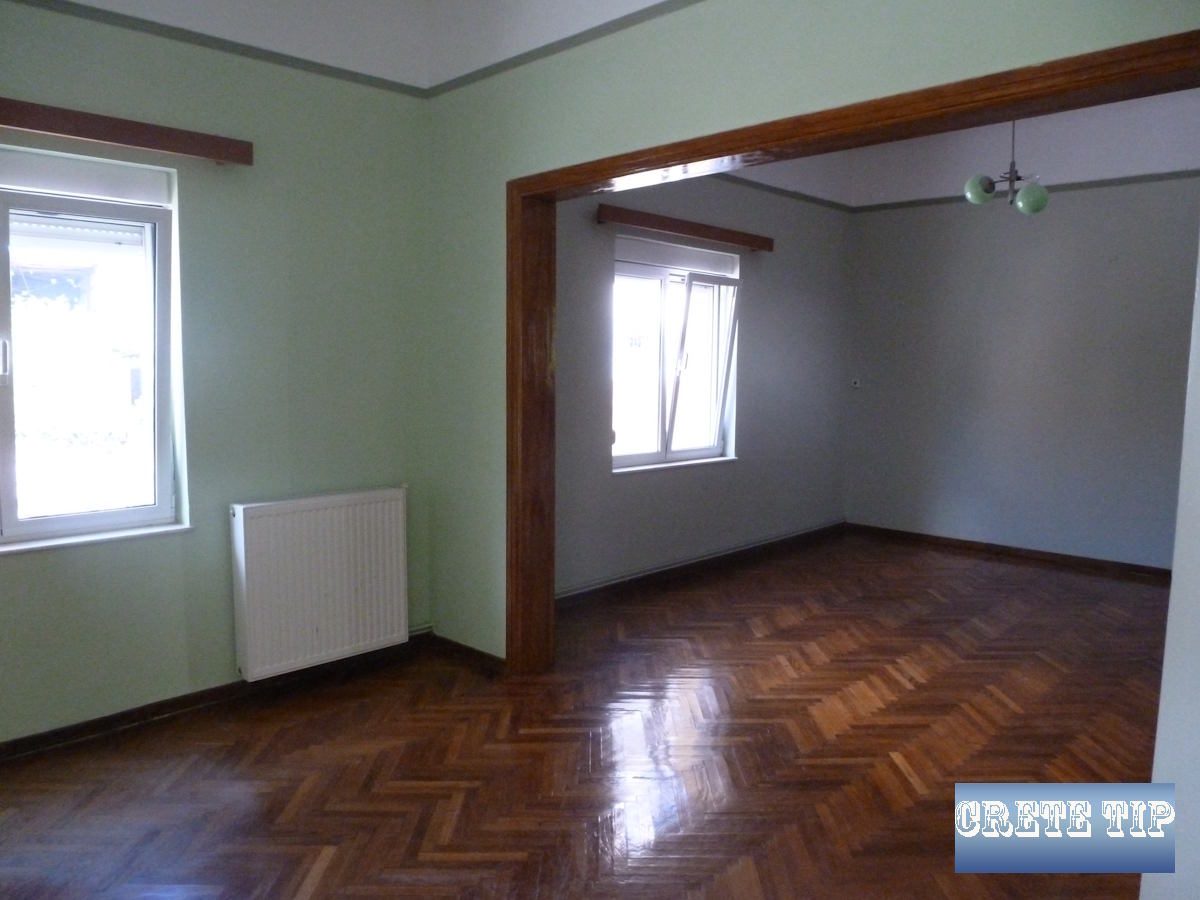
Rents in Crete vary greatly depending on the location. Utility costs are usually lower than in the UK.
Property purchases depend on location and size. Whether in a city or village, there are significant price differences.
Rental prices in towns and villages
In Heraklion or Chania, you will usually pay between 500 and 800 euros per month for a two-room flat. Rethymno and Agios Nikolaos are slightly cheaper, at around 450 to 650 euros.
In the countryside, in mountain villages or on the south coast, rents are much lower. A two-room flat there often costs only €250 to €450.
Prices rise the closer you live to the sea or the city centre. Smaller coastal towns are priced somewhere in between.
Entire houses or larger flats naturally cost more, but often offer more space and peace and quiet. It’s a matter of taste.
Additional costs such as electricity and water
Additional costs are cheaper in Crete than in the UK. In cities such as Heraklion or Chania, you can expect to pay around £140 to £165 per month for electricity, water and heating.
In rural areas, the costs are usually between €105 and €140. In summer, expenses increase due to air conditioning, and in winter due to heating.
Internet costs between €25 and €50, depending on where you live and the speed. Rubbish collection fees are often included in municipal taxes or add around €10 to €15.
Purchase prices for property
Buying property in Crete is cheaper than in many parts of Europe. Prices are highest in Heraklion and Chania, especially in city centres and popular coastal resorts.
For a small flat in a city, you will pay around €1,500 to €3,000 per square metre. In villages or rural areas, prices are usually only €800 to €1,500 per square metre.
Large houses or villas by the sea can of course be more expensive, especially if they are new or modernised. Nevertheless, the property market in Crete remains affordable overall and offers many opportunities.
Food & shopping: markets vs. supermarkets

There are various ways to buy food in Crete. The choice between fresh weekly markets and well-stocked supermarkets affects your spending and the quality of your purchases.
Prices and the selection of local products vary depending on where you shop. This can make a difference.
Local products and weekly markets
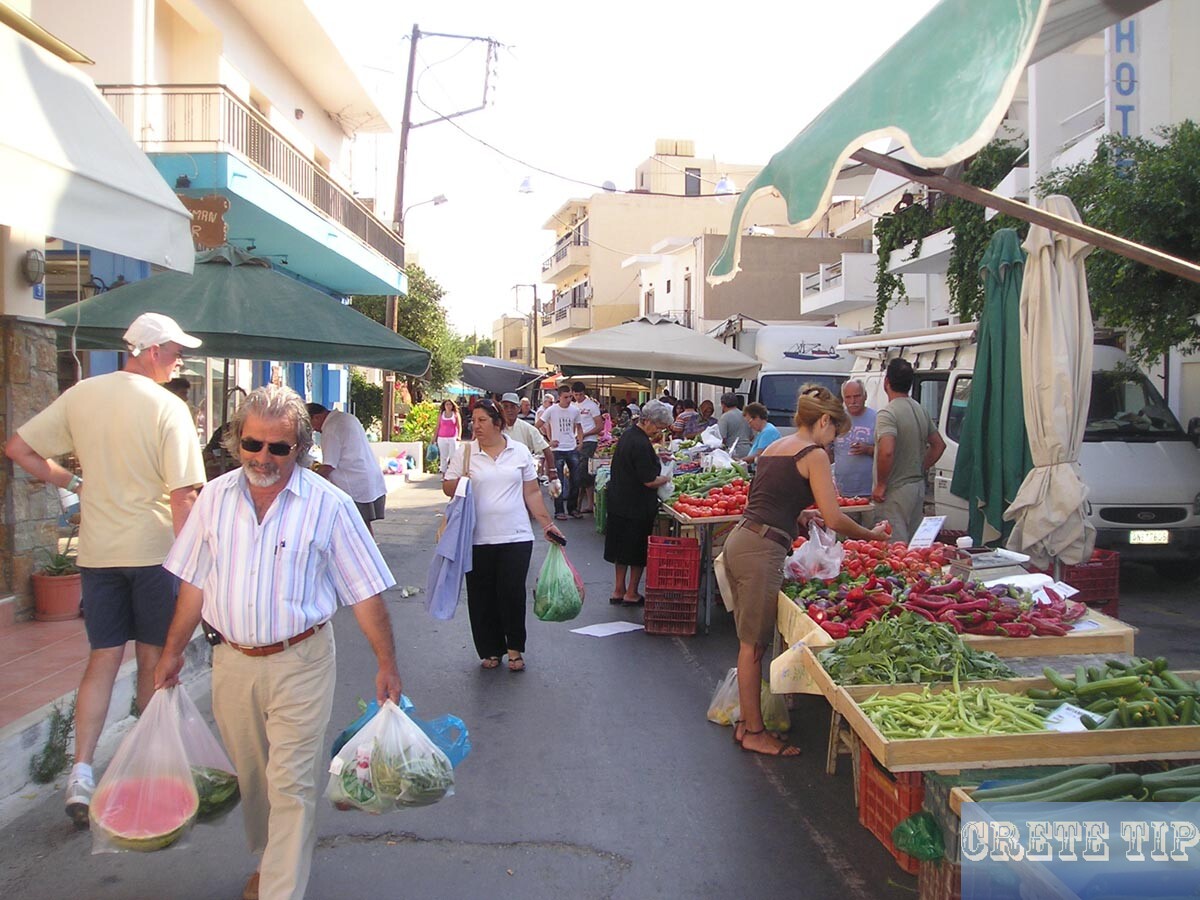
At weekly markets, you can often find fresh fruit, vegetables and regional specialities at lower prices than in supermarkets. Tomatoes cost around €0.80 to €1.20 per kilo there.
Fresh sheep’s cheese such as Graviera also comes directly from the producer. This means quality at fair prices.
Many products come from farmers in the region, especially in places like Paleochora or Myrtos. Seasonal foods are particularly fresh.
The weekly market is also a social meeting place. Here you can chat with locals and get tips for Cretan dishes such as moussaka or souvlaki.
Supermarket prices and imported goods
Supermarkets such as AB Vasilopoulos or SYNKA offer a wide selection, but many products are imported. This costs more – milk costs around €1.40 per litre.
Imported goods are often more expensive and sometimes less fresh than regional products from the market. Supermarkets are convenient when you need everything quickly.
They have longer opening hours and a wider range of products. However, you often pay a surcharge for packaged goods and branded products.
You should bear this in mind if you are watching your budget. Sometimes it is more worthwhile going to the market.
Typical food expenses
You can live well in Crete on around €200 to €350 per month if you mainly buy local products. A litre of milk costs around €1.40 and bread around €1.
The price of meat and fish varies depending on whether you buy fresh produce from the market or packaged meat from the supermarket. If you like Greek cooking, you’ll have no trouble finding ingredients for moussaka or souvlaki.
Fresh vegetables, olive oil and spices are inexpensive. Prices vary slightly between towns and villages, and you can often save more in the south, especially when buying food directly from farmers.
Eating out & going out: tavernas, restaurants and cafés
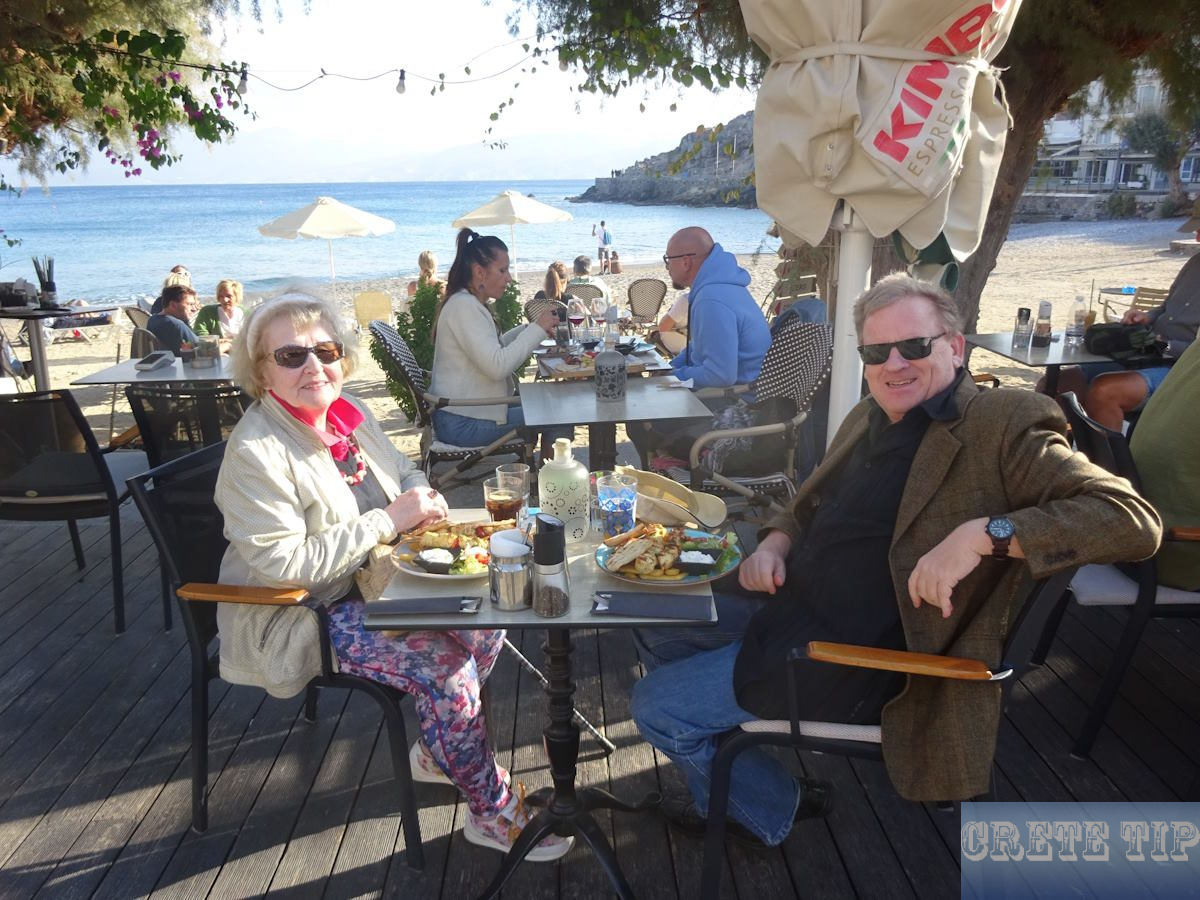
When you go out to eat in Crete, you will find a wide range of options, from simple tavernas to chic restaurants. Prices and food vary greatly depending on the location and type of establishment.
You have the chance to try authentic Cretan dishes and experience the lively local scene. This makes going out on the island something special.
Prices in traditional tavernas
In traditional tavernas, you will usually pay between €12 and €18 for a full meal, including wine or a drink. Especially in the south of the island, in places like Lentas or Agia Galini, prices are often lower than in the big cities.
There you can enjoy fresh, homemade food served directly to your table. The taverns are often family-run — a real insight into Cretan life.
Dinner usually consists of meze, fresh salad, souvlaki or moussaka. Many locals eat here because it is simply delicious and down-to-earth.
Differences between tourist spots and local eateries
In cities such as Heraklion, Chania or Rethymno, you usually pay more in restaurants. In tourist areas, dinner can easily cost 20 to 30 euros per person.
The menus there are more international and tailored to tourists. If you prefer to eat more cheaply and authentically, avoid the main streets.
Instead, look around smaller streets or neighbourhoods. There you will find taverns where the locals eat and the atmosphere is more relaxed.
Culinary specialities and experiences
Be sure to try classics such as moussaka, souvlaki or fresh fish, which often comes directly from the market. In addition to eating, you can also do something different, such as attending a Pottery Course Crete – why not get creative after your meal?
Many tavernas focus on fresh, local ingredients. In Chania, for example, you’ll find small restaurants serving homemade wine and olive oil.
This not only makes the food delicious, but also varied. You’ll get to know Cretan culture in a way that’s all your own.
Mobility and transport: living and travelling in Crete

In Crete, you can get around easily, whether by bus, hire car or on foot. Fuel prices are slightly higher than on the mainland, but buses and hire cars are still affordable.
In cities such as Chania or Rethymno, you rarely need a car. It is often quicker to walk.
Bus, hire car & fuel prices
Buses are cheap and connect larger towns such as Chania, Heraklion and Rethymno quite reliably. A trip within the city costs around €1.50, while longer distances – for example, from Chania to the Samaria Gorge – cost around €15–20.
Buses run regularly, but in small villages such as Agia Galini, it can take a while for the next bus to arrive. A hire car gives you more freedom.
Prices start at around €20–30 per day, depending on the season and the car. You can get a used car from around €5,000.
In 2025, petrol costs around €1.90–2.10 per litre. In the south, you can sometimes find even cheaper petrol stations.
Living without your own car
In cities such as Chania or Rethymno, you don’t really need your own car. The bus network is good, and you can do a lot of things on foot.
Bicycles or e-scooters are useful for short distances. Outside the cities, it becomes more difficult without a car.
Shopping, doctor’s appointments or excursions such as to the Samaria Gorge can be done by bus or taxi, but it’s not exactly convenient. Sometimes it’s worth renting a car for a day.
Tips for affordable travel
Multi-trip tickets for bus journeys save money on longer distances. Booking your hire car early helps, especially in high season.
If you travel a lot, it’s worth getting an economical car. Otherwise, buses and bicycles are really good alternatives.
For trips to the Samaria Gorge, local providers offer guided tours with transport. This gives you flexibility and allows you to explore the island at your leisure.
Communication & everyday life: internet, telephone and other expenses

In Crete, you can usually get reliable, fast internet and cheap phone deals. In addition to the basic costs for electricity, water and mobile phone service, there are also expenses for leisure activities, which are sometimes slightly higher than in the UK.
Internet and telephone providers
The main providers are Cosmote, Vodafone, Nova and Wind. Cosmote dominates the market and offers good network coverage even in rural areas.
You can choose between fixed-line internet, mobile data and combination packages. A typical flat-rate internet package with 50–100 Mbit/s costs around 30 to 50 euros per month.
Mobile internet is available on a prepaid or contract basis. For telephony, you can find domestic rates starting at 10 euros per month.
Installation is usually quick, and you can arrange everything online. There are also internet cafés and public Wi-Fi spots, but surfing at home is more relaxed.
Typical everyday costs
In addition to rent and utilities, you should expect to pay around €100 to €165 per month for electricity, water and internet. You will tend to pay more in the city and less in the countryside.
Mobile phone contracts or prepaid plans cost around €10 to €20 per month, depending on usage. Frequent callers are often better off with flat rates.
In summer, additional costs rise due to air conditioning, and in winter due to heating. Rubbish collection fees are usually included in municipal taxes.
Expenses for leisure and activities
Leisure activities cost a little more in Crete than in Germany. Events, sports and cinema are around 13% more expensive.
However, there are many inexpensive or free activities on offer, such as hiking and going to the beach. Bars and restaurants are inexpensive, but if you go out often, the costs can quickly add up.
A drink costs around 3 to 5 euros. You rarely pay extra for Wi-Fi in cafés as long as you are a customer there.
You can easily communicate with friends via mobile phone or Wi-Fi without incurring significant additional costs. Overall, life remains affordable and enjoyable.
Frequently asked questions

In Crete, prices vary depending on where you live and your lifestyle. You can find affordable rents, fresh food at weekly markets and relatively inexpensive places to eat out.
Public transport and utilities are usually affordable. Nevertheless, you should keep an eye on all your expenses.
What is the average cost of renting a flat in Crete?
A modern two-room flat in cities such as Heraklion or Chania costs between €450 and €700 per month. In smaller villages in the south, you can often find flats for as little as €300 to €450.
How expensive is daily shopping compared to the United Kingdom?
Food at weekly markets is quite cheap. For example, 1 kg of tomatoes costs only about €0.80 to €1.20.
You pay more at the supermarket, especially for imported goods, but basic foodstuffs remain cheaper than in Germany.
Is it possible to eat out cheaply in Crete and how much does it cost?
Restaurants in the north often charge €20 to €30 per person for dinner. In the south, you can eat your fill in small tavernas for €12 to €18, including wine.
What additional costs should you budget for as a resident of Crete?
In addition to rent, you should budget for transport, electricity, water and internet. In addition, there is insurance, sometimes private health insurance if you want it.
How much do electricity and water cost on average?
You can expect to pay around 80 to 150 euros per month for electricity and water. Depending on how economical you are and where you live, it can be cheaper – especially in the countryside.
Is public transport in Crete expensive or affordable?
Travelling by bus in Crete is quite cheap. A journey within the city costs around €1.50.
Longer journeys between cities usually cost between €15 and €20. If you don’t want a car, travelling by bus is really worthwhile.



