

Essential Tips and Itineraries.
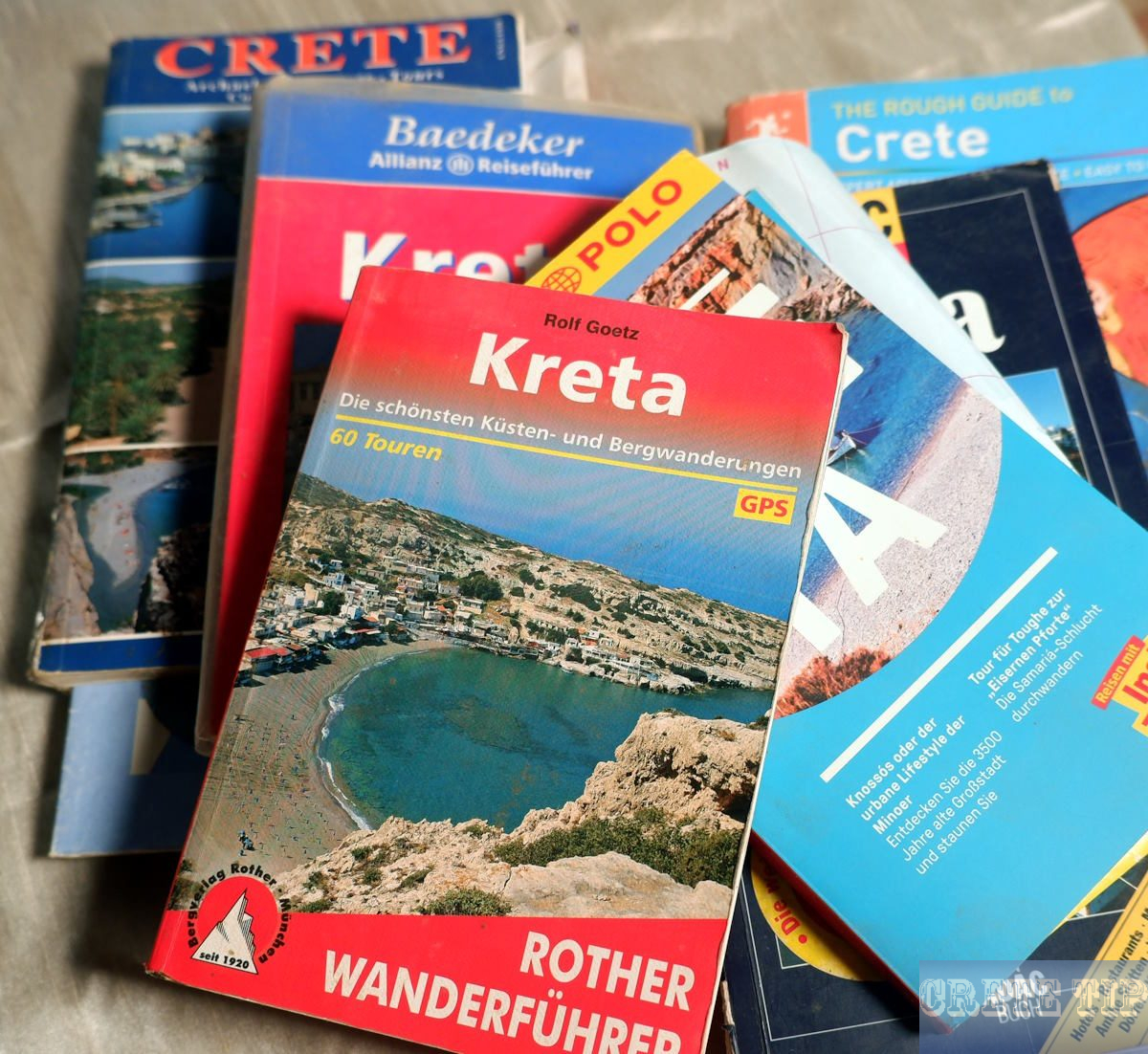
Planning a trip to Crete gets a lot easier with a guide that fits your style. Some books work best as quick pocket references for day trips or city strolls.
Others are better for slow, thoughtful planning and digging into the island’s background. It really depends on what kind of traveler you are.
The best Crete travel guide for you comes down to whether you want a compact overview, a map you can actually use, or a thicker book for plotting out a longer trip. I always check the size, how good the maps are, when it was last updated, which parts of Crete it covers, and if the print’s readable outside or while moving.
If you want one book to do it all, you’ll probably carry a bit more weight, so that trade-off matters. There’s no perfect answer, but knowing what you want helps a lot.
Best for a compact overview: DK Top 10 Crete
Best for detailed trip planning: The Rough Guide to Crete
Best for a pocket guide with local focus: Marco Polo Crete Pocket Travel Guide
Best for a lightweight carry-on guide: Rough Guides Mini Crete
Best for quick essentials on a budget of space: Berlitz Pocket Guide Crete
DK Top 10 Crete
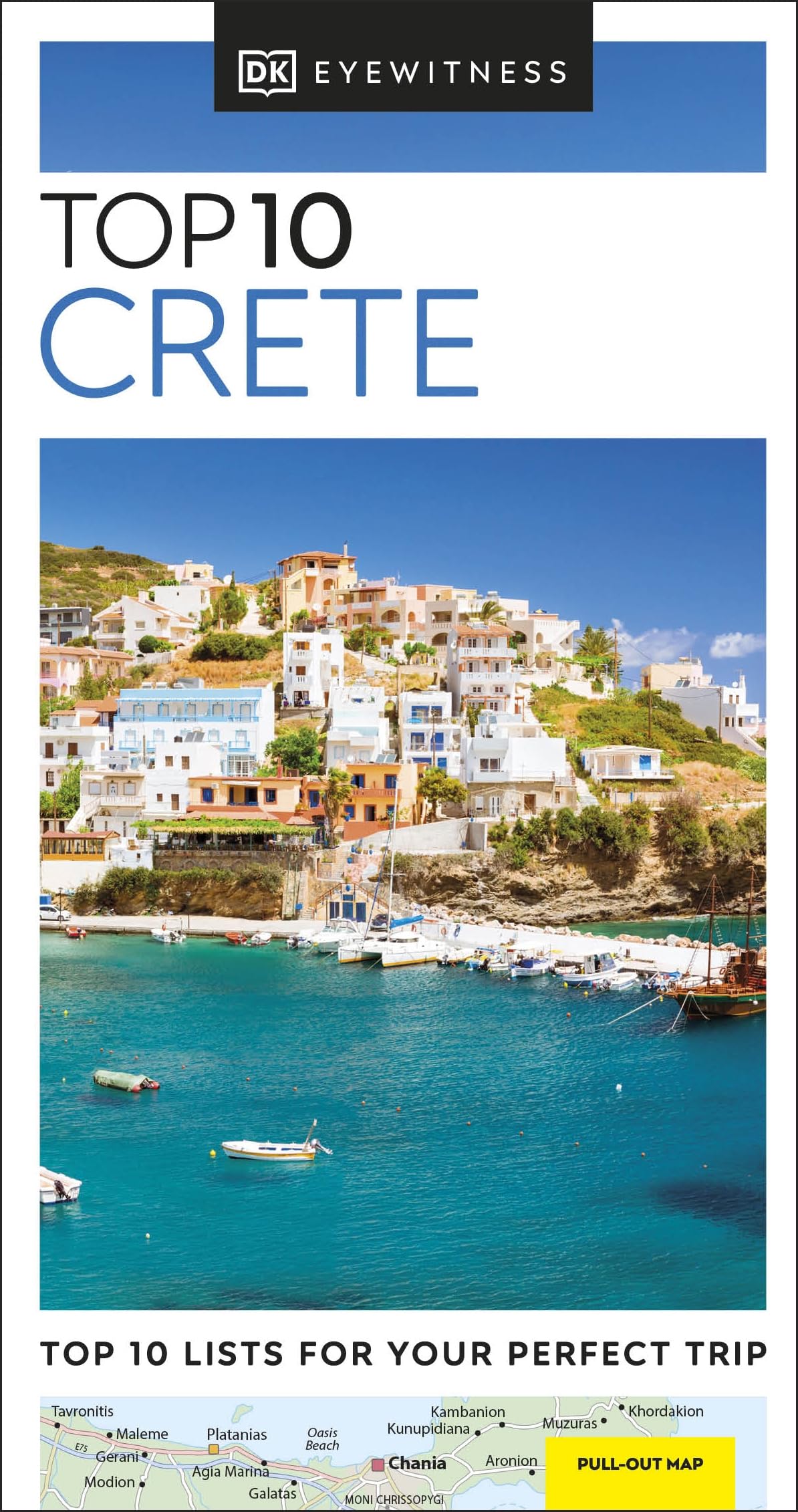
If you want a small, easy-to-use guide, this one’s a top pick. It points you to the main sights, best things to do, and the basics you’ll need.
Pros
- Super compact and light
- Visually strong—maps and photos everywhere
- Great for first-time trip planning
Cons
- Not much depth for serious research
- Doesn’t cover niche interests or remote spots well
- Some folks might want a detachable map
This guide really shines for quick decisions rather than long reading sessions. The short format makes it easy to shortlist beaches, towns, museums, and day trips without hauling a heavy book.
It’s clear and portable, which is fantastic. But you give up a bit of depth, so it’s best if you pair it with a hotel map, booking app, or something more detailed if you’re heading off the beaten path.
Lonely Planet Crete
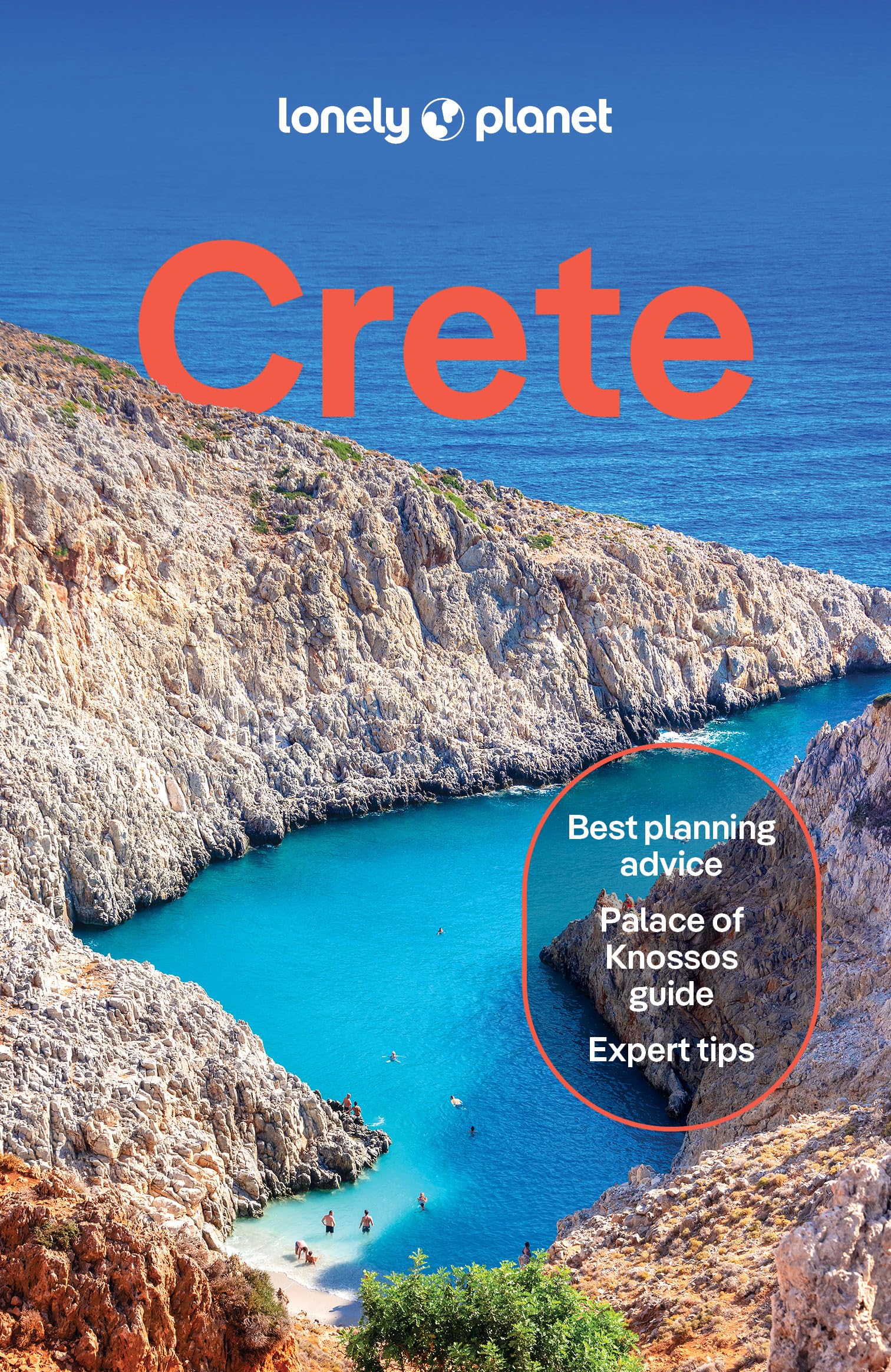
This one’s a solid pick if you want broad coverage and a traditional all-purpose guide for a classic Crete holiday.
Pros
- Good balance of practical info and planning tips
- Covers enough for a week or more
- Helps build a general itinerary
Cons
- Not as pocketable as slimmer guides
- Some sections get outdated faster than others
- The lighter tone isn’t for everyone
The 2025 edition feels like a smart choice for travelers who like organized routes, place summaries, and enough context to plan before arriving. It’s handy as a main reference book.
If your trip is mostly city breaks or excursions to places like Balos Lagoon, this gives you enough structure without drowning you in details.
The Rough Guide to Crete

If you want the most detailed, itinerary-friendly guide, this is the one. It’s for travelers who want to dig deep and plan longer trips.
Pros
- Super thorough coverage
- Great for longer stays and deeper research
- Strong on culture and history
Cons
- Heavier than pocket guides
- Small print—can be tough on the eyes
- Not convenient to carry every day
This book’s best if you want to read up and mark routes in advance. It’s a good fit for people interested in places like the Lassithi Plateau or who enjoy background stories.
The small print can get tiring, honestly. Still, for anyone who wants a single book to support a detailed Crete trip, this stands out.
Marco Polo Crete Pocket Travel Guide
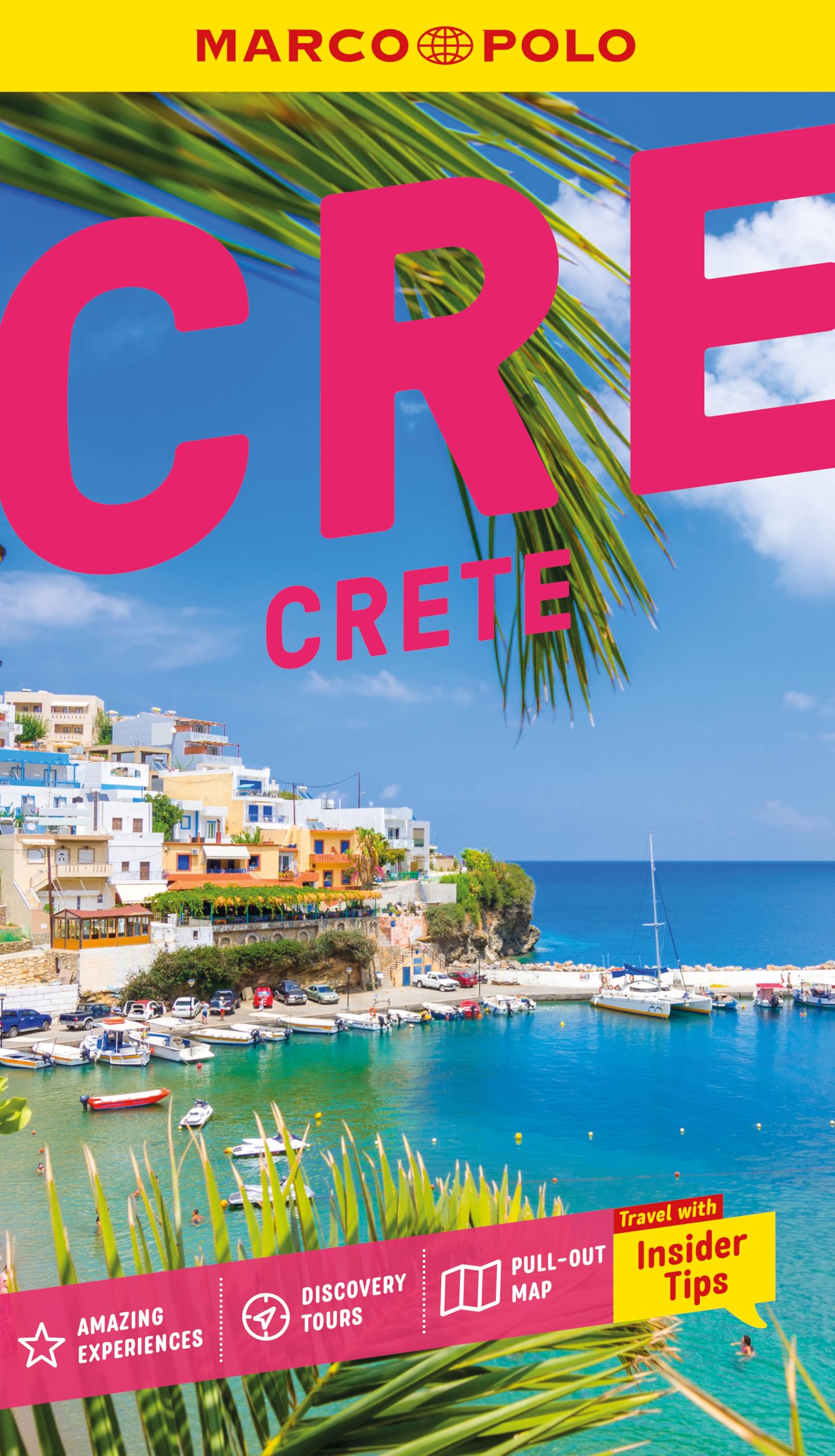
This one’s smart if you want a pocket guide with a good map and clear local tips for getting around.
Pros
- Handy size for bags and day trips
- Decent map included
- Short, scannable entries
Cons
- Not as deep as bigger guides
- Doesn’t work for long background reading
- Narrower coverage than full-size books
The short format is great when you’re already on the island and just want quick reminders instead of long essays. It links major towns and helps plan simple excursions without much fuss.
If you like practical notes and a map over long descriptions, this guide makes sense. For moving around Crete efficiently, it definitely earns its spot.
Rough Guides Mini Crete
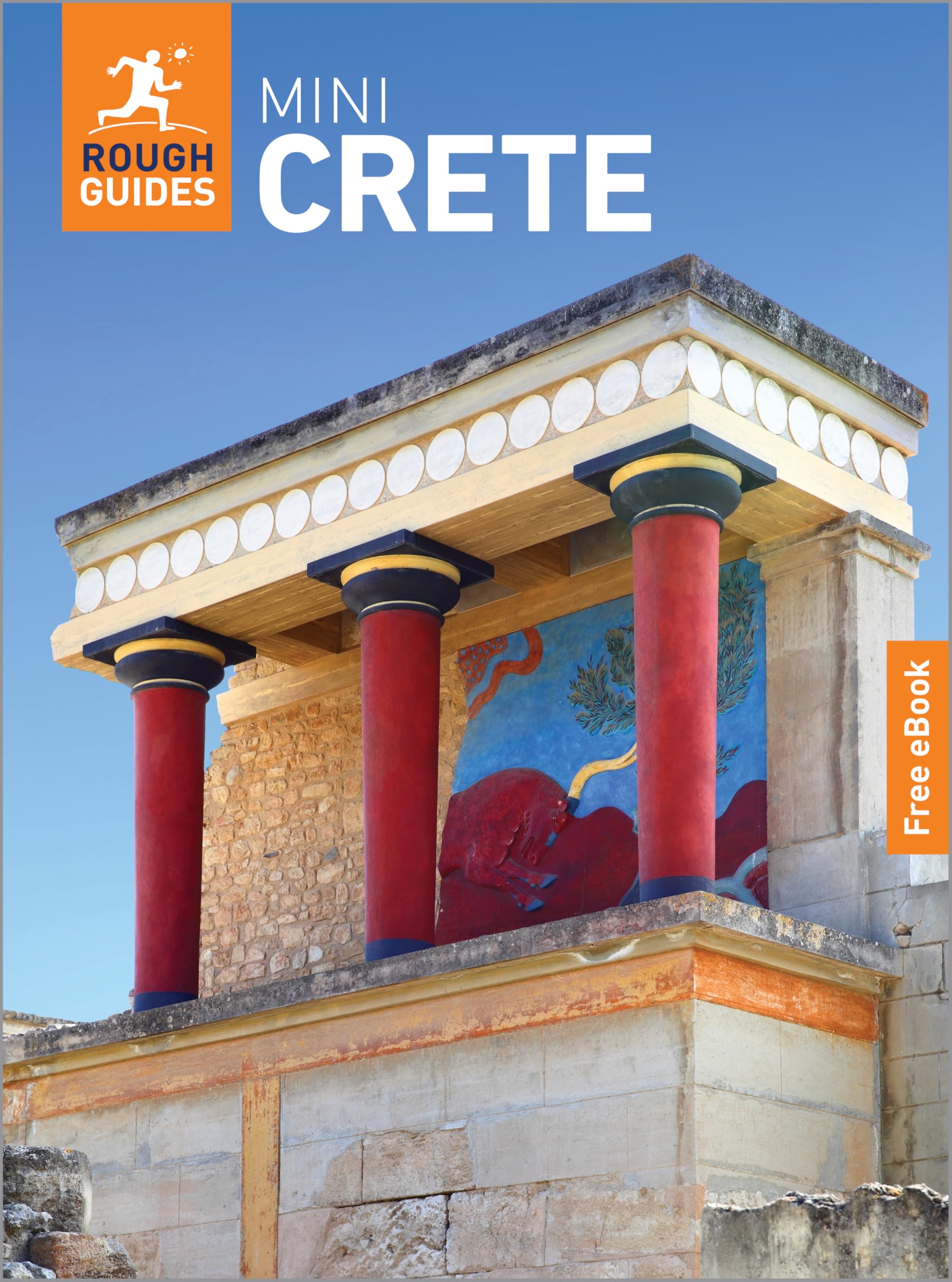
This is the lightest serious guide here, perfect if you want a tiny book for basic planning and quick checks.
Pros
- Very small and light
- Easy to toss in hand luggage
- Good for short, simple trips
Cons
- Not much detail
- Doesn’t help with complex itineraries
- Not ideal if you want big maps
The 2026 edition makes it appealing if you want something current but don’t want to lug around a thick book. It’s aimed at quick reference, so it’s handy for weekend breaks or as a backup to your phone.
If space is the main concern, this is the one to grab. For just the essentials, it gets the job done.
Berlitz Pocket Guide Crete
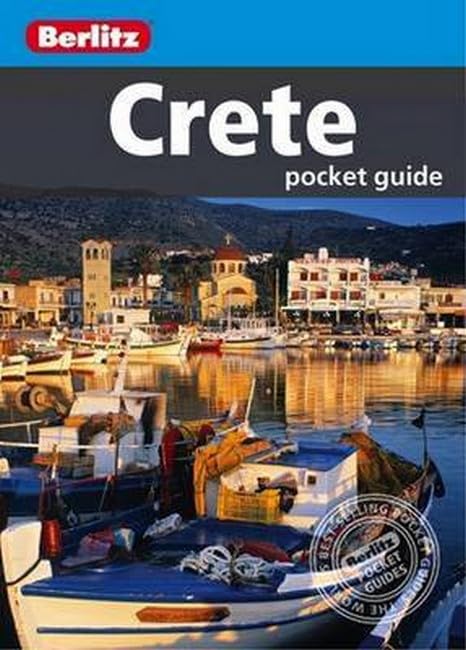
This one makes sense if you want a very compact guide that covers the main sights in a clear, straightforward way.
Pros
- Super portable
- Easy to flip through on the go
- Good for highlights and basics
Cons
- Not much depth on smaller spots
- Older edition than some others
- Best for shorter or more mainstream trips
In real use, this book works as a concise reminder of what’s worth seeing. It’s not the pick for deep route planning, but it’s handy for a small, clear reference in your bag.
If you mainly want to see the best-known places and don’t need piles of extra info, it’s practical and low-fuss.
Buying Guide
Crete’s big enough that the right guidebook really depends on how you travel. If you’re staying in one spot and taking short trips, a pocket guide might be all you need.
If you’re planning to drive across the island, a fuller book with better context and solid maps is definitely more useful.
What to look for before buying
| Feature | Why it matters |
|---|---|
| Update date | Crete changes with the seasons. Newer editions usually show the latest routes, access points, and opening patterns. |
| Map quality | Clear maps beat long descriptions when you’re on the road or wandering a town center. You want to find your way quickly, not squint at tiny lines. |
| Book size and weight | Smaller books slip easily into a day bag. The bigger ones might be a pain to carry, but they tend to offer more detail. |
| Coverage areas | Make sure your guide covers places like Chania, Heraklion, Rethymno, and Agios Nikolaos. If Balos Lagoon, Balos Beach, Knossos, or the Lassithi Plateau are on your list, double-check they’re included. |
| Print size | Small print gets exhausting, especially after a long day or in bright sunlight. Big, readable text just makes life easier. |
| Depth of detail | Pick a shorter guide if you just want highlights. Go for a fuller guide if you’re into history, routes, or want help planning. |
Which type suits which traveller
- Pocket guide: Handy for day bags, quick choices, and short trips.
- Mid-size guide: Good for balancing planning and on-the-go use.
- Large guide: Makes sense for longer stays or if you like building more complex itineraries.
If you’re traveling with kids, older relatives, or renting a car, a guide with clear maps and easy-to-read print can really help. If you already use apps for opening hours and bookings, maybe focus on a guide that inspires and suggests routes instead.
Frequently Asked Questions
When deciding where to stay in Crete, which areas are best for first-time visitors?
Most first-time visitors find Chania and Heraklion the easiest bases. Chania gives you a scenic old town, great food, and easy access to the west. Heraklion is better if you’re planning to visit Knossos or need central connections.
What are the top things to do in Crete for nature lovers?
Hiking Samaria Gorge is always popular. So is taking a ferry to Chrissi Island or Balos Beach. Some folks also love driving up to the Lassithi Plateau to check out the old windmills and caves.
Which parts of Crete are best avoided when choosing accommodation?
Honestly, there isn’t anywhere we’d call a total no-go. Just avoid booking somewhere super remote unless you really don’t mind driving a lot. Long transfer times can eat into your trip.
What is the best month to visit Crete for good weather and fewer crowds?
May and late September usually hit that sweet spot of warm weather and lighter crowds. Walking, driving, and sightseeing just feel more comfortable than in the peak summer crush.
When is the best time to avoid travelling to Crete due to heat, wind or peak crowds?
July and August get very hot and busy, especially in the big resort areas. Sometimes strong winds mess with beach days too. If you don’t like heat or crowds, spring or autumn is just better.
How many days are enough to see the highlights of Crete without rushing?
A week is a solid intro to Crete. With 10 to 14 days, you can explore more than one region without feeling like you’re always on the move.
Is it better to base yourself in one location or split your stay across multiple areas of Crete?
If you’re only visiting for a few days, sticking to one base just feels easier. Moving around too much can get exhausting fast.
But if you’ve got more time, why not try splitting your stay? It lets you actually see both the west and east sides of the island, which is pretty tempting.



