The guide to optimal protection in Crete.
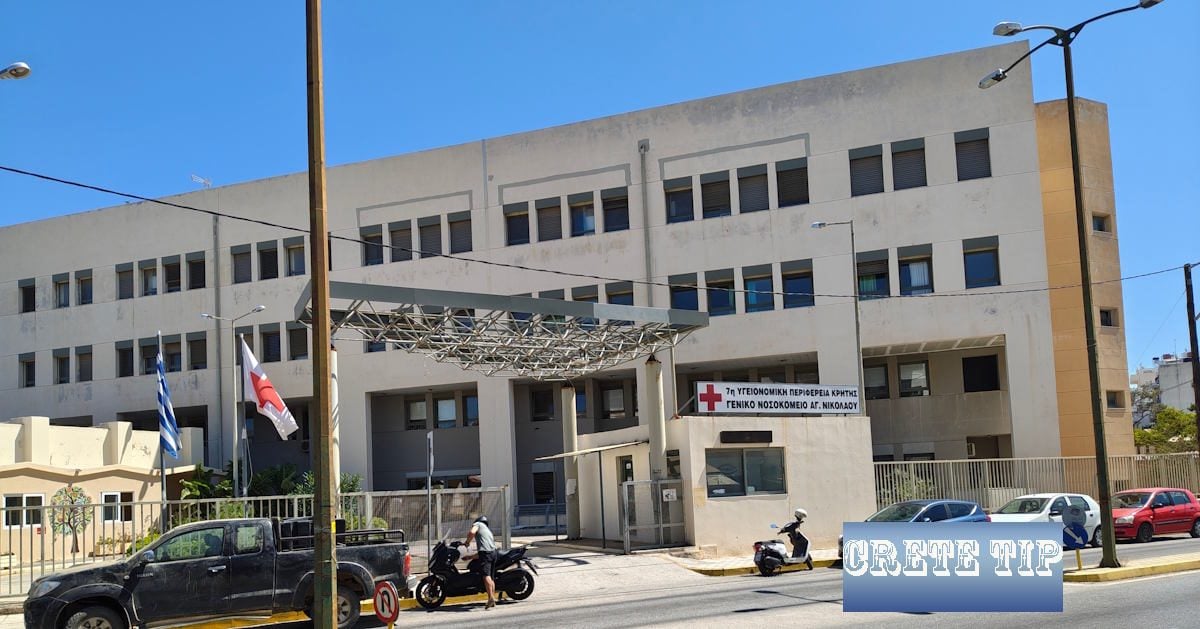
When you move to Crete, you will be faced with a new healthcare system and will need to find out about your insurance options. EU citizens have access to Greece’s public healthcare system, EFKA, but many expats also consider private insurance, as public facilities often have long waiting times and language barriers.
It is advisable to familiarise yourself with how health insurance works on the island to avoid problems and receive the care you need.
The Greek healthcare system provides you with basic care through public insurance. The registration requirements and the choice between public and private care can seem confusing at first.
The rules vary depending on whether you are working, retired or self-employed in Crete.
This guide covers everything expats need to know about health insurance, how to obtain an AMKA number and the differences between public and private healthcare on the island. Here you will find information for pensioners, employees and families to help you make decisions about your health insurance in your new home.
Basics of the Greek healthcare system for expats

The Greek healthcare system, ESY, offers a mix of public and private care, which is also available to expats in Crete. Foreigners living on the island have access to various levels of care and need to familiarise themselves with the local social security providers.
Structure of the healthcare system
The ESY comprises around 130 hospitals and 200 primary care centres throughout Greece. Crete has several public hospitals and smaller health centres, which are particularly important in rural areas.
The Ministry of Health manages public healthcare and finances state institutions. There is also a private sector with its own clinics, practices and diagnostic centres.
This private provision has increased significantly in recent years. Primary care centres offer basic medical services.
For specialised treatment, patients often have to travel to larger cities such as Heraklion or Chania.
Importance of social security institutions
The most important social security institutions are EFKA (the central institution since 2017) and EOPYY (responsible for health services). IKA used to be the largest single institution, but it has been integrated into EFKA.
Anyone working in Greece registers with EFKA and receives an AMKA number. This social security number is the key to the healthcare system.
The employer automatically pays contributions that ensure access to medical care. EOPYY organises practical healthcare for insured persons.
This organisation selects approved doctors and hospitals. Self-employed persons pay their own contributions and can obtain insurance through EFKA.
Access to medical care in Crete
Expatriates in Crete have several ways of accessing the healthcare system. EU citizens can temporarily use public services with the European Health Insurance Card.
However, for permanent residence, they need an AMKA number. The public hospitals in Heraklion, Chania and Rethymno are the main points of contact for major medical problems.
Smaller towns have health centres for basic care. Waiting times in public facilities can be long.
Private clinics offer faster service with modern equipment. A visit to the doctor there costs between €60 and €150.
Many expats use both systems: public care for standard treatments and private doctors for urgent cases or specialists.
Compulsory health insurance and registration processes in Crete
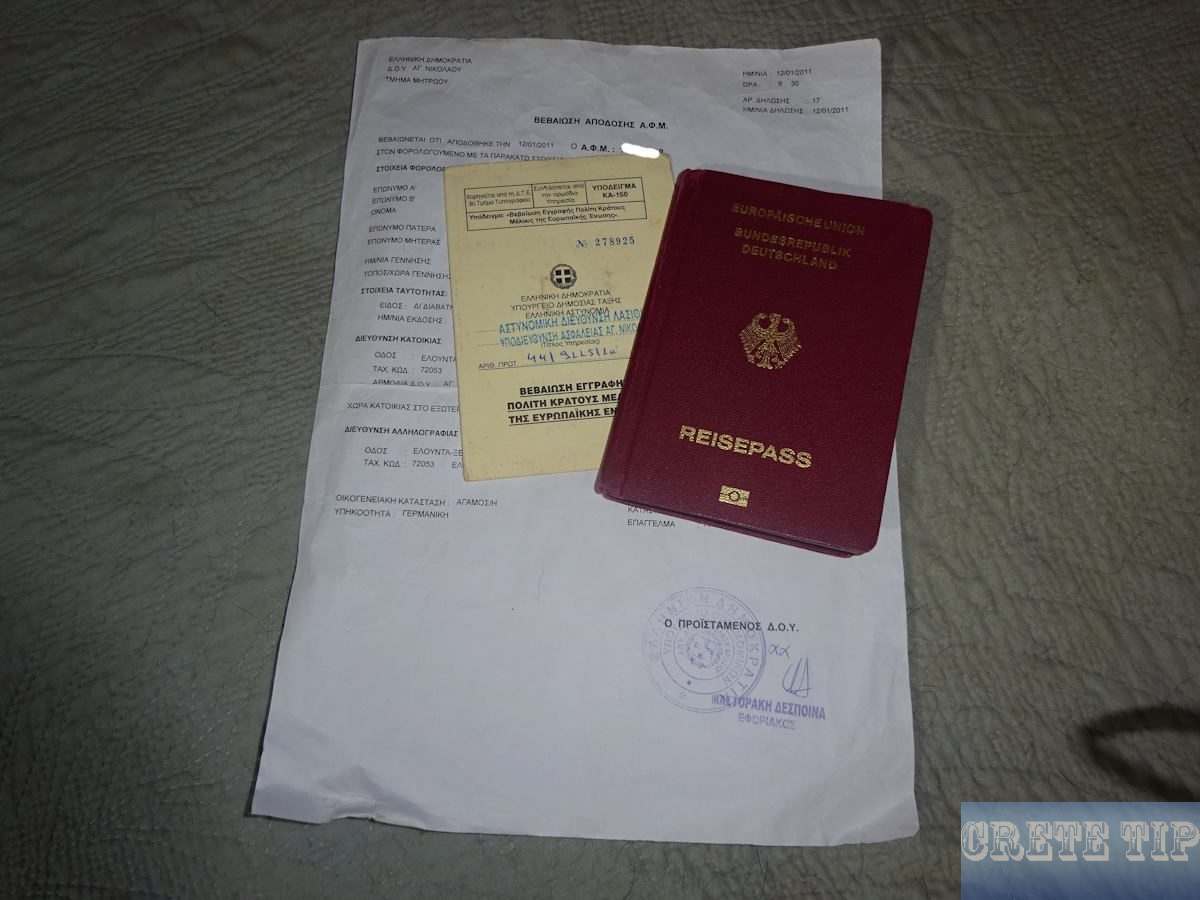
Anyone living in Crete must officially register and apply for important numbers. The AFM and AMKA are central requirements for access to health insurance.
Residence registration and reporting requirements
Expatriates must register with the local municipality within three months of arrival. This registration is the first step for all further administrative procedures.
EU citizens need a valid identity card or passport. After registration, you will receive a residence certificate.
Those who stay permanently can consider applying for Greek citizenship in the long term. If you stay for more than 183 days per year, you are considered a resident for tax purposes.
In this case, health insurance is mandatory. Anyone who earns income in Crete must also take out insurance.
After registration, the local authority will issue a registration confirmation. This document is required for many further steps.
Obtaining the AFM and AMKA
The AFM is the Greek tax number. It is applied for at the relevant tax office.
Expatriates need this number for all financial and official matters. Your passport and registration confirmation are required to apply.
Processing usually takes only one day. The AFM is free of charge.
The AMKA is the social security number for the health system. It can be applied for online via the Ministry of Labour portal or at the local authority.
Without an AMKA, access to the state health insurance scheme EOPYY is not possible. The AFM is often applied for before the AMKA, as it is required to apply for the latter.
Social security number and access to the health system
With the AMKA, expats can register with the EOPYY. This state organisation manages healthcare in Greece.
Registration can be done online or in person at an EOPYY office. Self-employed persons and employees pay into the EFKA.
This social security institution covers pensions and health insurance. Contributions are based on income.
Those who are not working can take out voluntary insurance. The costs are around €60 to €150 per month.
Pensioners from EU countries can use the S1 form. This means that their home health insurance fund will cover the costs.
The AMKA provides access to health centres and public hospitals in Crete. It is valid for life and must be presented at every doctor’s appointment.
Health insurance options for expats
https://www.youtube.com/watch?v=GQAFQsjJ-aQ
Expatriates in Crete can choose between the Greek healthcare system, private insurance or international solutions. Each option comes with different benefits and costs, which should be tailored to your individual situation.
Statutory health insurance in Greece
The state health system in Greece is administered by EOPYY (National Organisation for Healthcare Services). EOPYY has merged the former IKA and OGA health insurance funds.
Anyone working in Greece automatically pays into EOPYY. Contributions are deducted directly from your salary.
Self-employed persons register with EOPYY themselves and pay their contributions themselves.
EOPYY benefits:
- Doctor’s visits in public hospitals
- Emergency care
- Medicines with co-payment
- Basic dental treatment
Waiting times in public institutions can be long. Not all treatments are fully covered.
Many medicines must be paid for in part by the patient. EU citizens can use the European Health Insurance Card (EHIC) for temporary stays.
However, this card only covers emergency treatment and does not replace full insurance for permanent residence.
Private health insurance in Crete
Private health insurance offers faster access to medical services. Private patients can choose their own doctors and have shorter waiting times.
Greek private insurance costs between €50 and €200 per month. The price depends on age, health status and desired services.
Younger and healthier people pay significantly less. Advantages of private insurance:
- Short waiting times
- Free choice of doctor
- Treatment in private clinics
- Better rooms during hospital stays
- More comprehensive dental treatment
Some expats combine EOPYY with supplementary private insurance. This means they are covered for emergencies and still have access to better care.
International and foreign health insurance
International health insurance covers treatment in several countries. This is particularly suitable for expats who still have contacts in the United Kingdom or travel frequently.
German providers such as Care Concept offer insurance for expats. They provide service in British English and are very familiar with the wishes and concerns of British expats.

Important differences:
| Type of insurance | Term | Validity | Costs |
|---|---|---|---|
| Travel health insurance | Up to 12 months | Temporary | €30-80/month |
| International health insurance | 1-5 years | Long term | €80-150/month |
| International health insurance | Unlimited | Worldwide | €150-400/month |
Travel health insurance is only sufficient for short stays. Anyone living permanently in Crete needs expatriate health insurance or international health insurance.

Such insurance policies can often be taken out without a UK residence. They offer flexible terms and adapt to new life circumstances.
Families can usually be insured together. This often saves a noticeable amount of money.
Focus: Health Insurance for British Citizens in Crete
Here’s what you need to know especially about health insurance as a British citizen in Crete:
For Tourists & Short Stays
GHIC (Global Health Insurance Card)
– Post-Brexit, UK citizens can use the GHIC (replaced the EHIC)
– Provides access to Greek state healthcare at reduced cost or sometimes free
– Covers necessary medical treatment during temporary stays
– Not a substitute for travel insurance – doesn’t cover repatriation, private care, or all costs
Travel Insurance
– Highly recommended for all visitors
– Covers medical emergencies, repatriation, and cancellations
– GHIC + travel insurance = comprehensive coverage
For Residents & Long-Term Stays
If Working in Greece
– Contribute to Greek social security (IKA)
– Access to public healthcare system
– Need to register with local healthcare authorities
If Retired/Not Working
– Need private health insurance or demonstrate comprehensive coverage
– Some retirees may access Greek healthcare through bilateral agreements
– Requirements vary based on residency status
Private Health Insurance Options
– International providers (Cigna, Allianz, Bupa Global)
– Greek private insurers
– Costs vary: typically €1,000-€3,000+ annually depending on age and coverage
Healthcare in Crete
– Public hospitals: Available in major cities (Heraklion, Chania, Rethymno)
– Private clinics: Widely available, often preferred for faster service
– Pharmacies: Well-stocked and pharmacists are knowledgeable
Recommendations
1. Get GHIC before traveling (free from NHS)
2. Always purchase comprehensive travel insurance
3. If relocating, research private insurance options early
4. Register with local authorities upon establishing residency
Would you like specific information about any of these options?
Health insurance for special groups
Pensioners, families, self-employed persons and digital nomads all have their own requirements for health insurance in Crete. Each group must observe certain regulations in order to obtain suitable insurance cover.
Regulations for pensioners and retirees
Pensioners from Germany and Austria can take their insurance cover with them to Crete using the S1 form. They apply for the document from their local health insurance company and then submit it to the Greek insurance provider EFKA.
Form S1 gives pensioners access to the Greek healthcare system. The German or Austrian health insurance company continues to pay.
The European Health Insurance Card (EHIC) is only valid for short stays, not for permanent residence.
Swiss pensioners sometimes remain insured with their Swiss health insurance fund. However, they should check carefully whether the social security agreement between Switzerland and Greece covers their situation.
Many pensioners also take out private insurance. This covers services that are not covered by the state system, such as private clinics or dentures.
Insurance for families and the self-employed
Families with children need comprehensive cover in Crete. Health insurance for expats should include all family members, as well as preventive medical check-ups for children and vaccinations.
Self-employed persons register themselves with the EFKA. Contributions depend on income and range from €200 to €400 per month.
You can choose between the state system and private providers. For many self-employed persons, private international health insurance is worthwhile because it offers faster access to specialists and shorter waiting times.
The cost of such policies varies between €150 and €350 per person, depending on the benefits. Families should check whether their insurance also covers emergencies abroad.
Supplementary insurance for repatriation is advisable, especially if children are involved.
Special information for digital nomads
Digital nomads often work remotely for companies outside Greece. They are not automatically covered by the Greek insurance system if they do not have a work permit.
The most practical option is international health insurance that is valid worldwide. These policies cost between €100 and €250 per month and cover treatment in several countries.
Anyone staying in Crete for more than 90 days must officially register. From then on, insurance is compulsory.
The EHIC is no longer valid from this point onwards, as it only applies to temporary stays. Digital nomads should choose insurance that has no geographical restrictions.
Many providers offer flexible rates for people who change location frequently.
Services, care and differences between public and private healthcare
The healthcare system in Crete consists of two parallel care structures. There are significant differences in the scope of services, waiting times and access.
Public healthcare through EOPYY covers basic medical services. Private providers often offer shorter waiting times and more services.
Public healthcare services
The state health insurance scheme EOPYY offers expats in Crete basic care with the most important medical services. These include doctor’s visits, hospital stays, medication and maternity care.
Insured persons can use the state health insurance fund’s medical centres or go to registered doctors. However, there are not many contracted doctors, which leads to long waiting times.
Important services in the public system:
- Outpatient treatment by general practitioners and specialists
- Inpatient stays in state hospitals
- Prescription medication with co-payment
- Maternity care and obstetrics
- Emergency care
Public hospitals in Crete sometimes struggle with staff shortages. The quality of medical care is usually good, but expats must expect longer waiting times.
Advantages and differences of private healthcare
Private health insurance in Crete allows for significantly faster access to medical services. Standards in the private sector are high and usually on a par with those in Western Europe.
Private doctors offer short-term appointments without long waiting times. The equipment in private clinics is modern and comprehensive.
There are virtually no staff or material shortages there.
Main differences between public and private:
| Feature | Public | Private |
|---|---|---|
| Waiting time | Often several weeks | Short notice, often on the same day |
| Facilities | Some bottlenecks | Modern and complete |
| Costs | Covered by EOPYY | Self-payment or private insurance |
| Appointment scheduling | Limited availability | Flexible scheduling |
Since the last healthcare reform, private clinics with an EOPYY contract have also been allowed to treat patients with statutory health insurance on an inpatient basis. This has improved care for many.
Access to specialists and clinics
Access to specialists differs significantly between the public and private sectors. In the public system, patients usually need a referral from their general practitioner.
The waiting time for an appointment with a specialist can be weeks. Many expatriates go directly to a private doctor for acute complaints.
No referral is necessary here. Appointments are often available on the same or next day.
Access to inpatient care:
State hospitals accept EOPYY-insured patients with a referral. Private clinics treat private patients or insured persons with the appropriate contract.
The emergency rooms of both systems are open to everyone. The network of hospitals and practices is quite dense in Crete.
Expatriates will find both public and private facilities in all larger towns. In rural areas, public healthcare usually dominates.
Practical tips and special features in Crete

Medical care in Crete varies depending on the region and facility. Expatriates should familiarise themselves with the local infrastructure, be prepared for language barriers and make provisions for emergencies.
Medical infrastructure in Crete
The quality of care depends heavily on where you live. Cities such as Heraklion, Chania and Rethymno have modern hospitals with good facilities.
Smaller towns usually only offer health centres with limited facilities. Pharmacies can be recognised by their green cross and can be found in all larger towns.
Many medicines are available without a prescription. Opening hours vary, but there is always an emergency pharmacy somewhere.

Important points of contact:
- State hospitals: Free for insured persons, but waiting times are often longer.
- Private clinics: Fast treatment, but direct payment is required.
- Health centres (Kentro Ygeias): Responsible for basic care in smaller towns.
Private clinics now also accept patients with statutory insurance. Billing is handled by OGA or other providers.
Clarifying in advance which facilities accept your insurance will save you trouble in case of doubt.
Language, communication and regional differences
Many doctors in Crete speak English, especially in tourist areas. You can even find German-speaking doctors, particularly in Heraklion and Chania.
Outside the cities, communication becomes more difficult. In rural areas, older doctors who only speak Greek often work.
A translation app or a Greek-speaking friend can be invaluable in such situations. It is definitely worthwhile for expats to learn basic Greek phrases.
The availability of specialists varies greatly from region to region. Those who require specialised treatment often have to travel to the city.
Waiting times for specialist appointments in the state system can be lengthy. Several weeks are not uncommon.
With Greek citizenship, expats have the same rights as locals. You can choose your own GP and have full access to the system.
Emergencies, repatriation and additional insurance

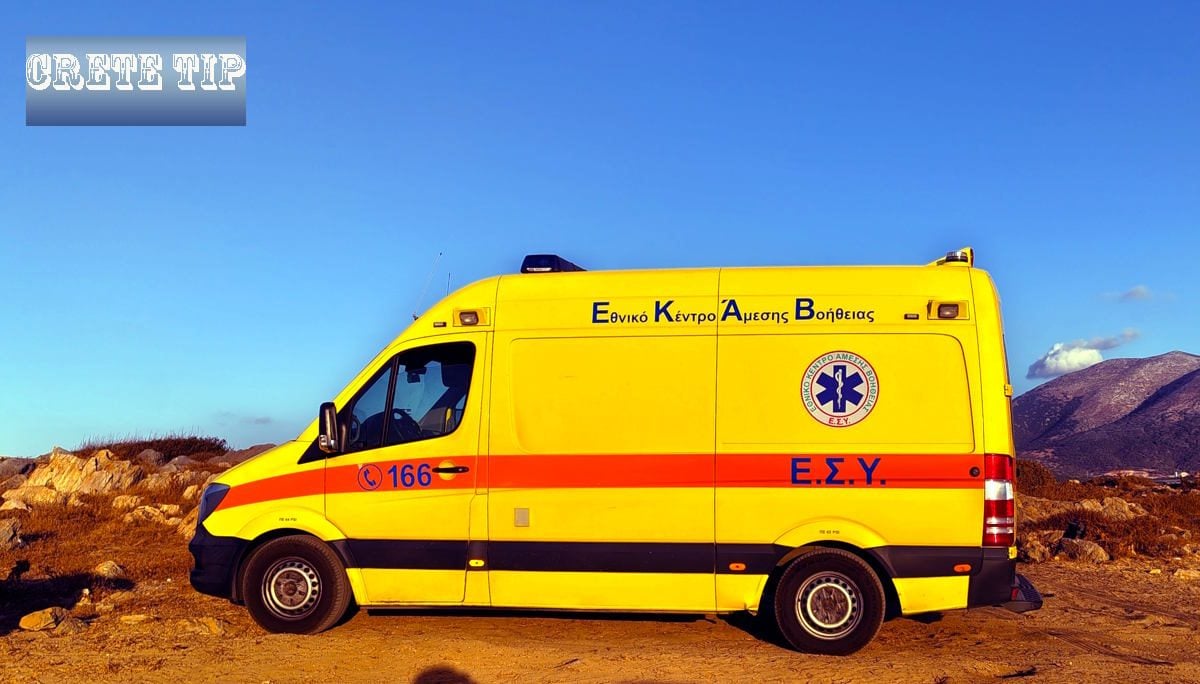
The Europe-wide emergency number 112 works everywhere in Crete. The ambulance service is well organised, but in remote mountain areas it can sometimes take longer to arrive.
The staff usually speak English. Travel health insurance or private supplementary insurance is recommended for expats.
It covers treatment in private clinics and important services such as repatriation. The state insurance does not cover such costs.
Repatriation to the UK can be really expensive. The costs can quickly run into five figures.
Private insurance companies organise the transport and cover the costs in full.
Important precautions:
- Always carry your European Health Insurance Card with you.
- Make a list of doctors who speak German or English.
- Save emergency numbers in your mobile phone.
- Have your medication list translated into Greek.
People with chronic illnesses should bring enough medication with them. It doesn’t hurt to have prescriptions translated into Greek.
German medications are not always available under the same name.
Frequently asked questions

As an expat in Crete, you face many decisions regarding healthcare. Registering in the system, finding the right insurance and dealing with old policies often raise questions.
What steps do I need to take to register with the Greek healthcare system when I emigrate to Crete?
Upon arrival, you first register with the local council and apply for a tax number (AFM). Without this number, almost nothing works in Greece.
With your tax number, you can then register with the social security agency EFKA. If you are employed, your employer will register you.
Self-employed persons and pensioners must take care of this themselves. To register, you will need your ID, tax number and proof of residence in Crete.
EU citizens have the right to access the state health system.
What should I know about health insurance options in Crete before I decide to emigrate?
There are two main options in Crete: the public system and private insurance. The public system is cheaper or sometimes even free, but you have to accept longer waiting times and less comfort.
Private insurance offers faster appointments, more choice and often better facilities. The costs depend on your age, state of health and the scope of services.
Many people combine both systems. They use the basic state care and take out additional private insurance.
There are also special insurance policies for expats from German providers. These often offer German-language service and are also valid outside Greece.
Which health services are free for expats in Crete, and for which do I need insurance?
In the public system, emergency treatment in state hospitals is free of charge for insured persons. Normal visits to registered doctors are also covered by basic care.
Many medicines are free or heavily subsidised. In most cases, you only pay a small co-payment of 10 to 25 per cent.
Dental treatment is only partially covered. You often have to pay for dentures or cosmetic treatment yourself.
Without insurance, you have to pay for everything out of your own pocket. Even in an emergency, you may receive a bill if you do not have valid insurance.
How does private health insurance differ from public healthcare in Crete for expats?
Public healthcare is accessible and affordable for all insured persons. However, waiting times for appointments with specialists can be long.
The facilities in state hospitals are usually functional, but not always modern. Private insurance provides access to private clinics and doctors.
Appointments can usually be made quickly. The premises are more comfortable and the treatment more personal.
Private insurance costs significantly more than the state system. In return, there is more flexibility and shorter waiting times.
There are sometimes language barriers in the public system. Private facilities often have multilingual staff.
As an expatriate, can I continue to use my home health insurance in Crete, or do I have to switch to a local insurance company?
The European Health Insurance Card (EHIC) is only valid for temporary stays. Those who live permanently in Crete can no longer use it.
German statutory health insurance companies do not usually cover permanent emigration.
Once you deregister in Germany, your insurance cover usually ends.
Some private health insurance companies in Germany offer worldwide cover. It is worth checking the terms and conditions of your policy carefully and informing your insurer about your move.
In the long term, it is usually better to take out local insurance in Greece. It is adapted to the system and there is less stress when it comes to reimbursement.