The best day-trip destinations from Elounda and Agios Nikolaos: beaches, monasteries and villages along Crete’s most beautiful routes, with something for everyone.

Elounda and Agios Nikolaos are situated in the north-east of Crete. Both towns are perfect starting points for day trips.
From here, you can reach beaches, monasteries, gorges and villages, each with its own story to tell. The region truly offers enough variety to fill an entire holiday.
We have put together a selection of day trip routes that cater to different interests and combine several destinations in a single journey. Whether you’re hiking through dramatic gorges, swimming in hidden coves or exploring ancient monasteries – every route takes you to places you won’t forget in a hurry.
Some trips are relaxed, others a bit more challenging. You can reach most destinations in less than an hour’s drive from Elounda or Agios Nikolaos.
This leaves more time for exploring and less time in the car. We’ll show you how best to plan your days and what awaits you along the way.
1) Kremaston Monastery

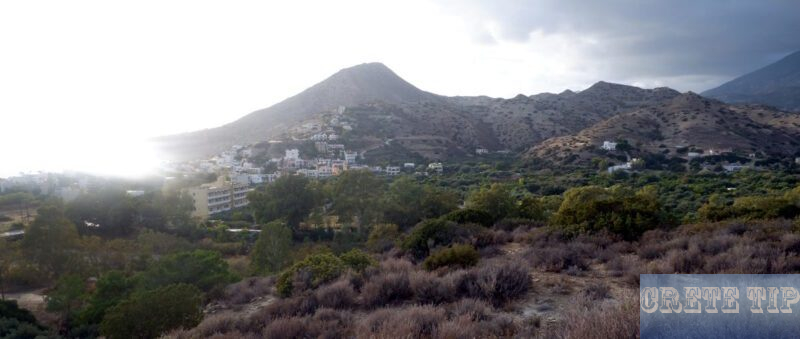
The Kremaston Monastery is situated in the mountains, about 30 minutes south of Agios Nikolaos. Anyone interested in religious history will find plenty to enjoy here.
We drove through olive groves and small villages before reaching the whitewashed monastery. The complex dates back to the 15th century and houses a beautiful collection of religious icons and frescoes.
The monastery is still active, so you should wear appropriate clothing – no bare shoulders or shorts. We were surprised by the small museum inside, where you can see old manuscripts and ecclesiastical vestments.
The view from up here is fantastic. On clear days, you can see as far as Mirabello Bay.
The monks sell homemade olive oil and honey, in case you’re looking for a souvenir. The drive there is quite winding, but that’s part of the charm.
We recommend a visit in the morning, when it’s not too hot yet and there are fewer tourists around. There’s no entrance fee for the monastery, but a small donation is welcome.
Rating: 4.8 (564 reviews)
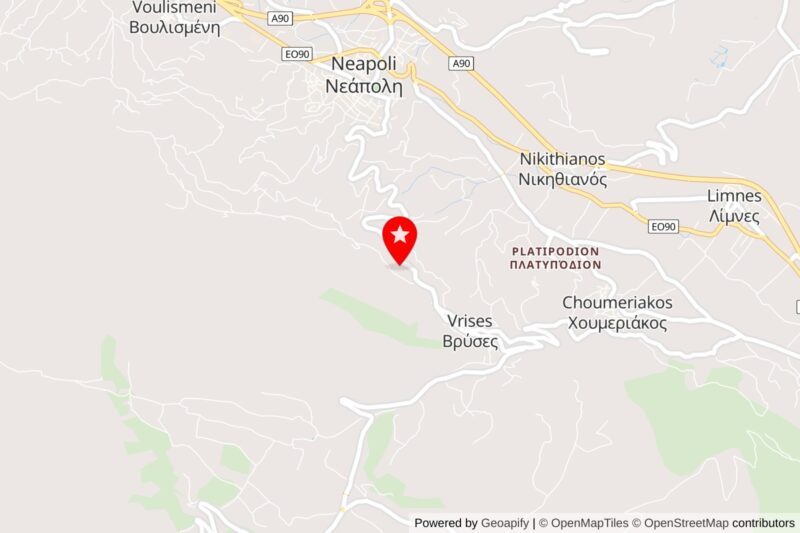
Location: Neapoli 724 00, Greece
More info: Neapoli and surroundings
2) Richtis Gorge
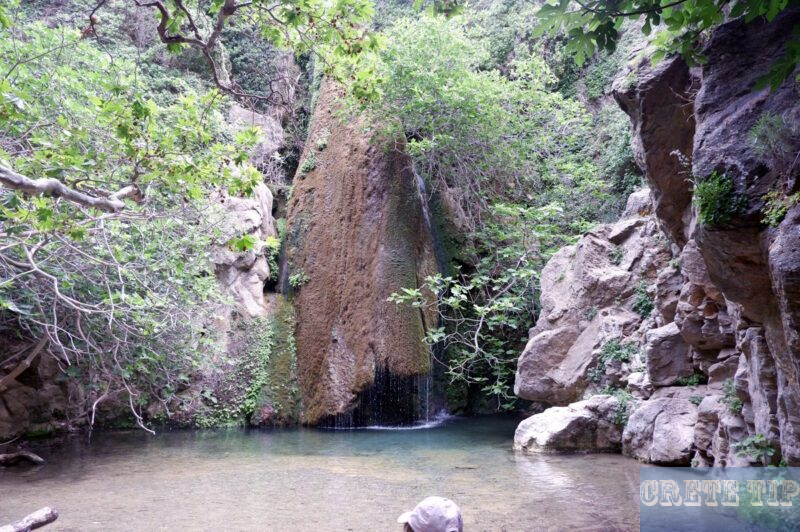
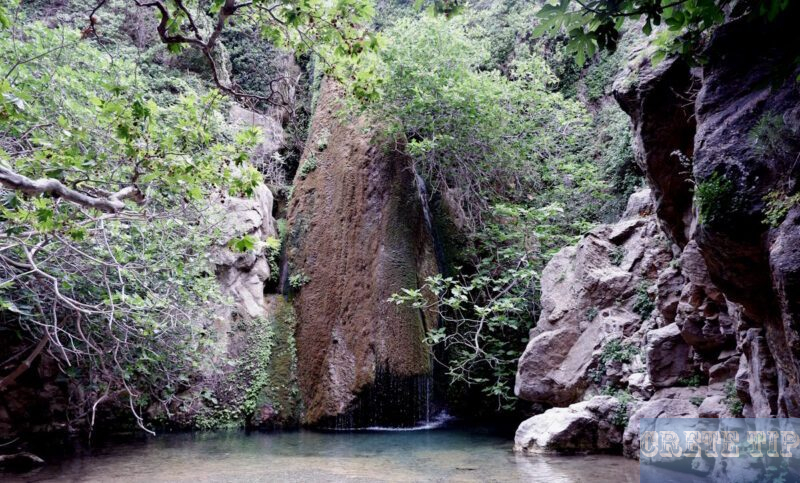
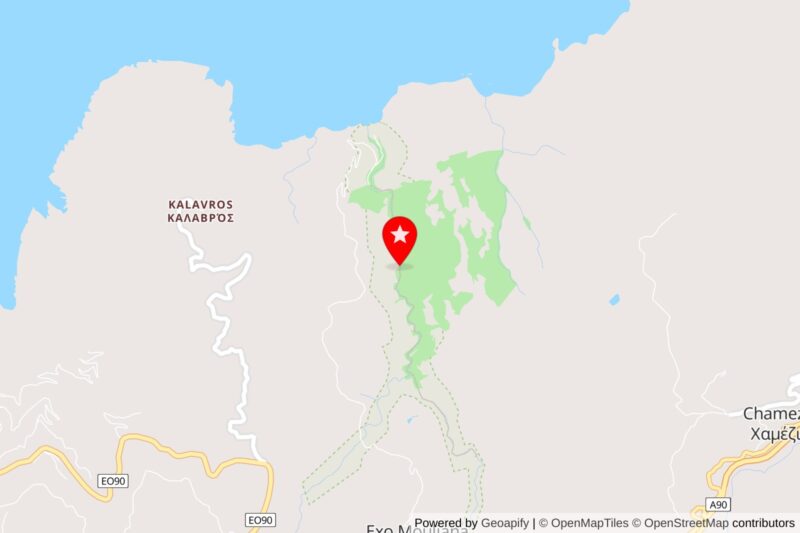
The Richtis Gorge is located about 45 minutes from Agios Nikolaos. Anyone who has had enough of beach life will find a welcome change of scenery here.
We hiked the roughly 4-kilometre-long path through the gorge. Sturdy shoes are a must, as the path is stony and slippery in places.
The waterfall at the end of the gorge is the highlight. The water plunges about 20 metres into the depths, forming a small pool.
In spring and after rainfall, the waterfall is particularly impressive. In summer, however, it can be quite small.
The hike takes about 2–3 hours there and back, depending on how many breaks you take. Along the way, we saw lots of different plants and even spotted a few turtles in the stream.
Take some water and a snack with you; there are no shops along the way. The trail ends at Richtis beach, where you can go for a swim after the hike.
From there, you can either walk back the same way or arrange to be picked up at the beach. We recommend setting off early in the morning, especially in summer, as it gets hot quickly in the gorge.
Rating: 4.7 (2,225 reviews)
Location: ΕΟ Αγίου Νικολάου Σητείας 221, Exo Mouliana 720 57, Greece
More info: Richtis Gorge
3) Plaka Beach

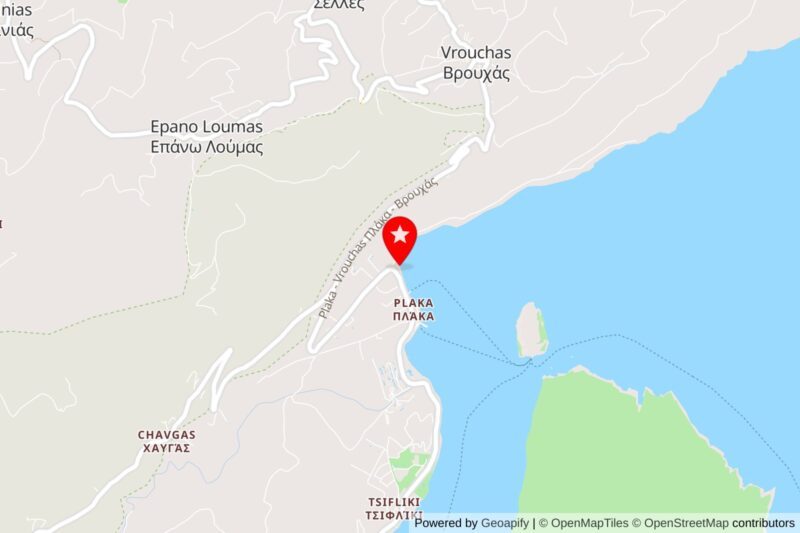
We drove from Elounda to Plaka Beach. The beach is located just past the village of Plaka and has a large free car park behind it – which saves a lot of hassle.
The water is crystal clear and really invites you to go for a swim. The beach consists of large, round, whitish pebbles.
Water shoes are definitely worth it here, otherwise getting into the water quickly becomes uncomfortable for your feet. There are several wooden jetties to make swimming easier.
Sun loungers and parasols are available to hire. Two loungers and a parasol cost between 10 and 15 euros, depending on the provider – it’s worth checking the price tags.
However, you can also use the beach for free, as all beaches in Greece are freely accessible. Some areas offer showers, changing rooms and toilets, but these are usually for customers only.
The beach is pleasantly quiet and rarely crowded. The sun loungers are spaced a safe distance apart, which we found very pleasant.
Rating: 4.5 (5,241 reviews)
Location: Πλάκα, Vrouchas 720 53, Greece
More info: Agios Ioannis Peninsula
4) Archaeological Museum of Agios Nikolaos

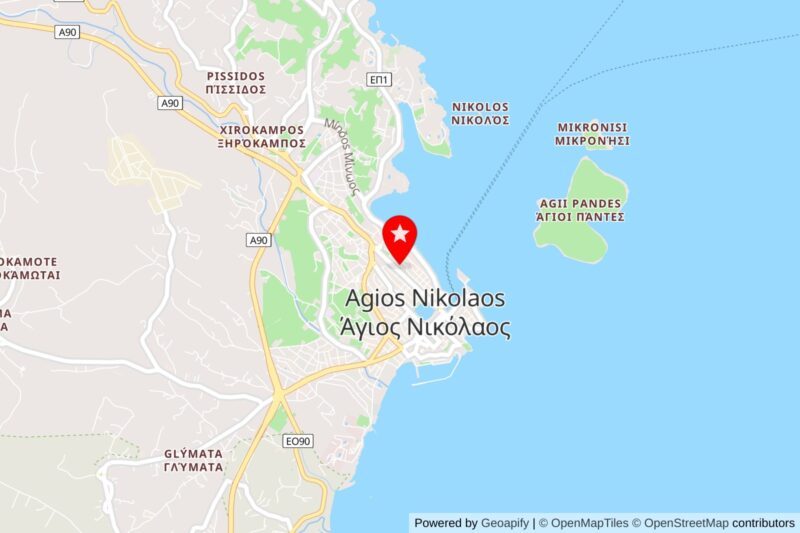
The Agios Nikolaos Archaeological Museum is just a few minutes’ walk from the town centre. It is ideal for a quick stop, especially in bad weather.
The collection comprises over 1,500 artefacts from across the eastern Crete region, from Malia to Zakros. We saw objects from various periods – from the Neolithic Age to the end of the Roman period.
The exhibits are arranged chronologically, which makes following the history quite enjoyable. We were particularly impressed by the oldest gold and bronze finds from Crete.
The museum opened in 1969 and showcases truly significant archaeological discoveries from the region. Currently, there are only temporary exhibitions as the building is undergoing renovation.
A visit takes about an hour, and the admission prices are reasonable. It’s usually quiet in the mornings, and the air conditioning works well – something you really appreciate during the Cretan summer.
Rating: 4.4 (548 reviews)
Location: 74 Kon/nou Paleologou, Ag. Nikolaos 721 00, Greece
More info: Agios Nikolaos
5) Milatos Cave

Milatos Cave is located about 30 minutes from Agios Nikolaos. It combines natural beauty with a sombre history.
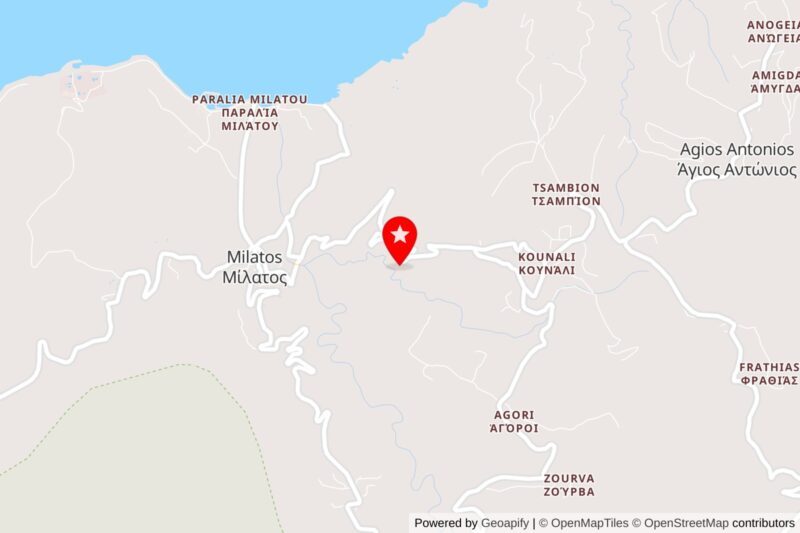
We drove through the small village of Milatos and then followed the signs uphill to a car park. From there, it is only about a 10-minute walk to the cave.
The cave is impressively large, with high ceilings and several chambers carved into the rock. Inside stands a small white chapel commemorating a tragic event from 1823.
At that time, local residents sought shelter from Ottoman troops in the cave. The atmosphere is respectful and quiet – it’s quite moving.
The path to the cave isn’t particularly difficult, but sturdy shoes are advisable as it can get slippery in places. A torch is useful if you want to explore the darker areas.
Entry is free, which, to be honest, surprised us. The whole visit, including the walk there and back, took us about an hour.
The cave can easily be combined with a detour to the nearby beach at Milatos. After exploring, we went there for a refreshing dip.
Rating: 4.5 (1,855 reviews)
Location: Path to Milatos Cave, Vrachasi 724 00, Greece
More info: Milatos Cave
6) Moní Faneroménis

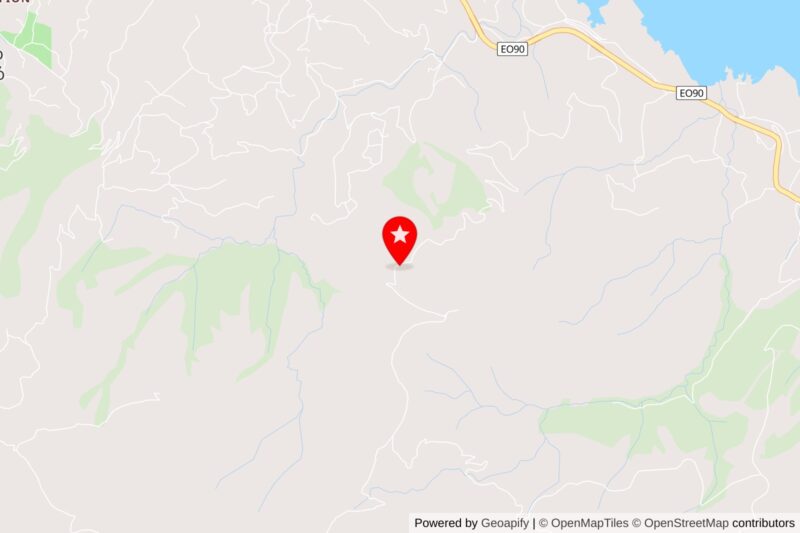
The Faneroméni Monastery towers over the Minoan settlement of Gournia like a well-kept secret in the mountains. We found it at an altitude of around 540 metres above sea level on a hillside south-west of Pacheia Ammos.
The drive from Agios Nikolaos takes about 30 minutes.
What struck us immediately: the monastery stands directly in front of a rock face. The main church is actually situated in a cave.
This unusual location makes the place particularly fascinating.
The buildings date mainly from the 19th and 20th centuries. The monastery itself, however, is much older – it already existed in the Middle Ages.
Monks still live here today, which lends the whole place an authentic atmosphere. During the Turkish rule, a secret school operated here; the old school building can still be visited.
The fortress-like complex is built around a narrow inner courtyard and measures approximately 50 by 25 metres.
On 15 August, the great Feast of the Assumption takes place. On this day, many believers make a pilgrimage here on foot to fulfil their vows.
We would recommend visiting outside of this period, when it is quieter.
Rating: 4.8 (542 reviews)
Location: Faneromeni, Ierapetra 722 00, Greece
More info: Isthmus of Crete
7) Domes of Elounda, Autograph Collection

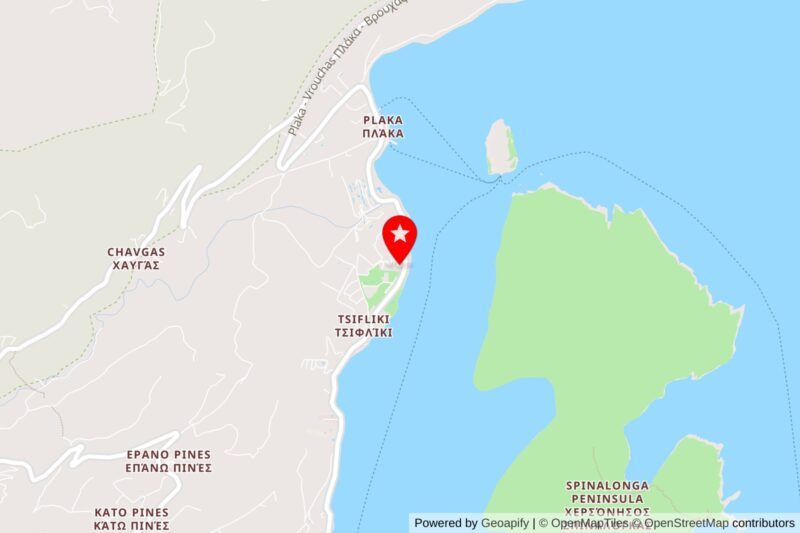
We visited the Domes of Elounda and were immediately impressed by the elegant complex right by the sea. The hotel is located in Schisma Elountas, just a few minutes from Elounda.
The view of the Mediterranean is truly beautiful.
The resort offers four different restaurants. We found there to be a good selection of dishes.
The outdoor pool was clean and well-maintained. The private beach is a major plus, especially if you’re looking for peace and quiet.
The rooms are modernly furnished and offer plenty of comfort. We found the rooms to be bright and welcoming.
Most rooms have sea views – waking up in the morning to see the sea is something special.
Even if you’re not staying at the hotel, you can still spend a lovely day here. The Domes of Elounda is part of the Marriott Autograph Collection and offers upmarket service.
For a day trip, you can enjoy a good meal there or simply soak up the atmosphere.
Rating: 4.8 (1,112 reviews)
Location: Tsifliki, Schisma Elountas 720 53, Greece
More info & bookings: Visit website
8) Toplou Monastery

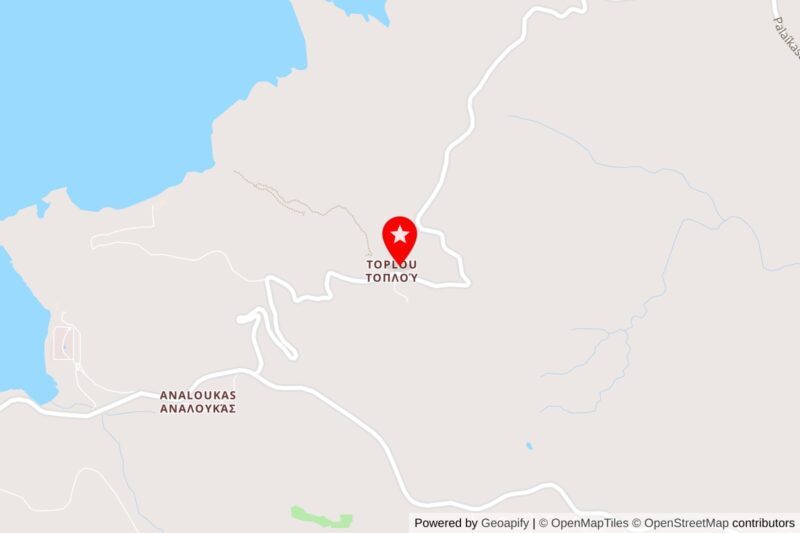
Moni Toplou Monastery is situated in the far east of Crete and looks like a small fortress. Thick stone walls protect the monastery, which was built in the 14th century.
The monks needed these walls because pirates used to frequently try to raid the monastery.
We were impressed by the two-storey bell tower. There are flower pots all over the courtyard.
The monastery has a small shop where we were able to buy olive oil and wine. The monks produce these goods themselves.
In the monastery’s museum, we saw old icons dating from the 15th to the 19th century. One particular icon depicts Jesus as the Pantocrator and was painted by a famous Cretan artist.
The church also has old murals dating from the 14th century. These paintings tell stories of Jesus and Mary.
The monastery played an important role during the Turkish occupation of Crete. The monks helped in the struggle for freedom, which is why the monastery was destroyed several times.
Today it stands once more and is a peaceful place to visit.
Rating: 4.4 (3,575 reviews)
Location: Toplou 723 00, Greece
More info: Toplou Monastery
9) Holy Trinity Tzagaróli Monastery
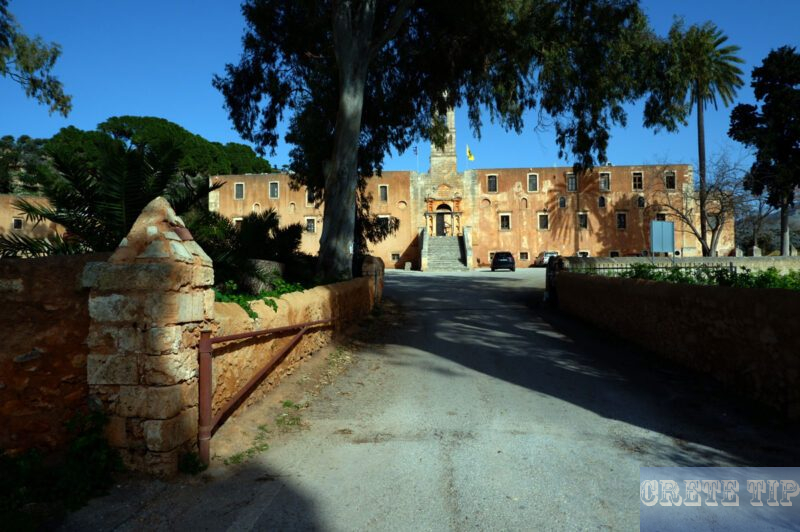
The Holy Trinity Tzagaróli Monastery (or Moni Agia Triadha) is situated on the Akrotiri Peninsula near Chania, about a two-and-a-half-hour drive from Elounda. We found the 17th-century Byzantine monastery completely hidden amongst olive trees and vineyards.
The monks still live and work here today. This gives the place a special atmosphere.
We were able to walk through the old rooms and visit the small museum housing religious artworks.
The interior of the church is adorned with impressive frescoes. Some of them are in really good condition.
The courtyard is quiet and peaceful, perfect for taking a break from the hustle and bustle. We sat on a bench there for a few minutes and simply enjoyed the silence.
The monks also sell homemade olive oil and wine, in case you’re looking for a souvenir.
The trip is particularly worthwhile if you combine it with a visit to Chania. We recommend bringing modest clothing, as it is an active monastery.
Opening hours may vary. It’s best to ring ahead.
Rating: 4.7 (5821 reviews)
Location: Akrotiri, Chania 731 33, Greece
More info: Akrotiri Peninsula
10) Samaria National Park
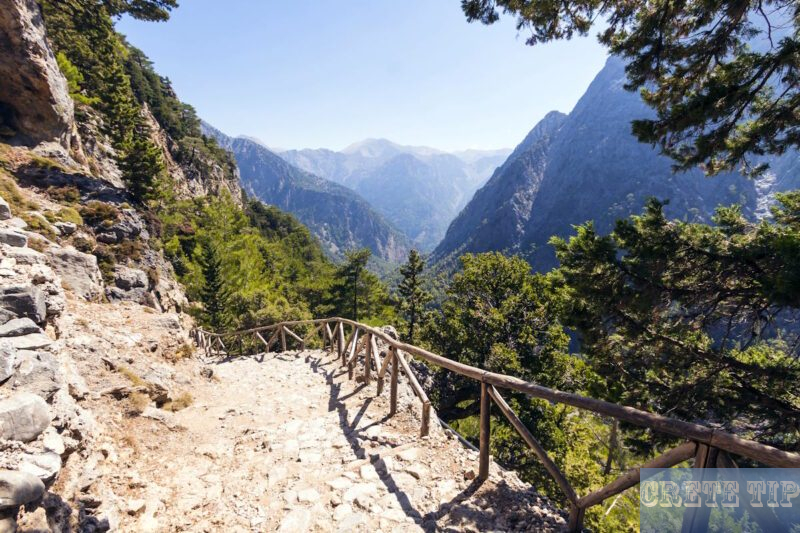
We visited Samaria National Park. It’s the longest day trip from Elounda, but if you’re fit and love adventure, it’s definitely worth the journey.
The drive takes about two and a half hours westwards through the mountains. The Samaria Gorge is considered one of the most famous hikes in Europe.
The gorge itself is 16 kilometres long. It runs through the White Mountains National Park to the Libyan Sea.
We set off early in the morning from the Omalos Plateau and hiked down through the spectacular gorge.
At its narrowest point, the ‘Iron Gates’, the gorge is only about four metres wide. The rock faces rise 300 metres high there.
Allow a full day for this trip. The hike takes around five to seven hours, depending on your pace.
At the end, the village of Agia Roumeli awaits. We rewarded ourselves there with a refreshing dip in the sea before taking the ferry back.
Important: Wear sturdy hiking boots and bring plenty of water. The park is usually open from May to October, but this depends on the weather.
We recommend checking the website beforehand to see if the gorge is open.
Rating: 4.7 (3,556 reviews)
Location: Sfakia 730 11, Greece
More info: Samaria Gorge
Best times to visit and tips for relaxing day trips

Crete shows its sunny side almost all year round. However, some months are better suited for excursions than others.
Proper transport planning often makes the difference between a relaxing day and a sweaty adventure.
Weather in Crete: sun cream or rain cape?
From May to October, we can look forward to fairly reliable sunny weather. In the height of summer, temperatures can easily reach 30 to 35 degrees.
April and May are ideal for hikes to archaeological sites. Wildflowers are blooming everywhere, and we don’t break into a sweat at the mere sight of a flight of stairs.
Temperatures remain pleasant, between 20 and 25 degrees. For most people, that feels just perfect.
June to August brings the full heat. It’s best to set off early and chill out on the beach between 1 pm and 4 pm rather than exploring monasteries.
You simply can’t do without a water bottle.
September and October offer glorious days for all sorts of activities. The sea remains warm, the air is mild, and the tourist crowds thin out.
This is the best time for leisurely village tours.
From November to March, it rains more often. At that time, it makes more sense to visit museums and churches than to lie on the beach.
What’s the quickest way to get to your adventure? Transport options explained
Hiring a car is our top recommendation for day trips. It keeps us flexible, allows us to stop spontaneously and means we don’t have to worry about bus timetables.
Incidentally, the roads around Elounda are quite well developed.
Local buses run regularly to Heraklion, Sitia and the larger beaches. Tickets cost between 2 and 8 euros per journey.
However, we have to set off early and return early, as there are fewer buses in the evening.
Organised tours take care of the planning for us. A coach picks us up at the hotel and takes us to several destinations.
This works well for Knossos or the Lassithi Plateau.
Taxis or private drivers are more expensive, but save time. This is often worth it for groups of four people.
We can even negotiate waiting times whilst we visit a church.
Scooters are suitable for short distances along quiet stretches of coast. In the mountains, travelling by scooter quickly becomes tiring.
What you need to know on the road to travel like a Cretan pro

Crete has its own rhythm. If you know a few insider tips, you can avoid awkward moments and enjoy the island much more.
Snacks, souvenirs & siestas: practical tips for when you’re out and about
Lunchtime is sacred in Crete. Between 2 pm and 5 pm, many shops, museums and even archaeological sites close.
The Greeks take their siesta seriously, so it’s best to plan your visits for the morning or late afternoon.
Always pack water and some small snacks. Especially on remote routes to monasteries or mountain villages, there isn’t always a kiosk.
An apple, some biscuits or a few nuts will save you from a bad mood.
Cash is king in the villages. Many small tavernas, chapels with collection boxes and street stalls don’t accept cards.
We recommend always carrying 20–30 euros in small notes.
You’ll find the best souvenirs directly from the producers. Olive oil from the farmer, honey from the monastery shop or handmade pottery in the village are simply more authentic – and usually cheaper than in the tourist shops on the coast.
Respect for culture and nature: Dos & Don’ts for day trippers
Please take the dress code for churches and monasteries seriously. Shoulders and knees must be covered.
Many monasteries lend shawls at the entrance, but it’s better to be prepared. Flip-flops are fine, but swimwear is an absolute no-go.
Don’t just start snapping away in religious sites. Some allow photos, others don’t – ask beforehand or check the signs.
Don’t leave any rubbish behind. Crete is beautiful, but sometimes the infrastructure is lacking.
Take your empty water bottles and packaging with you until you find a bin. Especially on remote beaches, there often aren’t any.
Respect private property in the villages. Just because a gate is open doesn’t mean we can simply walk through.
The Cretans are hospitable, but nobody likes uninvited visitors in their front garden.
Frequently Asked Questions
From hidden beaches to ancient treasures – there’s so much to discover around Elounda and Agios Nikolaos. Here are the answers to the most burning questions about our favourite day trips in this beautiful corner of Crete.
Where can I let my inner Cretan beach bum run wild without straying too far from Elounda?
Plaka Beach is our top choice when we just want to laze in the sun. The beach is just a few kilometres north of Elounda and offers crystal-clear waters with views of Spinalonga Island.
We love to spend the whole day there. The beachside tavernas serve fresh fish whilst we laze about.
Are there any magical places in Crete where you can re-enact Indiana Jones without running the risk of being crushed by a giant stone ball?
Milatos Cave is perfect for our inner adventurer. This historic cave once served as a hideout for Cretans during the struggle for independence and has a moving history.
We can wander through the chambers without worrying about rolling boulders. The place is a bit gloomy, but that’s exactly what makes it so exciting.
The Richtis Gorge offers a different kind of adventure with a hike through lush greenery. At the end, a beautiful waterfall awaits us, perfect for a refreshing dip.
Which Cretan villages are so charming that I’d want to pop the question whilst wandering through the narrow streets?
Plaka is our absolute favourite for romantic moments. The small fishing village has narrow streets, colourful doors and a relaxed atmosphere that instantly enchants us.
We love sitting in the tavernas by the harbour and gazing out at the sea. Time seems to stand still there – perfect for escaping the daily grind.
Can you experience time travel near Agios Nikolaos without needing a DeLorean?
The Archaeological Museum of Agios Nikolaos takes us back to the Minoan era. There we see ancient treasures that are thousands of years old and get a sense of how people lived back then.
The exhibits range from pottery to jewellery. A leisurely tour takes about one to two hours.
The Milatos Cave also transports us to another era. Here we feel the history of the Cretan struggle for freedom very directly.
Are monasteries in Crete merely for devout murmuring, or can one experience genuine spiritual ‘wow’ moments there?
The Kremaston Monastery genuinely surprised us. The mountain setting is breathtaking, and the tranquillity there allows us to breathe deeply.
We don’t need to be devout pilgrims to enjoy the special atmosphere. The view alone is worth the visit, and the architecture is simply impressive.
The monks are friendly but reserved. We should wear appropriate clothing when visiting the monastery.
What works of art and cultural treasures should I not miss in Crete if I don’t fancy another day on the beach?
The Archaeological Museum of Agios Nikolaos showcases the finest collection of Minoan art in the region. There we discover the famous Goddess of Myrtos and many fascinating treasures from the Bronze Age.
The exhibition remains pleasantly manageable. No one is overwhelmed with information here; you simply take in what interests you.
At the Kremaston Monastery, we encounter religious art and ancient icons. The frescoes and Byzantine architecture allow us to experience a piece of Crete’s spiritual heritage.