
Newsflash from Wednesday, 15 July 2026:

Fuel Prices in Crete Set to Soar: Could Petrol Hit €2.20 Despite Summer Discount?
Motorists in Crete may face another expensive summer at the pump, as industry experts warn that petrol prices could climb as high as €2.20 per litre—even after the government’s recently announced fuel discount.
Discount Announced, But Impact Limited
The Greek government has introduced a temporary measure aimed at easing the burden on drivers during the peak travel season. The plan предусматри a discount of 10 cents per litre on unleaded petrol (95 octane) and 5 cents per litre on diesel, expected to remain in effect until the end of August.
While the initiative is designed to curb rising costs, officials have acknowledged that its effectiveness depends heavily on international market conditions. If global prices increase, the actual benefit seen at the pump could be significantly reduced.
Experts Warn of Further Increases
According to local fuel market representatives in Crete, the situation remains volatile. The president of the Rethymno Fuel Retailers Association noted that recent developments in the Middle East and ongoing pressures in the refining sector could drive prices even higher in the coming weeks.
He pointed out that even when international oil prices showed signs of decline, retail fuel prices did not follow suit. Instead, consumers continued to see increases, with petrol already exceeding €2 per litre in many areas.
“Under current conditions, prices could reach €2.20 per litre—and possibly more,” he warned, emphasizing that refinery pricing and supply constraints remain key factors.
Why Prices Remain High
Several elements are contributing to sustained high fuel prices. These include disruptions and damage to refineries in key regions, reduced diesel exports from Russia, and broader instability in global energy markets.
Additionally, local retailers argue that margins are tight, making it difficult to pass on meaningful reductions to consumers—even when small discounts are introduced.
Tourism and Daily Life Affected
The high cost of fuel is already impacting behavior across the island. Reports suggest that tourists are limiting car travel, often choosing to stay within resort areas rather than explore by vehicle.
For residents, the continued rise in fuel prices adds pressure to household budgets, especially during a season when transportation needs typically increase.
Uncertain Outlook for the Rest of Summer
Although the government’s discount offers some relief, the outlook for fuel prices in Crete remains uncertain. Much will depend on how global energy markets evolve in the coming weeks.
For now, drivers should prepare for continued volatility—and potentially even higher prices at the pump.
Fuel Alarm for European Aviation: Stocks Cover Less Than 30 Days of Demand
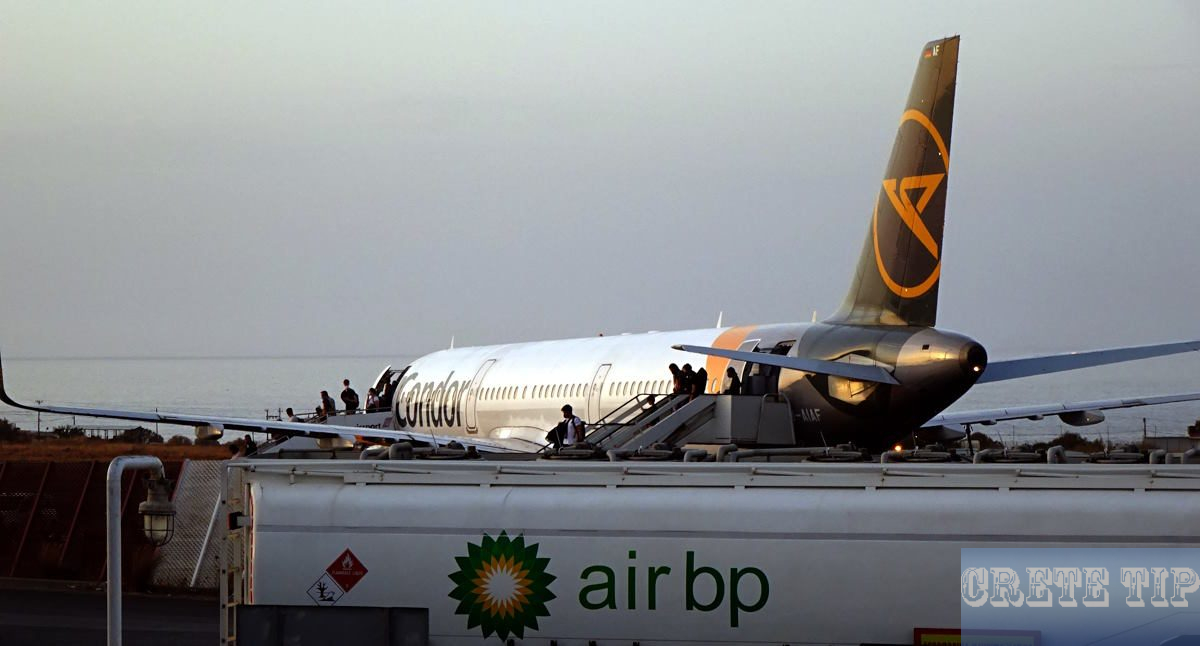
A growing concern is emerging across Europe’s aviation sector, as new data suggests that available jet fuel reserves may cover less than 30 days of demand—raising fears of potential supply disruptions during peak travel season.
Thin Safety Margin Raises Concerns
According to recent market analysis, Europe currently holds significantly lower aviation fuel reserves compared to other major regions. Estimates indicate that stocks stood at around 38 million barrels in early June—enough for fewer than 30 days of consumption.
By contrast, the United States maintains substantially higher reserves, highlighting Europe’s relatively fragile buffer.
Supply Risks Linked to Geopolitics
The situation is being exacerbated by renewed tensions in the Middle East, a key supplier of oil and refined products. Europe depends heavily on imports routed through critical chokepoints such as the Strait of Hormuz, through which a significant portion of global energy supplies pass.
Any disruption in these routes could quickly tighten supply, especially given Europe’s reliance on imports following the closure of several refineries over recent decades.
Demand Outpacing Supply
Analysts estimate that Europe could face a supply deficit of nearly 600,000 barrels per day during the third quarter. Meanwhile, other regions such as the United States and Asia are expected to maintain surpluses, further underlining the imbalance.
Although refinery output in Europe has increased and imports have risen—with supplies arriving from the United States, Asia, and even new partners like Canada—the margin for error remains extremely narrow.
Short-Term Relief, Long-Term Pressure
Recent data indicates that refinery production has increased by approximately 30%, while fuel inventories have also seen a modest year-on-year rise. However, experts warn that these gains are not sufficient to eliminate pressure on the system.
“We still expect some strain through August,” noted one industry analyst, pointing to sustained demand during the summer travel peak.
Contingency Plans Under Discussion
European authorities are closely monitoring the situation. The European Commission has acknowledged the risk of declining reserves and has indicated that coordinated releases from national stockpiles could be considered if necessary.
For now, Europe has managed to avoid a full-scale shortage by diversifying supply sources, including increased imports from Nigeria, India, Kuwait, and other regions.
A Critical Period for Air Travel
With millions of passengers traveling across Europe this summer, the aviation fuel situation remains a key issue for airlines and policymakers alike. Any further disruptions could impact flight operations, ticket prices, and overall travel reliability.
As the peak season continues, all eyes remain on supply chains and geopolitical developments that could determine whether Europe’s tight fuel balance holds—or worsens.
Sources:
RethymnosNews.gr
Flashnews.gr
Money-Tourism.gr