

On TUESDAY, 8 SEPTEMBER 2026, ORANGE alert is in place in Crete due to strong winds and high temperatures: Restrictions & Fines!
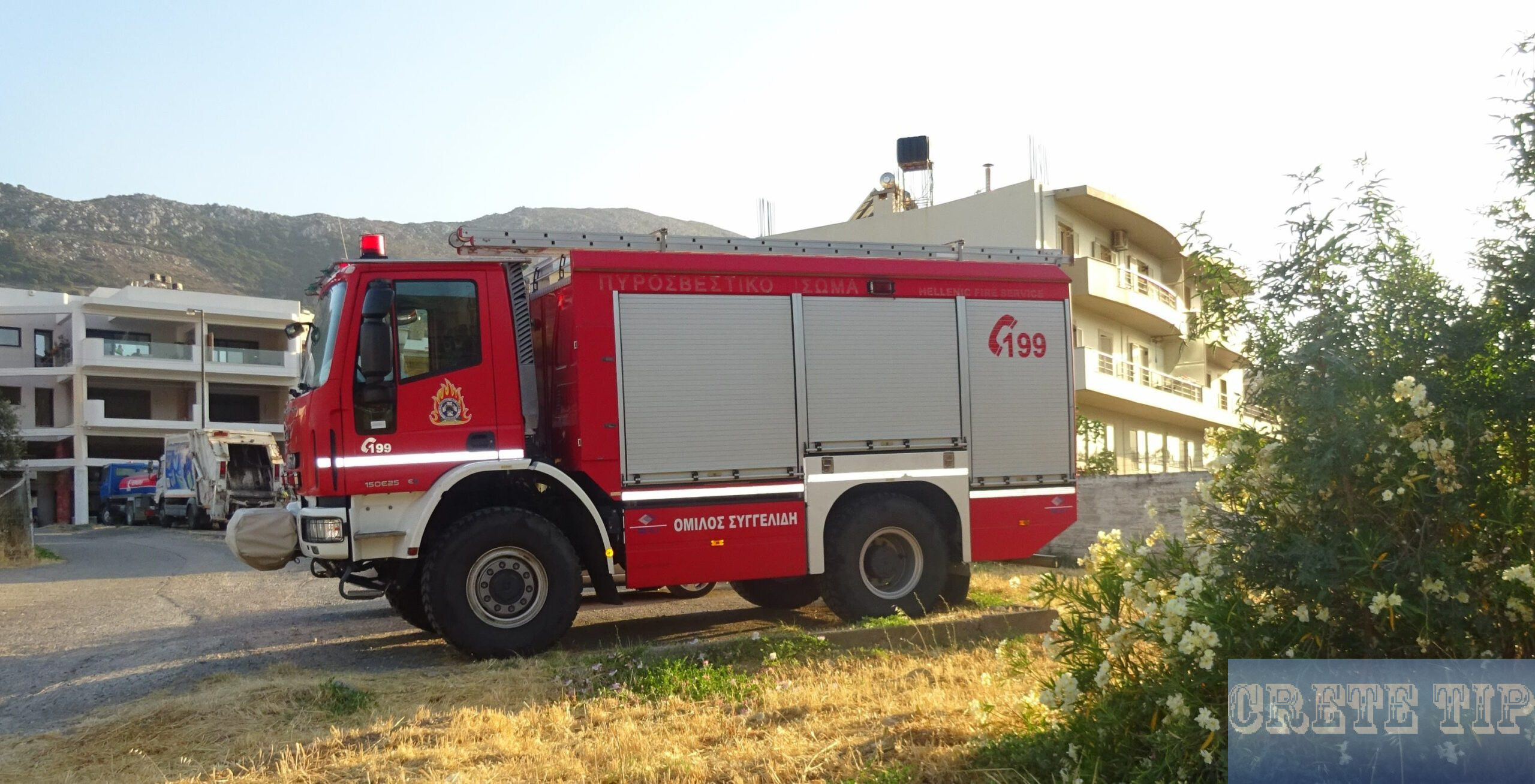
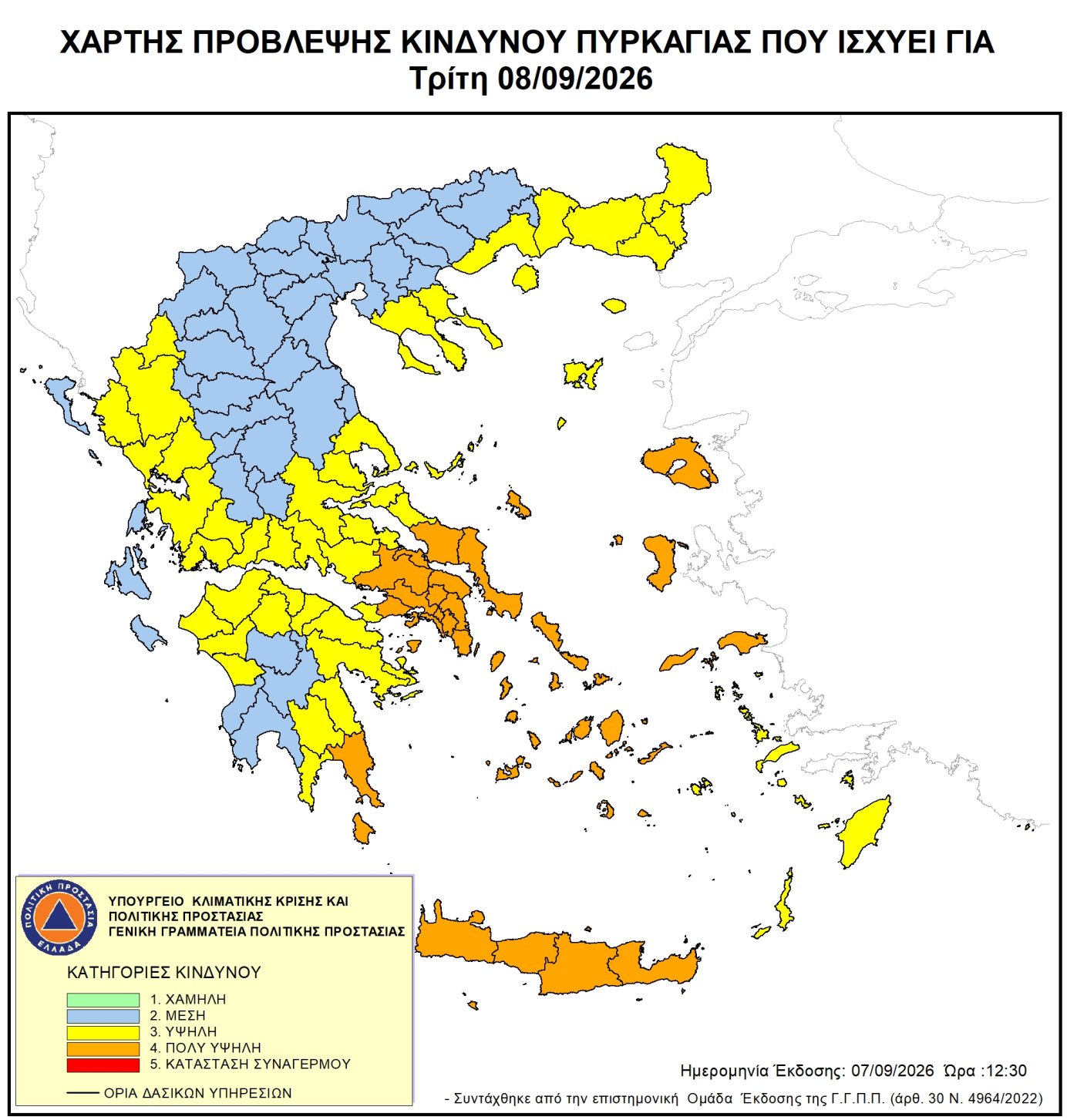
Crete is currently under ORANGE Code mobilisation because of strong winds combined with high temperatures.
These weather conditions significantly raise the EXTREME high risk of wildfires across the island, putting Crete in a state of SECOND-HIGHEST alert.
The civil protection system, including the fire department and regional services, has been activated.
Personnel and equipment are being fully deployed to respond quickly to any fires that may start. Honestly, it feels like a tense waiting game.
This is essential for limiting damage and ensuring public safety.
Fire Risk Category and Precautions
Crete is classified at fire risk level 4, which means a VERY HIGH danger of fire outbreaks.
This rating demands strict measures to prevent fires caused by negligence or accidents.
Authorities have prohibited:
- Burning of crop residues or plant waste
- Smoking near beehives
- Performing hot work such as welding or using cutting tools
- Use of outdoor barbecues or grills
- Launching sky lanterns or any airborne fire sources
- Use of fireworks or pyrotechnics
These bans apply especially in high-risk forest areas, protected natural zones (NATURA sites), parks, and other ecologically sensitive regions.
Restricted Access to High-Risk Areas

To reduce fire hazards, the movement of people and vehicles is limited or banned in vulnerable forest ecosystems and protected green zones.
This helps lower the chances of accidental fires and enables fire services to monitor and protect these zones more effectively.
Region | Endangered areas | to the map of restricted areas |
|---|---|---|
Azilakodasos Forest, Vathi, Kalo Chorio, Kyparissodasos Kritsa, Krousta Forest (Agios Nikolaos), Thripti, Meseleroi, Selakano (Ierapetra), Vai (Sitia; only between 10 p.m. and 6 a.m.) | ||
Efligia municipal forest, Prof. Ilias, Agios Ioannis, reforestation area south of Arkadi Monastery, Paradisos-Armeni Gorge (Rethymno), Kissos Forest, Agouseliana, Ag. Ioannou, south of the Kourtaliotis springs, Kourtaliotis river to Lake Preveli (Agios Vassilos), Margarita gorge (Mylopotamos), gorge of Agios Antonios Patsos (Amari) | ||
European hiking trail E4 Balos, Falasarna (Kissamos), European hiking trail E4 Krios-Elafonisi and Sougia-Gyaliskari (Kantanos Selino), European hiking trail E4 Sougia-Agia Roumeli (Kantanos), Selino & Sfakia Windmill Park (Kathiana), Prevantorio-Pefka and Agios Matthaios Suburban Forest (Chania), Agios Ioannis-Dasos and Korfos Forest (Gavdos) | Fire protection restricted areas Municipality of Chania Fire protection restricted areas Municipality of Kissamos Fire protection restricted areas Municipality of Katanos Selinos Fire protection restricted areas Municipality of Sfakia Fire protection restricted areas Municipality of Platania |
Increased Preparedness and Prevention
The regional protection authorities stress that prevention and self-protection remain critical. Residents and visitors are urged to:
- Avoid any fire use in risk zones
- Report suspicious smoke or flames immediately to the fire brigade
- Follow official instructions during this period of elevated risk
Fire services have also implemented short-term recovery and support plans to help communities affected by potential fires.
Role of the Fire Brigade and Regional Authority
The Fire Brigade works closely with the Region of Crete to manage resources and respond rapidly.
They conduct constant surveillance, prepare firefighting equipment, and coordinate with local officials to reduce the impact of wildfires.
They remind everyone that carelessness remains one of the main causes of fires.
It’s vital to remain alert and responsible during this period of very high fire danger.
How Wind Turns a Small Fire into a Fast-Moving Wildfire

Wind is one of the most dangerous factors in wildfire development. It can dry out vegetation, carry flames into new areas and make firefighting operations far more difficult.
Why wind increases fire risk
Strong winds can bend flames and push heat ahead of the main fire front. This preheats nearby grass, shrubs and trees, allowing them to ignite more easily. Wind can also carry burning leaves, embers and sparks over considerable distances, creating new fire outbreaks away from the original flames.
As a result, a fire can spread rapidly and unpredictably, especially when dry vegetation and high temperatures are also present.
The role of the Foehn effect
In mountainous areas, a particular wind process known as the Foehn effect can make conditions even more dangerous. It occurs when large-scale winds force air to rise along the windward side of a mountain range.
As the air rises, it cools and loses moisture. Once it crosses the ridge and descends along the sheltered side, it warms and accelerates. By the time it reaches lower elevations, it has become a powerful, warm and very dry downslope wind, known in Greece as a livás.
Rapid drying of forest fuels
The combination of high temperatures and very low humidity can dry forest fuels—including grass, leaves, branches and undergrowth—in a remarkably short time. Materials that previously posed a moderate risk can become extremely flammable within minutes.
When these dry conditions are combined with strong wind, the fire danger can rise sharply, sometimes reaching extreme levels.
Why timing matters
The danger is not determined only by wind speed. The timing and duration of the wind event are also crucial. A previously manageable fire environment on the sheltered side of a mountain can change from mild to extreme in just a few minutes.
This is why weather forecasts, fire-risk warnings and official instructions should be followed closely during periods of strong winds. Avoiding activities that could create sparks, such as open burning or the use of machinery in dry vegetation, is essential.
Stay alert during windy conditions
Wind can transform a small ignition into a rapidly spreading wildfire. Anyone who sees smoke or flames should move away from danger and immediately contact the emergency services. Early reporting can make a critical difference.
Source: Fonien.gr – What the Foehn Effect Is and How It Increases Fire Risk
Greece’s Six Most Dangerous Weeks for Forest Fires

The highest-risk period for major forest fires in Greece runs from around July 10 to August 20, according to an analysis by Meteo.gr and the National Observatory of Athens.
The study examined Greece’s largest forest fires from 2007 to the present, focusing on fires that burned more than 40,000 stremmata, or approximately 4,000 hectares. The deadly Mati fire was also included because of its devastating human impact.
Why the risk peaks in summer
The six-week period, covering the second ten-day period of July through the third ten-day period of August, combines several factors that can cause fires to spread rapidly:
- Extremely dry vegetation and other combustible material.
- High summer temperatures.
- Strong winds, including the seasonal meltemi winds.
Together, these conditions create a particularly dangerous fire-weather environment. A fire can grow quickly, making early detection and an immediate response essential.
Fire danger is expanding beyond the traditional peak
Meteo.gr notes that major fires can also occur outside this six-week window. Examples include the large Parnitha fire in late June 2007, the Schinos fire in Corinthia in mid-May 2021 and the major Corinthia fire in late September 2024.
Researchers warn that climate change is contributing to faster deterioration in weather conditions. As a result, Greece may see dangerous forest fires more frequently both earlier and later in the official fire season.
Residents and visitors should follow official fire-safety instructions, avoid activities that could cause sparks and report smoke or flames immediately to the emergency services.
Source: Nea Kriti: “Meteo: The six most dangerous weeks for forest fires in Greece”
“Fire Won’t Wait” – Crete’s Firefighters Sound Desperate Warning: “One Spark Is All It Takes for Total Catastrophe”

In an emotional and unflinching call to action, the leadership of Crete’s Fire Service has issued a stark warning to both citizens and government authorities. Their message is clear: prevention cannot wait, resources are critically stretched, and a single careless spark could trigger an unstoppable inferno that claims lives and destroys homes.
Speaking to the public at the height of the wildfire season, Fire Service Union President Apollon Frangiadakis painted a sobering picture of the daily reality faced by firefighters battling multiple fronts across the island.
“Prevention Cannot Begin When Smoke Appears”
Frangiadakis emphasized that fire prevention is not a response tactic—it is a long-term commitment that must be woven into every level of society:
“Fire won’t wait. That’s why prevention can’t start when smoke appears. Prevention must have started long before. It begins with the citizen and extends to the roads, to fire hydrants, to firebreaks, and to the real preparation of all involved agencies.”
His words underscore a fundamental truth: by the time flames are visible, it is already too late for preventive measures. The work must happen in the months and years before fire season arrives.
Firefighters Operating at Maximum Capacity on Multiple Fronts
The leader of Crete’s Fire Service painted a vivid picture of the extreme pressures facing his personnel during peak wildfire season:
- Multiple Active Incidents: Firefighters are deployed simultaneously across numerous fire fronts, stretching resources to the breaking point.
- Extreme Weather Conditions: Scorching temperatures exceeding 40°C (104°F), powerful winds, and dry conditions create a perfect storm for rapid fire spread.
- Exhausting Duty Cycles: Firefighters work continuous shifts, often recalled from off-duty hours when situations escalate to general alert status.
- Dangerous Working Conditions: Personnel operate in heavy protective gear under extreme heat, often working for hours in temperatures that approach lethal levels.
“Prevention cannot rest solely on the heroism of firefighters when fire has already broken out,” Frangiadakis cautioned. “That’s not sustainable, and it’s not fair to expect men and women to perform miracles every single day.”
Critical Infrastructure and Personnel Gaps
The Fire Service Union President highlighted several systemic issues that compound the crisis:
Staffing Shortages
Approximately 1,000 permanent and 130 seasonal firefighters serve the entire island of Crete. While recent government announcements promised 600 new recruits nationwide, Crete will receive only 55 new positions—15 each in Heraklion, Chania, and Lasithi, plus 10 in Rethymno.
This modest increase does not address the island’s urgent needs, especially when considering that over 4,000 firefighters nationally are expected to retire by 2030-2031 due to age limits.
Seasonal Firefighter Uncertainty
Seasonal firefighters face chronic instability. Many were excluded from recent recruitment exams due to strict age limits, despite having been told different rules would apply. Additionally, these crucial personnel are barred from attending critical training courses—despite working alongside permanent staff on the most dangerous incidents.
“If they work beside us on the most critical emergencies, they should be trained to safely do more tasks and contribute in multiple roles,” Frangiadakis argued.
Abandoned Lands and Deteriorating Infrastructure
The Fire Service must also contend with systemic environmental problems:
- Overgrown, abandoned agricultural land providing endless fuel for fires.
- Neglected streambeds clogged with dry vegetation.
- Outdated or poorly maintained firebreaks.
- Insufficient fire hydrants and water access points in critical areas.
A Firefighter’s Sacrifice: Working Where Others Flee
Frangiadakis spoke with profound humanity about the daily courage required of firefighters:
“The firefighter goes where everyone else retreats. He enters the fire to protect human lives, property, and the natural environment. Where we go, there is already a catastrophe. Real success for a firefighter is never having to respond at all.”
He added a poignant observation about the psychological toll:
“I’m not complaining. This is our mission. But I want the world to know under what conditions we work. During a heat wave while most people seek shade and air conditioning, firefighters are inside vehicles wearing heavy protective gear, operating for hours in temperatures often exceeding 40 degrees.”
A Call for Genuine Prevention, Not Just Emergency Response
The core of Frangiadakis’s message is a call for systemic change. Individual citizen responsibility is important—clearing brush from property, not leaving fires unattended, reporting dangerous conditions—but it is insufficient alone.
True prevention requires coordinated action across multiple sectors:
- Municipal Governments: Maintaining firebreaks, clearing overgrown public lands, ensuring hydrant functionality.
- Regional Authorities: Long-term land management and vegetation control programs.
- Central Government: Adequate staffing, modern equipment, and strategic resource allocation.
- Private Property Owners: Responsibility for clearing dangerous vegetation on their land.
The Stakes Could Not Be Higher
As Crete heads deeper into the peak wildfire season, every spark matters. In conditions of extreme heat and wind, a single discarded cigarette, an unattended campfire, or a moment of carelessness can ignite an inferno that spreads faster than any fire truck can travel.
The message from Crete’s firefighters is unambiguous: prevention must begin now, resources must be adequate, and society must recognize that firefighting heroism—while essential—can never be a substitute for genuine, systemic fire prevention.
“A single spark is all it takes,” Frangiadakis warned. “And fire won’t wait.”
Source and full Greek coverage provided by NeaKriti.gr.
Shocking Fire Service Data: 9 Out of 10 Wildfires Are Caused by Human Negligence

As summer temperatures surge and vegetation turns bone-dry across the countryside, new data from the Fire Service reveals a deeply troubling reality: human carelessness remains the leading trigger for devastating wildfires. According to official statistics, a staggering 92% of arrests for causing fires since the start of the year stem from negligence rather than natural causes.
With authorities responding to more than 1,700 fire incidents since the start of the fire season—and over 120 in just a single three-day period—the high-risk conditions mean that even the smallest spark can rapidly spiral into a fatal catastrophe.
Tragic Consequences of Momentary Carelessness
Recent incidents highlight just how quickly everyday actions can turn deadly:
- Liti, Thessaloniki (July 3): A horrific fire that claimed the lives of three people was caught on video footage. Authorities estimate the blaze started when a passing driver tossed a lit cigarette into dry roadside grass.
- Melidochori, Heraklion (July 15): A massive wildfire broke out due to sparks generated from using an angle grinder. A 35-year-old man was arrested and faces charges of arson through negligence.
- Thermi Dam, Thessaloniki: A 66-year-old man was arrested after sparks from agricultural machinery ignited nearby vegetation.
The Most Common Causes of Negligent Fires
Over a recent two-day period alone, law enforcement recorded a surge in arrests across numerous regions—including Attica, Heraklion, Chania, Thessaloniki, Boeotia, Kavala, Achaea, Rhodope, and Kilkis. The violations primarily involved:
- Using power tools (e.g., angle grinders, welding equipment) in open-air spaces
- Operating agricultural machinery in dry conditions
- Burning trash, dry weeds, or agricultural debris
- Outdoor grilling and barbecuing near flammable vegetation
- Setting off fireworks outdoors
An Urgent Appeal from the Fire Service
The Greek Fire Service is issuing an urgent appeal to all citizens and visitors to exercise extreme caution during the high-risk fire season. High heat and low humidity turn dried grass and trees into immediate fuel for flames.
Key Reminder: Refrain from any outdoor “hot work” or activities that generate sparks—such as welding, grinding, or burning rubbish—during the fire season. Always dispose of cigarettes responsibly and report any sight of smoke immediately.
Preventing devastating wildfires starts with individual responsibility. By eliminating careless habits, communities can help protect lives, property, and forests from preventable destruction.
Source: Cretalive.gr
Costly BBQ: Chania Resident Hit with €1,500 Fine After Lighting Outdoor Fire

A seemingly routine barbecue preparation turned into an expensive lesson in fire safety regulations for a resident in Chania, Crete, who was fined €1,500 after lighting a fire outdoors during a restricted period.
What Happened?
According to reports, the individual had ignited a fire in an open area, reportedly to prepare a barbecue. However, the action violated strict fire prevention laws currently in force due to heightened wildfire risk conditions.
When firefighters arrived at the scene, the individual reportedly explained that they were simply “preparing a grill.” Despite the explanation, authorities proceeded with issuing a substantial administrative fine.
Why the Fine Was So High
Greece enforces particularly strict fire safety measures during the summer months, especially in regions like Crete where dry conditions and strong winds significantly increase the risk of wildfires.
Lighting fires outdoors—whether for agricultural purposes, waste burning, or even barbecuing—is strictly prohibited during high-risk periods unless specific permissions are granted.
Violations can result in:
- Immediate administrative fines
- Potential criminal charges in severe cases
- Liability for damages if a fire spreads
The €1,500 penalty reflects the seriousness with which authorities treat any activity that could spark a wildfire.
Fire Risk Remains Extremely High
Local authorities and civil protection services continue to warn residents and visitors that fire danger levels remain elevated across Crete. Even small flames—like those used for cooking—can quickly escalate under the right conditions.
Officials stress that prevention is critical, as wildfires can spread rapidly and threaten homes, natural landscapes, and human lives.
What Residents and Visitors Should Know
If you are in Chania or anywhere in Greece during the fire season, it is essential to follow local regulations carefully:
- Avoid lighting any outdoor fires, including barbecues, unless explicitly permitted
- Stay updated on daily fire risk maps and restrictions
- Report smoke or fire immediately to emergency services
- Follow guidance issued by local authorities and civil protection agencies
Ignorance of the rules does not exempt anyone from penalties, as this recent incident clearly demonstrates.
A Strong Reminder
This case serves as a stark reminder that even everyday activities like preparing a barbecue can carry serious consequences during fire season. Authorities are maintaining zero tolerance for violations, prioritizing public safety and environmental protection.
With fines reaching into the thousands of euros, compliance is not just about safety—it’s also about avoiding costly mistakes.
Source:
Costly Mistake: €6,750 Fine Imposed for Burning Waste in Crete

According to authorities, a fine of €6,750 was imposed on July 13, 2026, in the municipality of Ierapetra, located in the regional unit of Lasithi. The penalty was issued by investigative officers of the Fire Services Command of the area (DIPYN Lasithi).
Strict Enforcement During Fire Season
The incident comes amid intensified inspections and strict enforcement measures carried out across Greece during the wildfire prevention period. Authorities are on high alert due to the increased risk of fires, particularly during the hot and dry summer months.
Burning waste outdoors is explicitly prohibited under current fire protection legislation, as it can easily lead to uncontrolled fires and endanger both natural environments and nearby communities.
Zero Tolerance for Violations
The Fire Service reiterated that such violations are taken seriously and will result in significant penalties. The €6,750 fine reflects the strict legal framework designed to deter behaviors that could trigger devastating wildfires.
Officials continue to urge residents and visitors to comply fully with fire safety regulations and to avoid any activities that may pose a risk during the fire season.
Protecting Lives and the Environment
Crete, like many parts of Greece, faces heightened wildfire risks each year. Preventive measures and public awareness are crucial in protecting lives, property, and the island’s unique natural landscape.
This case serves as a stark reminder that even seemingly small actions — such as burning household waste — can carry serious consequences.
Source: cretalive.gr
Frequently Asked Questions
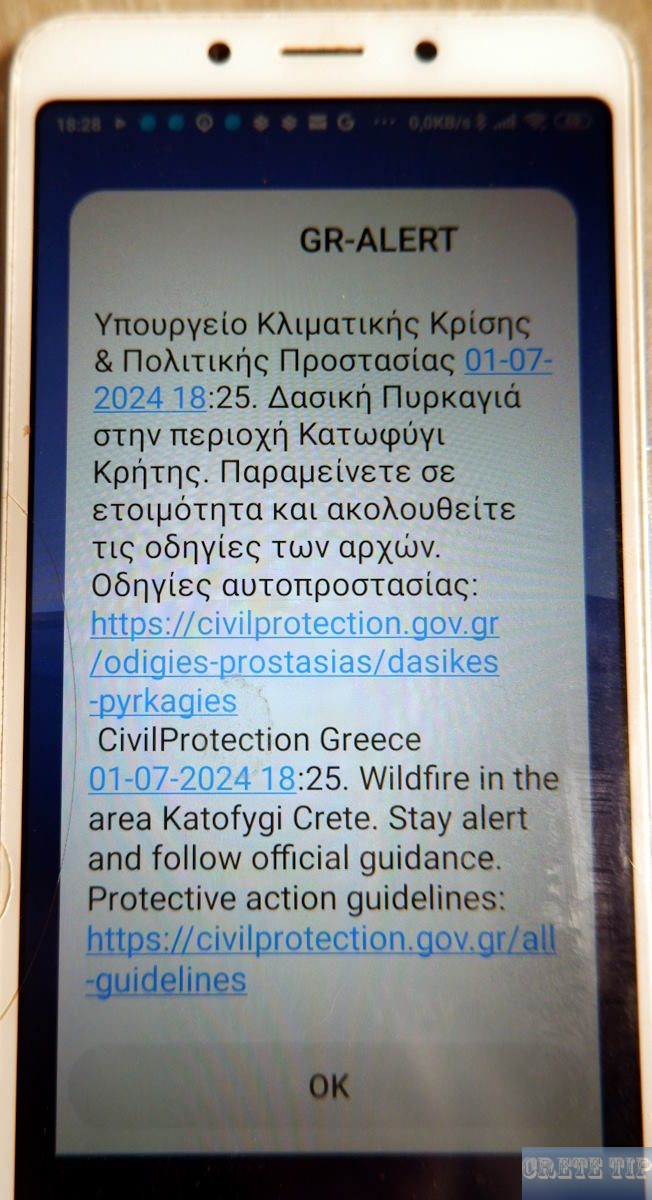
Important information about Fires
– Current Fire Map
– Current fire risk map
Warning apps of the Greek Civil Defense:
– on GooglePlay for Android devices: CivilCrete Talos
– in the AppStore for Apple devices: CivilCrete Τάλως
Fire brigade telephone number in Greece: 199
European emergency number: 112
 More information: Fires on Crete
What are the main factors leading to large-scale wildfires?
Wildfires often start due to natural causes like lightning or human activities such as unattended campfires, discarded cigarettes, or deliberate arson.
Dry weather, high temperatures, and strong winds increase the risk and spread of fires. Vegetation type and land management also influence how quickly a fire can grow.
How can local populations best get ready for unexpected fire outbreaks?
Communities should create emergency plans, including evacuation routes and communication systems.
Clearing dry brush and maintaining defensible space around homes reduces fire risk. Public education on fire safety and readiness ensures people know how to react if a fire occurs.
Regular updates from authorities help residents stay informed.
What immediate steps should be taken if an uncontrolled fire is spotted?
The first action is to alert emergency services quickly.
If safe, try to inform neighbours and help evacuate vulnerable people. Avoid approaching or trying to put out large fires without proper training.
Following official advice and leaving the area promptly can prevent injury.
What role do disaster response teams play during a fire emergency?
Disaster teams coordinate firefighting efforts, manage evacuations, and provide medical aid.
They assess fire behaviour and deploy resources strategically.
These teams also communicate risks and updates to the public and work with local authorities to maintain safety and order.
What methods are most effective for controlling and extinguishing fires?
Common techniques include water and foam spraying from ground crews and aircraft.
Creating firebreaks by clearing vegetation stops flames from spreading. Controlled burns reduce fuel ahead of major fires.
Using specialised equipment and trained personnel ensures better control of large fires.
How is recovery handled in areas heavily damaged by fire?
Restoration usually kicks off with a careful look at how much the soil and plants have been hit. Replanting native trees and plants can really help curb erosion and give the ecosystem a fighting chance to bounce back.
There’s also the not-so-glamorous work: picking up debris and fixing damaged infrastructure. It’s a process that takes time, and honestly, long-term monitoring is crucial—there’s just no shortcut to figuring out what the land and the community need next.



