Visiting Crete in winter reveals a green, quiet season for walking. If you love hiking in Crete, you’ll see the rain bring gorges and hillsides back to life, villages slow down, and most paths belong to goats and the odd shepherd.
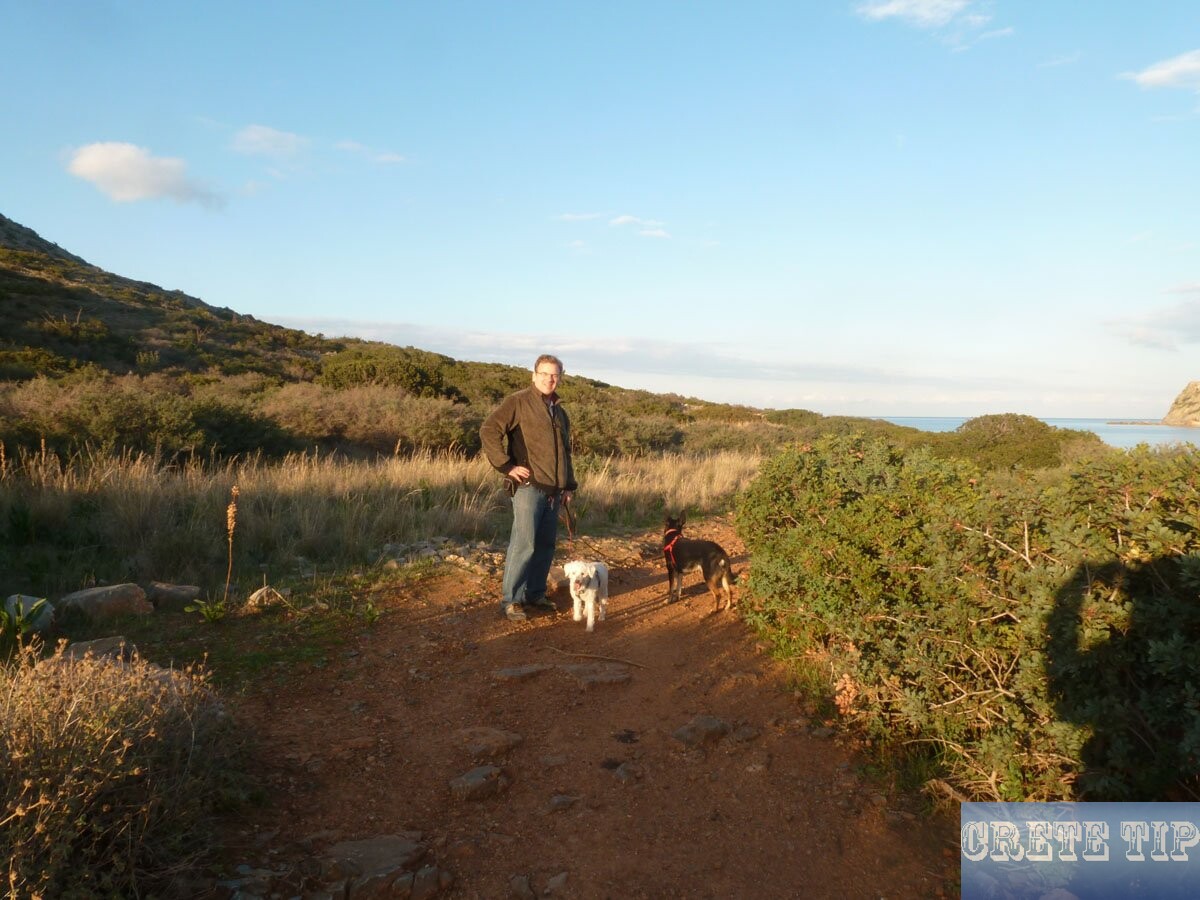
For winter hiking in Crete, your best choices are low- and mid-level routes such as Agia Irini Gorge, the E4 coast path from Loutro to Hora Sfakion, the monastery paths on the Akrotiri Peninsula and short eastern walks like Richtis Gorge. These routes stay walkable outside the summer season when the weather is kind.
The famous Samaria Gorge is off the list until spring. Once snow arrives, the high peaks of the White Mountains and Psiloritis belong in a different category. That still leaves plenty of good walking, as long as you plan around rain, short days and reduced bus and ferry timetables.
You can choose a route to suit the day’s weather, plan your return before setting off, and tell the difference between a winter walk and a winter mountain climb.
Which Routes Are Worth Considering in Winter?
The most reliable winter routes sit below the snow line and have a clear way back. In the west, look for short gorges and coast paths around Chania and Sfakia. In the east, the Spinalonga Peninsula and small village circuits offer easy options.

| Route | Distance | Time | Terrain | Return |
|---|---|---|---|---|
| Imbros Gorge | 8 km | about 2.5 hours | stony riverbed, dramatic narrows | taxi back to start or road to Chora Sfakion |
| Agia Irini Gorge | about 7.5 km | about 3 hours | shaded path, dry riverbed | 5 to 7 km road to Sougia, then bus or lift |
| Loutro to Hora Sfakion (E4) | 6 km | about 2 hours | rocky coast path, final road section | you finish in Hora Sfakion; boat needed to reach Loutro |
| Richtis Gorge (east) | 5 km | about 1 h 40 min | descent of 485 m to the beach | same way back or parallel dirt road |
| Kourtaliotiko Gorge | about 2 km in total | short visit | stone steps, wet rock | there and back |
Imbros Gorge: A Shorter Gorge Walk When Conditions Allow
Imbros Gorge is the easier of the two well-known Sfakia gorges. Follow the stony riverbed down to a road, then take a taxi or bus home.
It’s one of the standout walks in Crete during the cooler months. At Imbros Gorge, you can admire dramatic limestone walls without tackling Samaria’s extreme length.
In winter, treat it as a “check on the day” walk. After heavy rain, a dry riverbed can turn into a stream, so check the forecast for the mountains above the gorge before driving over from the north coast. If the riverbed is wet and loose, turn back early.
Agia Irini Gorge: A Woodland Descent Towards Sougia
Agia Irini is about 7.5 km long and takes around three hours at an easy pace. Chania’s mountaineering club rates it as easy and has walked it in December. Plane trees, pines and oleander shade the path, which passes the Church of the Saviour, dated to 1357–58.
The tricky part is the finish: the exit is still 5 to 7 km by road from Sougia. KTEL’s timetable, valid from 26 September 2026, listed buses from Chania at 05:00, 08:45 and 13:45, with returns from Sougia at 07:00, 12:30 and 18:15. Winter timetables change, so ask the driver whether the bus stops at the gorge entrance.
Hora Sfakion to Loutro: Coastal Walking on the E4
This 6 km stretch of the E4 takes about two hours. It hugs the steep coast overlooking the Libyan Sea, passes Glyka Nera beach, crosses a rocky slope and ends on the road into Hora Sfakion, also known locally as Chora Sfakion.
Loutro has no road, so most walkers take the boat there and walk back. From 9 November to 31 December 2026, the boat from Hora Sfakion to Loutro leaves at 09:00 on Mondays and Tuesdays only and returns at 16:05. On those days, you can take the morning boat and walk back to Chora Sfakion.
Akrotiri Peninsula: Monastery Paths Near Chania

The Akrotiri Peninsula is the easiest place to fit in a winter walk from Chania. Its monastery paths sit low and close to the airport side of the city, making them a good choice for a half-day walk when clouds cover the mountains.
Above Stavros beach, about 15 km north-east of Chania, a steep but newly paved trail climbs to Lera Cave. It’s a short walk, and the view on a clear winter afternoon is worth the effort.
Kalydon: Exploring the Spinalonga Peninsula on Foot
Kalydon is the Spinalonga Peninsula, the strip of land beside Elounda. It’s not Spinalonga island, the former leper colony you reach by boat.
Walk across the low causeway, then follow tracks over open, rocky ground with sea on both sides. There’s no shade and little shelter, so choose a calm, dry day. It makes a gentle eastern outing if you’re based near Agios Nikolaos.

Therisso and Lowland Village Walks: Flexible Half-Day Options
Therisso Gorge starts about 6 km south of Chania and runs for roughly 9 km between Perivolia and Therisso. A road runs along the whole gorge, so you’ll walk beside traffic. It’s scenic, but plan it as a road walk.
At the end, you’ll reach Therisso village, where Eleftherios Venizelos led the 1905 revolt. His old headquarters now houses the historical museum. For a traffic-free option close to town, try Agia Lake, 9 km west of Chania, where a walking lane nearly circles the water.
How Do Winter Weather and Altitude Change Your Options?
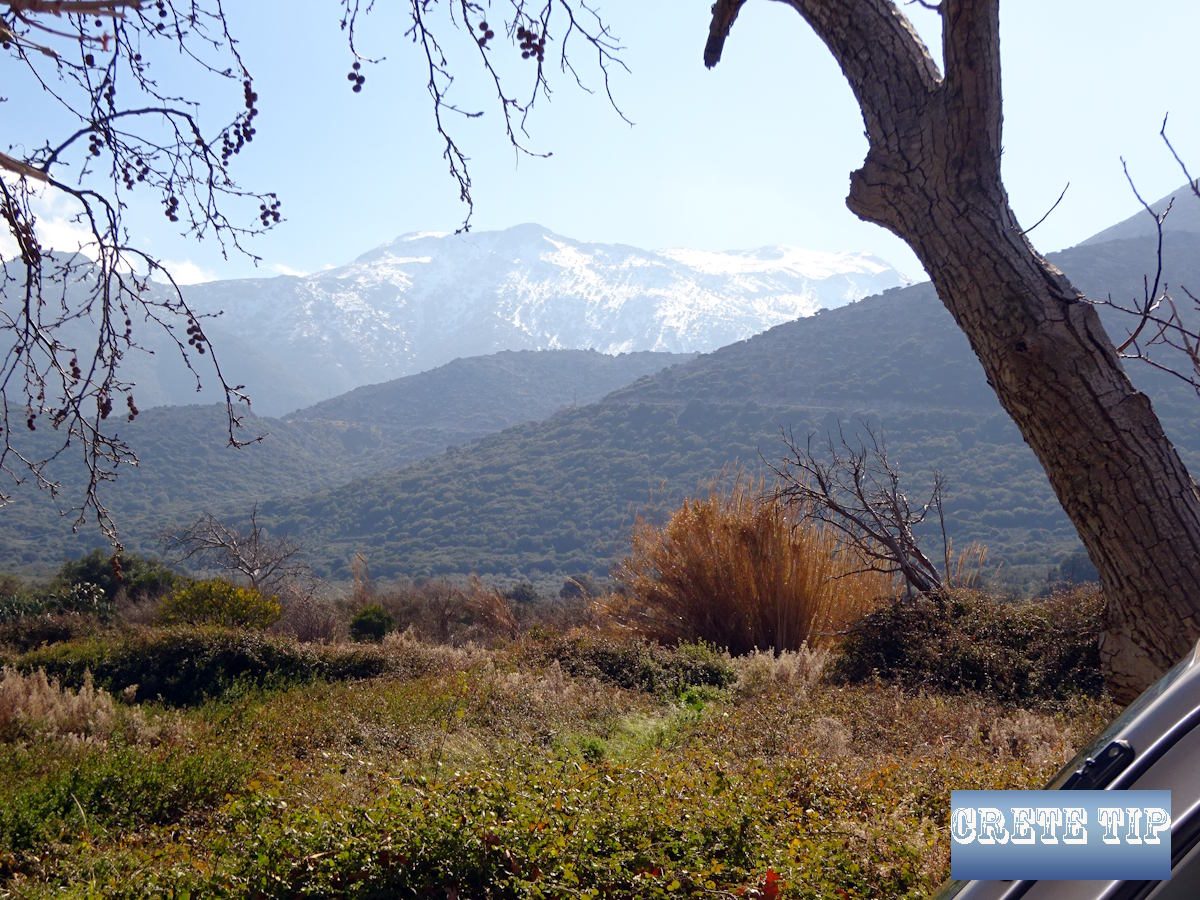
Height determines most of your winter plans. Winter brings lush green valleys to Crete, but the summits can be freezing and snowbound.
Below about 1,000 metres, expect rain and short days. Higher up, snow, ice and wind turn walks into mountaineering, and some places close completely.

November to March: Rain, Snow and Daylight
Winter rain on Crete comes in spells. You might get several clear, mild days, followed by a day or two of heavy downpours. After wet weather, gorges and streams can keep flowing for a while.
Daylight is the limit many visitors forget. Sunset comes early in December, so start by mid-morning at the latest and aim to finish with an hour to spare. Snow settles on the high ground of the White Mountains and Psiloritis, and the snow line shifts from week to week.

Most people know this legendary island in the blister of summer, packed with day-trippers and bright turquoise waters.
But in January? The crowds vanish, and a haunting, cinematic stillness settles over the Mirabello Bay. Looking out from the quiet shores of Plaka, the ancient fortress of Spinalonga stands isolated beneath low-hanging rain clouds. Across the mist-draped waters of the Kalydon peninsula, the Venetian stone walls take on a moody, slate-gray glow—a poignant reminder of the island’s layered, emotional past as both an impregnable stronghold and a place of quiet exile.
The air smells of wet sage and rain-swept sea salt, and for a moment, time feels completely suspended.
Crete in the winter has a soul that sunny days just can’t reveal.
Why Samaria Gorge Closes for Winter
Samaria’s season runs from 10 April to 31 October, with NECCA, the park authority, setting the exact opening date each year. On 1 November 2026, NECCA listed the gorge as closed from both entrances, Xyloskalo and Agia Roumeli, until further notice.
The crossing is about 16 km and takes five to seven hours, starting at roughly 1,230 m. In winter, high water and rockfall make it unsafe, and the short walk from Agia Roumeli closes too. Never enter a closed gorge.
The White Mountains: Omalos Walks vs. Alpine Routes to Pachnes
The Omalos Plateau, below the Samaria entrance, offers open walking around Omalos village when the road is clear and the weather is settled. Treat it as a cold, high day out. Fog and wind can arrive fast up there.
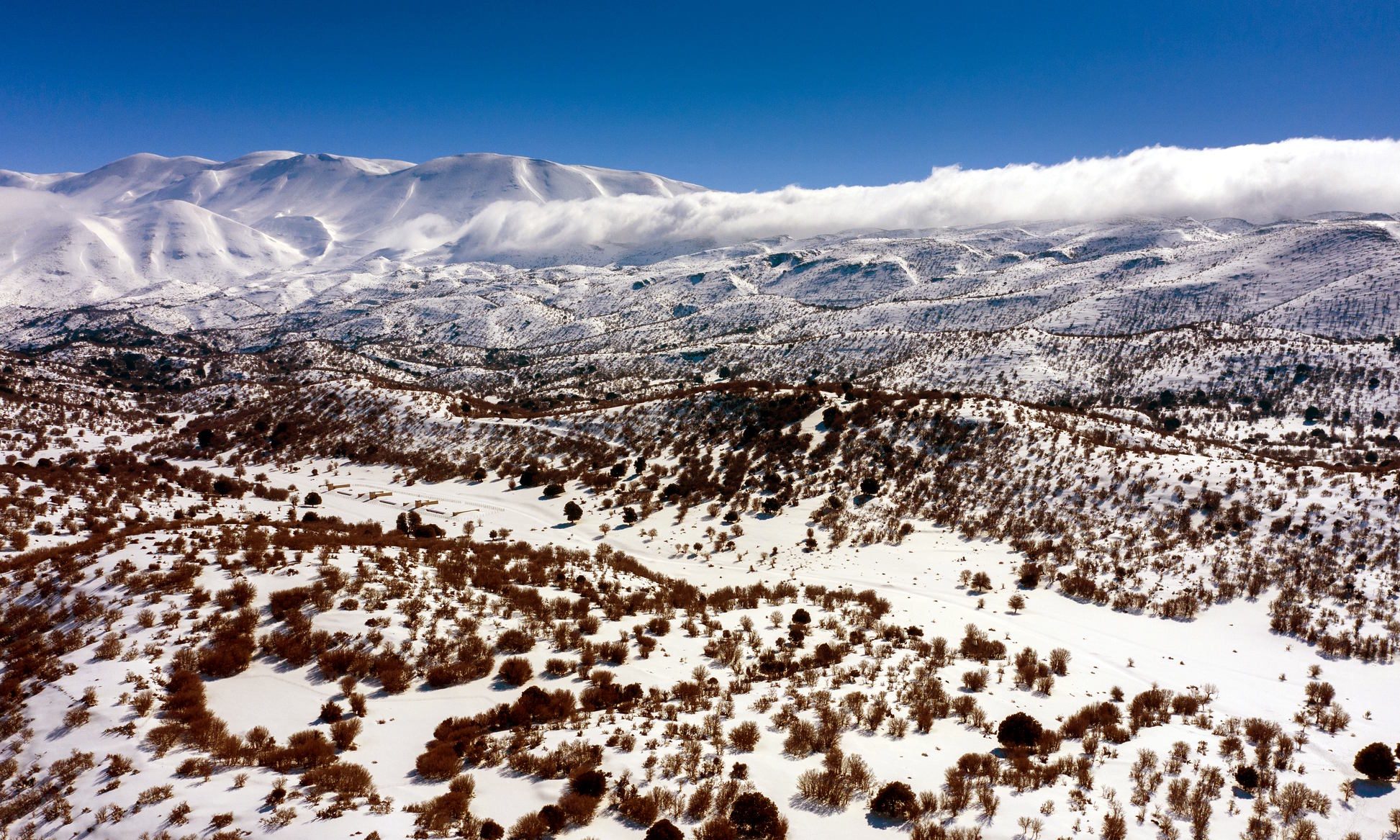
The White Mountains have rugged alpine terrain that changes dramatically under snow. Pachnes, the highest summit of the Lefka Ori, is a serious winter undertaking. The route crosses snow and ice far from any shelter. That’s mountaineering: you’ll need crampons, an ice axe and the skills to use them. Most visitors should also hire a mountain guide.
Psiloritis and the Nida Plateau: When Walking Becomes Mountaineering
Psiloritis, also called Mount Ida, rises to 2,456 m at Timios Stavros. The E4 from the Nida Plateau is the best-marked route to the top. There’s no water above 1,500 m, and the climb is long and hard in winter.
For a taste of the mountain without summiting, walk on the plateau itself on a clear day and turn back well before reaching the snow.
The Lassithi Plateau: Village Walks When Access and Conditions Allow
The Lassithi Plateau sits roughly 850 metres up in eastern Crete, surrounded by mountains. It’s a destination in its own right, colder and wetter than the coast, with snow possible on the roads. Check the road over from Neapoli or Agios Nikolaos before you set off.
On a good day, walk the flat tracks between Tzermiados, Psychros and other villages, visit Vidani Monastery, or climb towards Karfi. Cafés and tavernas keep shorter hours in winter, so bring food.
What Makes a Winter Route Safe Enough to Attempt?
A route is safe enough when it’s open, recent rain has drained away upstream, and you have a clear way out before dark. You need all three on the same day.
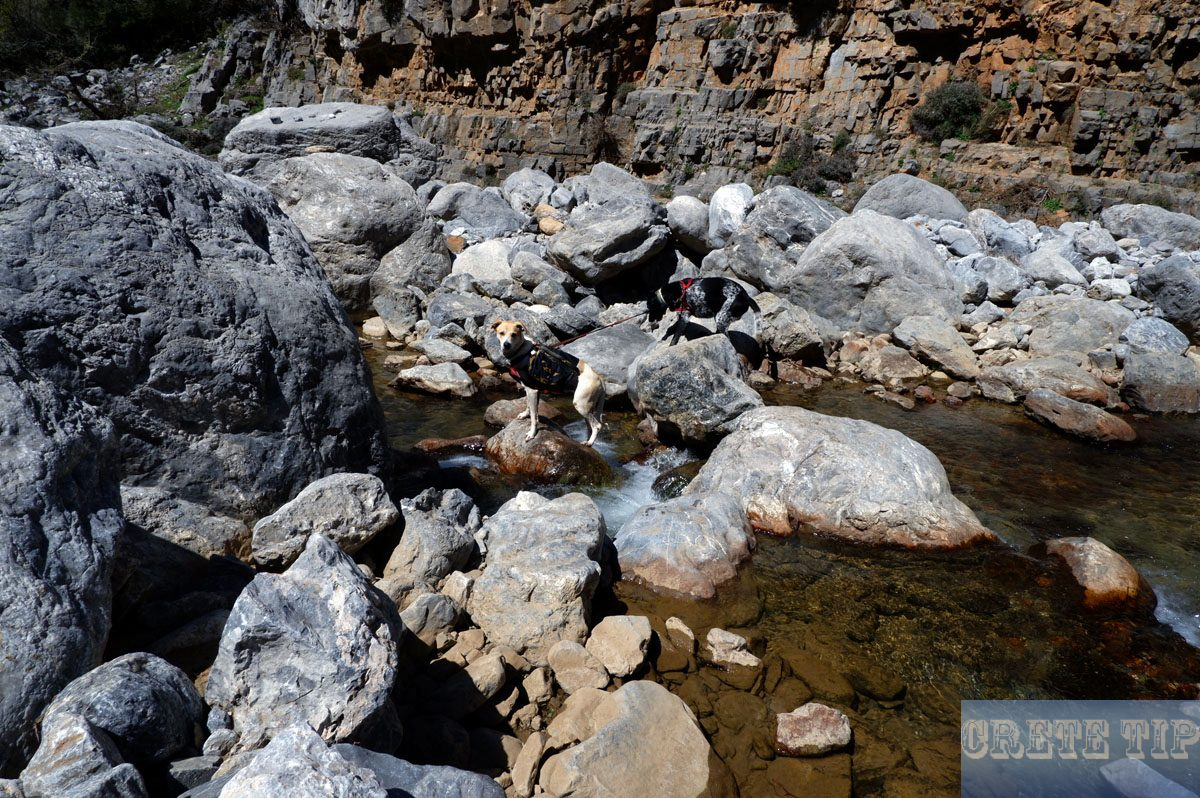
Check Closures and Rainfall Across the Catchment, Not Just the Trailhead
A gorge collects water from the mountains above it. Sunshine at the car park means little if it rained on the high ground yesterday. Check rainfall across the whole area that drains into the gorge.
Check official notices on the day. Kourtaliotiko, for example, can close at short notice after rain or when the river runs high.
Richtis, Kourtaliotiko and Aradena: Why Gorge Routes Need Individual Checks

Every gorge behaves differently, so check each one on its own terms:
- Richtis Gorge (Sitia Geopark Georoute 17): 5 km from Exo Mouliana to the beach, about 1 h 40 min, descending 485 m past a stone bridge and a 20 m waterfall. The waterfall looks its best after rain, but stream crossings become more difficult.
- Kourtaliotiko Gorge: about 2 km in total on the central trail, from the ticket booth at about 192 m down to the waterfall at about 112 m and back. You need a ticket, and wet stone steps can be slippery.
- Aradena Gorge: starts at a deserted village by an iron bridge, includes a nine-metre iron ladder and ends at a beach with no road. You’ll need to take a boat home or follow the coast path to Loutro.
Coastal Exposure, Rockfall and Early Turnaround Decisions
Coast paths such as the E4 east of Loutro cross steep, rocky slopes with nowhere to shelter from the wind. Strong southerly winds can also cancel boats, changing your return plan.
Set a turnaround time before you start. If you’re behind schedule at the halfway point, walk back.

Footwear, Waterproofs, Navigation and Emergency Equipment
Wear boots or shoes with good grip that you’ve walked in before. Pack a waterproof jacket, a warm layer, a head torch and more food than you expect to need.
Carry a charged phone with offline maps and a power bank. Greece’s emergency number is 112.
When to Hire a Mountain Guide or Cancel the Walk
Hire a guide for any snowy route in the White Mountains or Psiloritis. Cancel a gorge walk after heavy rain, and skip a coast walk if the forecast calls for strong wind. A cancelled day costs less than getting stranded, and there’s nearly always a lower walk nearby.
How Do You Plan Transport, Accommodation and Daily Costs?
Winter planning comes down to fewer buses, fewer boats and some closed hotels. Choose a base with year-round life, then fit your walks around the transport that runs.

Choosing a Base: Chania, Sfakia, Paleochora or Eastern Crete
Chania is the easiest base. It stays busy all winter and has the most buses. Sfakia and Paleochora put you on the south coast, close to the gorges, though many places close for the season. Kissamos works for the far west. In the east, Agios Nikolaos puts Kalydon, Lassithi and Richtis within reach.
Winter Buses, Mountain Roads and One-Way Trail Transfers
Gorge walks are one-way, which leaves your car at the wrong end. You can bring a second driver, take a taxi back to the start, or catch a local bus.
Taking a KTEL bus is often the most economical way to handle linear trails. KTEL Chania publishes seasonal timetables, and you can call (+30) 28210-93052 to confirm connections. Snow can close mountain roads to Omalos or Lassithi, so check before you drive.
Ferries and Remote Villages: Avoiding a Stranded Finish
From 9 November to 31 December 2026, south coast boats run on only a few weekdays:
- Hora Sfakion to Loutro and Agia Roumeli: 09:00, Monday and Tuesday
- Agia Roumeli to Loutro and Hora Sfakion: 15:15, Monday and Tuesday
- Paleochora to Sougia and Agia Roumeli: 08:30, Thursday and Friday
- Agia Roumeli to Sougia and Paleochora: 15:15, Thursday and Friday
Miss the last boat and you’ll stay the night. Book a room in Loutro or Agia Roumeli in advance if your walk ends there.
Checking Entry Fees, Guide Prices and Seasonal Services
Most winter routes are free. Kourtaliotiko requires a ticket, and visitors have reported a small fee of around €2 for Agia Irini during the April to October season. Carry coins and some cash, since village cafés may not take cards and many close until spring.
Finding Reliable Hiking Maps and Downloading Offline Routes
Phone signal disappears in gorges and on the south coast. Download offline maps before you leave your base and save the route as a GPS track. The Sitia Geopark publishes route data for its georoutes, including Richtis. You can buy paper maps of the White Mountains and Psiloritis in bookshops in Chania and Heraklion.
Choose the Walk That Fits the Day’s Conditions

The best winter walk is the one that suits today’s weather. Rewarding Crete hiking adventures depend on checking the local forecast.
On settled days, the gorges at Agia Irini, Imbros Gorge and Richtis are lovely, green and quiet. After heavy rain, switch to the Akrotiri monastery paths, the Spinalonga Peninsula or a lakeside stroll at Agia.
Save the high peaks for guided days with proper winter gear. Plan your return before you start, and build south coast walks around the Monday, Tuesday, Thursday and Friday boats.
KretaTipp’s founder Norman Kretaner has lived on Crete since 2004. Locals tend to check the sky in the morning and keep a second walk in mind. Choose a lower route as your backup for every high one.
Frequently Asked Questions
Can you hike Samaria Gorge in winter?
No. The season runs from 10 April to 31 October, and on 1 November 2026 NECCA listed both entrances as closed until further notice. In winter, explore open alternatives like Agia Irini or Imbros Gorge instead.
Which easy winter hikes are closest to Chania?
The Akrotiri Peninsula monastery paths and the walk around Agia Lake are the closest easy options. Therisso is also close, but the route follows a road through the gorge.
Where can you go winter hiking near Heraklion?
The Nida Plateau below Psiloritis is the nearest larger walking area, though the summit is a winter mountaineering route. Kourtaliotiko Gorge and the Lassithi Plateau villages offer lower walks, but both require a drive.
Can you walk sections of the E4 in December?
Yes. The Loutro to Hora Sfakion section (6 km, about two hours) is walkable in winter on calm, dry days. Check the boat timetable first, because in December 2026 boats to Loutro run only on Mondays and Tuesdays.
Do you need a guide for winter hiking in Crete?
You don’t need a guide for low gorges and coast paths in good weather. Hire one for any snowy route in the White Mountains or on Psiloritis, where winter walking becomes mountaineering.
Where can you find reliable winter hiking maps for Crete?
You can buy paper maps at bookshops in Chania and Heraklion. The Sitia Geopark also publishes route details for eastern walks, including Richtis. Download offline maps and GPS tracks before you set out, as many gorges have no signal.