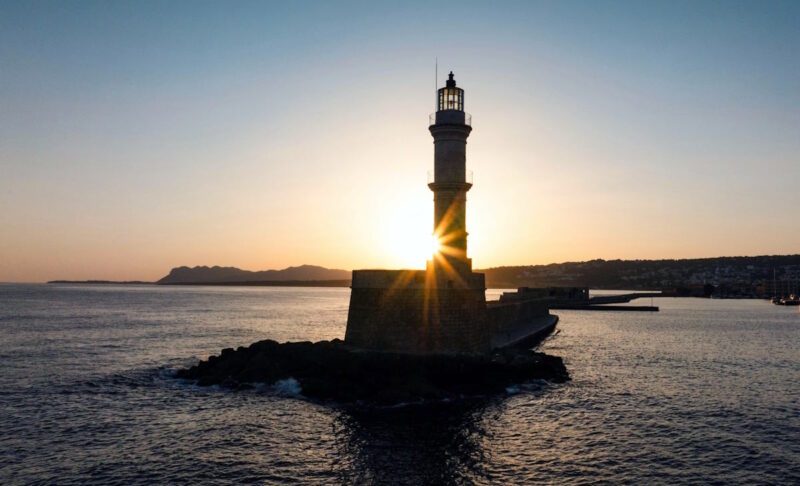
Chania is a fantastic base for exploring western Crete. The old town itself deserves a few evenings, especially if you want to sample the depth of Cretan cuisine at the waterfront tavernas.

The region around Chania offers a surprisingly varied set of day-trip options within easy reach. Many Chania day trips let you experience the wild side of the island, then return to the city for dinner.
Booking professional Chania tours can simplify logistics for longer journeys. Doing a bit of research about the best day trips from Chania helps you focus on the most iconic sights.
The range of trips stretches from dramatic beaches and steep gorges to quiet inland villages, Venetian ruins, and boat rides along a coastline that most people only glimpse from the road.
Getting real about distances makes planning easier. Some places look close on the map but actually take over an hour to reach because of winding mountain roads. Others are surprisingly quick.
This guide covers beaches, boat trips, villages, archaeology, and hiking routes. You’ll find honest notes on drive times, road conditions, crowd levels, and who each outing actually suits. Whether you’re visiting Crete for the first time or coming back to dig a little deeper, there are practical options here for different energy levels, travel styles, and even the weather.
How To Choose The Right Excursion
The best place to start is matching your excursion to your group, fitness level, and time of year. Whether you like hidden mountain paths or popular coastal lagoons, the best day trips from Chania depend on your preferences.
A coastal lagoon in July feels totally different from the same spot in late September. Some gorge walks just aren’t safe outside certain months.
Best Options By Travel Style
If you want a day by the water, beach and boat-based trips are easy and need little planning. For something active, the gorge walks really make you work but the payoff is worth it.
If you prefer a slow pace, inland village routes need a car but almost zero physical effort. Families with young kids usually do best at beaches within 45 minutes of Chania.
Many families like organized day tours from Chania where someone else handles the logistics. Solo travelers or pairs with a car can mix beach, village, and cultural stops however they like.
What Is Realistic In One Day
One day from Chania gives you about eight to ten usable hours if you leave by 8am. That sounds generous, but travel time eats into it faster than you’d think.
Balos involves driving to Kissamos, catching a ferry, and plenty of time on the island—it’s easily a full day. Elafonissi is about 75 minutes by car on winding roads.
The Samaria Gorge walk takes five to seven hours. Trying to squeeze two of these into one day usually means you rush both and enjoy neither.
Pick one main destination per day, maybe with a small stop nearby on the way back.
When To Go For The Best Experience
May, June, and October are the most comfortable months for most trips. July and August bring serious heat—gorge walks become risky and beaches are packed by late morning.
If you’re visiting in summer, leave early. Arriving at Balos or Elafonissi before 10am puts you ahead of the crowds. For cultural sights and museums, midday heat isn’t a problem, so they’re a good call when the beach feels too much.
Coastal Escapes Near Chania
The coastline west and southwest of Chania has three of the most visited beaches in Crete. Each has its own vibe and practical challenges.
All three are perfect for a full day out, and all three are better if you start early. Heading to Balos or Elafonissi beach is the highlight of many trips to Crete.
Balos Lagoon And Gramvousa

Balos [Google Maps] is probably the image you’ve already seen: shallow turquoise water, white sand, and a rocky cape. The beach really does look like the photos, but it’s popular—no way around that.
Arriving early at Balos beach lets you enjoy the scenery before the biggest ferries show up. Most people get to Balos by ferry from Kissamos Port, about 40 minutes west of Chania.
The harbor is the main departure point for excursion boats to the lagoon and Gramvousa Island. The boat stops at Gramvousa Island first, where you can hike up to the old Gramvousa Castle or swim at the beach below.
The full round trip easily fills the day. You can also drive to the clifftop car park and walk down, but the path is steep and rocky, and in peak summer the car park fills early.
The ferry is more relaxed for most people. May or October bring much smaller crowds, so if you can, aim for those months.
Elafonissi

Elafonissi [Google Maps] is tucked away in the far southwest corner of Crete, about 75 minutes from Chania by car on mountain roads. The pink-tinged sand comes from crushed shells and coral mixed into the pale beach.
The drive often takes you through Topolia Gorge, with its steep walls towering over the narrow road. You can stop at Agia Sofia Cave along the way, a big cavern with a tiny chapel and some impressive stalactites.
The lagoon at Elafonissi is shallow, clear, and great for paddling. Some people spell it Elafonisi beach, but either way, it’s one of the most famous sights in western Crete.
If you want something quieter, Kedrodasos beach [Google Maps] is nearby and feels much wilder, with ancient cedar trees everywhere. The road is fine for a regular hire car, but single-lane sections slow things down, so add extra time.
Buses run daily from Chania in summer if you don’t want to drive. The beach gets packed between late June and early September, so arriving before 10am really helps.
Falassarna

Falassarna [Google Maps] sits on the northwest coast, about 60 kilometres from Chania—roughly an hour’s drive. The beach is wide and sandy, facing west, so it catches long afternoon light and some dramatic sunsets.
Because it’s so big, Falassarna feels roomy even in high season. Lots of visitors pick Falasarna for its easy access and those sunset views.
Spending a full day here means you can enjoy the clear water and fine sand at a slower pace than the busier lagoons. It’s less dramatic than Balos or Elafonissi, but much easier to reach and rarely feels crowded.
There are also some ancient ruins from a Minoan-era harbor settlement nearby if you’re into archaeology. For a relaxed beach day without ferry hassles, Falassarna is a solid choice.
The Akrotiri Peninsula

Just east of the city, the Akrotiri Peninsula is one of the easiest day trips from Chania. Stavros beach [Google Maps] is a main draw, with a protected bay and a big mountain backdrop.
It’s great for families because the water stays calm. If you want something more adventurous, Seitan Limania [Google Maps] is a famous narrow cove with wild blue water.
The path down is steep, so you’ll need good shoes and a bit of nerve. Still, it’s become one of the most photographed spots in western Crete—hard to resist that color.

Boat-Based Outings And Island-Hopping
Getting out on the water opens up parts of the Cretan coast you simply can’t reach by road. Think villages, sea caves, and little gems like Lazaretta Island.
There are a few genuinely worthwhile options you can do in a day from Chania.
Loutro

Loutro [Google Maps] is a tiny, car-free village on the south coast, tucked into a curved bay between Chora Sfakion and Agia Roumeli. You can only get there by ferry from Chora Sfakion or on foot.
From Chania, drive south to Chora Sfakion [Google Maps] —about an hour through the mountains—and catch a scheduled ferry. The drive takes you through the heart of Sfakia, a region known for its resistance history and dramatic mountain passes.
The deep traditions of Sfakia show in the local customs and the rugged look of the villages. Loutro has a handful of tavernas, crystal-clear water for swimming, and a genuinely unhurried vibe.
It’s perfect if you want a quieter south-coast alternative to the busier resorts. The drive over the Sfakian mountains is worth it alone, honestly.
Leave Chania no later than 9am to get the most out of your day.
Gavdos

Gavdos [Google Maps] is the southernmost point in Europe, a small island about 50 kilometres south of Crete. Day trips by ferry run from Chora Sfakion and, in season, from Paleochora.
The crossing takes around two hours each way, so a real day trip is only possible in peak season when schedules line up. Gavdos is bare and quiet, nothing like anywhere else near Crete.
It’s really for travelers who want something off the beaten path, not comfort or convenience. Check ferry timetables closely before you plan, since services depend on weather and schedules change often.
Souda Bay Cruises

Souda Bay, just east of Chania, is the largest natural harbour in the Mediterranean. It’s packed with Second World War history, and you can really feel it when you’re there.
Boat trips from Chania’s old harbour take you along the coast and into the bay. Sometimes, you’ll even stop at the Allied War Cemetery at Souda [Google Maps].
These shorter cruises are great for an afternoon outing or when the weather makes longer sea trips a hassle. They’re also perfect if you want to get out on the water but don’t want to commit to a full day.
Some adventurous types eye up a journey to Santorini, but that’s a different beast—think early morning and a drive to bigger ports further east. High-speed ferries can make a day trip to Santorini doable if you’re determined to see that famous caldera in a single shot.
Villages, Scenery And Everyday Crete
Inland western Crete moves at a slower pace than the coastal resorts. Villages here have old stone houses and working kafeneions, set among olive groves, carob trees, and mountain ridges.
If you want to see ordinary Cretan life while taking in the scenery, these trips are ideal. You’ll discover a side of Crete that most tourists never really experience.
Theriso Gorge And Theriso Village
Theriso [Google Maps] sits about 15 kilometres south of Chania. It’s one of the quickest ways to get out of the city and into the countryside.
The road to Theriso cuts through a narrow gorge with sheer walls and plane trees before it opens up into the village. It’s a dramatic drive, especially in the early morning or late afternoon when the light hits just right.
Theriso has a unique spot in Cretan history. In 1905, a revolutionary gathering here pushed for union with Greece, and there’s a small museum marking the event.
You’ll find a few solid tavernas in the village serving local food. If you want to try mountain greens and local cheeses, this is the place for a traditional Cretan lunch.
This half-day trip gives you a real taste of Cretan cuisine, well away from the main tourist strips. The atmosphere in the gorge makes it even more memorable.
Vamos And Apokoronas

The Apokoronas region, about 30 kilometres east of Chania, is one of western Crete’s quieter corners. Vamos [Google Maps] is the main village, built from stone and carefully preserved over the years.
You’ll find genuine local shops and small estates offering olive oil tastings. These tastings give you a glimpse into the region’s old agricultural traditions and the heart of Cretan cuisine.
The area around Vamos is dotted with olive groves and smaller hamlets. Lake Kournas [Google Maps], the only freshwater lake in Crete, is just nearby.
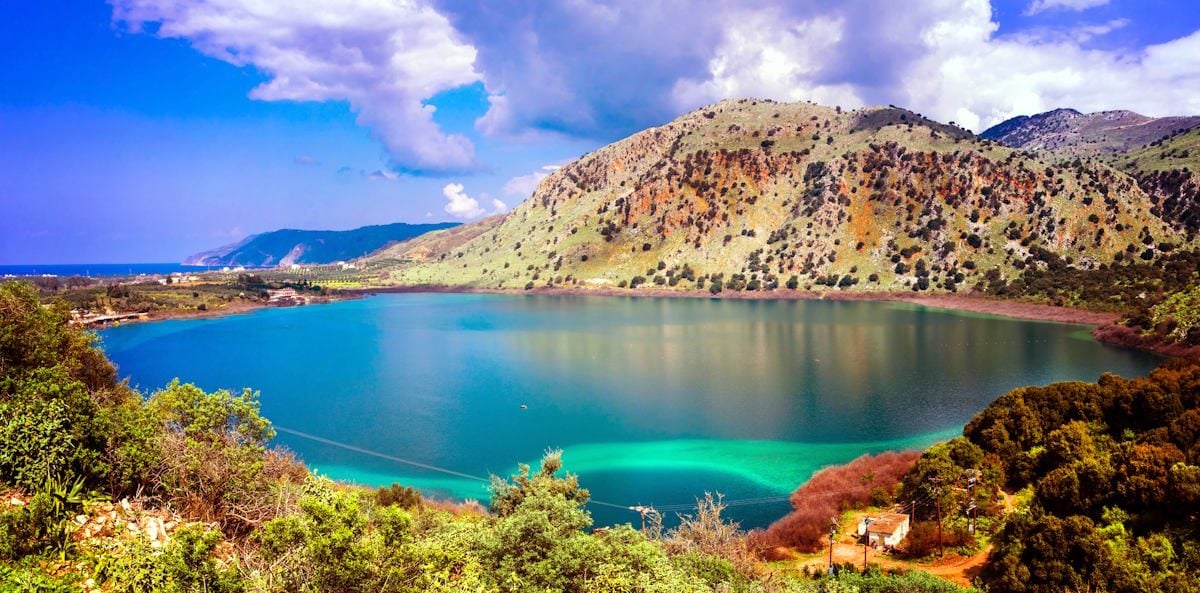
Not far from the lake, Georgioupolis beach [Google Maps] stretches out with soft sand and a tiny chapel perched on a rocky jetty. The view is iconic, and it’s a favorite spot for photos.
Vryses [Google Maps], a nearby village, is famous for its sheep’s yogurt and the cool shade under massive plane trees. If you’re looking for a mix of history and seaside charm, Kalyves is another great stop in Apokoronas.
This part of Crete shows you what the island looks like when tourism isn’t the main story. Georgioupolis beach is a relaxed spot for an afternoon, and the roads here are easy for standard hire cars.
Kissamos And The West Coast Hinterland

Kissamos [Google Maps], about 40 kilometres from Chania, anchors the western end of the north coast. Kissamos Port is where you catch ferries out to Balos.
The town has a small archaeological museum with Minoan and Roman finds. Exploring these quieter cultural sites is a welcome break from the crowds, especially in high season.
Up in the mountains, Milia Mountain Retreat gives you a peek at sustainable living in a restored medieval settlement. It’s a peaceful spot for lunch or a slow walk through chestnut forests.
Villages south and west of Kissamos, like Platanos and the area behind Kastelli, sit among vineyards and old Venetian farmhouses. If you’re heading to Balos by ferry, try to arrive in Kissamos an hour early so you can wander the town before boarding.
History, Archaeology And Museums
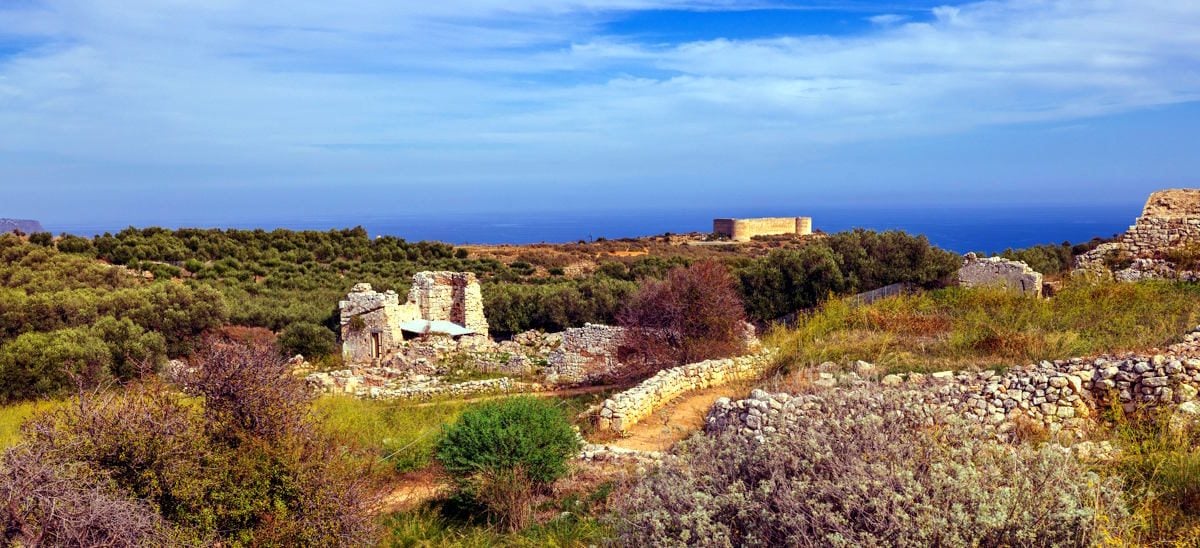
Western Crete has a rich past, stretching from Minoan settlements to Classical Greek, Roman, Byzantine, Venetian, and Ottoman times. If you’re interested in the island’s history, there are three sites you shouldn’t miss.
Aptera
Aptera [Google Maps], an ancient city-state, sits on a plateau about 15 kilometres east of Chania and overlooks Souda Bay. The site brings together Minoan, Classical, Roman, and early Byzantine structures in one spot.
You’ll see a Roman cistern, several temples, a theatre, and big defensive walls. Entry is cheap, and it’s rarely crowded. Give yourself two to three hours to wander comfortably.
Since it’s so close to Chania, Aptera is one of the easiest archaeology trips you can make from the city. It’s a great way to get a feel for Crete’s layered history without a long drive.
Maritime Museum Of Crete

The Maritime Museum stands at the entrance to Chania’s Venetian harbour [Google Maps]. It covers Crete’s naval history from ancient times through the Second World War.
This museum is compact—you can see it in an hour or two. The Second World War section focuses on the 1941 Battle of Crete, which is especially interesting for British and Commonwealth visitors.
The building itself is a Venetian fortress and worth a look even if you’re not into ships or military history. There’s something about wandering an old fort by the sea that just feels right.
Ancient Eleutherna And Museum
Eleutherna [Google Maps], a major archaeological site, sits in the foothills of the White Mountains, southeast of Rethymno and about 80 kilometres from Chania. The museum in the nearby village opened in 2016 and is one of Greece’s best regional archaeology museums.
The collection highlights finds from the Geometric and Archaic periods—think beautiful funeral goods and bronze work. Plan for at least half a day here.
The drive east from Chania along the north coast is easy. You’ll pass through Rethymno, which is good for a short stop.

While you’re in Rethymno, check out the impressive Fortezza, the Venetian castle on the hill above the old town. Exploring its bastions and the mosque inside gives you a real sense of Crete’s Venetian past.
Don’t miss the Rimondi Fountain in the town’s historic center. It’s a fancy 17th-century landmark that’s easy to find while you wander.
Walking Routes And Practical Planning
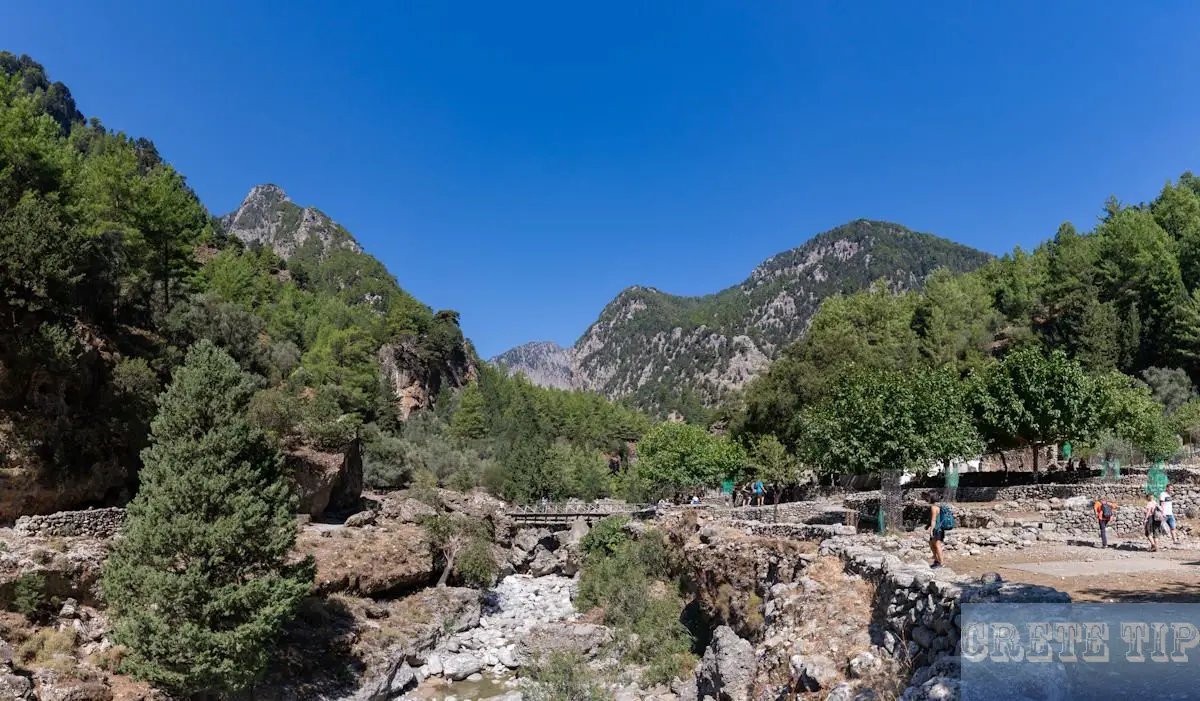
The White Mountains tower south of Chania and hold two of Crete’s most popular gorges. Both walks are stunning, but it’s important to think about your fitness, the season, and how you’ll get there and back. Sometimes, the logistics are as challenging as the hike itself.
Samaria Gorge
Samaria Gorge [Google Maps] claims the title of longest gorge in Europe and is one of Greece’s most famous walks. The hike runs about 16 kilometres, starting from the Omalos Plateau at 1,200 metres and ending at Agia Roumeli on the south coast.
The trailhead sits at Xyloskalo [Google Maps], where a long set of steps drops you into the canyon. It’s all downhill, but the last stretch over loose rocks can be tough on the knees.

If you’re lucky, you might spot the shy kri-kri goats that live in the national park. These rare animals are a symbol of Crete’s wild side.
Plan for five to seven hours of walking. When you reach Agia Roumeli, you’ll catch a boat to Chora Sfakion and then a bus or taxi back to Chania.
The gorge is open from May to October but closes in winter or after heavy rain. Organised tours from Chania handle all the transport, and booking one is usually the easiest way to deal with the hike’s tricky logistics.
Imbros Gorge

Imbros Gorge [Google Maps] is shorter, less steep, and much less crowded than Samaria. The trail is about 8 kilometres long and takes two to three hours to walk.
Imbros sits around 45 kilometres south of Chania, near Chora Sfakion. At the end, you can arrange a ride or, if you’re feeling energetic, walk back up.
It’s a great pick for walkers who want the gorge experience without committing a whole day. The scenery is still impressive, but the pace is more relaxed.
Driving Times, Parking And What To Pack
| Destination | Distance from Chania | Approx. Drive Time |
|---|---|---|
| Theriso | 15 km | 20 minutes |
| Aptera | 15 km | 20 minutes |
| Kissamos | 40 km | 45 minutes |
| Falassarna | 60 km | 60 minutes |
| Omalos (Samaria start) | 37 km | 50 minutes |
| Elafonissi | 75 km | 75 minutes |
| Imbros Gorge | 45 km | 55 minutes |
| Rethymno | 60 km | 55 minutes |


Parking at popular beaches fills up fast in July and August. Try to arrive before 9am, or use ferries where you can.
For gorge walks, bring sturdy closed shoes, at least two litres of water per person, and a light layer for higher elevations in spring or autumn. It sounds simple, but you’ll thank yourself later.
Frequently Asked Questions

What are the best day trips to take from Chania?
It really depends on what you’re into. Balos Lagoon and Elafonissi are the stars if you want beaches that feel like postcards.
If you’re up for a serious walk, Samaria Gorge is the spot. Aptera and Theriso are quick escapes for a bit of history and a change of scenery inland.
Honestly, matching your trip to your energy level and the season matters way more than picking a single “best” place. Sometimes the mood just hits differently depending on the weather or how much you want to move that day.
Which nearby towns and villages are nicest to visit from Chania?
Vamos sits quietly in the Apokoronas region, about 30 kilometres east. It’s well-preserved and doesn’t get too busy, which I really like.
Kissamos is an easy drive west, with a small museum and ferries heading out to Balos. If you want something on the south coast, Paleochora is roughly 90 minutes by car and feels genuinely local with some good beaches thrown in.
What are the best beaches near Chania for a day out?
Falassarna is probably the easiest of the big-name beaches to reach—about an hour’s drive on roads that won’t stress you out. Elafonissi is farther and honestly, the scenery there is wild.
If you don’t want to drive forever, Stavros beach on the Akrotiri Peninsula is only 30 minutes away. It’s sheltered and pretty, perfect if you want to skip the long haul.
Seitan Limania is another favorite on the peninsula. Those cliffs and the turquoise water—yeah, it’s as dramatic as people say.
Are there good boat trips you can do from Chania in a day?
Definitely. The ferry from Kissamos to Gramvousa Island and Balos Lagoon is the most popular, and it pretty much takes up the whole day.
Shorter boat trips leave from Chania’s old harbour, cruising along the coast and into Souda Bay. If you want to do your own thing, private boat hire is an option too.
What are the easiest day trips from Chania without a car, using buses?
Buses run often from Chania to Rethymno, so that’s an easy no-car day out. In summer, there are coach services to Elafonissi and Samaria Gorge too.
You can reach the Kissamos ferry for Balos by bus as far as Kissamos, then hop on the ferry. Just a heads up—local bus timetables shift with the seasons, so it’s smart to double-check a few days before you go.
Can you do a day trip from Chania to Heraklion, and is it worth it?
Heraklion sits about 140 kilometres east of Chania. By car, the drive takes around 90 minutes, or about two hours if you go by bus.
It’s a long day, but you could make it work—especially if you want to see both Knossos and the Heraklion Archaeological Museum. Walking through the ruins of Knossos, you’ll get a real sense of the Minotaur legend. For history buffs, Knossos Palace is a must.
If you join a guided tour at Knossos Palace, the ancient Minoan stories feel much more vivid. Kids and adults seem to get something out of it.
The Archaeological Museum in Heraklion is honestly one of Greece’s best. Personally, I think it’s more enjoyable if you can spend a night or two in central Crete, instead of squeezing everything into a single day from Chania.