

News brief from Wednesday, 25 November 2026:
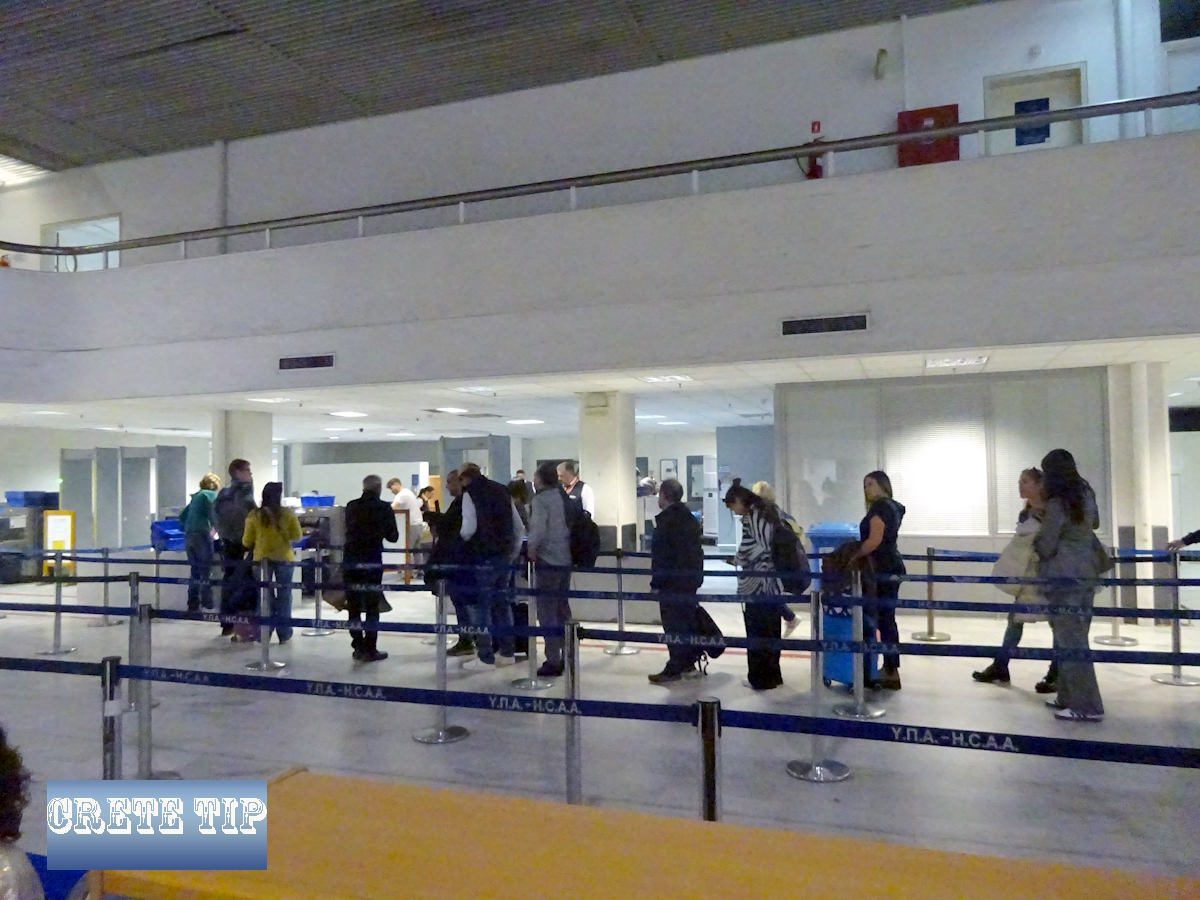
Digital checks under the European Union’s Entry/Exit System (EES) have been associated with lengthy waits at borders in Europe, according to travel-industry leaders. Greece appears to have been an exception during the past summer: Sunvil chief executive Chris Wright said the country seemed to have kept the system largely on hold.
Speaking at a travel-regulations conference in London, Wright said media coverage had nevertheless unsettled some customers. He added that his company had underestimated the system’s effect on its older clientele. Wright judged the impact on travel to be greater than that of the war in Iran; this was his assessment, rather than a measured comparison.
Executives from TUI, Ryanair and easyJet also raised concerns about delays at European borders at industry events in London. They described long waits and warned that continued problems could discourage people from travelling. The account by money-tourism brings together comments made at the ABTA travel-regulations conference and an Airlines UK conference.
Oliver Clark, public-relations director of the Association of British Travel Agents (ABTA), said measures intended to reduce delays were still in place. He also said no launch date had been set for the planned European Travel Information and Authorisation System (ETIAS). According to the report, ETIAS is intended to require nationals of non-EU countries to pay a €20 fee on their first entry.
The head of the UK Border Force also criticised the EES rollout, citing delays in contractors’ work and difficulties with digital registration on entry and departure. The industry comments call for the system’s problems to be addressed, but the report gives no firm timetable for changes and records no specific EU commitment to make them.
What does this mean for visitors or expats?
If you are travelling to Europe from outside the EU, it may be sensible to check current border guidance before departure and allow for possible queues when planning connections. Greece’s apparently lighter use of the EES refers to the past summer and should not be treated as a guarantee for future trips. The report also says ETIAS has no launch date yet, so check official information before travelling rather than relying on an assumed start date.



