

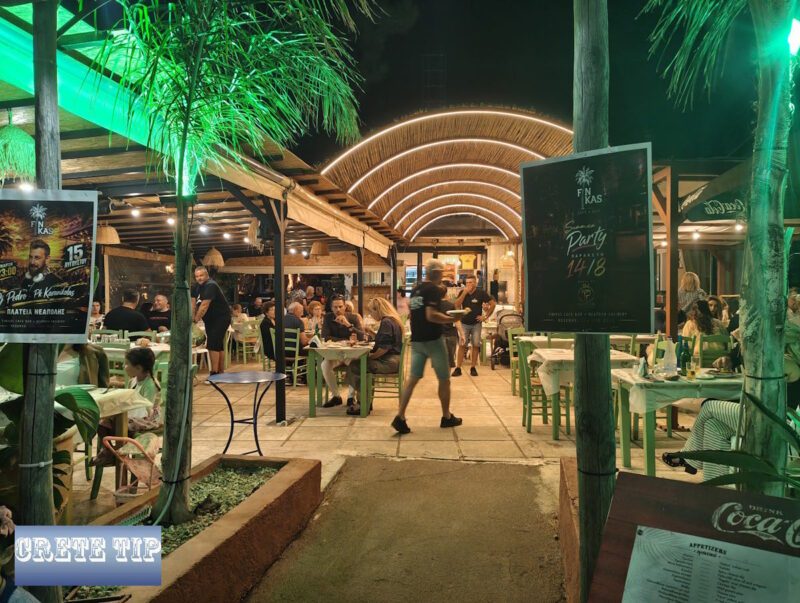
If you show up at a Cretan taverna before nine on a Saturday night, you’ll probably find it half-empty and a bit confusing. That’s normal for Crete in the early evening.
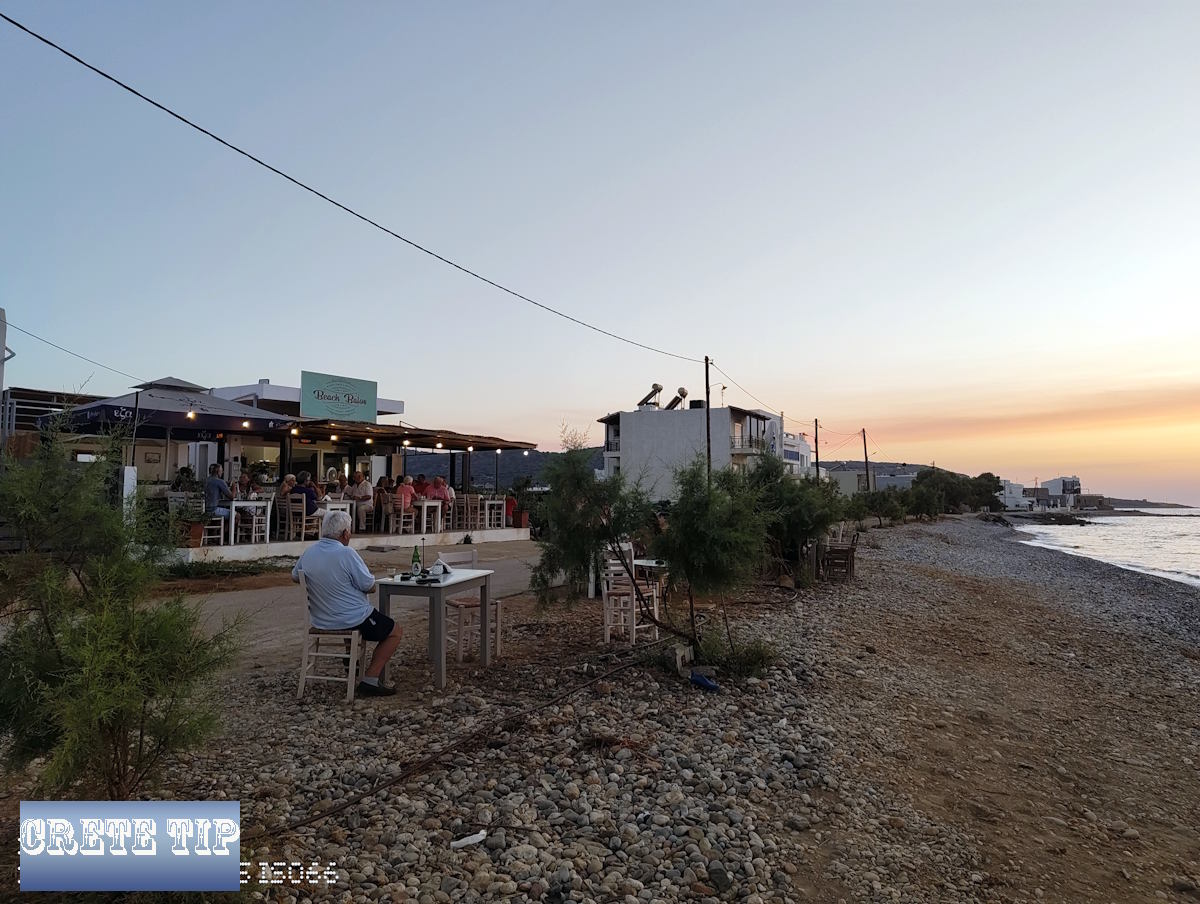
The chairs are out, paper tablecloths look untouched, and a ceiling fan turns lazily over nobody at all. It’s not a bad sign—you’re just early.
The taverna in Crete isn’t just a spot for food; it’s where the social fabric of a village or neighborhood really shows itself, one shared plate at a time. Families wander in from side streets. Chairs scrape on the stones.
Tavernas and restaurants in Crete that we have visited and recommend

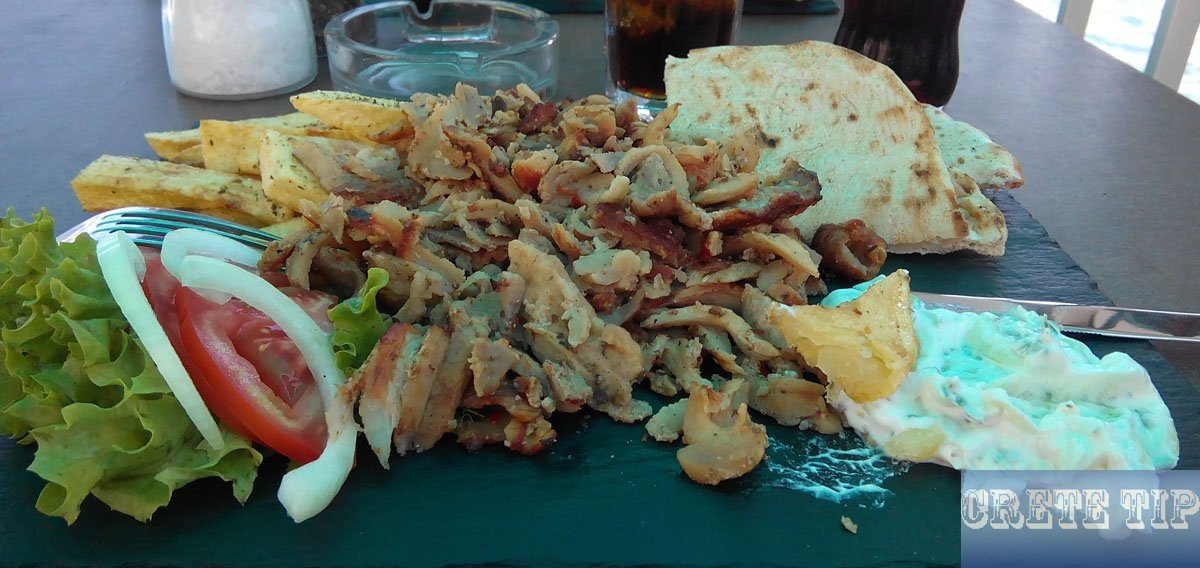
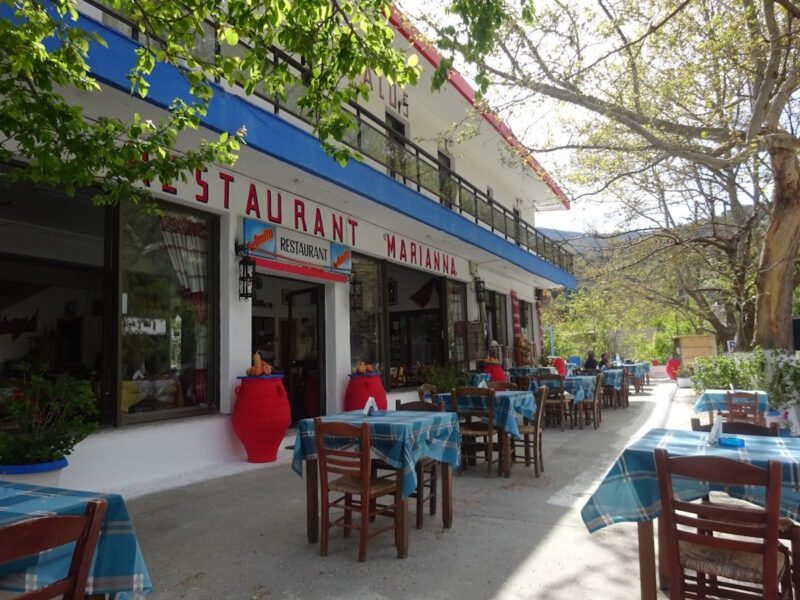
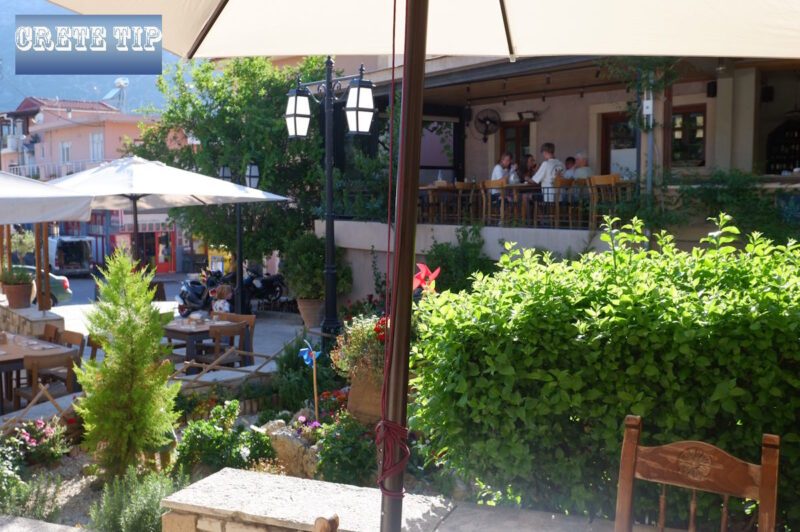


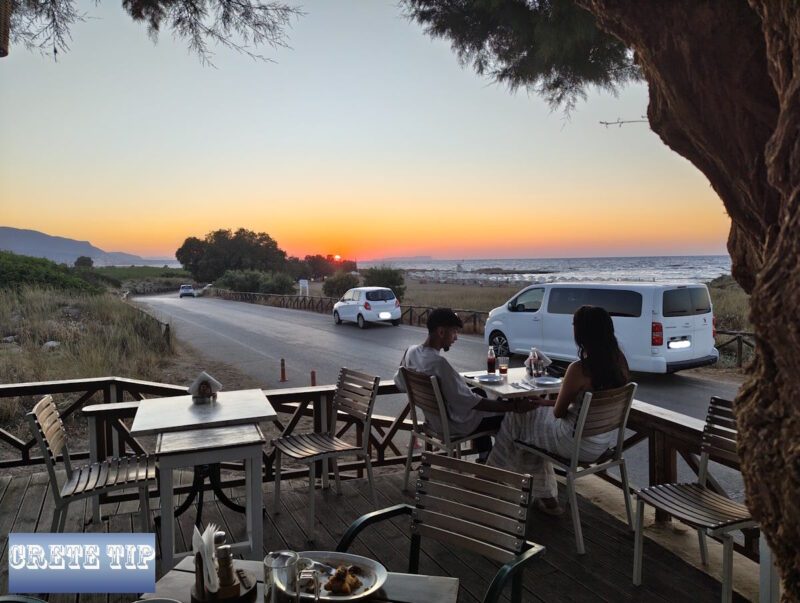
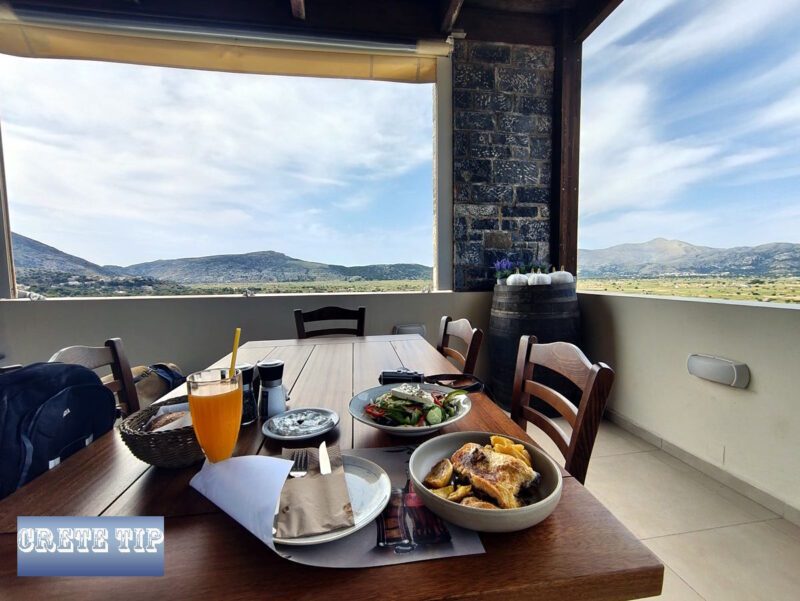

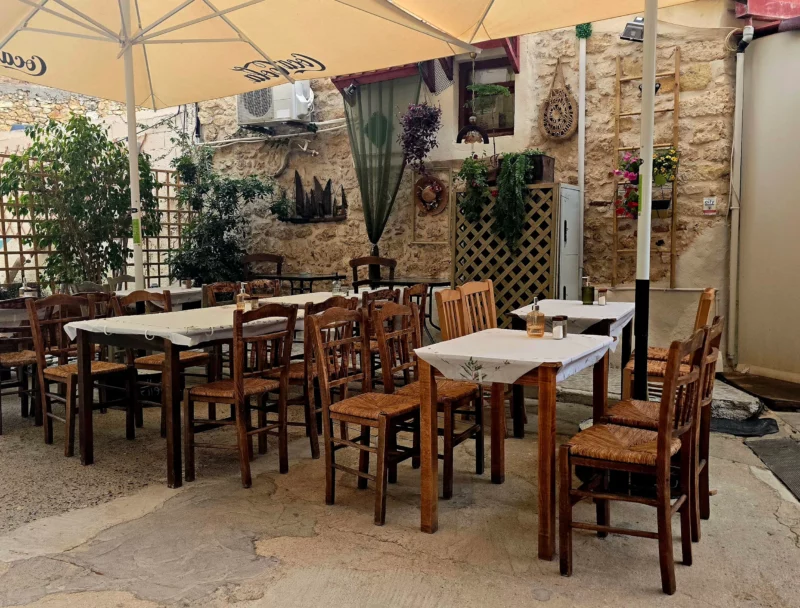
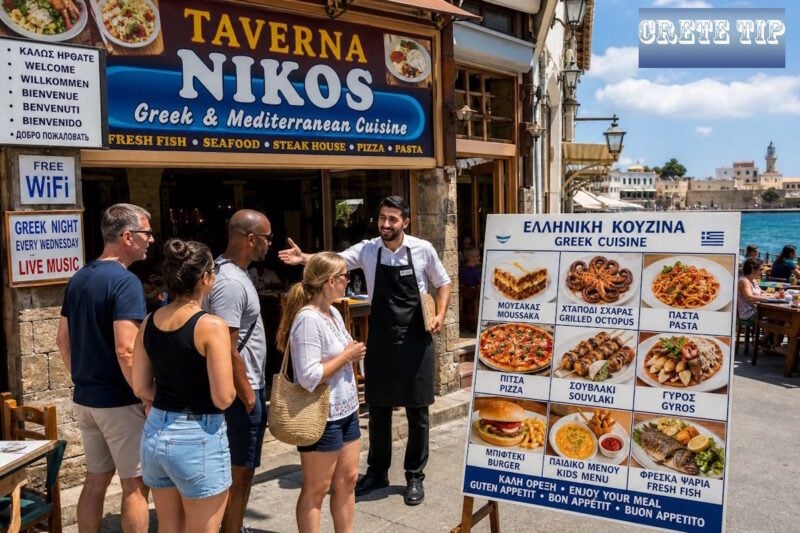
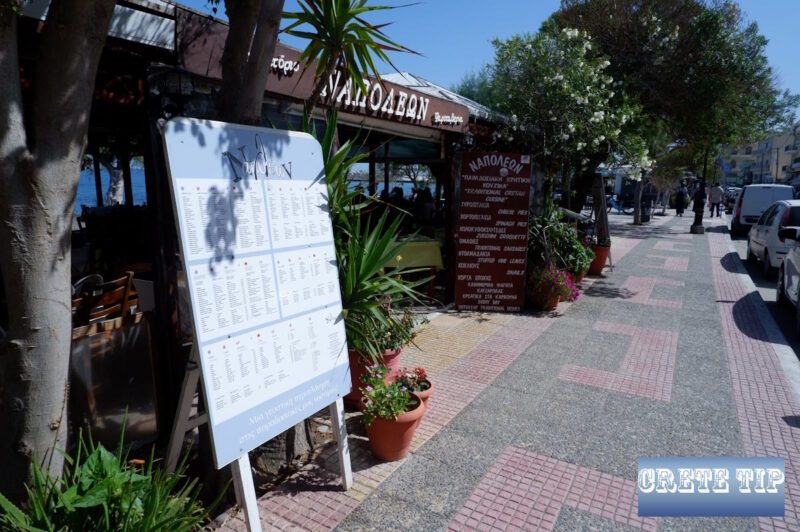

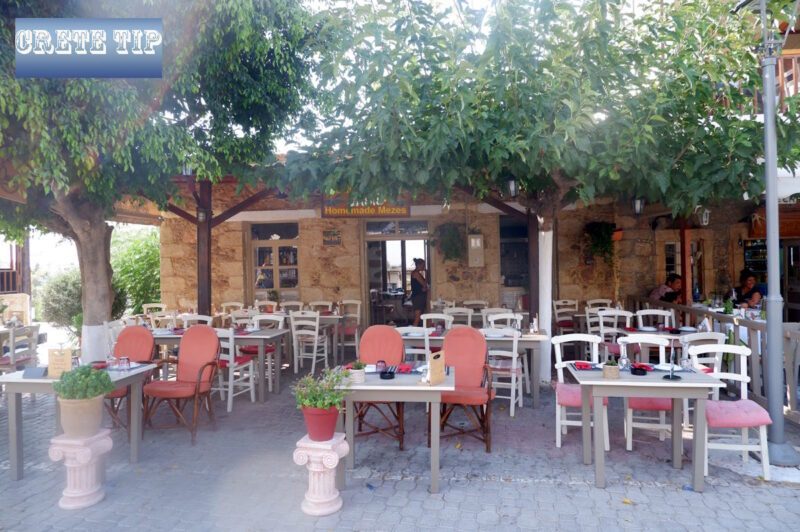


A bottle of house wine lands at your table before anyone’s really looked at the menu. Kids dart between tables like the whole square belongs to them—and honestly, it kind of does.

Once you stop expecting restaurant logic and start thinking in taverna terms, Crete opens up in a new way. A Saturday night here can turn into one of the most eye-opening things you’ll see as a visitor.
The food matters, sure. The drinks matter too.
But the real heartbeat is the company and the way people enjoy traditional Cretan food together. Sharing a meal here is the most direct way to get what Cretan cuisine actually means, right where it belongs.
It’s about the quiet pleasure of showing up where everyone expects you to be.
What A Taverna Means In Cretan Life

The taverna sits right at the center of Cretan social life. It holds memory, news, arguments, celebrations, and just plain hunger under the same roof.
The line between eating and socializing doesn’t really exist here. The kafenio is for coffee and gossip during the day, but the taverna is where the community comes together as the sun goes down.
More Than A Place To Eat
A taverna feels more like a living room that happens to serve food than a restaurant with a menu and a bill. The owner probably knows your usual order.
Your favorite table is quietly understood, not booked. In villages, the taverna is where the week gets talked out loud.
News travels fastest here—weddings, funerals, someone’s cousin’s story. You might spot gamopilafo, a rice dish for special occasions, making its rounds.
After a while, you realize the food is almost background to the conversation.
Why Shared Tables Still Matter
Cretan hospitality is all about abundance, even when times are lean. Plates land in the middle, not in front of each person.
This isn’t just a quirk; it’s a statement about what a meal means here. Eating alone, even if you technically are, still means eating from the communal spread.
The shared table pulls everyone together. You taste more, talk more, and the meal just stretches out.
Nobody’s in a hurry, and nobody seems to mind.
The Saturday Night Social Ritual
Friday and Saturday nights feel different. Work’s done, school’s out, and the week’s tension needs somewhere to go.
The taverna soaks it all up with a kind of reliable warmth. By ten, the place is buzzing—three conversations at once, a toddler asleep on chairs, someone’s uncle telling stories at the end of a long table.
The evening isn’t planned. It just builds up, dish by dish, with no rush to finish.
How The Evening Usually Unfolds

The pace of a Cretan taverna night is the first thing you notice and maybe the last thing you really get. Arriving, ordering, eating, and leaving all have their own rhythm, with plenty of breathing room in between.
Arriving Late And Settling In
Nine is a perfectly normal arrival time. Half past nine? Totally fine. Ten? Still not weird.
Cretan families eat late by northern European standards, and the kitchen knows it. There’s no last sitting—just a flow.
When a group arrives, nobody jumps to order. There’s a settling-in that might last twenty minutes before anyone looks at the menu.
Chairs get shuffled, extra seats appear, coats end up wherever. A jug of water and a basket of bread show up. That’s the unofficial start.
Ordering As A Group
No one orders in a strict, individual way. Someone who knows the kitchen takes the lead, tossing out dish suggestions.
The grandmother might veto a few before everyone settles on what sounds good. Extra plates come without asking, because sharing is the default.
The waiter doesn’t get grilled about portions. There’ll be enough, or more than enough, and that’s just fine.
Under-ordering would be a little embarrassing, but nobody says it out loud.
Lingering Long After The Plates Are Empty
When the food’s gone, the night isn’t. This is where visitors get surprised.
Plates disappear, tsikoudia shows up on the house, and then… nothing in particular happens for a good while. Nobody waves for the bill. Conversations wander. Someone might order a coffee.
The bill comes when you ask, and sometimes a little after. That’s just the taverna’s way of saying, “No rush, stay as long as you like.”
Food, Drink And The Logic Of Sharing

Cretan cuisine is seasonal and local, built for sharing. That’s the backbone of Cretan food and the famous Cretan diet, known for its connection to longevity.
Authentic dishes use natural ingredients and old-school techniques. The menu reflects what’s actually available that day, not some fixed list.
The best tavernas in Crete thrive because the kitchen only makes what’s fresh. In a good taverna, the specials are whatever’s in season.
Cretan Meze, Seasonal Dishes And House Specialities
Cretan meze are the small plates that kick things off. You’ll usually see kalitsounia—little pastries filled with cheese or wild greens.
Handmade kalitsounia are a real treat, especially fresh from the oven. Down south, they might bring out Sfakian pie, a thin dough stuffed with cheese and drizzled with thyme honey.
Stuffed courgette flowers sometimes show up, filled with rice and herbs. Dakos—barley rusks topped with tomatoes and olive oil—are basically a must at any table.
Cheese comes in all forms, from soft spreads to hard, aged wheels. Other dishes like dolmades, staka, and graviera just keep coming until the table is packed.
Staka has this rich, buttery flavor that sneaks up on you. Maybe there’s a plate of horta—wild greens from the hills, served with lemon.
Seasonal dishes matter way more than in touristy spots. In autumn, you might get moussaka, slow-cooked rabbit, or goat. Spring brings fresh horta or wild stamnagathi greens, maybe alongside lamb.
Tsigariasto, a slow-cooked meat dish, shows off the local olive oil. In some mountain villages, lamb antikristo makes an appearance—meat cooked around an open fire, smoky and tender.
Chefs like Stelios Trilirakis have put these mountain traditions on the map by sticking with wood-fired methods. The ancient antikristo style uses fire’s heat to cook the meat from across the flames, giving it a taste you can’t really get any other way.
Inland tavernas lean toward meat and beans; on the coast, it’s all about small fish like red mullet, octopus, and squid caught that morning. Grilled red mullet is a highlight for a lot of people.
Stamnagathi with lemon and olive oil is a staple, simple and perfect.
Raki, Wine And Hospitality Customs

Raki (or tsikoudia in Crete) isn’t just a drink—it’s a gesture. It arrives at the start, sometimes in the middle, and almost always at the end, usually from the house, no charge, no fuss.
Refusing it is a little awkward, but nobody cares if you just sip. The point is that it’s poured, not how much you drink.
Cretan wine, almost always served in carafes, is what you’ll get with a proper meal. Many places now serve local wines made from grapes like Vidiano or Liatiko.
A glass of Liatiko on a warm night is honestly hard to beat.
Why Nobody Eats In A Hurry
The slow pace isn’t an act. When everyone’s sharing plates and chatting, eating fast just doesn’t happen.
Forks pause midair for a story. Food cools off a bit. Nobody’s bothered.
This isn’t a show for tourists—it’s just how meals work here. When eating is also a social event with no set end, why rush?
The People Around The Table

Who sits around a taverna table tells you a lot about how Cretan society is organised.
The mix of ages, relationships, and social roles at a single table is one of the first things that jumps out if you’re paying attention.
Families Across Generations
A Cretan family table on a Saturday night usually spans at least three generations.
You’ll see a grandmother who’s been eating at this table for decades sitting next to a grandchild who’s more interested in running circles around it.
Parents fill the practical middle ground, ordering, managing, and juggling a few conversations at once.
This isn’t a special occasion setup—it’s just how things are.
Kids aren’t tucked away or sent to bed early; they’re right there, darting between tables, picking up the rhythms of the place as easily as they pick up the language.

Friends, Neighbours And Village Networks
The table often grows as the evening goes on.
A neighbour might spot someone and pull up a chair, or a cousin shows up out of nowhere and gets folded right in.
No one sees this as an interruption—it’s just the texture of a night out at the taverna.
News and stories move across these overlapping groups without any formal system.
Honestly, a taverna on a Saturday night might be the best place to catch up on what’s happening, swap gossip, or lend a hand—all while sharing plates of fried courgette.
Hosts, Regulars And Passing Visitors
The owner or whoever’s running the kitchen usually knows the regulars by name—and by what they like to eat.
You can spot a kind of hierarchy of familiarity, but visitors aren’t left out or made to feel awkward.
If you’re just passing through, you’ll get a warm welcome, a good meal, and plenty of generosity.
Regulars, though, might get an extra carafe of water, more bread without asking, or even a nudge about what to order.
Both types of hospitality feel real; they’re just different flavors of the same thing.
Village Tavernas And Town Tavernas

Crete’s a big island, and life moves at different speeds depending on where you are.
The taverna pops up everywhere, but it acts differently in a mountain village than it does in the middle of Heraklion or Chania.
Some of the best tavernas in Crete hide out in tiny hamlets, where the kafenio and the taverna might even share a roof.
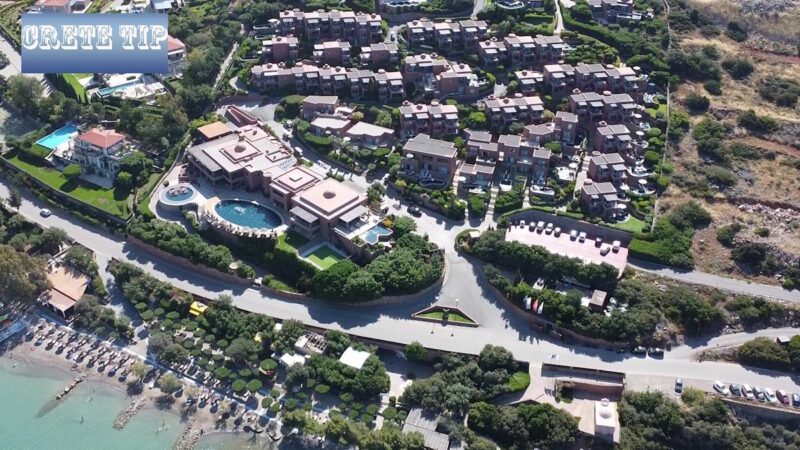
Places like the kapsaliana village hotel restaurant polish up this old village vibe for visitors, but you can still feel the roots.
Different Rhythms In Rural Communities
Take a village taverna in the Lassithi Plateau or up in the White Mountains—you might find just a handful of tables and a menu that depends on what was fresh that morning.
Even by Cretan standards, the pace is slow.
In these spots, the taverna is often the only place to eat for miles around, so it matters more than just a restaurant.
A wedding party, a saint’s day, or just a regular Tuesday evening can look surprisingly similar, except the Tuesday crowd is smaller and the music’s probably coming from someone’s phone instead of a live lyra.
Busy Urban Dining Rooms On Weekend Nights
In Heraklion, Chania, or Rethymno, a popular taverna fills up fast on Friday and Saturday nights.
The room gets loud, tables squeeze closer together, and the kitchen has to keep up with a bigger crowd.
The vibe is more energetic than cozy.
Even in the city, you’ll see shared plates and long meals, but the crowd is a mix—office friends, students, families, all packed in.
Some neighbourhood tavernas in Chania have served the same families for generations, but they still feel busier than their country cousins.
And lately, you might stumble across creative takes on old Cretan recipes, which keeps things interesting and, honestly, pretty exciting if you like to eat.

What Visitors Often Notice First
Most visitors from northern Europe notice the volume before anything else.
Conversations in a Cretan taverna happen at a pretty confident pitch, and laughter bounces off the walls.
It’s not aggression—it’s just how people engage.
The next thing that stands out is how long people linger.
A family that rolled in at nine-thirty might still be there at midnight, with no rush to leave.
They’re staying because they want to, not because they lost track of time.
How To Read The Atmosphere Respectfully
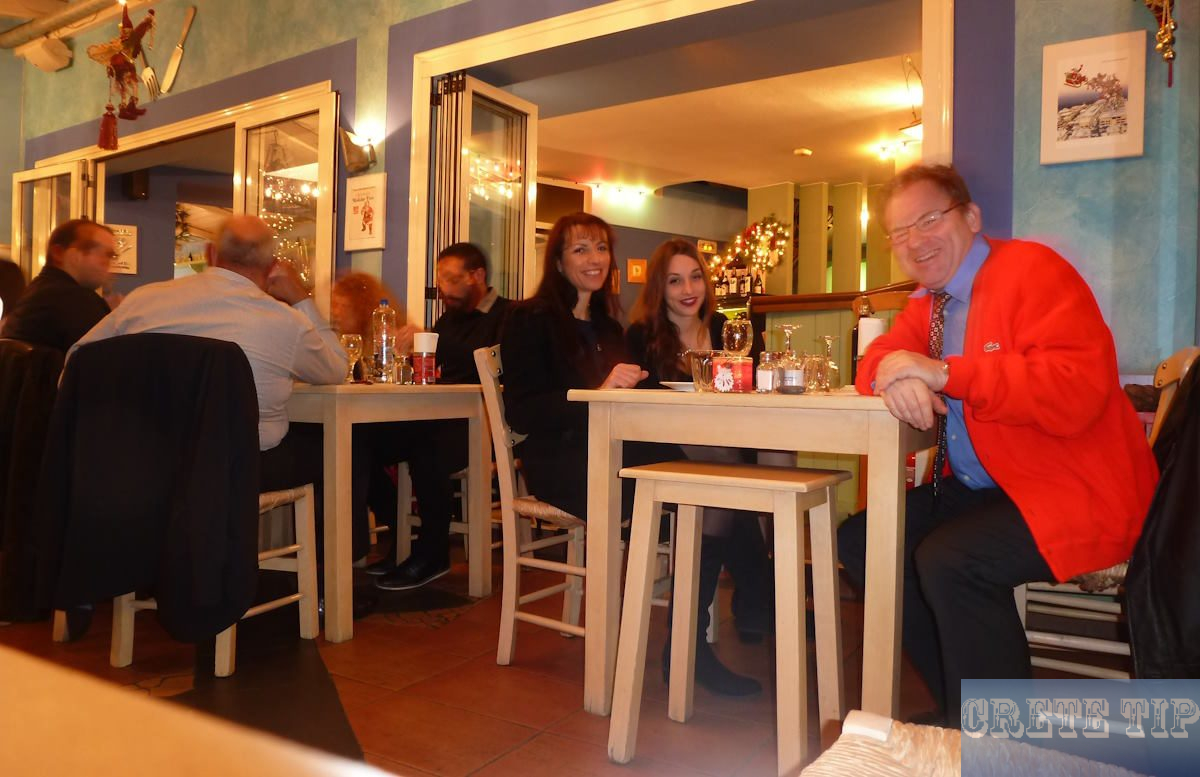
You don’t need any special tricks to walk into a Cretan taverna, but a bit of awareness makes the whole experience better for everyone.
The unwritten rules aren’t complicated, and nobody’s going to scold you, but picking up on them goes a long way.
Choosing Where To Sit And When To Go
If you want a quieter, more personal meal, maybe skip the peak Saturday night hours.
A weeknight or an early Friday can get you more time with the owner and a better feel for how the place runs when it’s not packed.
When you arrive, just pause and wait to be seated instead of grabbing the best-looking table right away.
Regulars have their favorite spots, so that little wait costs you nothing and avoids any silent awkwardness.
Honestly, if a table near the kitchen smells amazing, that’s a good sign.
Pacing, Manners And Small Courtesies
Try to match the pace of the room.
Don’t rush your order or expect to be out in forty minutes.
Ask what’s good today, order a few things, see what arrives, and then decide if you want more.
The kitchen likes it that way, and honestly, the food tastes better when you take your time.
When it’s time to pay, don’t wave frantically for the bill.
Catch the waiter’s eye or say logariasmo parakalo (the bill, please) as they pass.
Leaving a small tip is nice but not required; just rounding up or leaving a few euros is the usual move.
Enjoying The Experience Without Romanticising It

The Cretan taverna isn’t some stage set built for your holiday photos. It’s a living, breathing part of local life—one that’s been here way before tourists ever showed up, and it’ll stick around long after you leave.
That’s not a warning. Actually, it’s kind of comforting if you think about it.
You’re absolutely welcome at the table. The welcome feels honest. The food’s honest too.
The noise, the slow pace, the extra raki, and the occasional chaotic service? All of that’s real as well.
Honestly, that’s what gives a night at a Cretan taverna its charm. It’s way more interesting than any polished, predictable dining spot.
Sit down, order whatever catches your eye, and just let the evening unfold. It always does, somehow.