

Stand on the Martinengo Bastion in Heraklion, above the old Venetian walls, and you’ll find a plain stone slab with no cross, no title. It quietly reads: I hope for nothing. I fear nothing. I am free.
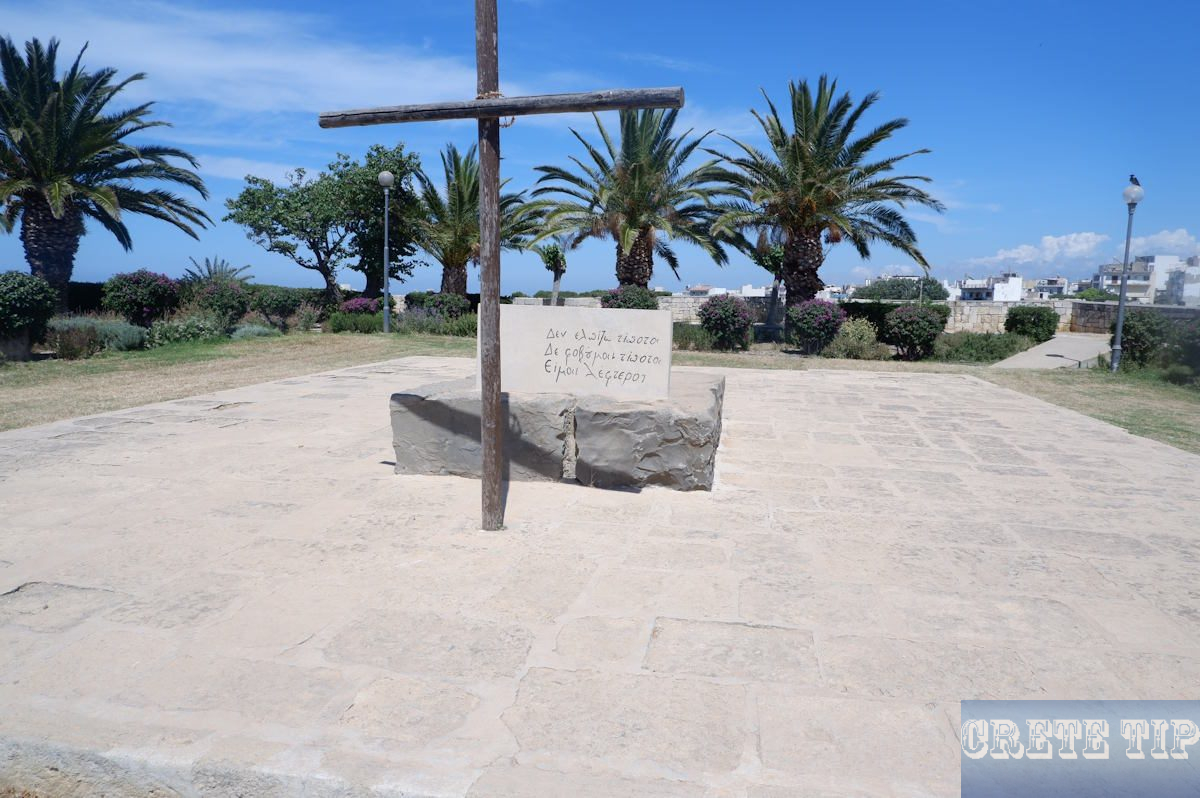
Underneath lies Nikos Kazantzakis, the most widely translated Greek writer of the modern age. His work is still a cornerstone of modern Greek literature, reflecting a man who carried Crete in his blood—even after decades spent away.
Most people meet Kazantzakis through Zorba the Greek, either the novel or the film shot on a windy beach near Akrotiri. That book is a real doorway into his world, but honestly, it’s just one room in a much bigger house.
His writing makes far more sense once you understand the island that produced him—an island shaped by Ottoman rule, uprisings, monasteries, mountains, and a stubborn appetite for independence.
This article works through his life, his ideas, his major books, and the places in Crete where you can still feel something of him today. If you already know the name and want to dig a little deeper—without turning a complicated writer into a simple legend—stick around.
A Life Shaped By Heraklion And Beyond
Kazantzakis grew up in a city under foreign rule. He studied law and philosophy in Athens and Paris, took public posts during a turbulent period for Greece, and eventually died far from home before being brought back to Crete for burial.
Each stage left a distinct mark on the writer he became.
Childhood In Ottoman-Era Candia
Nikos Kazantzakis was born in 1883 in Heraklion, still widely called Candia at the time. The Ottoman Empire maintained its rule, but rebellion was part of ordinary life.
His father, Michalis, traded in agricultural goods and had a reputation for stubborn, unbending honesty. His mother, Maria, gave the household its warmth.
Later, Michalis became one of the models for Captain Michalis, the hero of the novel known in Greek as Kapetan Michalis. English readers recognize this work as Freedom or Death.
By the age of six, young Nikos had already witnessed an uprising on the streets of his own city.
Studies, Travel And Intellectual Influences

He studied at local schools in Heraklion, then at a Catholic school on Naxos. There, he first encountered French and Italian literature in depth.
He enrolled at the University of Athens to study law, which gave him discipline. During his student years, he wrote his first work, Serpent and Lily, reflecting his early poetic voice.
Philosophy studies in Paris, where he attended lectures by Henri Bergson, opened his thinking towards ideas of struggle and creative force. He was particularly drawn to the concept of élan vital, the vital impetus that drives all living things to evolve.
Kazantzakis also absorbed the philosophy of Friedrich Nietzsche, especially Thus Spoke Zarathustra. During his European travels, he encountered the psychological theories of Sigmund Freud.
He believed traveling was a way to confront new ideas and deepen his understanding of human desire and internal conflict. He translated Dante’s Divine Comedy, Bergson, and Homer—work he called a wrestling match with language itself.
His translations of the Iliad and the Odyssey let him connect his modern Greek voice with the ancient roots of Greek literature. He felt a deep kinship with Odysseus and saw the mythical hero as a symbol of the restless human spirit.
Public Life
Kazantzakis briefly held public office. In 1919, he helped organize the evacuation of Greek refugees from the Caucasus.
The experience left him with a lasting respect for ordinary survival and a deep suspicion of grand political promises. He traveled constantly afterward—to Russia, Spain, Palestine, Egypt, China, Japan, Sinai, and Mount Athos.
During his early years, he married Galatea Alexiou, a fellow writer and intellectual. His pilgrimage to the holy mountain with poet Angelos Sikelianos became a pivotal moment in his lifelong spiritual search.
Exile And Final Years

Much of his later life unfolded abroad, especially in France, England, and Germany. He often left from the port of Piraeus, escaping Greece to write without constant controversy at home.
He died in 1957 in Freiburg, with his wife Eleni Samiou at his side. She remained his most loyal supporter.
His coffin flew back to Crete, and he was buried in Heraklion on the city’s old fortifications. The Orthodox Church wouldn’t allow burial in a regular cemetery.
The Ideas At The Heart Of His Writing
Three ideas run through almost everything Kazantzakis wrote: freedom as something earned through struggle, a restless questioning of faith, and a deep respect for people who refuse to fit neatly into convention. None of these ideas stayed abstract for him.
They came from a childhood spent watching real uprisings and real costs.
Freedom, Struggle And Human Responsibility
For Kazantzakis, freedom was never handed over easily or cheaply. Growing up during Cretan uprisings against Ottoman rule, he learned that liberty arrives through sacrifice, not declarations.
His characters often earn their freedom through hardship, loss, or failure—rarely comfort.
Faith, Doubt And Spiritual Searching
Kazantzakis respected religious feeling but resisted rigid dogma his entire life. His short, dense work Askitiki (also called The Saviours of God or The Saviors of God: Spiritual Exercises) describes a spiritual ascent through struggle rather than obedience.
His curiosity also led him to study Buddhism, searching for peace in its philosophical tenets. He even wrote a play titled Buddha during a period of intense spiritual questioning.

This searching, unresolved relationship with the divine runs through nearly all his major fiction.
The Individual Against Convention
His heroes, from Zorba to Kapetan Michalis, tend to stand slightly outside their communities. They follow instinct, appetite, or personal codes of honour—even when it isolates them.
This reflects a value still visible in parts of rural Crete today: a wary respect for independence, even when it causes friction.
Major Works And Their Enduring Appeal

Kazantzakis wrote novels, plays, poetry, and travel writing, contributing extensively to Greek literature. A handful of books explain why his name still matters.
Each one reflects a side of his character, from the defiance in Kapetan Michalis to earthy vitality and spiritual doubt.
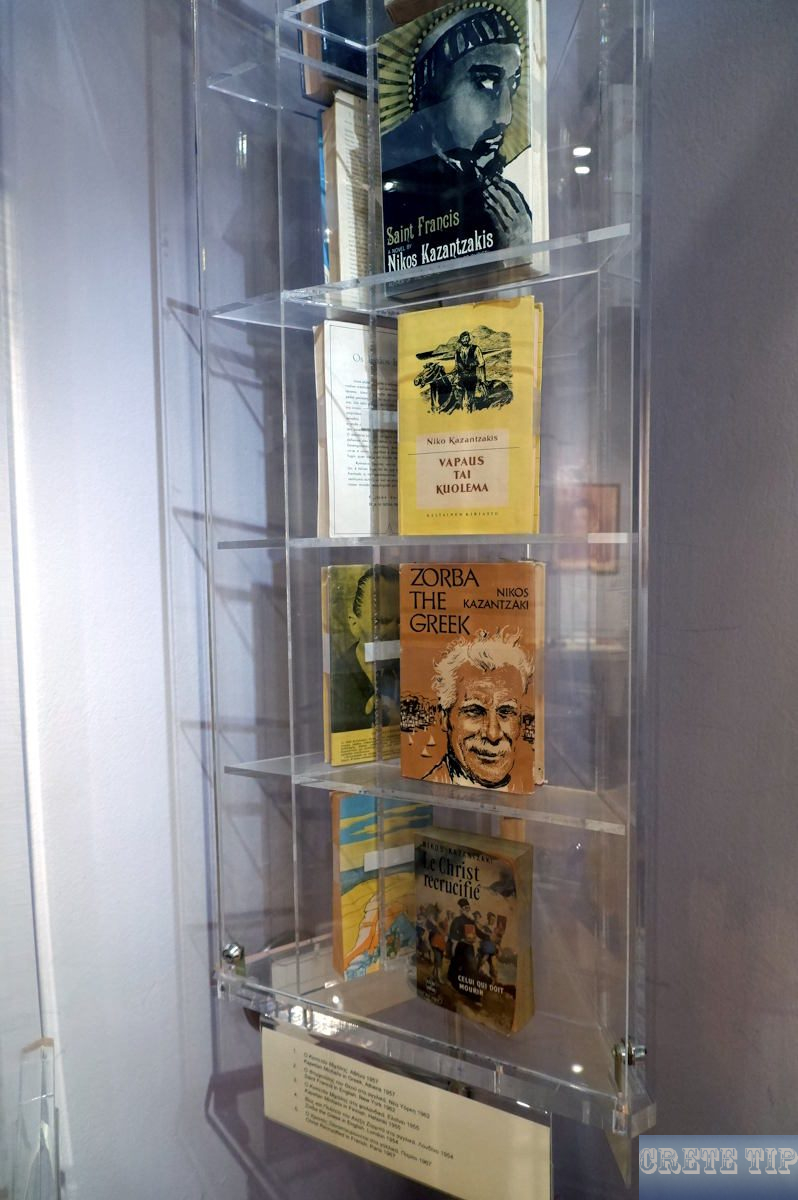
Zorba The Greek
Published in Greek as Alexis Zorbas, this remains his best-known novel worldwide. It follows a bookish narrator and the larger-than-life Zorba, loosely inspired by Giorgis Zorbas, a real man Kazantzakis met on a mining venture.
This narrative gives a window into the life and times of Alexis Zorbas and his unyielding spirit. Though the story is fiction set in Crete, the character embodies a raw energy.
The 1964 film, shot near Akrotiri in Chania, cemented the book’s global fame. Sometimes, it even overshadows the novel’s darker themes of grief and failure.

The Last Temptation Of Christ and Christ Recrucified
The Last Temptation of Christ imagines Jesus as fully human, wrestling with doubt and fear. It caused serious controversy within parts of the Orthodox Church and led to calls for his excommunication.
His novel Christ Recrucified, often known in English as The Greek Passion, also drew significant attention. It tells the story of a village staging a passion play that mirrors a real tragedy, emphasizing his recurring themes of life, death, and struggle.

Report To Greco And The Odyssey: A Modern Sequel
Report to Greco, published after his death, works as a spiritual autobiography rather than a strict factual one. The Odyssey: A Modern Sequel extends Homer’s hero into new lands and new restless searching, echoing Kazantzakis’s own lifelong travels.
Cretan Landscapes, Language And Character
Crete shaped Kazantzakis’s prose long before it shaped his subject matter. The rhythms of Cretan dialect, the bareness of the mountains, and the island’s long history of resistance all surface repeatedly in his sentences.
His use of Demotic Greek gave these stories a direct, earthy power that resonated with the common people.
Village Values And Fierce Independence
Anyone who’s spent time in Crete’s inland villages recognizes the pride and stubbornness Kazantzakis often described. Hospitality sits comfortably beside a wariness of outsiders telling locals how to live—a tension you can still sense in kafeneia conversations today.
Nature As A Moral And Emotional Force
Kazantzakis rarely treats the Cretan landscape as just scenery. Mountains test character. Sea light brings clarity, and the harsh terrain puts real moral pressure on his characters, pushing them toward honesty—or sometimes, collapse.
Between Local Roots And A Universal Outlook
Even after decades abroad, Kazantzakis never wrote like an exile looking back with nostalgia. He measured the wider world against a Cretan sense of endurance. He always returned, in language if not always in body, to the island that formed him.
Places Connected With Kazantzakis

Visiting a few sites connected to Kazantzakis adds real depth to a trip through central Crete. If you already know a bit of his story, these places start to feel even more alive.
None of these stops require a whole day. Each one rewards a slow, unhurried visit.
Nikos Kazantzakis Museum In Myrtia
The museum sits in Myrtia, about 20 kilometres south of Heraklion, in the village where his family originally came from. Inside, you’ll find manuscripts, personal letters, stage costumes from film and theatre adaptations, and some rare old footage.
Give yourself at least an hour. The displays invite you to linger and actually read, not just breeze through.
 More about Nikos Kazantzakis Museum in Myrtia
Heraklion And His Grave On The Martinengo Bastion
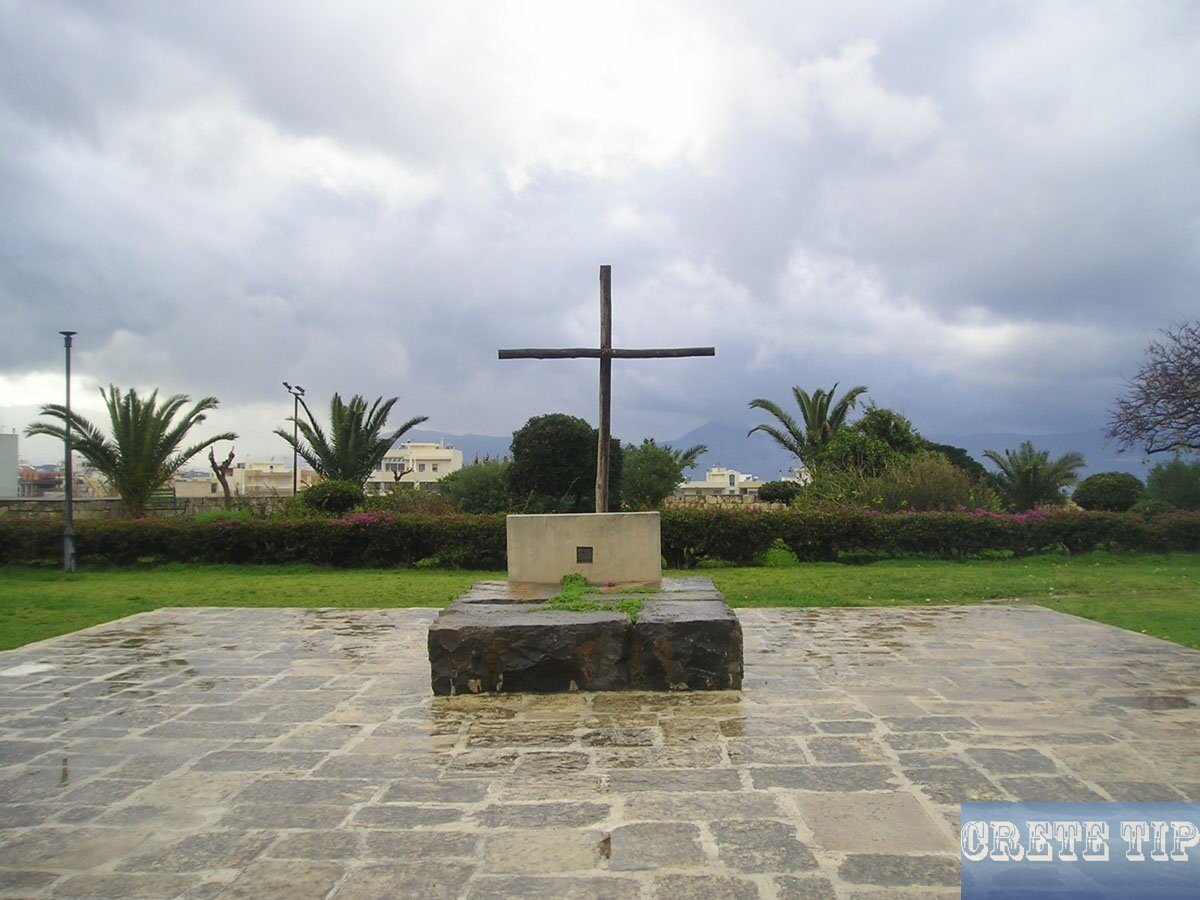
His grave stands on the old Venetian fortifications above Heraklion. They chose this spot on the city walls because the Orthodox Church refused him a place in consecrated ground.
The view over Heraklion and out to sea makes the simple epitaph feel earned. These walls are a landmark, often mentioned with other major UNESCO sites in Greece.
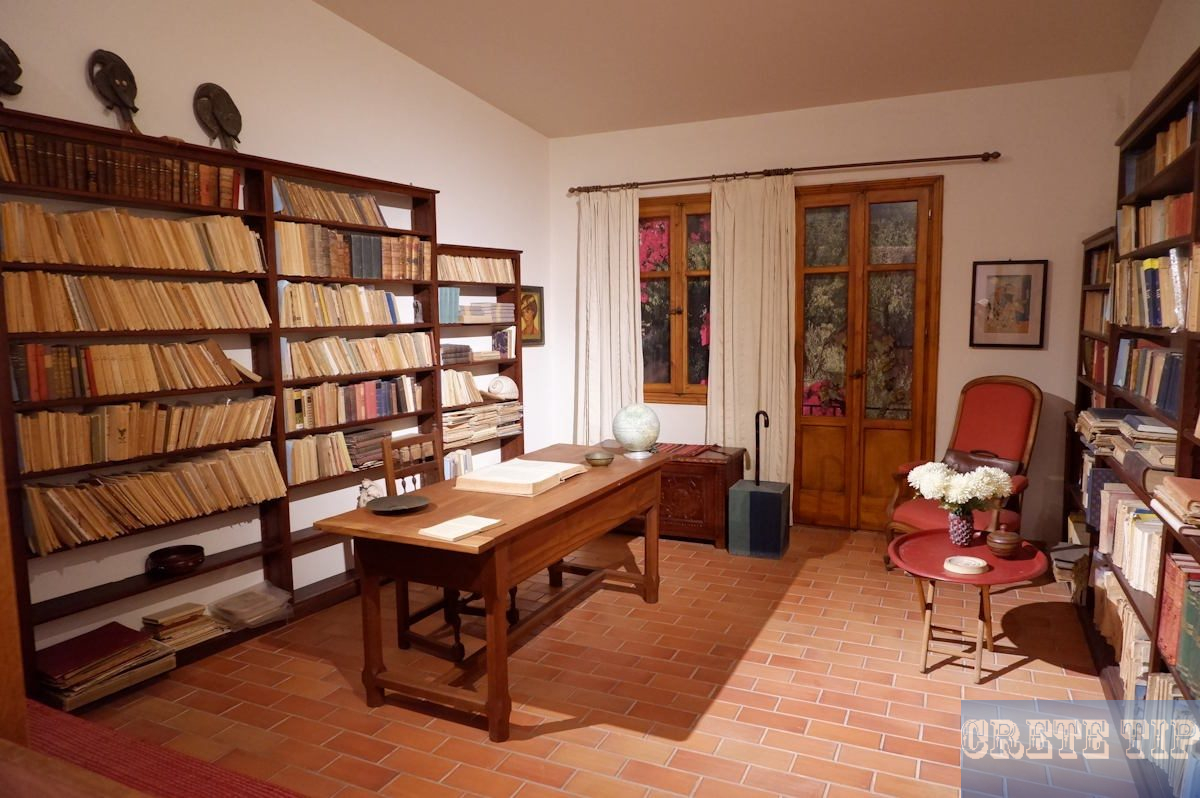
Not far away, the Historical Museum of Crete holds a meticulous recreation of his study and many of his personal effects.
Travelling Through Central Crete With His World In Mind
Combining Myrtia with a stop near Knossos or a walk through Heraklion’s old town gives useful context to his fiction. Locals still talk about him with a mix of pride and candor about his conflicts with the Church of Greece and the Greek Orthodox Church.
This complicated history is worth keeping in mind as you travel.
A Complex Legacy In Greece And Abroad

Kazantzakis still divides opinion in Greek religious and political circles, even decades after his death. His international reputation, though, has stayed remarkably steady, built on translation, film, and a steady stream of academic interest.
Controversy, Censorship And Recognition
The Last Temptation of Christ and parts of Askitiki drew sharp criticism from Orthodox authorities. At times, some of his books vanished from Greek shelves.
He was nominated for the Nobel Prize in Literature nine times and lost by a single vote in 1957—to Albert Camus, who, interestingly, is widely said to have thought Kazantzakis was the more deserving writer.
Film Adaptations And International Readers
Adaptations of Zorba the Greek and The Last Temptation of Christ brought him to global audiences. Martin Scorsese’s film version of the latter explored the inner life of Christ in a way that stirred even more interest.
His work has reached more than fifty languages. That makes him one of the most widely read Greek authors out there.
Why His Voice Still Resonates
His writing doesn’t offer easy comfort, and maybe that’s why it still matters. Questions about freedom, doubt, and personal responsibility haven’t faded away.
That Cretan landscape grounds those questions—makes them feel less abstract, more real.
Frequently Asked Questions

Who was Nikos Kazantzakis, and why is he important to Crete?
Nikos Kazantzakis was a Cretan writer, philosopher, and translator born in Heraklion in 1883. He’s important to Crete because his novels, essays, and travel writing carried the island’s landscape, language, and history to readers all over the world.
Which places in Crete are linked to Nikos Kazantzakis?
The Nikos Kazantzakis Museum in Myrtia—his family’s village near Heraklion—is the main dedicated site. His grave on the Martinengo Bastion above Heraklion’s old town is the other essential stop for anyone following his story.
What is the best way to experience authentic Cretan culture?
Slow travel really works best. Spend time in inland villages, visit local kafeneia, and talk to people instead of rushing between sights.
Reading a little Kazantzakis before you go helps you notice details in village life that might otherwise slip by.
What food is Crete famous for?
Crete is known for olive oil, wild greens, and fresh cheeses like graviera and myzithra. Slow-cooked meat dishes—think antikristo lamb—are also local staples.
Simple ingredients, not much fuss. That’s what defines most traditional Cretan cooking.
Where do locals eat in Crete?
Family-run tavernas in inland villages, far from the busiest coastal resorts, usually serve the most genuine Cretan food. Menus are often short, and dishes change with the season or whatever’s fresh in the kitchen that day.
How is Cretan food different from Greek food?
Cretan cuisine leans hard on local wild greens and mountain herbs. The island’s olive oil shows up in almost everything, giving the food a deep, earthy flavor you don’t always find in mainland Greek cooking.
Portions and recipes usually reflect rural, self-sufficient traditions. You’ll notice they’re pretty different from what you’d see on urban Greek restaurant menus.


Thank you for this detailed article. I look forward to learning more about this amazing author when I am in Heraklion.