I’ve walked enough Cretan paths to know the biggest worry for first-timers isn’t fitness. It’s not knowing what you’re actually walking into: how rocky, how hot, how far from the car, and whether there’s a toilet or a shady tree anywhere along the way. Crete has hundreds of trails, and much of the advice online comes from people who already hike every weekend.

This guide highlights 10 Crete hiking trails for beginners, occasional walkers, and families, with honest notes on terrain, shade, and how tough each one really feels underfoot.
None of these routes require mountain experience or heavy gear beyond comfortable hiking shoes and a full water bottle. If you’re trying hiking in Crete for the first time, manageable terrain makes all the difference.
I’ve flagged where trails get rocky or sit fully in the sun, so you can choose the right day out for your energy levels.
Caves Matala

Caves Matala is an easy, low-effort walk built around a genuinely unusual sight: Neolithic caves carved straight into the sea cliffs above Matala Beach. The Matala Caves coastal path gives you dramatic sea views with very little climbing.
You won’t need hiking boots here, just comfortable sandals or trainers. The paths around the caves are short and mostly stepped or paved, so this suits anyone who wants scenery and history without a long trek.
The caves themselves have a curious backstory. People used them as tombs during the Roman period, and hippies later made them a hangout in the 1960s. That laid-back atmosphere still lingers around the village today. Rated 4.5 from nearly 11,000 reviews, this is one of the most visited spots on the list, so early morning or early evening means fewer crowds and softer light for photos.
https://www.youtube.com/watch?v=e1zAerq3zck
Give yourself half an hour to an hour, or longer if you fancy a swim at Matala Beach afterwards. The site opens daily from 10am to 6pm, and there’s a small entrance fee.
It’s a gentle introduction to Crete’s mix of nature and history, and a nice way to ease into hiking without much climbing.
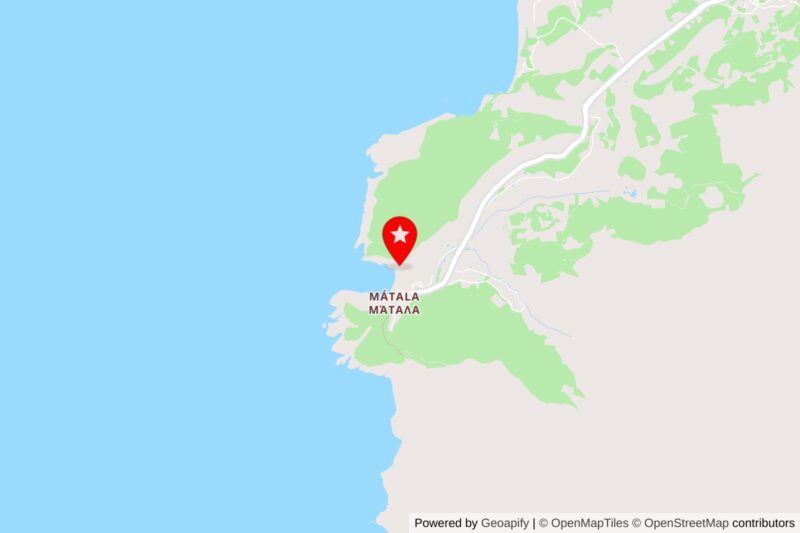
Location: Μάταλα, Pitsidia 702 00, Greece
More information: Webpage
Havgas Gorge Trailhead

Havgas Gorge offers a manageable walk on the edge of the Lasithi Plateau. The trail follows a dry riverbed along the slopes of Mount Dikti, where people say infant Zeus was hidden. The first stretch is wide and easy to follow, which makes it a useful confidence-builder for beginners.
Further in, the path narrows and the ground gets rockier. You’ll need to scramble a little near a spot locals call Neraidokolympos. I’d treat that section as optional unless you’re comfortable on uneven rock; the lower gorge alone makes a satisfying short walk.
Sturdy hiking shoes or lightweight hiking boots matter more here than on coastal paths. Loose stones and dry riverbed gravel can shift underfoot.
Shade is limited in the open sections, so bring a hat and water even for a short visit. The gorge sits on the E4 European walking path, and you may spot waymarkers, although signage can be patchy. Rated 4.2 from 67 reviews, it’s quieter than some of Crete’s better-known gorges, which suits anyone who’d rather enjoy a peaceful walk than a crowded one.

Location: 5G8F+58, Oropedio Lasithiou 720 52, Greece
More information: Webpage
Imbros Gorge

Imbros Gorge is one of the friendliest introductions to gorge walking on the island. People often recommend it alongside Agia Irini Gorge as an easier alternative to Samaria Gorge. It cuts through the southern foothills of the White Mountains, known locally as the Lefka Ori, and its 4.6 rating from more than 2,400 reviews shows why it remains popular.
The walk mostly heads downhill from the mountain village of Imbros towards the coast near Komitades. Since there’s virtually no uphill elevation gain, it’s much kinder on beginner legs than a steep summit ascent.
There’s an entrance fee to walk the gorge, and it’s open 24 hours. Still, daylight hours make the most sense for safety and for seeing where you’re putting your feet.
Footing is uneven in places, with loose stones and dry riverbed sections, so proper walking shoes make a real difference. Most people finish in three hours, and arranging a transfer back from Komitades or onward to Chora Sfakion saves you from walking uphill.
From the coast, many hikers catch a ferry towards the quiet seaside hamlet of Loutro. You might even spot an agile kri-kri picking its way across the crags above.
Unlike tackling the high peak of Pachnes or navigating Aradena Gorge with its sheer drops, Imbros provides plenty of drama without demanding technical mountain experience.
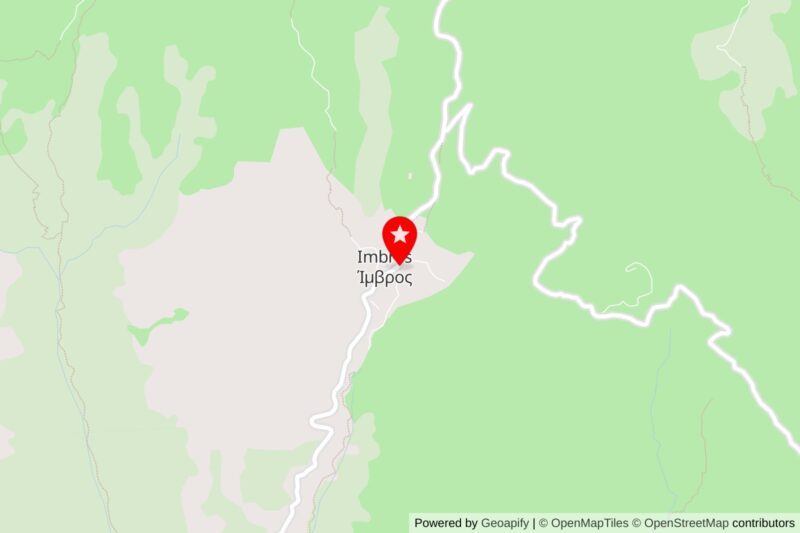
Location: Hora Sfakion 730 11, Greece
Richtis Gorge

Richtis Gorge rewards a fairly easy walk with one of the prettiest waterfalls in eastern Crete. The trail winds through shaded, green woodland, with a stream running alongside for much of the way. That keeps things cool even on a warm day, and the 4.7 rating from nearly 2,500 reviews makes it a firm family favourite.
The route starts near the village of Exo Mouliana and follows the streambed down towards the coast. Along the way, it passes old watermills and small stone bridges. Some early sections involve stepping over rocks or crossing narrow points, so watch your footing, although wooden bridges now cover several trickier crossings.
Allow around two hours to reach the waterfall, with extra time if you continue to the beach at the bottom. It’s open 24 hours with no fixed closing time, but kiosks at either end sometimes charge a small entry fee in season. The dense shade and running water make this one of the more comfortable gorge walks for a hot afternoon.
Rating: 4.7 (2473 reviews)
Location: ΕΟ Αγίου Νικολάου Σητείας 221, Exo Mouliana 720 57, Greece
More information: Webpage
Kritsa Gorge

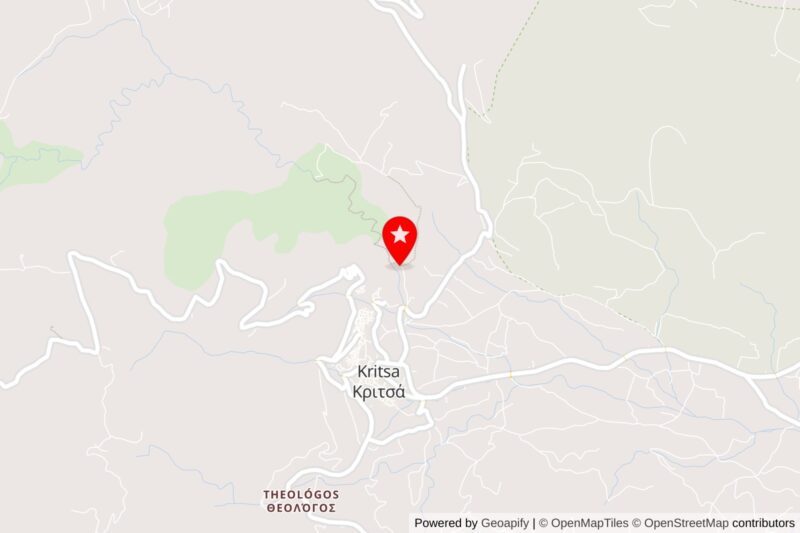
Kritsa Gorge packs impressive scenery into a short, accessible walk near the village of Kritsa. High rock walls squeeze together in places to barely a metre and a half wide, giving the gorge real drama without requiring a long day out. Rated 4.7 from over 1,100 reviews, it’s one of the most loved short walks in eastern Crete.
The path follows the riverbed from Kritsa towards the small settlement of Tapes. Although people rate it as accessible, narrow, zig-zagging sections require you to use your hands on the rock for balance. It’s manageable for most ages and fitness levels, but avoid it after heavy rain, when water can run through the riverbed.
Gravel and loose stone cover most of the trail, so grippy hiking shoes help you stay secure. The walk is open 24 hours with no entry fee noted, and it’s close enough to Agios Nikolaos for a half-day outing.
Plan on an hour or two, depending on how far along the gorge you go.
Location: Kritsa 721 00, Greece
More information: Webpage
Avlaki Gorge Trail

Avlaki Gorge Trail, also known locally as Katholiko Gorge, leads from Gouverneto Monastery on the Akrotiri Peninsula to a hidden bay with turquoise water. At around 2km one way and roughly an hour of walking, it’s short enough for a morning outing but steep enough to feel like a proper little adventure.
Rated 4.8 from 78 reviews, it’s more of a hidden gem than a crowded attraction. The path is rocky and generally dry, winding through dramatic limestone formations with real historical weight: monks and hermits once sheltered in caves along this route, and pilgrims have walked it since the 17th century.
That history adds atmosphere without making the walk harder, though the descent does involve uneven, sometimes loose ground. There’s little shade for much of the route, so bring plenty of sun protection and aim for a cooler morning.
Hiking shoes with dependable grip matter on the way down and even more on the return climb. The descent is easy, but prepare for the moderate elevation gain back up to the monastery.
At the bottom, a quiet cove away from the busier beaches makes the effort worthwhile for a short, steep round trip.

Location: Akrotiri 731 00, Greece
Canyon Spiliotissa

Canyon Spiliotissa runs between the villages of Choudetsi and Agios Vasileios, south of Heraklion. It offers a lush, easy walk through greenery that feels a world away from Crete’s dry hillsides.
Rated 4.6 from 104 reviews, it’s less well known than some gorges on this list, so the paths tend to be quieter. The nicest stretch, roughly 1.5km long, runs between Choudetsi and Agios Vasileios, descending gently through thick vegetation.
A wooden bridge crosses the stream partway along, and the walk ends near the Panagia Spiliotissa Monastery. That gives you a clear, satisfying finish point rather than an open-ended trail.
Vegetation provides plenty of shade, making the walk comfortable even in warmer months. The path is generally easier going than the rockier gorges further east, and it works well as a relaxed half-day outing combined with a visit to Choudetsi village.
Open round the clock, with no admission charge, it suits anyone wanting gorge scenery without a strenuous walk.

Location: Epar.Od. Knossou – Charaka 358, Choudetsi 701 00, Greece
Platania gorge

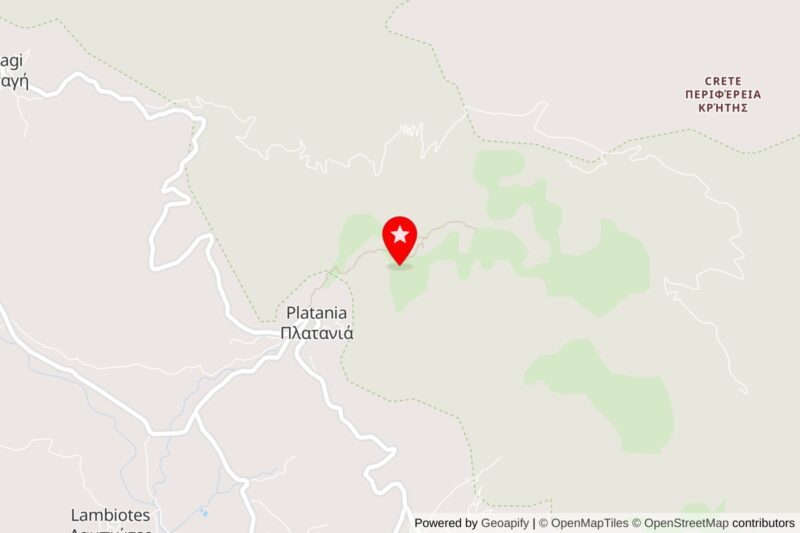
Platania Gorge sits on the western slopes of Mount Psiloritis, also known as Mount Ida. Steeped in myths of Zeus, it offers a scenic but more demanding walk for confident beginners.
Rated 4.8 from 149 reviews, it clearly impresses the people who make the climb. The loop route starts and finishes at Platania village, climbing steadily through bushy vegetation and old olive groves before reaching the small chapel of Agios Antonios.
It’s mostly uphill on the way out, which means tired legs but a genuine sense of achievement. The views back across the Amari Valley are lovely, too.
Some stretches involve steep ground and steady elevation gain, with little shade once you pass the olive terraces. Supportive hiking boots provide extra ankle protection on the scree.
The distance ranges from roughly 2.6 to 4.4km, depending on your route.
Location: Amari 740 61, Greece
Yous Kampos

Γιους Κάμπος, or Yous Kampos, is a high plateau walk rather than a gorge. It makes a gentle, scenic change of pace from Crete’s narrower canyon trails.
Sitting on the northwestern edge of Mount Kedros between the Amari Valley and Spili, it’s reached by asphalt road from several nearby villages, which keeps access simple. Rated 4.8 from 37 reviews, it’s a quiet spot that rewards a slower, wandering visit.
What makes this plateau special is its wildflowers. In spring, thousands of endemic tulips (Tulipa doerfleri), a protected species found nowhere else in the world, turn parts of the plateau bright red.
Rare wild orchids grow here too, with several species sometimes found within a single square metre. That draws botanists from across Europe each year.
The walking itself is flat and easy compared with the gorges on this list, making it a comfortable option for anyone wanting scenery without steep climbs or rocky scrambling. A natural spring at Agios Ioannis sits beneath large plane trees, offering a place to rest and refill water bottles.
It pairs well with a drive through the traditional villages of the Amari Valley or a stop at the Potamon Dam nearby.

Location: Agios Vasileios 740 61, Greece
Mili gorge

Mili Gorge is one of the easiest, most family-friendly walks near Rethymno, and it’s my go-to recommendation for anyone nervous about their first gorge walk. Rated 4.6 from nearly 3,000 reviews, it’s a lush, green valley that feels more like a woodland stroll than a mountain hike.
While windy canyons like Kourtaliotiko Gorge feature steep stone staircases down to river waterfalls, Mili Gorge offers a much gentler descent. Beginners get a tranquil, shaded pathway lined with historic charm.
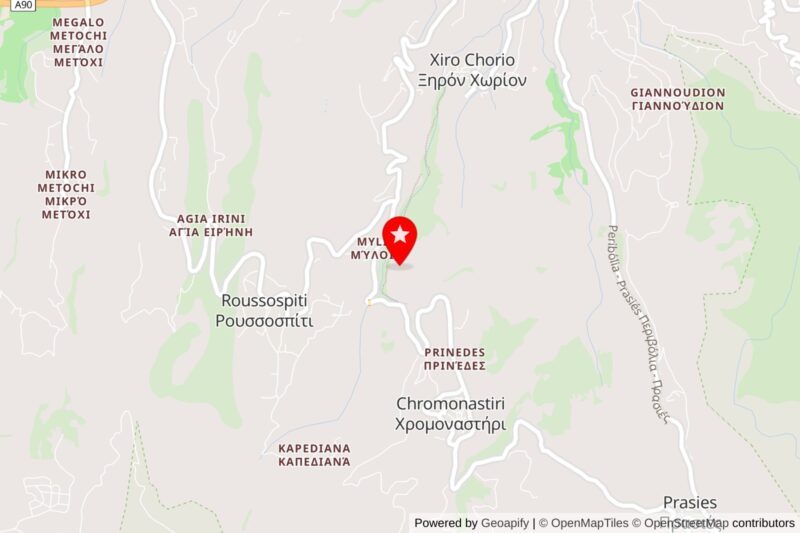
The trail usually starts near Chromonastiri, at the “Myli” entrance, and finishes near Xiro Chorio. It runs about 4km as a mostly downhill walk and takes 1.5 to 2 hours.
Along the way, you’ll pass the ruins of Old Myli, a village abandoned in the 1970s. Stone houses now sit wrapped in ivy and wildflowers, alongside the remains of watermills that once ground grain for the whole region.
Tall plane trees provide shade, while the constant sound of running water keeps the walk cool and pleasant even in summer. Small chapels tucked among the trees add a quiet, unexpected charm along the route.
Taverns operate inside the gorge, so you can finish with a proper Cretan meal before heading back. It’s a route I’d happily recommend to anyone walking with children or older relatives.
Location: Mili gorge, Mili 741 3e33300, Greece
How to Choose a Beginner-Friendly Crete Hike

Pick a trail that matches your legs on the day, not the one with the most dramatic photos online. When planning beginner hiking in Crete, remember that routes range from flat plateau strolls to steep gorge scrambles.
The difference in effort between terrain types is often much bigger than it looks in pictures.
Match the route to your fitness and confidence
Start with a shorter, flatter walk if you’re unsure how your body will handle Cretan heat and terrain. Check the overall elevation gain before heading out, since steep climbs under direct sun can quickly drain your energy.
Demanding paths like Aradena Gorge require steep ladders and rocky drops. For a beginner outing, Mili Gorge or Yous Kampos offer far gentler terrain, while Platania Gorge asks slightly more of your balance.
It’s fine to turn back partway through any of these walks; there’s no rule saying you have to finish.
Choose between coast, gorge, plateau, and village scenery
Each landscape brings a different kind of walk. Gorges like Richtis and Kritsa offer shade and dramatic rock walls, while coastal areas near Kato Zakros and Caves Matala pair sea views with historic exploration.
Relaxed coastal strolls around villages like Loutro provide open sea views without heavy climbing.
High spots like Yous Kampos and the Lassithi Plateau offer wide-open mountain scenery and seasonal wildflowers. Walkers tackling parts of the Lasithi Plateau circuit enjoy gentle terrain alongside traditional rural villages.
The plateau is also steeped in Greek mythology as the mythical birthplace of Zeus. Think about which setting appeals to you, whether it’s sea air, cool woodland, or open views, and let that guide your pick.
Consider heat, shade, access, and time available
Crete’s sun is strong, even in the shoulder seasons, so reliable sun protection is essential on exposed paths. Shaded gorges are far kinder than open plateau or coastal walks during the midday heat.
Check how far the trailhead is from where you’re staying, especially if you’re driving from Kissamos or western towns toward central gorges. Match the walk’s length to how much of your day you want to give it, and leave a buffer for rest stops and photos.
Practical Tips for First-Time Hikers in Crete

A little preparation turns a nervous first walk into an enjoyable day out. Rewarding hiking in Crete comes down to planning around the heat, wearing sensible shoes, and checking trail conditions before setting out.
What to bring for a short Crete walk
Pack more water than you think you’ll need; a litre per person is a sensible minimum for even a short gorge walk. Wear closed footwear with decent grip, such as trail runners or lightweight hiking boots, since loose gravel and smooth rock show up on nearly every trail here.
A hat, sun cream, and a light snack round out a sensible day bag. A small first aid kit is also well worth the extra weight.
When to hike and how to check conditions
Early morning or late afternoon suits Crete’s hotter months far better than midday, when temperatures can climb into the thirties. Spring and autumn usually bring the most comfortable walking weather across the island.
Local tourist offices, KretaTipp, or your accommodation host can usually tell you whether rain or high winds have closed a gorge trail. That information matters more than most guidebooks let on.
How to stay safe around cliffs, water, and rough ground
Take narrow ledges and stream crossings slowly, and use your hands on the rock when a path clearly calls for it, as in parts of Kritsa or Havgas Gorge. Avoid gorge walks entirely after heavy rain, since dry riverbeds can fill quickly and become slippery or dangerous.
Let someone know your rough route and expected return time, particularly on quieter trails like Avlaki or Canyon Spiliotissa, where you might not pass many other walkers.
Frequently Asked Questions

Which of these beginner-friendly hiking trails in Crete are closest to Heraklion?
Canyon Spiliotissa sits closest, around 21km south of Heraklion near the village of Choudetsi. Caves Matala is a longer drive south, roughly an hour, but it still makes a manageable day trip from the city.
Can I hike the gorges in Crete with children or first-time walkers?
Yes, several of these routes suit children and first-time walkers well, particularly Mili Gorge and Richtis Gorge, which have gentle gradients and plenty of shade. Steeper or rockier routes, such as Platania Gorge or the upper sections of Havgas Gorge, are better left for older children or more confident walkers.
Do I need a map for beginner hikes in Crete?
A downloaded offline map or GPS track helps on every trail, even short ones, since mobile signal can drop in gorges and remote plateau areas. Signage varies between well-marked routes like Imbros Gorge and quieter trails like Avlaki, where waymarkers can be sparse.
How difficult is Samaria Gorge compared with Imbros Gorge and Richtis Gorge?
Samaria Gorge is longer and more demanding than either Imbros or Richtis, running around 16km down to Agia Roumeli on the Libyan Sea. It’s famous for sightings of the native kri-kri, but it requires substantial endurance.
Imbros Gorge offers a shorter, gentler alternative at around 8 to 11km. Richtis Gorge is shorter still and has plenty of shade, making both better starting points for beginners.
Trails like Agia Irini Gorge and Kourtaliotiko Gorge also offer striking canyon scenery without the exhausting commitment of Samaria or high-altitude summits like Pachnes.
What should I pack for a beginner-friendly hike in Crete?
Bring at least a litre of water, closed shoes with good grip, sun protection, and a light snack for any of these walks. A basic first aid kit and a fully charged phone with an offline map add useful backup on quieter trails.
Which Crete hiking trail is best for a first visit?
Mili Gorge is the friendliest first walk, with plenty of shade, a gentle downhill path, and clear start and end points near Rethymno. Caves Matala is a good option too, especially if you’d rather combine a short walk with beach time and a little history.