Crete keeps its best walking away from the coach parks. While thousands flock to Samaria Gorge and exit at Agia Roumeli every summer, there are ravines, old mule paths, and coastal trails where you hear your own footsteps more than anyone else’s voice. Finding these routes with confidence, knowing which ones suit your fitness and which need real caution, is exactly where a local guide like CreteTip earns its keep.

While a standard Crete travel guide often points visitors to famous shores like Elafonissi or the steep footpath down to Seitan Limania, scenic walking routes across western Crete remain remarkably peaceful.
Crowds often pack the shores of Elafonissi Beach, but remote footpaths across the region remain pristine and quiet. Famous coastal hotspots like Balos and the narrow gorge inlet at Seitan Limani draw huge summer crowds, while remote canyons offer genuine tranquility.
These hidden gems in Crete stay quiet simply because most visitors never hear their names. The paths offer a rare glimpse of the real Crete, well away from crowded resort strips.
None of them are guaranteed empty, and a couple demand real skill and proper gear rather than trainers and good intentions. What follows is a map-led look at ten routes across the island, from gentle valley strolls to technical canyons, with honest notes on access, difficulty, and what to expect underfoot.
Mili gorge

Mili Gorge is the easiest introduction to gorge walking near Rethymno, and it still feels wild. The trail runs about 4 kilometres downhill through a valley named after the watermills that once ground grain here, and ivy-covered ruins appear all the way down.
Plane trees shade the path, water runs alongside it, and small chapels sit tucked into the rock or hidden among the trees. The walk takes roughly 1.5 to 2 hours and is graded easy, making it a good choice for families or anyone easing into hiking on holiday.
It starts near Chromonastiri village at the “Myli” entrance and finishes near Xiro Chorio, so plan for a one-way walk unless you arrange transport back. A few small taverns operate inside the gorge, which makes timing your walk around lunch a nice option.
This is one of the more visited spots on the list, just 20 minutes from Rethymno, so early morning gives you the best chance of a quiet path. Sturdy shoes with grip still matter, since the ground gets uneven near the old mill ruins.
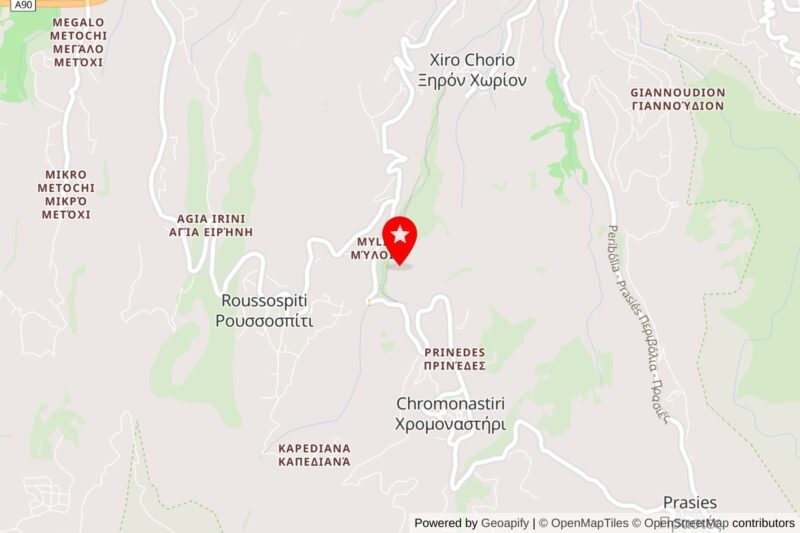
Location: Mili gorge, Mili 741 3e33300, Greece
Richtis Gorge

Richtis Gorge rewards a rugged walk with a genuine waterfall and a quiet pebble beach at the end. Like the coastal path to the ancient Minoan palace at Kato Zakros, it leads hikers straight to the sea. The trail covers roughly 2.5 miles beside a lush stream, with plenty of shade and birdlife.
The path starts near Exo Mouliana and heads down toward the coast, finishing at a small secluded beach with clear water. It lies in Lasithi between Sitia and Agios Nikolaos, well away from the busy north coast resorts, so footfall stays lower than in gorges closer to Heraklion.
Trails like this remain genuine hidden gems in Crete for anyone seeking rugged tranquility. Unlike the popular palm beach of Vai further east, this quiet coastal pocket offers hikers a secluded escape.
Good boots matter because the ground turns rocky and uneven, especially near the waterfall. Bring a swimsuit if you want to cool off at the beach, and carry enough water since shade thins out near the coast.
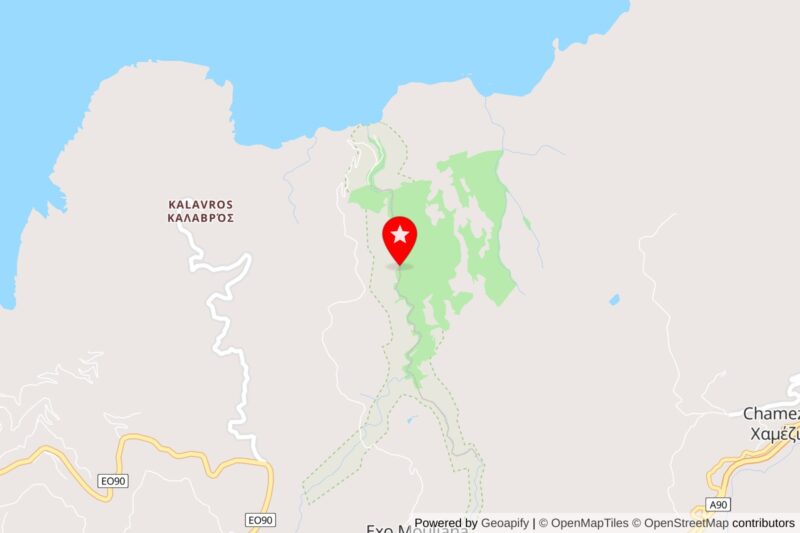
Location: ΕΟ Αγίου Νικολάου Σητείας 221, Exo Mouliana 720 57, Greece
More information: Richtis Gorge
Hiking Trail Chora Sfakion Sweet Water Beach Lοutro via Aradena Gorge

This coastal trail links four of Southern Crete’s most memorable spots into one demanding day out. Starting from Aradena village high in the White Mountains, the route drops through Aradena Gorge before following the Libyan Sea coast past Sweet Water Beach, a tiny cove reachable only on foot or by boat, and on to the sleepy harbour of Loutro.
The elevation change is real. Expect around 600 metres of climbing and descending over the full route, which runs about 7 kilometres for the gorge-to-coast section alone. The wider Chora Sfakion to Loutro stretch adds more distance along the E4 European trail, and exposed cliff sections in full sun make summer heat a serious factor.
Loutro has no road access, which is part of its charm and part of the logistics puzzle. Most walkers finish there and catch a small boat back to Hora Sfakion rather than retracing their steps.
Other hikers extend the journey along coastal paths heading west toward Agia Roumeli. Further along the southern coast, the footpath from Sougia to the ancient site of Lissos offers a scenic trek past historic ruins and quiet bays.
Sturdy boots, plenty of water, and an early start are non-negotiable on this one. Check ferry timetables before departure.
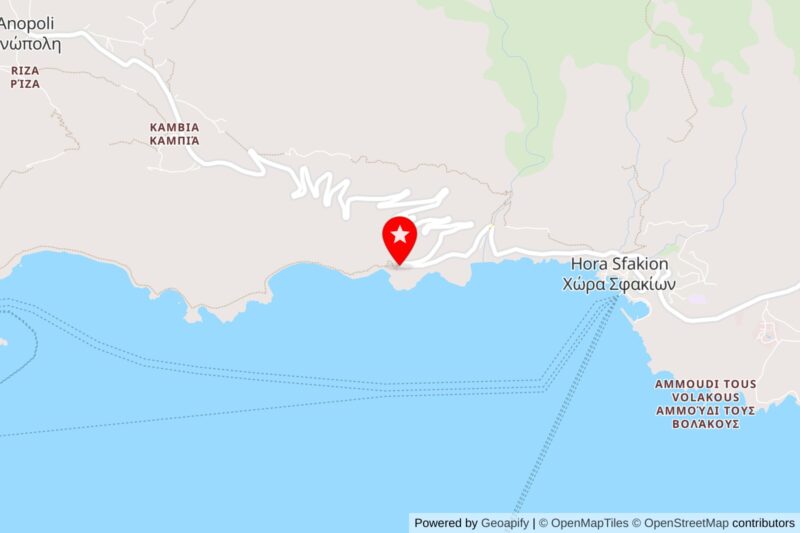
Location: Unnamed Road, Sfakia 730 11, Greece
Kritsa Gorge

Kritsa Gorge packs a lot of drama into a short walk near the pretty village of Kritsa, just southwest of Agios Nikolaos. The gorge follows a riverbed from near the village toward the small settlement of Tapes, and in places the walls narrow to little more than 1.5 metres apart.
That makes a striking contrast with the open Lasithi countryside around it. Access is relatively simple, which helps explain why locals rate it so highly without the gorge becoming overrun.
The gorge starts near a stone bridge on the edge of Kritsa village, and you can complete the walk in and back out in a few hours, depending on how far you go. Rain changes everything here, though.
After heavy downpours, the riverbed can flow hard, so save this gorge for drier stretches of spring, summer, or early autumn. Grippy shoes help on the smooth, rounded stones that cover much of the floor.

Location: Kritsa 721 00, Greece
More information: Kritsa and surroundings
Patsos Gorge
Patsos Gorge, also called Agios Antonios Gorge, sits about 8 kilometres southwest of Arkadi Monastery in the Amari valley. A well-marked path leads through the canyon to a striking cave waterfall, and this first section is genuinely easy going, wide and clear enough for most walkers without technical experience.
Beyond the waterfall, the gorge narrows and the going gets harder. Continuing down toward the Potami dam lake demands care, especially after winter or spring rain when the rocks stay slick.
A separate trail climbs to a birdwatching tower above the river if you’d rather stay dry and take in the view. The cave church of Agios Antonios is the gorge’s real draw for many visitors.
It was once a sacred site linked to the ancient god Hermes, and rock cavities around it hold small prayer papers left by the faithful. Wooden benches near the river make this a natural picnic spot.
Walkers often continue into the Amari valley toward Thronos to explore historic Byzantine chapels and peaceful village trails.
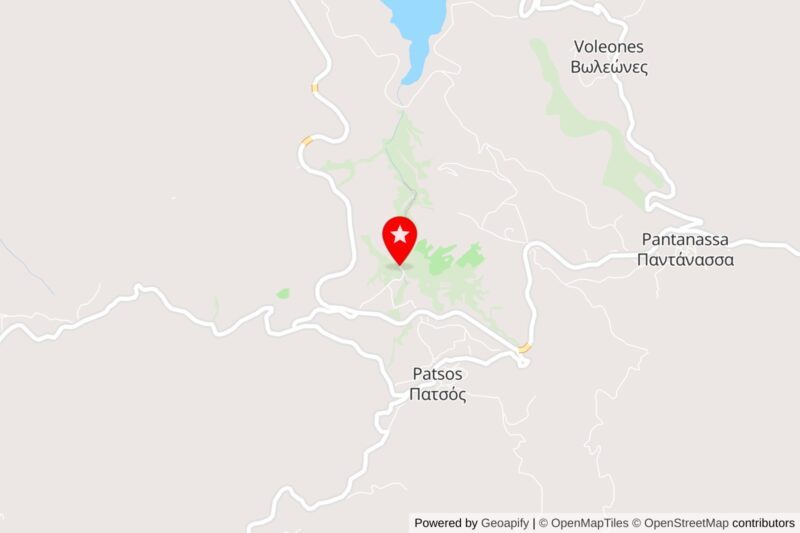
Location: 7H3C+M6, Patsos 740 61, Greece
Sarakina Meskla Gorge

Sarakina Gorge near Meskla proves that small can still be spectacular. Tucked at the foot of the White Mountains in western Crete, close to Chania, it’s one of the island’s shortest gorges. Still, the limestone walls squeeze together dramatically in places, creating a natural rock sculpture only a few metres wide.
The circular trail starts and finishes in Meskla village, so you don’t need a car shuttle or a second driver. The full loop takes a little over an hour. It begins on a dirt track, then becomes a proper path alongside the riverbed, with wooden steps and metal walkways along the trickier stretches.
Few visitors know this gorge exists, partly because it shares its name with a much larger and more famous Sarakina Gorge near Ierapetra in the east. The name comes from a local legend about Saracen pirates who supposedly used the ravine as a hideout centuries ago. Cypress and plane trees shade most of the walk, keeping it cool even on a warm afternoon.

Location: Platanias 730 05, Greece
Diktamos Gorge

Diktamos Gorge, sometimes called Katochori or Stylos Gorge, is one of western Crete’s quieter green corners. It runs between Katochori village in the Keramia district and Stylos, about 21 kilometres from Chania city. Almost the entire route stays shaded.
The walk asks more of you than a flat riverside stroll. You’ll clamber over and between boulders for long stretches, more like a horizontal scramble than a straightforward footpath, so it feels slower than the distance suggests. Sturdy boots with real ankle support are worth bringing here.
Dense, wild vegetation gives the gorge its name, since dittany, or diktamos, grows in abundance along its length. Locals consider it one of the region’s better-kept walking secrets, not because it’s hard to find, but because it doesn’t appear on most visitor itineraries. Expect goats along the way and a genuine sense of untouched countryside.
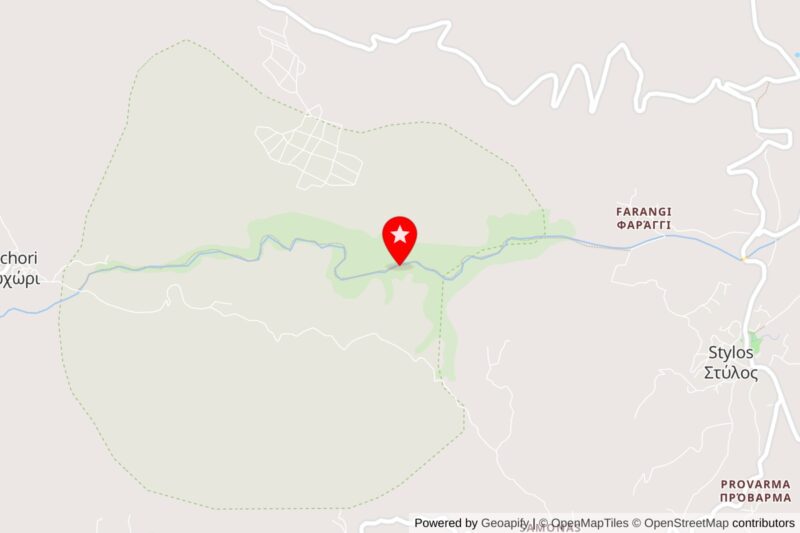
Location: Kerameies 731 00, Greece
Ha Gorge

Ha Gorge isn’t a gorge for a relaxed afternoon walk, and I want to be upfront about that. Situated in Lasithi near Monastiraki on the western slope of Mount Thripti, this narrow, near-vertical slot is barely a couple of metres wide in places. It ranks among the island’s most demanding canyons, with waterfalls and deep pools breaking up a steep, technical descent.
Experienced canyoning teams can take around 4.5 hours to descend the full route. It covers roughly 700 metres of horizontal distance but drops 325 metres vertically. That ratio tells you plenty about the terrain: this is rope-and-harness territory, not a walking trail in the usual sense.
Casual hikers should treat Ha Gorge as a viewpoint rather than a route to attempt alone. The gorge’s dark cleft is visible from kilometres away across the Ierapetra plain. Admiring it from a safe distance or joining a guided canyoning trip are the sensible options for anyone without technical climbing experience.

Location: Μοναστηράκι 722 00, Greece
More information: Isthmus of Crete
Prassano Gorge

Prassano Gorge is a wilder, less crowded alternative to Rethymno’s better-known walks. It rewards fit, well-prepared hikers with genuine solitude. Starting south of Prasses village, the trail runs roughly 10 kilometres southeast of Rethymno through the rocky Garganon hills before the stream reaches the coast near Platanias.
Budget around three hours for the full crossing. Expect huge boulders, tricky scrambling sections, and towering rock walls that close in overhead. The gorge acts as the overflow channel for the Potami dam, so water levels shift with rainfall. It’s usually walkable only from mid-June to mid-October.
This stream valley is thick with plane trees, which keep it cool even in peak summer heat. It’s also an important refuge for birdlife, including some of the last bearded vultures and eagles left in the Balkans, so watch the cliffs as well as your footing. Hiking poles help on rougher stretches, and ankle-high boots are worth the extra weight in your bag.

Location: Rethimno 741 50, Greece
Hiking Trail to Juchtas Mountain

Juchtas Mountain offers something none of the gorge walks on this list can: sweeping views across the Heraklion countryside from a summit steeped in legend. Local tradition says the mountain’s silhouette is the sleeping face of Zeus. The trail near Archanes-Asterousia climbs toward that summit through vineyards and open hillside.
This is a mountain walk rather than a ravine scramble, which makes it a good change of pace if you’ve spent your holiday ducking under plane trees in shaded gorges. The path is marked and manageable for most reasonably fit walkers. As you gain height, the terrain opens up and the views stretch toward the coast.

Ancient history sits right on the trail. Partway up, you pass the ruins of a Minoan Peak Sanctuary, which had deep religious ties to nearby Knossos, before continuing to the summit chapel. Good walking shoes and sun protection matter here, since much of the upper mountain has little shade.
The surrounding Archanes region is celebrated for producing rich Cretan wine, making a traditional village tavern an ideal reward after your descent.
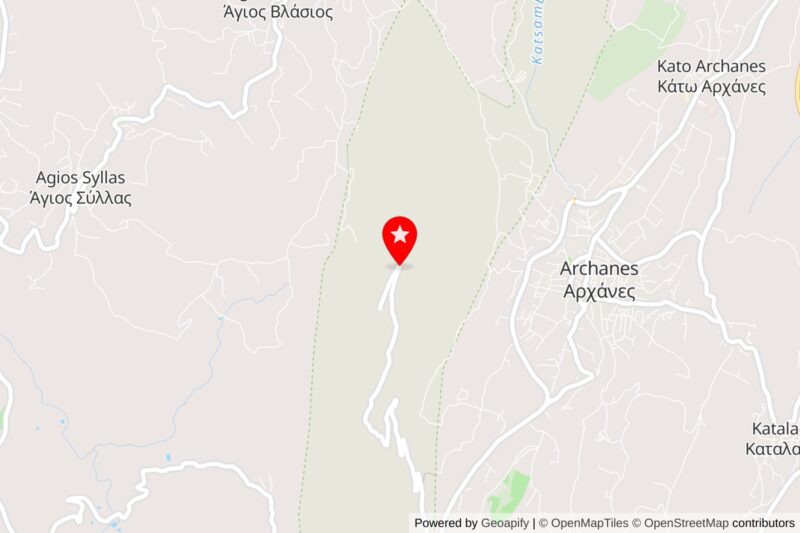
Location: Archanes-Asterousia 701 00, Greece
More information: Arhanes
How to Choose the Right Remote Trail in Crete

Choosing the right trail starts with an honest look at your own hiking fitness, not the prettiest photo you’ve seen online. Crete’s gorges range from gentle valley strolls to genuine scrambles with exposure and loose rock. Pick the wrong one for your group and a good day can turn sour fast.
Match the Route to Fitness, Experience, and Confidence
Start with routes like Mili Gorge or Kritsa Gorge if you’re walking with kids, older relatives, or anyone who prefers a clear, well-trodden path. Well-marked options such as Imbros Gorge also offer dramatic canyon walls with gentle footpaths.
Both stay manageable in terms of grade and distance, and neither demands technical scrambling skills.
Save Prassano Gorge, Diktamos Gorge, or the Chora Sfakion to Loutro coastal trail for days when your group is fit, well-rested, and equipped with proper boots.
Demanding mountain ascents like Rouvas Gorge beneath Mount Psiloritis or highland paths near Anogeia also require good stamina across rugged limestone slopes.
Ha Gorge sits in its own category entirely. Treat it as a canyoning route for trained groups, not a walking trail, unless you’re going with a qualified guide.
Consider Season, Heat, Shade, and Water
Shaded gorges such as Mili, Patsos, and Diktamos stay cooler through the peak summer months thanks to plane trees and running water. Exposed coastal and mountain routes, including the Sfakion trail and Juchtas Mountain, heat up fast under the midday sun, with little shelter.
Coastal and canyon winds also play a role across Southern Crete. Trails in the wider district south of Spili, between Agia Galini and Plakias, including Kourtaliotiko Gorge, can experience fierce gusts.
Meanwhile, the dry path through Agiofarago Gorge south of the Messara Plain near Matala offers little tree canopy as you approach the sea. This arid region sits just south of Gortyn, the ancient Roman capital of the island.
Water-dependent gorges like Prassano and Kritsa depend heavily on rainfall patterns. Some stretches become unsafe or impassable after heavy winter or spring rain, so check recent weather before setting out rather than turning back halfway in.
Planning a Safe, Low-Stress Gorge Walk

A safe gorge walk comes down to preparation the night before, not decisions made on the trail itself. Crete’s remote paths are rewarding precisely because they’re less managed than busy tourist routes. That also means fewer signposts, less phone signal, and no ticket booth checking whether you’re equipped for the walk.
What to Check Before Setting Out
Confirm that the trail is open and passable, particularly after rain, since several gorges on this list flow hard or turn slippery after storms. Tell someone your planned route and expected return time. Check that your phone has enough charge and that you’ve downloaded offline maps before you lose signal.
Footwear, Navigation, Transport, and Emergency Planning
Wear proper hiking boots with ankle support and real grip. Trainers work for Mili Gorge, but they fall short on rockier trails like Prassano or Diktamos. Carry a paper map or a downloaded GPS track alongside your phone, since several of these gorges have weak or missing signal in their deepest sections.
Plan your return transport in advance for one-way routes like Mili Gorge or the Loutro coastal trail. You’ll finish somewhere different from where you started. Pack more water than you think you’ll need, a basic first aid kit, and a whistle or another way to signal for help if you’re heading into a remote or technical gorge.
When to Visit Crete’s Quieter Trails

Early morning offers the best mix of cool temperatures, soft light, and fewer fellow walkers on the path. Arriving within the first hour or two after sunrise means you’ll often have shaded gorges like Mili or Patsos almost entirely to yourself, even in peak season.
Best Times of Day for Light and Fewer Visitors
Late afternoon works well too, particularly on west-facing coastal trails where the light softens and the heat fades. Midday sun makes exposed routes like Juchtas Mountain and the Sfakion coastal path genuinely uncomfortable. Save those hours for shaded valley walks instead.
Weather and Seasonal Access Considerations
Spring and early autumn offer the most reliable conditions across the island. The weather stays warm enough for comfortable walking, but it’s cooler than peak summer and generally drier than deep winter. Prassano Gorge is typically accessible only from mid-June to mid-October because of water levels, while gorges fed by winter rain can remain unpredictable in early spring.
Checking conditions close to your travel dates matters more for technical routes than for easier valley walks.
Frequently Asked Questions

What are some hidden places to visit in Crete beyond the busiest resorts?
Exploring hidden gems in Crete often begins with quiet gorges like Sarakina Meskla and Diktamos, which see far fewer visitors than headline hikes such as Samaria Gorge. Small mountain villages like Meskla, Katochori, and Prasses sit right at the trailheads and offer travelers a glimpse of the real Crete alongside the walking.
Further south near Plakias, natural landmarks like Kourtaliotiko Gorge showcase rushing springs and dramatic limestone cliffs far from package-tour crowds. Remote eastern trails leading to Kato Zakros offer quiet alternatives too.
Hikers venturing across western Crete, away from busy spots like Elafonisi, will discover pristine paths and dramatic gorges that feel a world away from the crowded coastline.
Coastal walkers can also head toward Sougia to explore the peaceful trail to Lissos, where ancient ruins meet the sea.
Which remote gorge walks in Crete are suitable for a relaxed day out?
Mili Gorge and Kritsa Gorge both offer graded, well-marked paths that suit a relaxed pace without technical difficulty. Patsos Gorge works well too if you stop at the cave waterfall instead of continuing to the more demanding lower section near Potami lake.
Southern trails like Agiofarago Gorge, situated between Agia Galini and Matala near the Messara Plain, are also ideal for an unhurried excursion. They pair a gentle downhill stroll with a swim in calm waters.
How difficult is the trail from Chora Sfakion to Sweet Water Beach and Loutro?
This route is moderate to demanding, with around 600 metres of elevation gain and loss over roughly 7 kilometres for the Aradena Gorge section, plus additional coastal walking to reach Loutro. Exposed cliff paths and summer heat make it tougher than the distance alone suggests, so fitness and an early start matter.
What should I pack for a safe, low-stress gorge walk in Crete?
Sturdy boots with good grip, more water than feels necessary, and a downloaded offline map or GPS track cover the essentials. A basic first aid kit and a fully charged phone round out a sensible day pack for any of these remote trails.
When is the best time to explore Crete’s quieter hiking trails?
Early morning offers the coolest temperatures and the fewest other walkers, especially in late spring and early autumn. Some gorges, including Prassano, become accessible only from mid-June onward, once water levels drop, so seasonal timing varies by route.
What should I avoid when hiking in Crete’s remote gorges?
Don’t attempt technical canyons like Ha Gorge without proper training and equipment. Some sections require rope work and climbing experience, not just ordinary hiking skills. In summer, avoid exposed routes during the hottest midday hours, and stay out of river gorges after heavy rain, when water levels can rise quickly.