

Newsflash from Thursday, 26 November 2026:

This roundup covers three stories from Crete and Greece. A consumer group has warned about fake estate agents in Chania, and a man jailed for 14 months over the alleged rape of a tourist has been acquitted. Arrests have also been made in a major investigation into overpriced recycling facilities.
Here is what you need to know.
1. Fake estate agents target Chania’s housing crisis

A severe housing shortage in Chania (Chaniá), a major city in western Crete, has created a breeding ground for rental scams. Fraudsters posing as real estate agents are currently exploiting people desperate to find a home.
On 25 November 2026, the Consumers’ Protection Association of Crete issued a stark warning. Working alongside the Association of Real Estate Agents of Chania Prefecture, they detailed how these illegal operators are tricking prospective tenants out of their money.
How the Scams Work
The scammers use several deceptive tactics to trap both locals and foreigners. One common method involves “bait advertisements” placed on large online property platforms.
Fraudsters use legitimate real estate agencies located outside of Crete as a front. When a house hunter enquires about a listing, they are told the property is already rented out.
The victim is then referred to a supposed “local partner” in Chania. This person actually lacks any professional real estate credentials.
In other cases, scammers hijack private rental ads. They approach the property owner pretending to be a friend of a potential tenant, while simultaneously presenting themselves to the tenant as the exclusive property manager.
Once they have a victim on the hook, the fake agents apply intense pressure. Claiming high demand and long waiting lists, they demand immediate cash payments before any lease is signed.
If the deal falls apart, the scammers vanish with the cash. The legitimate agency used as a front will then deny any involvement or responsibility.
How to Protect Yourself
Ioanna Melaki, president of the Consumers’ Protection Association of Crete, urges house hunters not to hand over a single euro in cash without a legal receipt and a completed lease. The association provides specific advice for anyone looking to rent in the area:
- Verify the agent: Always ask for the professional’s name, their Greek tax number (AFM), and their General Commercial Registry number (GEMI).
- Cross-check details: You can verify an agent’s credentials through the Chania Chamber of Commerce or the local realtors’ website (symenoch.gr).
- Contact the owner: Confirm directly with the property owner that they have actually hired this specific agent.
- Never pay in advance: Pay commissions only via bank transfer, and only after the rental agreement is fully finalized.
What to Do if You Are Scammed
If you fall victim to a fake agent, it is crucial to save all evidence. Keep text messages, phone numbers, online ads, and the details of any witnesses.
Victims should report the fraud to the local police. You can also file a complaint regarding tax violations with the Greek tax authority (AADE) via their “Citizen Complaints” platform.
For further guidance, the Consumers’ Protection Association of Crete offers support on weekday mornings (09:00 to 12:00) via email at [email protected].
2. Man acquitted of raping a Dutch tourist after 14 months in prison

A man accused of raping a Dutch tourist in Hersonissos (Chersónisos), a resort on the north coast of the Heraklion region, has been unanimously acquitted. The ruling came from the Mixed Jury Court of Lasithi (Lasíthi), the regional unit covering eastern Crete, on Tuesday 24 November.
Nea Kriti’s article describes him as 35 years old. A related Nea Kriti headline gives his age as 36.
The alleged incident took place in August 2025. On 17 August 2025, it was decided that he should be held in pre-trial detention.
He spent 14 months behind bars until the trial. He was held first at the prison in Tripoli (Trípoli) in the Peloponnese and later at the prison in Grevena (Grevená) in northern Greece.
The defence’s view
His lawyers are Giorgos Karoutsos and Georgios Kanelakis. According to the defence, the man denied the charge from the start and said the sexual contact was consensual.
Karoutsos told Nea Kriti that “the system is ailing.” In his view, there was serious evidence from the outset that what happened between the two was consensual, and this evidence was not properly assessed.
He said that in the pre-trial stage the woman’s account was accepted without witnesses, based only on her testimony given in the presence of a psychologist, as the law requires in such cases. He also pointed out that her complaint had been lodged three days after the alleged incident and that this had clearly been done out of revenge, as the defendant was involved in several relationships.
According to his lawyer, the man received the unanimous verdict with satisfaction.
Compensation claim planned
The man intends to take legal action against the Greek State once the written judgment is finalised. He will seek compensation for his time in pre-trial detention and the ordeal he went through.
Under the Greek Code of Criminal Procedure, the people entitled to claim compensation from the State include:
- people held in pre-trial detention who were later irrevocably acquitted by a court ruling or decision
- people imprisoned under a conviction that was later irrevocably overturned on appeal
- people convicted and imprisoned who were acquitted after a retrial
If a claim is accepted, the court awards between €20 and €50 per day of detention. This amount covers both presumed financial loss and moral damage, and it is set according to the claimant’s financial and family situation.
3. Arrests in the “recycling houses” scandal
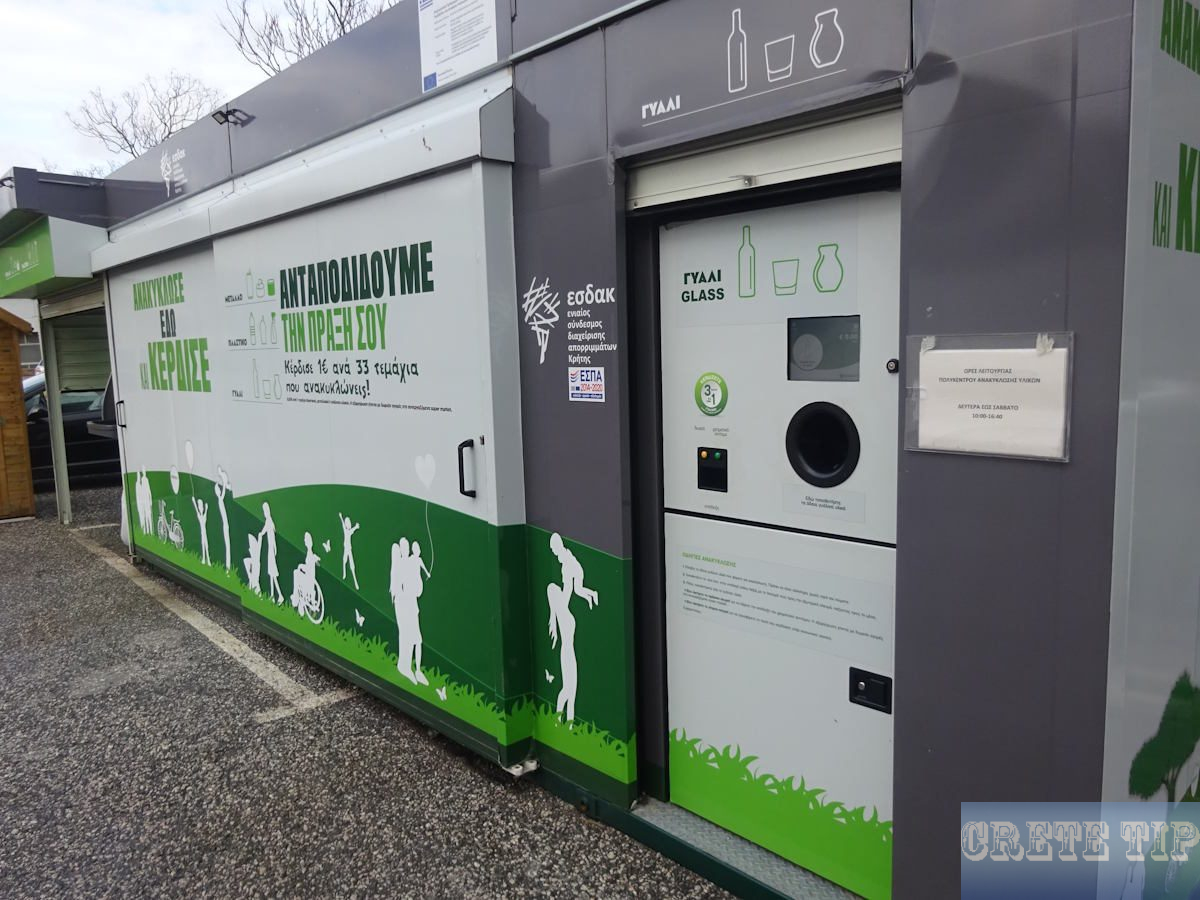
On Thursday 26 November, the Internal Affairs Division of the Hellenic Police launched a major operation. It acted on the orders of the European Public Prosecutor’s Office (EPPO), which investigates crimes against the EU’s finances.
The investigation concerns the so-called “recycling houses”. These are reward-based recycling centres where people return packaging in exchange for coupons.
Keep Talking Greece reported that at least three businessmen had been arrested. According to reports, they include the owners of the company TEXAN (ΤΕΧΑΝ) and a well-known publisher.
Nea Kriti reported that the arrests were preceded by house searches and that six first-instance prosecutors were assisting. According to the paper’s information, people from politics and local government are also under scrutiny.
What is being investigated
The EPPO investigation has been running since 2025 and centres on the possible misuse of EU funds. Prosecutors examined tenders from three regions. They also examined ten contracts from eight municipalities for the direct purchase of recycling machines from TEXAN in 2022.
Those municipal contracts are worth a total of €66 million. Investigators are looking at the equipment costs, as well as how the contracts were awarded and funded.
Last summer, police searched facilities in Dafni, Pallini and Aspropyrgos, all in the Athens area. The searches were ordered by European prosecutors Evgenia Kyvelou and Eleni Siskou.
Investigators seized digital files, sales contracts for the machines and TEXAN’s agreements with communications companies. Five environmental inspectors also took part.
One question under examination is whether undue influence was used to steer contracts to the company.
€300,000 versus €66,000?
Reports citing an official report say that about €300,000 was paid for each recycling house. According to the same reports, the estimated market price was around €66,000.
TEXAN disputes this comparison. The company says competing bids in the tenders were significantly higher, and it cites a decision of the Court of Audit.
On 1 July 2026, TEXAN informed the Region in writing that it would stop operating the centres and stop redeeming reward coupons. Those coupons were worth €1 for every 33 packages returned. The company says its agreement only covered the first year of operation, 2023.
The case has particular relevance for Crete. Nea Kriti says it first raised the issue of the recycling houses two years ago.
What does this mean for visitors?
- Renting in Chania? Be cautious with agents you can’t verify. Don’t pay deposits or fees before checking the agent’s identity and seeing the property. Read the consumer group’s full checklist (linked below) before paying.
- Legal matters: The Hersonissos case shows that pre-trial detention in Greece can last a long time before a trial takes place. If you are ever involved in a criminal case, as a complainant or a suspect, contact a local lawyer and your consulate quickly.
- Recycling houses: Since TEXAN says it stopped coupon redemption on 1 July 2026, reward recycling points may not work as expected. Check locally before collecting packaging for coupons.
- Follow local news: All three stories are still developing. Local outlets such as Nea Kriti carry the latest updates.
Further reading
- Nea Kriti – Fake estate agents exploit Chania’s housing crisis
- Nea Kriti – Is he entitled to compensation after 14 months in prison and a unanimous acquittal?
- Nea Kriti – Rapid developments in the “recycling houses” case: arrests and house searches
- Keep Talking Greece – Arrests in connection with “overpriced recycling houses” following EPPO investigation



