

News brief from Thursday, 26 November 2026 (healthcare):
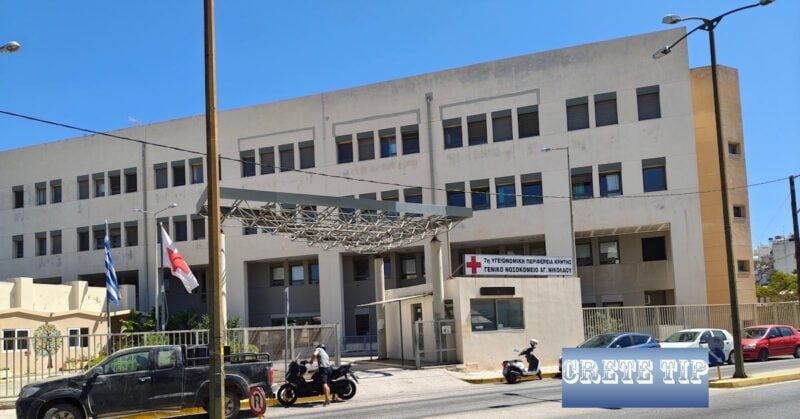
People who need medical treatment in Greece may face barriers even when they have insurance coverage. According to the “Health at a Glance: Europe 2026” report, as reported by ZarpaNews, one in five people in Greece who needed medical care in 2025 did not ultimately receive it. The corresponding EU average was 3.6%.
The Greek share fell by two percentage points compared with 2024, but remains far above the EU figure. Among people at increased risk of poverty, 30% had unmet medical needs in Greece, compared with 5.9% across the EU. The report identifies costs, waiting times and geographical constraints—particularly in remote areas—as barriers.
Costs and staffing
Hospital funding in Greece also differs substantially from the EU pattern. Public funding and compulsory insurance cover 66% of total hospital-care spending in Greece, compared with 92% in the EU. The report cautions that this does not necessarily mean patients make direct payments for every treatment in a public hospital: private spending also includes care provided by the private sector and services that are not reimbursed.
Hospital care accounted for 31% of Greek households’ direct health spending, against 7% in the EU. Staffing presents a separate challenge. In 2024 Greece had 4.1 nurses per 1,000 residents, compared with an EU average of 8.6. The report notes that differences in how countries record nursing staff may affect comparisons.
Digital services and reforms
Greece recorded progress in digital health services. In 2025, the indicator measuring people’s electronic access to medical information rose by 21 percentage points, the largest increase among EU member states. The report also stresses that building digital infrastructure does not by itself show whether the quality or effectiveness of care has improved.
Measures to reorganise primary care have been under way since 2022 and include the Personal Doctor scheme. The report says the effects of these changes may not yet be fully reflected in available indicators, and that the Personal Doctor role has not yet become established.
What does this mean for visitors or expats?
As a practical precaution, residents and people staying for an extended period may wish to check their insurance coverage, possible out-of-pocket costs and how to access medical services before they need care. When seeking treatment, consider contacting the relevant insurer or provider directly to ask about availability and waiting times. This is general advice, not a prediction about any individual case.



