

Crete has a reputation for beautiful food, and honestly, it deserves it. The dishes you see most in tourist spots only show a fraction of what’s really going on.

If you want authentic traditional Cretan food, you’ve got to look toward the villages. That’s where people still cook the way their grandparents did, and the recipes haven’t budged in ages.
To discover real Crete food, you have to step away from the resorts. Village squares are where you’ll find those unchanged recipes, and if you stick around long enough, you start to see that locals eat differently than what taverna menus suggest.
Day-to-day Cretan food is quieter, simpler, and honestly, way more plant-based than you might expect.
Eating out in Crete gets way more interesting if you follow local habits. The best thing about Cretan food is how good the ingredients are—people keep things simple, eat slow, and enjoy the company.
This is the backbone of the traditional Cretan diet, which people around the world study for its health perks and links to longevity.
Crete isn’t mainland Greece, and its food isn’t just Greek food by another name. The island has its own cheeses, its own fats for cooking, unique fasting traditions, and a different relationship with meat.
Some dishes only exist in a single village. Others show up everywhere but taste completely different depending on the cook and the ingredients.
This guide covers the dishes worth hunting down and what people actually eat every day. Knowing both sides is how you stop being just a tourist and start getting properly fed.
What Cretan Food Is Really Like
Cretan cooking is about restraint, not richness. The island’s geography and history shape the traditional Cretan diet.
People let each ingredient shine, using Cretan extra virgin olive oil, lemon, salt, and dried herbs. That’s really it—no fuss.
Seasonal Ingredients And Simple Cooking
Cretans cook with what’s growing right now, not what a supermarket stocks all year. In spring, wild greens like horta pop up everywhere.
Locals boil these greens and drizzle them with olive oil and lemon. Horta is a staple—people say it cleanses the palate and packs in vitamins.
Summer means courgettes, tomatoes, and aubergines. When autumn rolls in, root vegetables and legumes take over.
This rhythm shapes the whole diet. The same dish can taste totally different depending on the season.
Most traditional recipes are simple. A stew might just be meat, olive oil, onion, and a veggie or two.
Most homes use oil from the Koroneiki olive, which is peppery and bold. It’s not just a background flavor—it’s front and center.
On Crete, olive oil is the cooking medium, the dressing, and sometimes the sauce. It’s the heart of almost every meal and really defines the island’s taste.

How Island Geography Shapes The Table
Crete is Greece’s biggest island, and the landscape changes a lot. You’ve got the White Mountains in the west, the Lassithi Plateau in the east, and long stretches of coastline.
Inland villages and mountain areas eat more lamb, goat, and aged cheese. Coastal spots lean toward seafood and fresh fish.
The geography decides what recipes you’ll find in each village. The Lassithi Plateau is famous for potatoes and apples, while the south coast grows tomatoes, avocados, and even bananas.
Your plate really depends on where you’re standing.
Why Home Cooking Matters More Than Restaurant Menus
The most honest Cretan food isn’t usually in restaurants. It’s in home kitchens, at family tables, and during village celebrations.
Tavernas serve good stuff, but they often adjust for what tourists want. A grandmother’s slow-cooked beans on a Tuesday night? That’s way closer to the real Cretan diet than most menu items.
If someone invites you into their home, just go. You’ll learn way more about local eating habits that way, and you might even pick up a recipe that’s been in the family for centuries.
Dishes Visitors Should Try First
These dishes are truly Cretan, not just Greek food you’ll find everywhere. Some are for celebrations, some are humble, but all are worth knowing before you order.
Dakos
Dakos is probably the first Cretan dish you should try. It starts with a hard barley rusk (called paximadia) that gets a quick soak in water or tomato juice.
Then you pile on grated fresh tomato and crumbled cheese—mizithra, myzithra, xinomizithra, anthotiro, or sometimes feta. Feta is famous, but locals often use creamier, local cheeses instead.
A good splash of Cretan olive oil and oregano finishes it. Honestly, a well-made dakos is one of the best things to eat on a hot day.
You’ll often see dolmades (stuffed grape leaves) on the table too, filled with rice and herbs. Tzatziki is everywhere, but the Cretan version uses crazy-thick, tangy yogurt from mountain sheep and goats. It’s perfect with bread or fried veggies.
Kalitsounia
Kalitsounia are small pastries stuffed with fresh mizithra, anthotiro, or wild greens and herbs. They come baked or fried, and the shape changes from village to village.
Sweet versions show up at Easter, drizzled with thyme honey. Savory ones are everyday snacks or starters. Both are way more authentic than the standard cheese pie you find elsewhere.

Gamopilafo
Gamopilafo means “wedding rice.” The rice cooks slowly in broth from boiled lamb or goat, then gets finished with lemon and staka—a unique Cretan dairy fat made from sheep or goat milk cream.
Sometimes they use stakovoutyro, a kind of clarified butter, to make it extra rich. The result is filling and deeply savory.
It’s a celebration dish, so you’ll rarely find real gamopilafo outside big events or traditional restaurants. If you spot it on a menu, don’t skip it.
Antikristo
Antikristo is more a method than a dish. Big cuts of lamb get arranged on vertical spits around a fire and cook slowly from the heat radiating out.
This takes hours. The meat ends up tender and just a little smoky. It’s a communal, festive way of cooking, and you’ll mostly find it at village festivals or old-school tavernas.
Another meat specialty is kokoretsi—seasoned offal wrapped in intestines and roasted over a fire. It’s bold, and locals really love it, especially at Easter.
Boureki
Boureki is a classic from western Crete, especially Chania. It’s a baked dish of sliced courgettes, potatoes, and fresh mizithra cheese.
Sometimes there’s fresh mint or a thin pastry crust. It’s hearty, simple, and a staple in a lot of homes.
Sfakian Pie
Sfakian pie (Sfakiani) comes from the rugged mountains of Sfakia. It’s a thin, flat pastry filled with mizithra and cooked in a pan with barely any oil.
Locals eat it as a snack or a light meal, usually drizzled with thyme honey. The sweet and salty combo is just about perfect.
In the east, you might find Nerati—a similar thin, pan-fried pie. Both show off how Cretan dairy and honey work together in simple, portable meals.
Snails And Other Village Specialities
Fried snails are a real local favorite—usually made as chochlioi bourbouristi. The snails get fried in olive oil, salt, and vinegar, with a little rosemary thrown in.
People have eaten them for thousands of years, and in villages, they’re just part of the everyday table. If you’re adventurous, give them a try.
Other lesser-known specialties include stamnagathi, a bitter wild green often served with lamb, and apaki, a cured, smoked pork. These don’t show up much on tourist menus but are totally part of the real Cretan diet.
What Locals Actually Eat Day To Day

Everyday eating in Crete is a lot quieter than the big festival dishes suggest. People keep things simple, eat what’s in season, and lean way more on veggies and pulses than meat.
The idea that every meal is a lamb feast? That’s just not reality.
Breakfast At Home And In The Kafeneio
At home, breakfast is light—maybe bread with olive oil, a few olives, and some cheese. Sometimes it’s just bread with a spoonful of Cretan honey.
The kafeneio (old-school café) is the social heart of any village. People come for Greek coffee, a glass of water, and conversation that can last all morning.
Sharing a coffee isn’t just about caffeine—it’s a ritual. The coffee brews slowly in a little pot, and people sip it over long chats.
Tourists sometimes walk right by these places without realizing they’re seeing a core part of village life. In a kafeneion, you really feel the slow pace that defines the traditional Cretan diet.

Everyday Lunches Built Around Vegetables And Pulses
Lunch is the main meal for most families. Dishes like fasolada (bean soup), revithada (chickpea stew), or fava are regulars during the week.
There’s almost always a fresh Cretan salad on the table—tomatoes, cucumbers, peppers, onions, mizithra cheese, and local herbs.
The ladera style (vegetables slow-cooked in olive oil) produces some of the best plant-based food anywhere. These meals are healthy, filling, and really the core of how people eat on the island.

Weeknight Suppers, Leftovers And Shared Plates
Evening meals at home in Crete are usually on the lighter side. You might see leftover soup, some bread, olives, and Cretan cheese on the table.
Maybe there’s a bit of yoghurt drizzled with thyme honey to finish things off. It’s a simple, satisfying way to end the day.
Sharing is the rule, not the exception. Food lands in the middle of the table, and everyone just digs in.
If you order a few small plates to share, you’ll almost always eat better. That’s just how it works here.
Most meals wrap up with a chilled glass of Cretan Raki. Locals love this clear, potent spirit as a digestif after dinner.

They often call it tsikoudia. It’s more than just a drink—it’s a little ritual of hospitality.
Ouzo might show up as an aperitif, but tsikoudia is what people really reach for daily. It’s often poured alongside a small bite like olives, nuts, or a wedge of graviera cheese.
You’ll probably get Cretan wine with your meal, too. Local wines are getting a reputation for quality, and they really round out the experience.
Meat, Fish And Fasting Food In Real Life

Meat, seafood, and fasting food all play different roles throughout the Cretan year. What ends up on your plate depends on the season and who’s cooking.
When Meat Is Traditional And When It Is Occasional

Lamb and goat are the classics in Crete. At Easter, the whole roasted lamb takes center stage.
Weddings call for meat dishes like gamopilafo. It’s just expected.
Tsigariasto is another favorite—lamb slow-cooked in its own juices. Then there’s kleftiko, where lamb bakes in parchment with garlic and herbs.
If you like saucy food, rabbit or beef stifado with baby onions is a home staple. On a regular weekday, though, you might not see any meat at all.

Coastal Seafood Versus Inland Preferences
On the north coast in places like Heraklion and Chania, seafood is part of daily life. Think grilled octopus, sea urchin, fried whitebait, or fish cooked with just olive oil and lemon.
Head inland, and things change. Seafood drops off the menu, replaced by dried pulses, aged cheese, and preserved meats like apaki.
The food here feels more rooted in shepherd life than anything maritime. It’s a different vibe, honestly.

Lent, Religious Fasts And Plant-Based Meals
The Greek Orthodox calendar has several fasting periods. During these times, people skip meat and dairy, so meals lean heavily on vegetables, pulses, and bread.
Boiled greens—horta—show up everywhere during fasts. They’re usually served with legumes and hearty Cretan rusk.
Ladera dishes and bean soups kept people going during fasts long before anyone called them vegan. If you visit during Lent, you’ll see these dishes everywhere.
Regional Differences Across The Island

Crete is long and varied, so food really does shift as you travel. Each region takes its traditional dishes seriously.
Mountain Villages And Shepherd Traditions
Mountain villages reflect a shepherd’s way of life. Local Cretan dairy stands out here—xinomizithra, pichtogalo, and other aged cheeses.
Tyrozouli is a traditional cheese you’ll find in the highlands. In Chania, they really prize pichtogalo for its creamy texture.
Hard cheeses like graviera and kefalotyri are always around. Staka, a rich sheep’s milk fat, is a mountain specialty—served over fried eggs or stirred into rice.

North Coast Tavernas And Urban Food Habits
Cities along the north coast have more diverse eating habits. You’ll find great seafood restaurants and street food like gyros.
Bakeries serve up things like bougatsa or galaktoboureko. Tavernas here range from traditional spots with loyal locals to places aimed at visitors.
Heraklion, in particular, has a strong local food scene. Some places really do serve proper Cretan cooking.

South Coast Simplicity And Seasonal Produce
The south coast is quieter and more isolated. Tavernas are smaller, and the menu depends on what’s growing nearby.
You’ll probably get tomatoes picked that morning. The south grows all sorts of subtropical produce—Cretan bananas, for example, are smaller and sweeter than the ones shipped in from abroad.
How To Eat Well Without Falling For Tourist Menus
Eating well on Crete isn’t hard if you know what to look for. The trick is finding out where locals actually go, not just following the crowds.
How To Spot More Authentic Tavernas
Menus written in Greek are a good sign. Short, seasonal menus beat long lists every time.
If you see local families filling the room, that’s usually a green light. Places just off the main tourist drag tend to offer better value and more authentic food.
They stick to traditional Cretan recipes—often the same ones their families have cooked for generations.

What To Ask Before Ordering
It’s totally fine to ask what’s fresh today. Maybe check if the lamb is local or if the fish came in that morning.
Start simple: dakos, olives, maybe a few meze. A saganaki made with fried Graviera Kritis adds something warm and savory.
Locals usually order mezedes a few at a time, not all at once. There’s no rush.

Common Mistakes Visitors Make
Ordering Moussaka or pastitsio isn’t wrong, but these are pan-Greek dishes. If you want the best meal, ask about regional specialties instead.
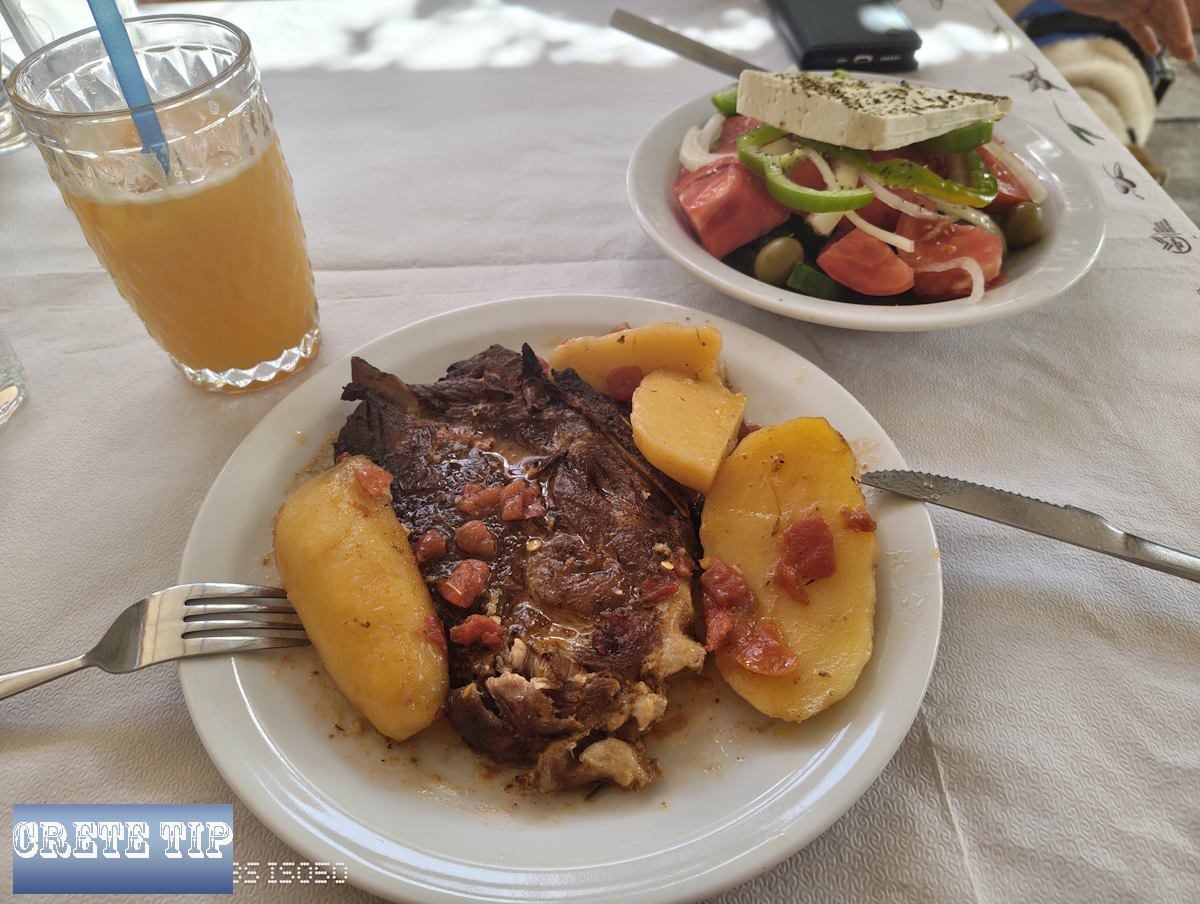
Greek salad is another example. A real Cretan salad swaps feta for mizithra cheese and adds barley rusks to soak up the dressing.
You’ll still find good feta, especially in homes and mountain villages, but the Cretan salad is more robust and textured than the classic version.
Lunch is the big meal for most locals. Tavernas serving working people at midday usually offer the best value and the most honest, traditional dishes.
Frequently Asked Questions

What are the must-try traditional dishes when visiting Crete?
Dakos, horta, kalitsounia, kleftiko, tsigariasto, and antikristo all deserve a spot on your list. Anthotiro, kefalotyri, and the many Cretan cheese pies are also staples.
Gamopilafo, stakovoutyro, and chochlioi boubouristi (fried snails) are worth seeking out, too. A fresh Cretan salad and local wine are part of the island’s heritage.
Stamnagathi with lamb, apaki cured pork, and fried snails say a lot about the island’s food history. Ending your day with Greek coffee and a Sfakian pie drizzled with thyme honey—and maybe a little Raki—just feels right.
How is Cretan cuisine different from mainland Greek food?
Cretan food leans more on local olive oil, wild greens like horta, and aged sheep and goat cheeses such as Graviera Kritis. You’ll find products like staka, apaki, and barley paximadia here, but not so much elsewhere in Greece.
Where do locals in Crete typically eat for an authentic meal?
Locals usually pick smaller tavernas away from the seafront. If you see a busy room full of families at midday, that’s a kitchen you can trust.
What are the best local foods to try in Chania?
Chania is the spot for boureki, a baked dish with courgette, potato, and mizithra cheese. Apaki smoked pork and Sfakiani, the thin fried cheese pastry, are also standouts in the west.
What are the best local foods to try in Heraklion?
Heraklion has a strong taverna culture. Look for real dakos, slow-cooked goat, and fresh seafood.
Bougatsa from an established city shop is a classic Heraklion breakfast. It’s worth waking up early for, honestly.
What street foods should you look out for in Crete?
Loukoumades and galaktoboureko are both popular sweets. You’ll spot them at most local markets if you wander around long enough.
Cretan cheese pies pop up at bakeries all over the island. Sfakianopita is another one you shouldn’t skip—trust me, it’s worth a try.
You’ll find gyros too, but honestly, that’s more of a general Greek thing than a Cretan specialty.



Thank you for all this interesting and helpful information. I look forward to eating in Crete on my upcoming trip!
You are welcome!