

The real guide to tipping: what locals actually give and why tourists get it wrong.
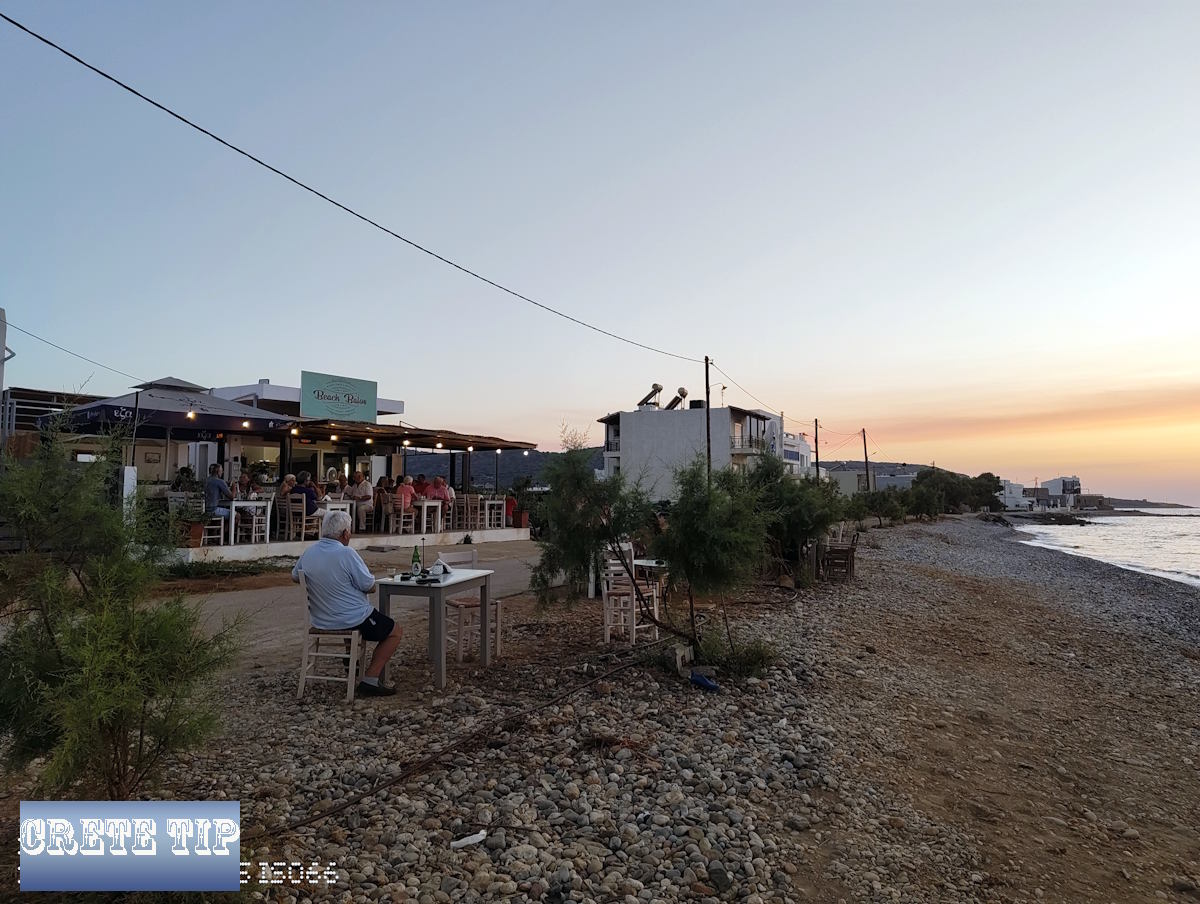
Walk into any travel forum about Greece, and you’ll find the same recycled advice: tip 10 to 15 percent, always leave cash, never offend your host. But spend enough time eating at tavernas across Crete—from harbor restaurants in Agios Nikolaos to quiet village squares near Kastelli—and a different picture emerges. The conventional tipping wisdom transplanted from North American norms doesn’t just miss the mark in Crete; it actively distorts the local economy and the relationship between diners and the people serving them.
Here’s what actually happens at Cretan tables, and how to navigate tipping etiquette like someone who has read past the first blog post.
The Fundamental Truth: Tipping Is Appreciated, Not Expected
Unlike in the UK, where tipped workers depend on gratuities because base wages are legally suppressed, Greece operates under minimum wage legislation that covers restaurant workers. Service staff receive regular salaries and social insurance regardless of whether you tip. The moral obligation that underpins British tipping culture simply does not exist in Crete.
This doesn’t mean tipping is unwelcome—quite the opposite. A tip in Crete functions as a genuine gesture of appreciation rather than a compulsory wage subsidy. The Greek approach treats service as part of the price, the waiter as a professional doing a job rather than a performer seeking validation, and the diner-restaurant relationship as direct and unsentimental.

What Locals Actually Leave
Watch the Greeks around you at any neighborhood taverna or kafeneio, and the pattern becomes clear. The benchmark isn’t a percentage—it’s a rough rounding-up to the nearest convenient figure:
- A bill of €23.50 becomes €25
- A bill of €47 stays at €47 if service was average
- After a €25 meal, a local might leave €1 on the table
- After a €60 dinner for two, €3 is not unusual
This isn’t stinginess. It reflects a cultural framework where Greeks compliment food verbally, return to restaurants they like, and send friends. Those are the currencies that matter most in a local economy.
The Practical Breakdown by Context

Here’s what years of observation across the island suggest, broken down by setting:
Kafeneio or Café (Coffee and Pastry)
Nothing, or leave the coins from your change. A €3.50 coffee does not require a tip. If your drink costs €3.20, leaving €3.50 is perfectly acceptable.
Casual Lunch at a Beach Taverna (Under €20 per person)
Round up to the nearest euro or two. Leaving €1 to €2 is entirely appropriate.
Sit-Down Dinner in a Neighborhood Restaurant (€35-€60 total)
Five percent is generous by local standards. That’s €2 to €3 on a €50 bill.
Tourist-Area Restaurant with Attentive Service
Ten percent is the ceiling unless something exceptional happened. These restaurants have calibrated their service model around tourist behavior, and the social contract has shifted.
Group Booking or Special Occasion
Ten percent in cash is appropriate and will be remembered by staff.
The “Couvert” You’ve Already Paid
Before calculating any tip, check your bill for what Greeks call the kouver (cover charge). It appears as a line item in many sit-down restaurants, typically between €1 and €2 per person—occasionally higher in tourist areas. In exchange, you receive bread, olives, perhaps a small dip or raw vegetables that simply arrived at your table.
This charge is legal, normalized, and rarely explained to foreign diners. It is not a service charge in the classical sense (it doesn’t go to the waiter), but it functions as a built-in revenue item that already accounts for the cost of sitting at the table. When you add 15 percent on top of a bill that already includes a couvert, you are effectively paying twice for the overhead of occupying your chair.
If you don’t want this course, simply inform the wait staff and the cover charge won’t be included in your final bill.
Cash or Card: Does It Matter?
Yes, and significantly. When you tip by card in Greece, the amount enters the restaurant’s card processing system, where it may be pooled, reported for tax, or distributed through payroll cycles. It is not guaranteed to reach the specific person who served you that evening.
Cash left on the table is direct. The waiter collects it when they clear your place. It is personal, immediate, and consistent with the local habit of handing over loose change as a gesture of appreciation. In a country where a meaningful portion of economic exchange still happens outside digital channels, a cash tip carries social weight that a card addition simply does not.
The practical advice: get €20 to €40 in small notes and coins before a dinner reservation. ATMs are common in towns like Rethymno, Heraklion, and Ierapetra. If you’re paying by card and have no cash, tell the waiter explicitly that you want to give them something personally and hand it over separately—that gesture is understood regardless of language.
Tourist Trap Zones: Where Expectations Inflate

Not all restaurants on the island operate by the same norms. In tourist-heavy areas—the old town and harbor of Rethymno, beachside restaurants along popular coastal stretches, and establishments where the menu exists in four languages—the social contract has shifted considerably.
These restaurants have calibrated their service model around tourist behavior. Staff expect 10 percent because tourists have reliably delivered 10 percent for two decades. Menu prices are often 20 to 40 percent above what you would pay at a restaurant frequented primarily by locals.
A practical test: if you found the restaurant on a major travel platform and the photos show styled presentation, budget for 10 percent. If a local pointed you there, round up and nothing more is expected.
Traditional Tavernas: Different Rules Apply

The traditional taverna away from the main tourist circuits—particularly in villages set back from the coast or in quieter areas like those around Myrtos—operates on entirely different social architecture. The person taking your order is often the same person who cooked the food and whose name is on the sign above the door.
In these settings, the amount matters less than the act itself. Leaving €2 at a family taverna after a €30 meal is a warm gesture that will be received differently than the same €2 left at a tourist harbor restaurant. If the owner has come to your table three times to ask whether the lamb was cooked to your liking, leave something. That specific person made your food, and that deserves direct acknowledgment.
Beyond Restaurants: Tipping for Other Services

Taxis
Within cities, tipping is not expected. Simply round the fare to the nearest euro for convenience. If your fare is €8.50, rounding to €9 or €10 is a nice gesture. For private transfers where the driver helps with luggage, a few extra euros are appropriate.
Hotels
In small and mid-range family-run hotels, tipping is generally not expected. In larger hotels, porters typically receive €1-€2 per bag. Housekeeping staff appreciate €1-€2 per day, often left on the bedside table at the end of your stay. For room service, €5-€10 is reasonable unless a service charge is already included.
Tour Guides
For half-day tours, €5-€10 per person is appreciated. For full-day excursions, €15-€20 per person is appropriate. For so-called “free tours” (which operate on a pay-what-you-want basis), tipping isn’t optional—it’s how the guide earns their living, so consider €10 per person as a minimum.
Hair Salons and Beauty Services
Tipping isn’t required, but €1-€2 for good service is a nice gesture. For a €42 haircut, leave €45.
Delivery service

In my experience, it is considered standard practice to tip delivery staff.
Generally speaking, for a small delivery (orders up to €20), a modest tip of €1 is considered appropriate and polite.
Frequently Asked Questions About Tipping in Crete

Do you have to tip in Crete?
No—tipping is not mandatory in Crete. Service staff are paid wages, so a tip is simply a gesture of appreciation, not an obligation. That said, leaving a small amount is always welcomed for good service.
How much should I tip in restaurants?
Most locals round up the bill or leave small change. For visitors, 5% is considered generous in standard tavernas, while up to 10% is typical in tourist-heavy areas or for excellent service.
Is it rude not to tip?
No, it is not considered rude. However, if you received friendly or attentive service, leaving even €1–€2 is seen as polite and appreciated.
Should I tip in cash or by card?
Cash is preferred. Tips left in cash usually go directly to the person who served you, while card tips may be pooled or processed through the business.
What is the “cover charge” on my bill?
This is often listed as a “kouver” or cover charge and usually costs €1–€2 per person. It typically includes bread or small starters. It is not a tip, so you are not expected to tip on top of it—but many people still leave a small amount if they are happy with the service.
Do I tip in cafés and bars?
Not usually. You can simply round up the bill or leave small coins, especially if you are staying for a while or received table service.
How much should I tip taxi drivers?
Tipping taxi drivers is not expected. Most people just round up to the nearest euro. For longer journeys or extra service (like help with luggage), you can add a couple of euros.
Should I tip hotel staff?
In larger hotels, small tips are appreciated: €1–€2 per bag for porters and €1–€2 per day for housekeeping. In smaller, family-run accommodations, tipping is less common.
Do tour guides expect tips?
Yes, especially for organized tours. A tip of €5–€10 for a half-day tour or €10–€20 for a full-day tour is considered appropriate.
Is tipping different in tourist areas vs local areas?
Yes. In tourist-heavy areas, staff are more accustomed to tips and may expect around 10%. In local tavernas, smaller amounts—or simply rounding up—are the norm.
Can I tip more if I receive exceptional service?
Absolutely. While modest tips are standard, leaving more for outstanding service is always appreciated and often remembered.


