

Newsflash from Tuesday, 14 July 2026:
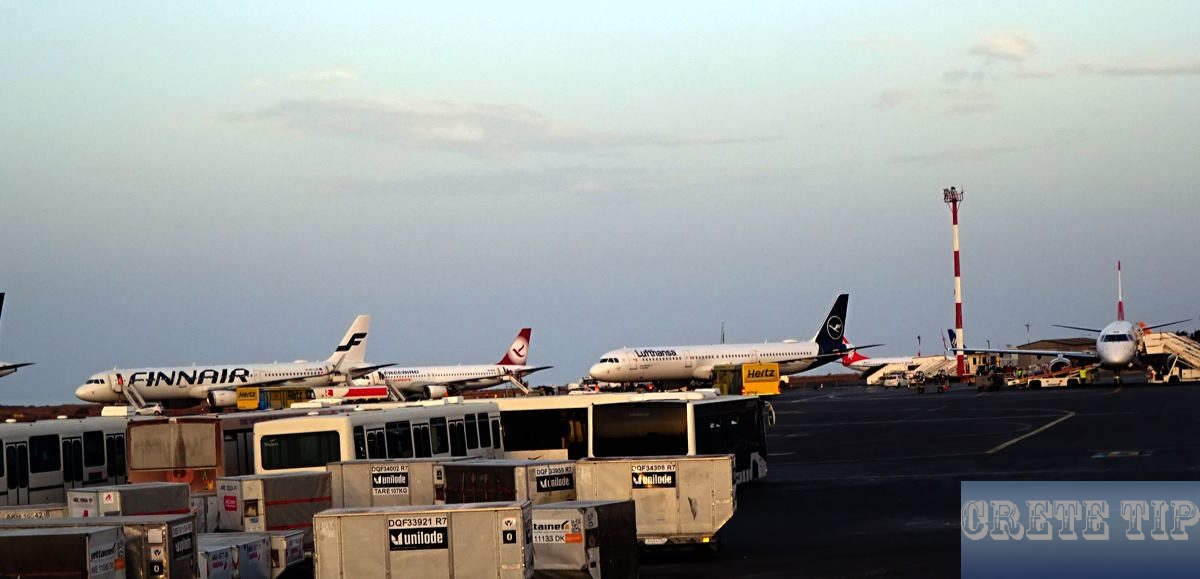
Heraklion’s “Nikos Kazantzakis” International Airport, the second busiest gateway in Greece, is under fire for a critical lack of medical staffing. Despite serving over 10 million passengers in 2025, the airport’s medical clinic is reportedly operating under “suffocating” conditions, sparking a formal intervention at the European Commission.
A Medical Crisis on the Tarmac
According to reports from Radio 98.4 and local MEPs, the current health shielding of the airport is dangerously thin. The facility is currently operating with an organizational chart from 2012, which allocates only four doctors—one of whom is an intern—to cover the needs of millions of travelers.
The situation is further complicated by grueling 17-hour and 24-hour shifts. Adding to the burden, the morning shift is also tasked with acting as “Personal Doctors” for approximately 2,000 residents of the nearby Alikarnassos area, who visit the airport clinic for routine examinations and prescriptions.
MEP Sakis Arnaoutoglou Takes the Issue to the EU
PASOK MEP Sakis Arnaoutoglou, in collaboration with Cretan MPs, has officially brought the matter to the European Commission. The intervention questions how a major European tourism hub can function without full medical coverage and immediate emergency response capabilities.
“It is not possible for an international airport receiving more than 10 million passengers a year not to have full, stable, and effective health coverage,” Arnaoutoglou stated. “In an emergency, every minute is critical.”
Key Questions for the European Commission
The formal inquiry submitted to Brussels focuses on three main pillars:
- EU Standards: Are there specific European guidelines or best practices for emergency pre-hospital care at international airports?
- Passenger Safety: Does the Commission consider adequate medical services a core component of “critical transport infrastructure” resilience?
- Funding: What European financial tools can member states use to bolster health services at high-traffic airports?
The Silence of Local Authorities
While the “alarm bell” has reached Brussels, local reports highlight a deafening silence from the Greek Ministry of Health, the 7th Health Region (YPE), and local tourism bodies. Critics argue that the safety of millions of visitors and thousands of airport employees cannot rely on “makeshift” solutions or the exhaustion of a handful of medical professionals.
As Crete prepares for another record-breaking tourism season, the pressure is on for the Greek government to provide permanent staffing and a modern operational plan that reflects the reality of the airport’s massive traffic.
Sources:



