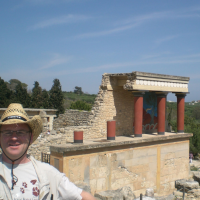
Crete in July and August is genuinely spectacular. The light is extraordinary, the sea is warm, and the island has an energy that’s hard to find anywhere else in Europe.
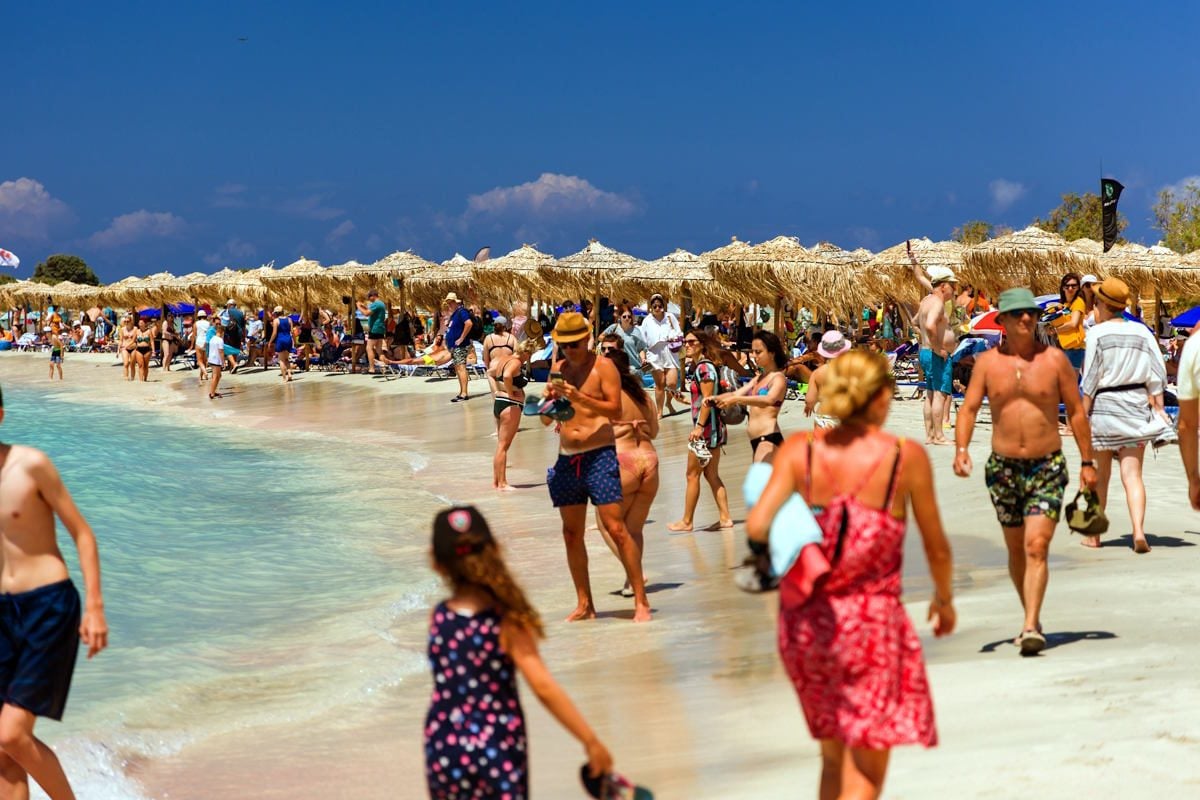
It also gets very busy, and in some places, uncomfortably so.
Planning your Crete travel takes a bit of strategy during the peak summer months. Many visitors find that April marks a beautiful transition as the island begins to wake up.
Some say late spring or early autumn is the best time to visit, but summer has its own charm if you know how to dodge the crowds.
The good news? Crete is big enough to swallow up visitors unevenly, so you can still find quieter corners if you know where and when to go.
The island stretches about 260 kilometres from west to east. The difference in atmosphere between a beach club near Hersonissos and a cove near Xerokampos is almost comical.
Crowds don’t spread out evenly. They gather in predictable spots at predictable times, so with a little planning, you can spend most of your time elsewhere.
This guide is for anyone who wants a real sense of what peak season actually looks and feels like on Crete. Not a list of “secret” places that everyone already knows, but an honest look at where the pressure points are and how to plan a summer trip that still feels worth it.
What Peak Summer Really Means On Crete
July and August show you a different Crete than spring or October. The contrast is even sharper compared to winter, when snow-capped peaks take over the landscape.
Temperatures inland often climb above 32°C in summer. The strong Meltemi wind blows across the north coast, making the sea choppy and sometimes sending people south in search of calmer beaches.
Coastal roads get packed—way more traffic than they were built for. The most popular sites fill up from mid-morning, sometimes beyond comfortable limits.
Why July And August Feel Different From The Rest Of The Year
Crete gets over four million tourists a year, and about 60% of them land between June and August. Heraklion airport handles more than a thousand flights per week at its peak.
That flood of people doesn’t just melt away into the landscape. It pours into a handful of beaches, some famous ruins, and the old town streets of Chania and Rethymno.
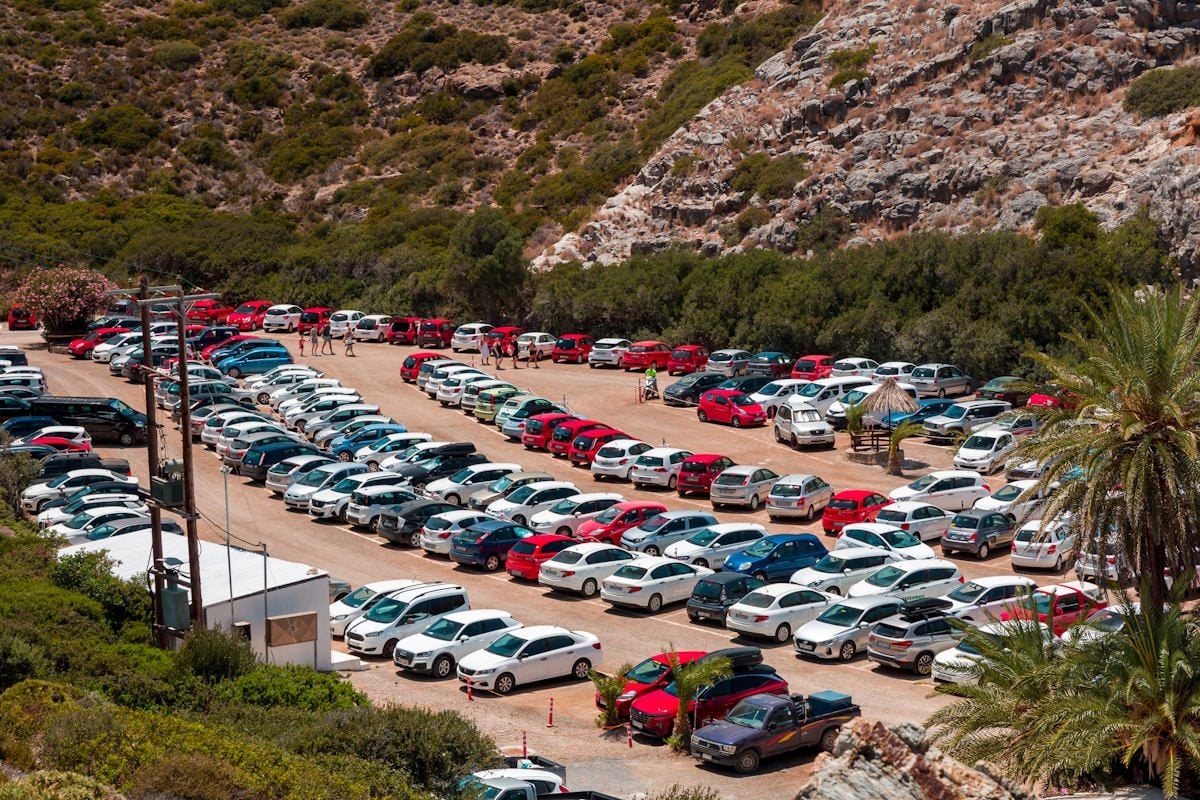
By mid-July, the busiest spots are packed by 10am. Parking near Balos and Elafonisi is a headache even before 9am on the busiest days.
Popular gorges end up with queues at the trailheads. This isn’t just hearsay; it’s what actually happens in high season on one of the Mediterranean’s most visited islands.
The heat makes everything harder. Moving between sites in the middle of the day gets exhausting, and road trips that take 40 minutes in October can stretch past an hour in August.
Which Travellers Are Most Affected By Crowding
Package tourists and day-trippers usually stick to the same circuit: famous beaches, Knossos, Chania old town, a gorge walk, and a taverna in the evening.
If you follow that pattern exactly, you’ll spend a lot of your holiday in lines and crowds.
Independent travellers with a hire car and flexible plans do much better. Families with young kids can also find quieter spots, especially on the south coast or in the east.
What You Can Still Realistically Expect From A Summer Trip
Expect heat, some delays, and busy popular spots. But you don’t have to accept that as your whole trip.
Crete’s road network, while not perfect, lets you reach less-visited coastline and mountain villages within an hour or two from most resorts.
The sea is warmest in August, often above 25°C. Evenings are reliably pleasant, and the island’s food, culture, and landscape are still rewarding if you tweak your timing and routes a bit.
The Busiest Places To Approach With Caution
Some places in Crete are worth visiting with a little planning. Others? Maybe just skip them during the peak weeks of late July and early August.
Knowing which is which will save you a lot of frustration.
North Coast Resorts And Their Pressure Points
The north coast between Heraklion and Rethymno is the island’s main tourist drag. Hersonissos and Malia are the most obvious examples—busy all day, noisy at night, and not exactly full of traditional Cretan charm.
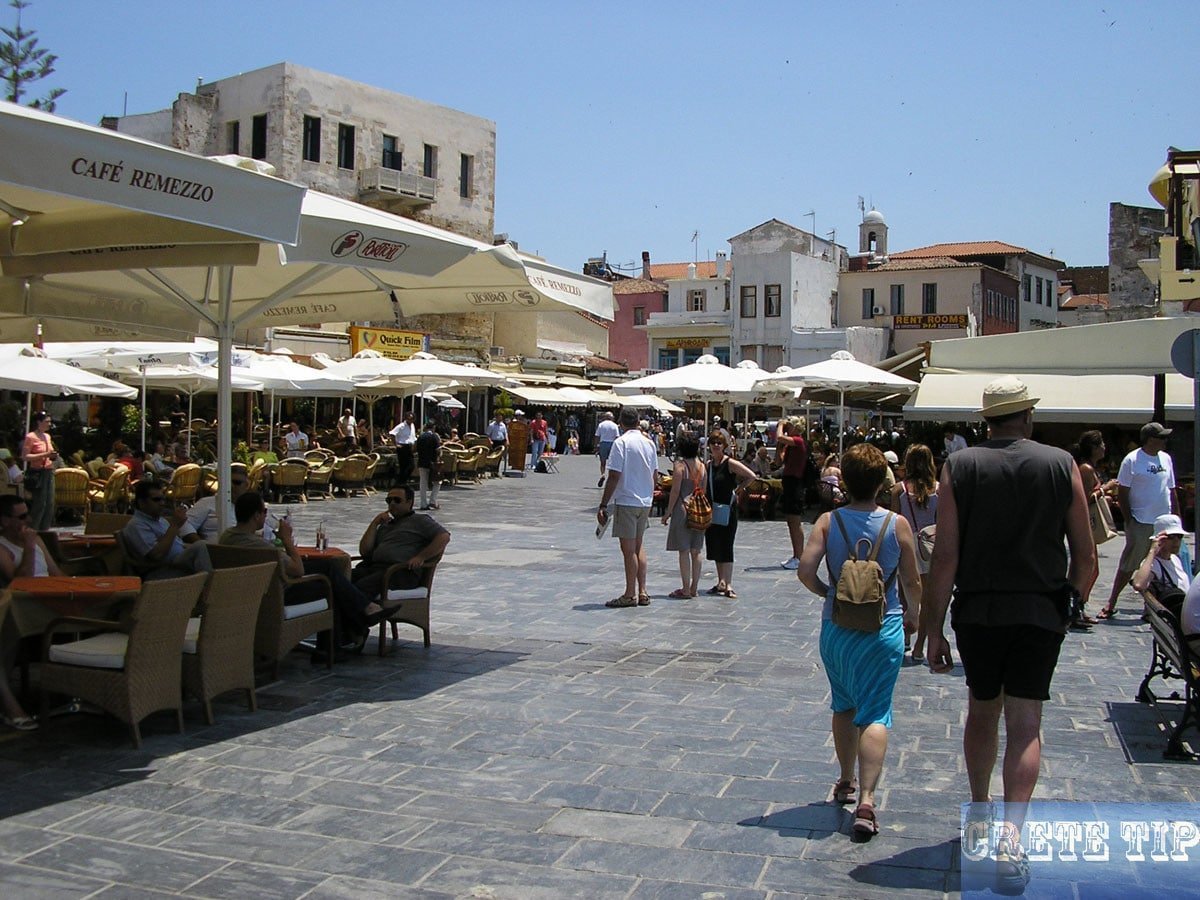
Chania old town is gorgeous but packed all summer. The harbour at sunset is especially crowded, and restaurant prices match the crowds.
If you want to go, early morning is the only time it still feels magical without the crush.
The road between Heraklion and Agios Nikolaos is jammed through August, especially on weekends when locals join the international visitors.

Famous Beaches That Fill Up Early
Elafonisi can see up to 2,000 visitors on a busy August day. The pink-tinged sand is stunning, but by mid-morning it’s more like a crowded lido than a wild beach.
Balos lagoon’s parking lot fills before 9am on peak days. Many people end up with a hot walk before they even get to the water.
Stavros, made famous by Zorba the Greek, is tiny and fills fast. Vai, with its palm forest, is also small and draws coachloads of visitors every morning.
These beaches are beautiful, but they’re also packed in high summer. Still, if you’re willing to explore, you can find smaller coves between the big names that stay pretty quiet.
Major Sights That Rarely Feel Quiet In Summer
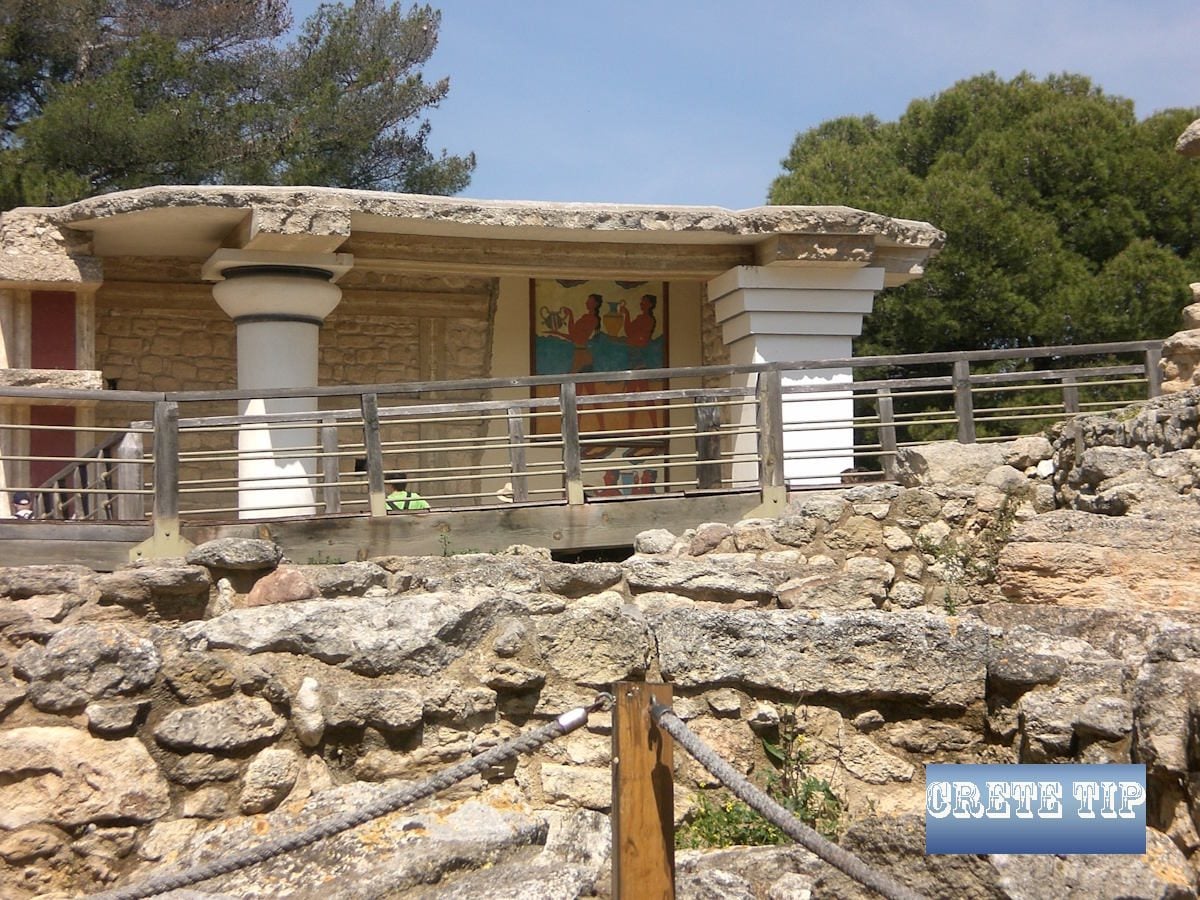
Knossos near Heraklion is a must for many, and it’s impressive any time of year. In July and August, though, it gets extremely crowded from 10am to 2pm, with tour groups shuffling through the narrow paths.
Arriving at opening or late afternoon changes the experience completely.
Samaria Gorge, the famous 16-kilometre hike in western Crete, can see over 1,200 hikers on its busiest days. The gorge is spectacular, but you need an early start; latecomers get stuck in crowds partway through and face longer waits for the exit boat in Agia Roumeli.
This hike ends in the coastal village of Agia Roumeli in the Sfakia district. Because cars can’t get there, the area stays peaceful once the day’s hikers leave.
Areas That Tend To Stay More Manageable
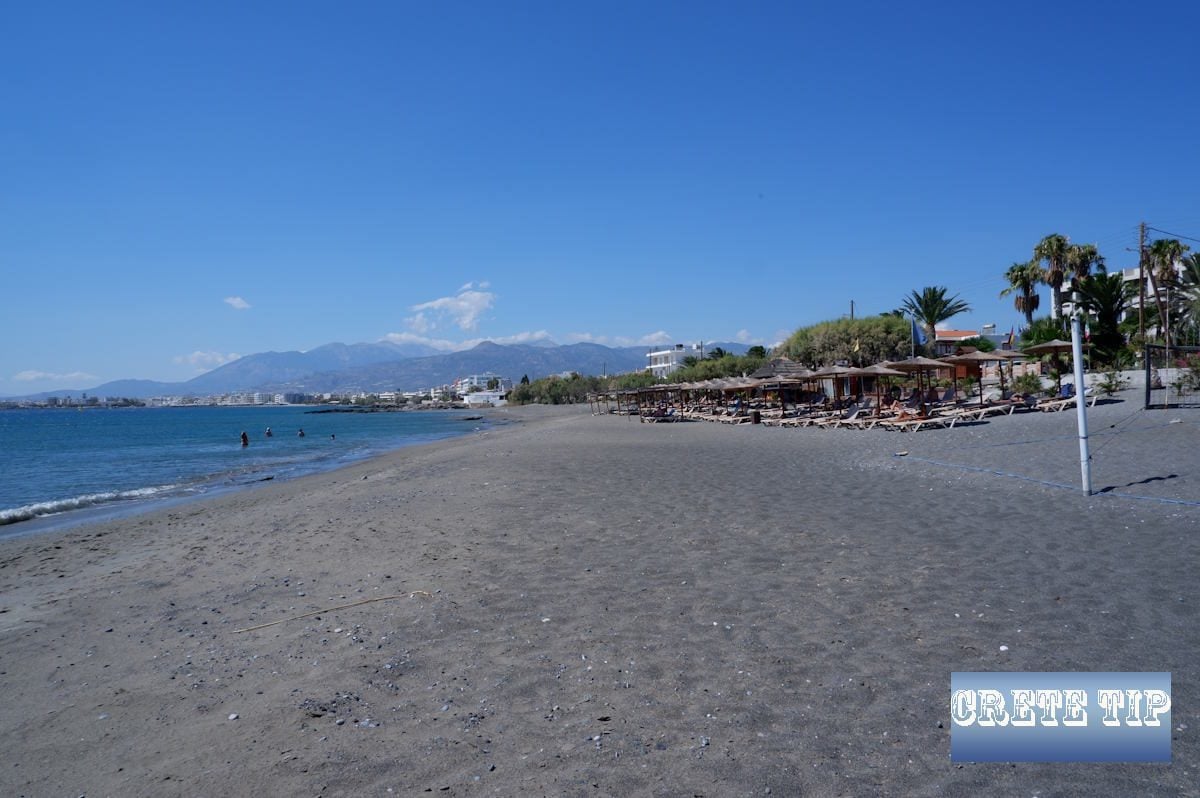
Crete’s size works in your favour. The further you get from the main tourist corridor, the more the atmosphere shifts.
Several areas hold up surprisingly well even in the thick of summer.
Mountain Villages And Inland Routes
The interior, especially the Lassithi Plateau and the foothills of the White Mountains, runs on a different clock. Villages like Tzermiados and Agios Georgios see visitors, but rarely crowds.
The drive up is part of the fun, with the plateau suddenly opening up after winding roads. Inland Rethymno, away from the beach strip, is slower paced.
Villages in the Amari Valley rarely feel crowded and give you a taste of real Cretan life. The landscape is gorgeous and the roads are quiet enough for easy, spontaneous stops.
Parts Of The South Coast With A Calmer Feel
The south coast is harder to reach, which actually helps. Roads are narrow, coaches rarely bother, and the villages feel more settled and authentic.
Sfakia keeps its traditional vibe and rugged scenery, offering a real break from the north’s commercial buzz.
Agia Galini is a small fishing village that still feels like a community, even in August. Palaiochora, on the southwest tip, keeps a local feel through summer and is a great spot to escape the resort crowds.
Plakias is similar, with a wide bay and easy access to hidden coves. Loutro, only reachable by ferry or on foot, is genuinely quiet—no roads in means fewer people, period.
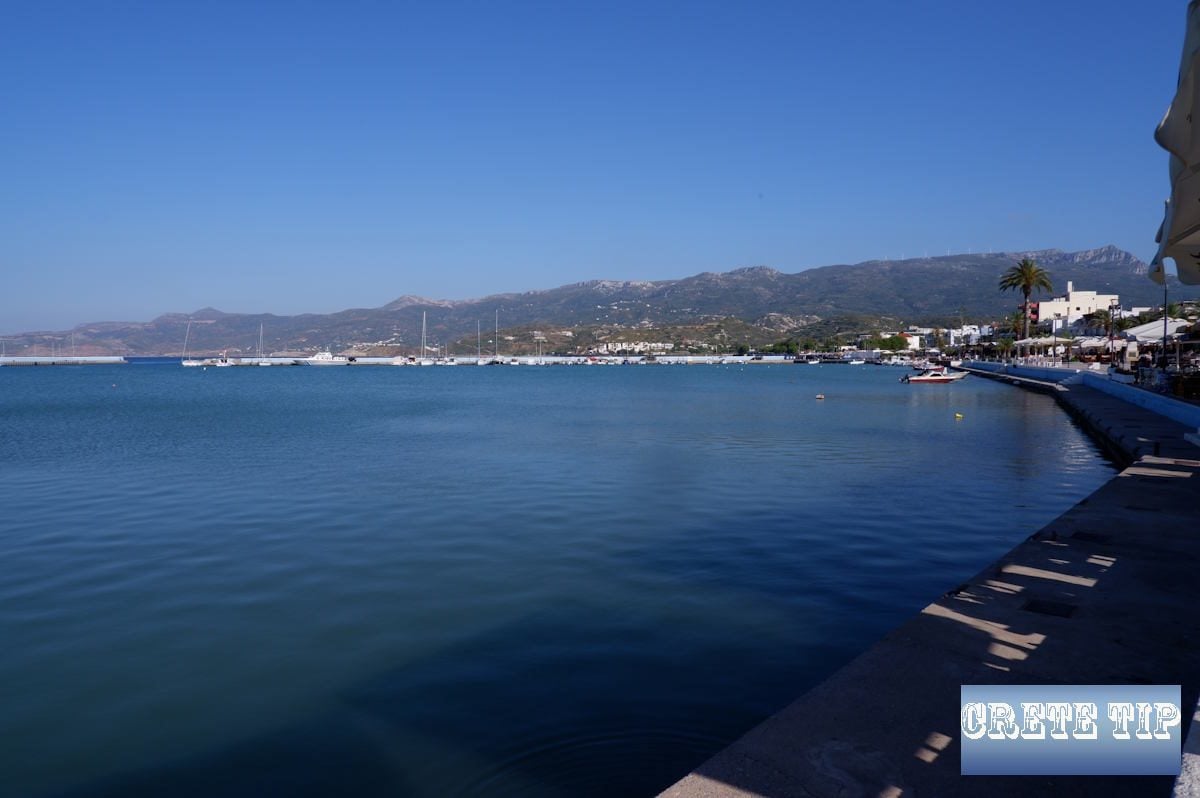
Eastern And Western Options Beyond The Main Resort Belt
Eastern Crete around Sitia, and the coastline south towards Xerokampos, sees just a fraction of the traffic that hits the north. Xerokampos is remote, has few facilities, but the beaches are untouched and numbers stay low because the drive puts off most casual visitors.
Makrigialos ((Makry Gialos)) in Lassithi, is popular with Greek families but mostly ignored by package tourists. Agios Nikolaos feels polished but is way less chaotic than Hersonissos.

In the west, Kissamos is a quieter alternative to Chania and still gives you access to stunning landscapes.
Timing Choices That Make The Biggest Difference
Where you go matters, but when you show up can change the whole day. The difference between hitting Elafonisi at 7:30am versus 11am is huge—one’s a peaceful swim, the other’s a scramble for towel space.
Most of the island’s pressure points follow pretty predictable daily and weekly rhythms.
Best Hours For Beaches, Walks, And Archaeological Sites
Before 9am is golden in high summer. It’s cooler, the light’s better, and tour buses haven’t arrived yet.
For any beach that fills up, getting there early is the single best move you can make.
Sites like Knossos and Phaistos open early, and that first hour is a whole different experience from the midday crush. Same goes for gorge walks—start Samaria by 7am and you’ll have space to breathe.
Between 1pm and 4pm, when the sun is at its hottest, most people retreat indoors or back to their hotels. If you can handle the heat, this is when old towns, harbours, and even some beaches become surprisingly accessible.
Why Midweek Can Be Easier Than Weekends
Saturday and Sunday bring a surge of Greek tourists to Crete’s popular beaches, especially in the west. Families from Heraklion and Chania flock to the coast, joining the international visitors who are already there all week.
If you can, try to plan your visits to the most popular spots from Monday to Thursday. It’s honestly the simplest way to dodge the crowds without scrapping your must-see list.
You won’t always notice a dramatic difference, but at places like Elafonisi, the weekend crowd feels noticeably heavier.
How To Plan Around Heat, Traffic, And Tour Buses
Tour buses usually hit major sites between 10am and noon. If you show up before or after that, you’ll have a better time.
At Knossos, arriving right when it opens or after 3pm works best. For Chania old town, early morning or post-dinner evenings are way calmer than the midday rush.
Traffic on the north coast highway peaks from 9am to 11am and again from 5pm to 7pm. If you’re driving between regions, mid-afternoon is often the quietest stretch—even if it’s hot.
Mountain roads to Lassithi Plateau or the south coast rarely jam up, but they’re twisty and demand your full attention. Not the kind of roads you want to rush.
Smarter Day Planning Instead Of Chasing Hotspots
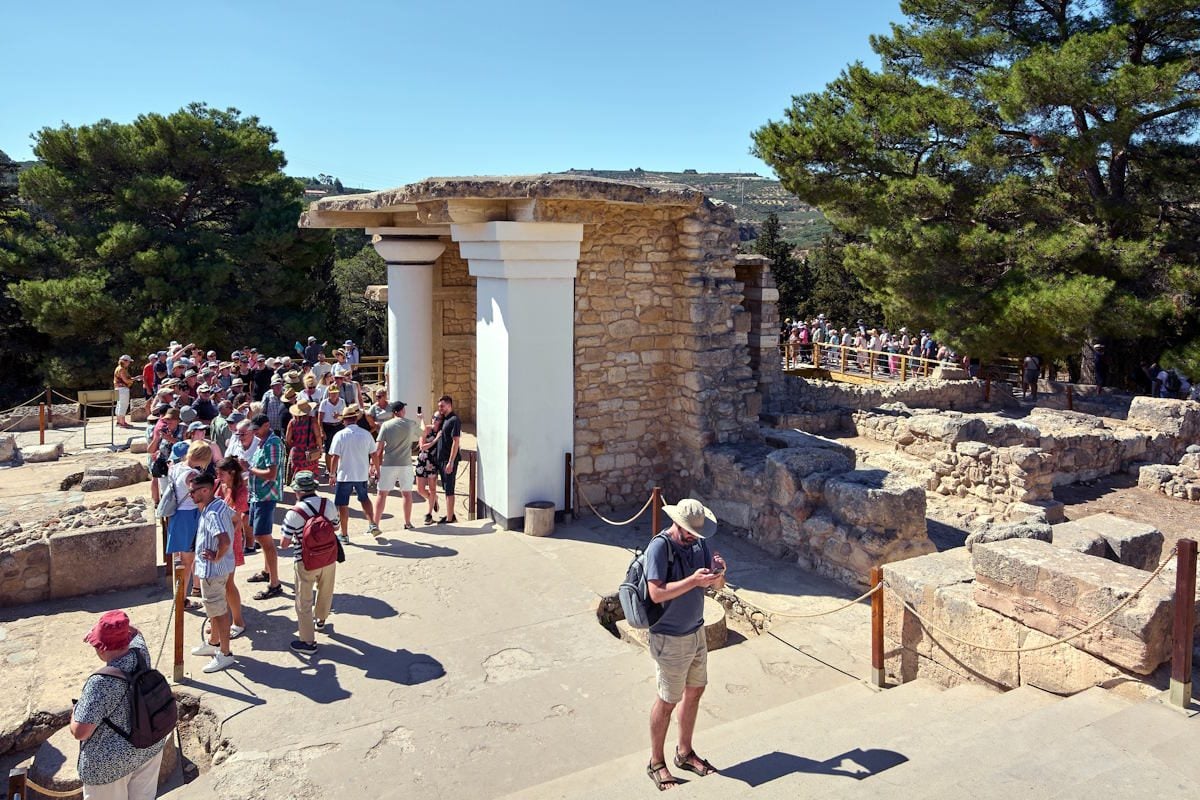
People often make the mistake of building their whole day around one big-name destination and sticking to it even when it’s clearly not working. If you keep your plans flexible and stay open to changing course, things usually turn out better—especially in peak season.
Pairing Popular Stops With Quieter Nearby Places
Crete’s busiest sites often have something surprisingly rewarding within half an hour that barely anyone visits. If you’re heading to the Lassithi Plateau for the Diktaion Andron (Zeus Cave), the drive through the smaller villages is just as good as the cave itself and far less crowded.
The Vidani monastery, for example, is an easy stop that adds a lot to your day without any waiting around. Pair a busy morning at a famous site with a relaxed afternoon in a quiet village taverna or a small cove. That’s usually the highlight of the day.
Choosing Short Scenic Drives Over Queue-Heavy Circuits
Some of the best days on Crete don’t involve any famous destination at all. Take a slow drive through the Amari Valley, stop whenever the view grabs you—most travelers never see these spots.
The back road between Kritsa and the archaeological site of Lato is short, scenic, and almost always quiet. On the south coast, the stretch from Palaiochora to Agia Galini feels genuinely remote. Stop in Plakias for local food—it’s worth the extra time compared to the highway.
When To Skip A Place And Change Plans
If you get somewhere and it’s too crowded to enjoy, just leave. You don’t have to stick it out just because it was on the plan.
Balos at 11am in August, with a packed car park and a blazing hot path, is completely different from Balos at 7:30am. Missed the early window? Try a different beach for the day—it’s not a failure, just a smart move. Crete’s coastline is long enough that a good alternative is rarely more than half an hour away.
Picking The Right Base For A Less Stressful Stay
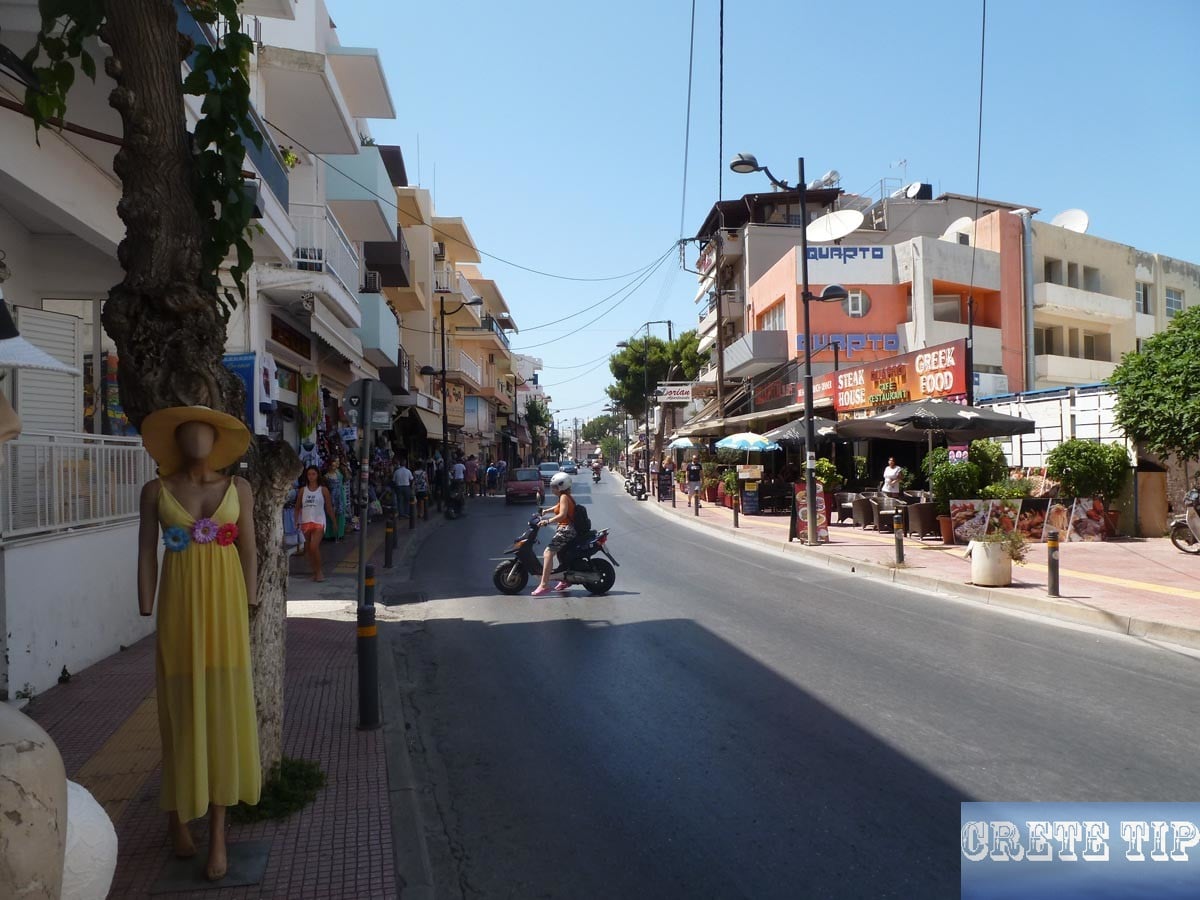
Where you sleep shapes everything else on Crete. Stay in the middle of a busy resort, and you’ll have all the facilities but also the crowds and noise you’re probably trying to avoid.
Pick a spot further from the action, and you’ll add some driving but subtract a lot of stress. It’s always a trade-off.
When A Resort Town Works And When It Does Not
Resort towns like Hersonissos or Malia make sense if you want nightlife, convenience, and instant beach access. If you prefer quiet mornings, peaceful evenings, and a taste of the real island, those towns will probably work against you.
Chania town is a good base for the west, but central areas are loud and expensive in August. Rethymno strikes a better balance: enough old-town charm, easier access to the interior, and crowds that aren’t quite as intense as Chania’s harbor front.

Advantages Of Staying In Smaller Inland Communities
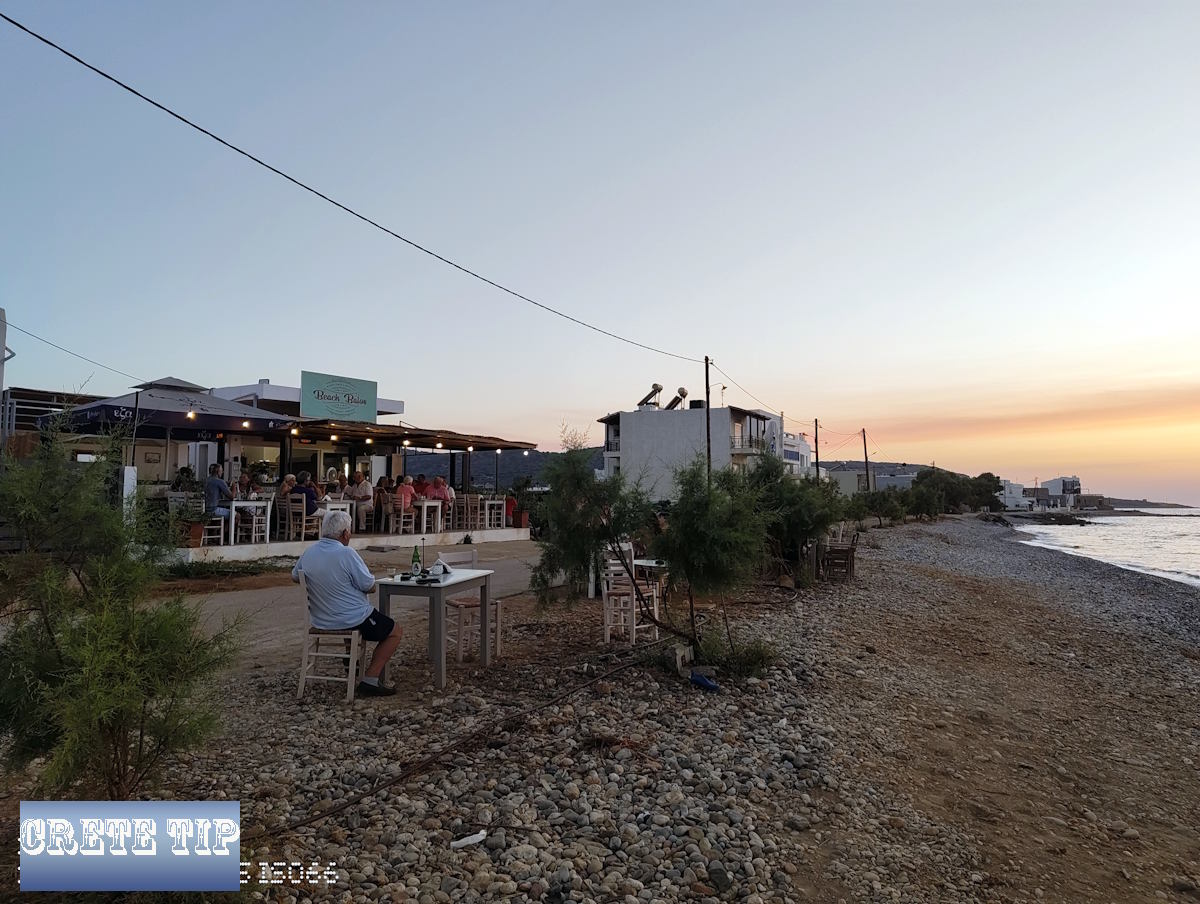
Staying in a mountain village or small inland town adds 20 to 40 minutes to your drives to the coast, but the trade-offs are real. It’s quieter, usually cheaper, and you’ll eat where locals do.
The morning dash to the beach is less hectic when you’re not already surrounded by resort crowds. Villages on the Lassithi Plateau or in the hills near Rethymno and Heraklion give you a totally different vibe. The roads from these villages to the coast are usually easy with a rental car.
How Road Access Shapes Your Daily Experience
Crete’s bigger than most people think, and driving times add up. Crossing from east to west takes four or five hours without stops, so picking a base near your main destinations is worth some thought before you book.
The north coast highway is fast but busy. South coast roads take longer and are trickier, but they get you to the quieter places. If you’re planning lots of trips to the south or east, staying somewhere with quick access to those roads saves you a lot of time and hassle.
Some inland and southern areas have spotty mobile signal. Download offline maps before you set out—it’s honestly a lifesaver.
Frequently Asked Questions
When is Crete’s peak tourist season, and which months tend to be quieter?
Peak season runs from late June through late August. April and May bring wildflowers and cooler weather for hiking.
Spring is often called the best time to visit, but June, September, and October are also quieter. The sea stays warm, and crowds thin out a lot.
Is Crete still busy in September, and how can I find less crowded spots?
September is much calmer than July or August, with visitor numbers down 20 to 30 percent in many places. The sea stays warm—over 24°C—and popular beaches are actually enjoyable again.
If you want peace, focus on the south coast or the eastern side of the island. Even in early September, these areas are your best bet.
Is Crete crowded in October, and what areas remain lively versus peaceful?
October is honestly a lovely time to visit Crete. The first half of the month still has warm weather and swimmable seas, but beach and site crowds drop to a fraction of summer levels.
Big towns like Chania and Heraklion stay lively with local life, but tourist congestion fades away.
Which parts of Crete are the least touristy for a more relaxed stay?
The far east—around Sitia, Xerokampos, and Makrigialos—gets the fewest foreign tourists. The south coast, with places like Loutro, Palaiochora, Plakias, and Agia Galini, is also much quieter than the north.
These spots are perfect in shoulder season or even during peak summer. Inland villages on the Lassithi Plateau and in the Amari Valley stay peaceful, even in August. If you want somewhere reliably quiet, these are great choices. Winter brings total isolation, but even in summer, these villages feel calm and welcoming.
What time of day is best for visiting popular beaches and attractions without the crowds?
Get to busy beaches before 9am—it really makes a difference. Elafonisi and Balos are manageable early in the morning but tough by 11am.
For archaeological sites, aim for opening time or late afternoon after 3pm to dodge the tour groups. The midday heat from 1pm to 4pm also clears out a lot of people naturally.
How can I plan day trips and transport around Crete to dodge the busiest times?
If you rent a car, you can head out early and skip the main coach-tour crowds. Try traveling between regions in the mid-afternoon—honestly, the north coast highway is usually much clearer then.
Midweek trips tend to be smoother than weekends at the popular beaches. I like to mix famous stops with quieter spots nearby, just to keep the day feeling balanced without driving too far.