
Newsflash from Thursday, 16 July 2026:
“`html
A Summer Like the Old Days: Crete Enjoys Heat Without the Extremes
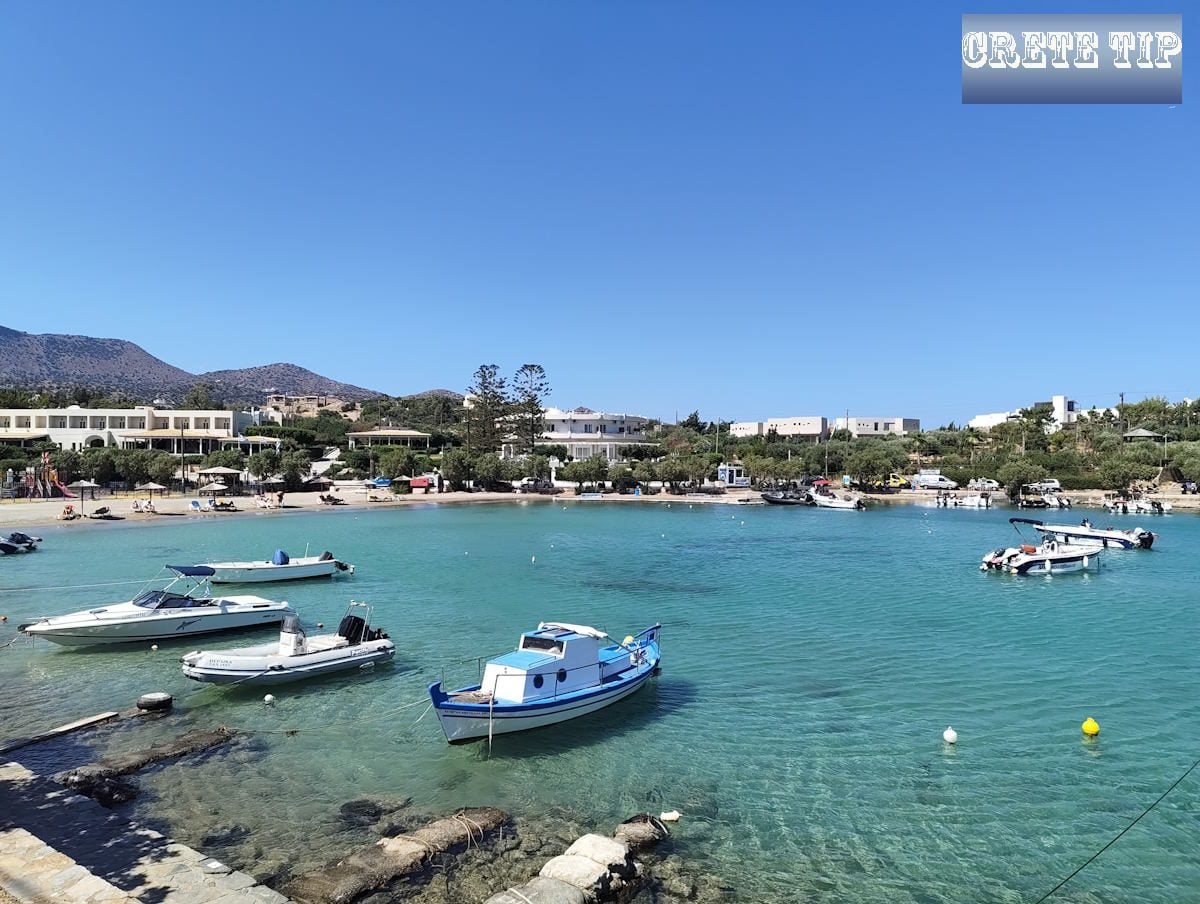
In a season often marked by record-breaking temperatures and relentless heatwaves, this year is shaping up differently—at least for Crete. According to meteorologist Michalis Karakatsanis, the island is experiencing “a summer like in the old days”: warm, sunny, but without prolonged or dangerous heat extremes.
Warm, But Not Overwhelming
So far, temperatures across Crete have remained within normal seasonal levels, offering a more balanced summer experience for both residents and visitors.
In urban areas, daytime temperatures are hovering around 31–32°C, while coastal regions benefit from slightly cooler conditions, typically 2–3 degrees lower. Inland and southern parts of the island tend to be warmer, but still within manageable limits.
Unlike recent years, there have been no extended heatwaves placing prolonged stress on people, infrastructure, and the environment.
The Cooling Role of the Meltemi Winds
A key factor behind this milder summer is the steady presence of the meltemi winds—northern winds that are typical of the Aegean during summer months.
These winds have helped:
- Keep daytime temperatures in check
- Provide refreshing conditions, especially in coastal areas
- Cool down the evenings, allowing for more comfortable nights
This natural cooling system has made a noticeable difference, particularly during nighttime hours when the body needs to recover from daytime heat.
A Slight Midweek Rise
Forecasters note that a temporary increase in temperature is expected toward Thursday and Friday, with values rising by around 2–3°C. This change is linked to a brief weakening of the northern winds.
However, experts emphasize that this does not constitute a heatwave. The heat may be more noticeable, but it will remain within tolerable levels.
By the weekend, the meltemi winds are expected to strengthen again, bringing a slight drop in temperatures and restoring the familiar, balanced summer conditions.
Greece vs. the Rest of Europe
While Crete enjoys relatively mild weather, much of Europe is facing a very different reality.
Countries such as France, Belgium, western Germany, and Spain are currently experiencing their fourth consecutive intense heatwave since late May. These extreme conditions have already led to fatalities and continue to pose serious health risks.
The combination of high temperatures and elevated humidity levels is creating particularly dangerous conditions—affecting not only vulnerable populations but the general public as well.
Why Crete Is Different
One reason Crete has avoided the worst of the heat lies in both geography and adaptation. The island’s climate, combined with the cooling meltemi winds, helps regulate temperatures more effectively than in many continental regions.
Additionally, Mediterranean lifestyles and infrastructure are generally better adapted to summer heat compared to northern European countries, where prolonged high temperatures remain relatively unfamiliar.
Looking Ahead to August
The outlook remains optimistic. Meteorologists expect the meltemi winds to continue influencing the region at least until mid-August, maintaining the pattern of warm but manageable weather.
Even during the period between July 17–20, when temperatures may rise across Greece, the most intense heat is expected to affect mainland areas such as Thessaly and the Peloponnese, rather than Crete.
A Return to Balance
For many, this summer feels like a return to a more familiar rhythm—sunny days, warm seas, and cool evenings that offer relief after sunset.
As Karakatsanis puts it, this is “a summer from the past”: one where the heat is present, but not overwhelming—where nights bring comfort, and the season can be enjoyed without constant concern over extreme temperatures.
Bottom Line
While much of Europe struggles under intense and repeated heatwaves, Crete stands out as a rare exception in 2026. With temperatures staying within normal ranges and the meltemi winds providing natural cooling, the island is experiencing a summer that feels both familiar and refreshing—a reminder that not every hot season has to be extreme.
One Simple Act Can Save a Life: How to Help Animals Survive the Summer Heat
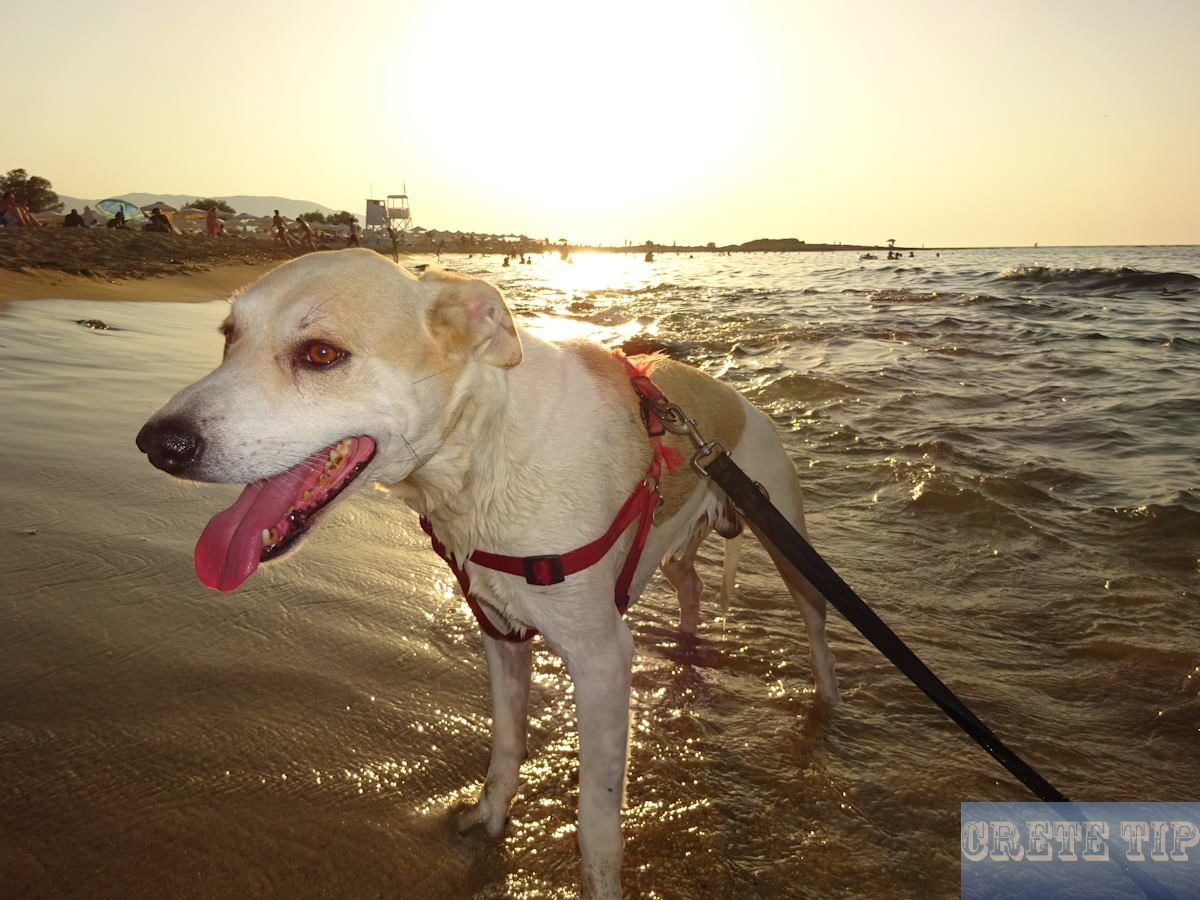
As temperatures soar during the summer months, it’s not only people who struggle with the heat. Stray animals—dogs, cats, birds, and even small wildlife—face extreme conditions every day, often without access to water, shade, or care.
The good news? A small, simple action from each of us can make the difference between life and death.
The Silent Struggle of Stray Animals
While we can seek shelter, hydration, and cooling, thousands of animals living on the streets are left exposed to relentless sun and rising temperatures. Every year, many die from dehydration and heat exhaustion—deaths that are often preventable.
It’s important to remember that “strays” aren’t just cats and dogs. The term includes:
- Birds such as pigeons and sparrows
- Small mammals and urban wildlife
- Even insects that rely on water sources
All of them need access to clean, fresh water—especially during heatwaves.
The Life-Saving Gesture Anyone Can Make
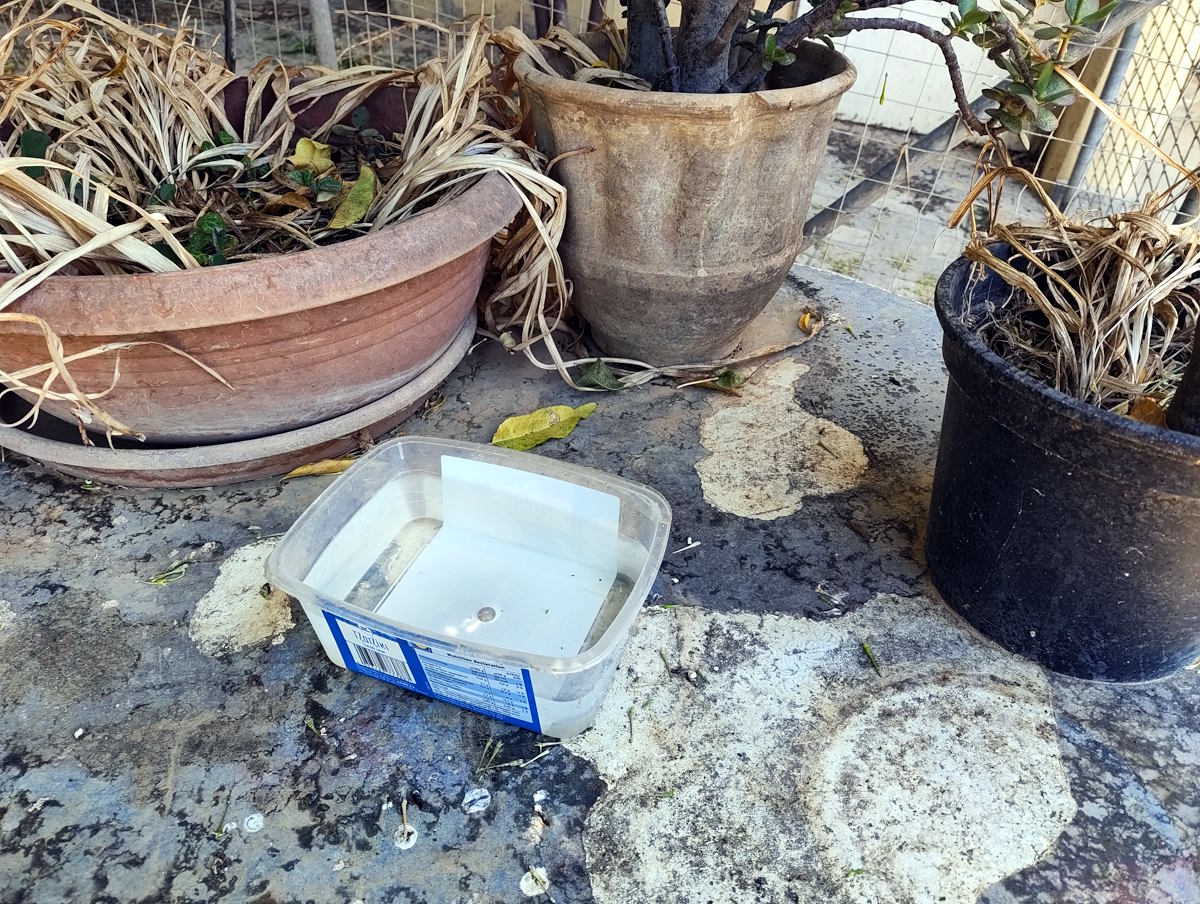
One of the easiest and most effective ways to help is also the simplest: placing a bowl of water outside your home, workplace, or neighborhood.
This small act requires almost no time or money, yet it can save an exhausted animal searching desperately for relief.
In fact, Greek law allows citizens to provide food and water to stray animals in public spaces, as long as hygiene is maintained.
How to Do It Right
To make your effort truly effective, follow a few simple guidelines:
- Choose shaded spots: Place bowls where they are protected from direct sunlight to keep the water cool
- Use proper containers: Clay or metal bowls help maintain lower temperatures
- Add ice: A few ice cubes can keep water cooler for longer periods
- Refresh frequently: Replace water regularly to keep it clean and safe
- Keep it clean: Remove dust, leaves, and debris from bowls daily
Don’t Forget the Birds
Birds are particularly vulnerable during extreme heat. You can help by placing shallow containers of water on:
- Balconies
- Terraces or rooftops
- Gardens or courtyards
- Even securely attached to trees
These small “water stations” can become lifelines for birds struggling to survive in urban environments.
Go a Step Further
If you’re able, there are additional ways to support animals during the heat:
- Provide food: Leave small amounts of dry food in shaded areas
- Create shelter: Build simple shaded spaces using cardboard or wood
- Offer temporary refuge: Allow animals into a cool yard, garage, or indoor space
- Work with neighbors: Coordinate efforts to cover more areas and help more animals
Sometimes, these small acts lead to something even bigger—like adopting an animal and giving it a permanent home.
Stay Alert for Signs of Heatstroke
Animals suffering from heat exhaustion may show clear warning signs, including:
- Heavy panting or difficulty breathing
- Weakness or inability to stand
- Vomiting or disorientation
If you encounter an animal in distress, contact a veterinarian immediately, transport it to a clinic if possible, and notify local animal welfare organizations for guidance.
A Shared Responsibility
Municipalities and volunteer groups play a crucial role by installing water stations and caring for stray populations. However, their efforts alone are not enough—community participation is essential.
Each bowl of water placed in a shaded corner is more than just a kind gesture—it is an act of responsibility and compassion.
Bottom Line
In the peak of summer, survival for many animals depends on the awareness and kindness of the people around them. With minimal effort and zero cost, anyone can help protect vulnerable lives.
Put out a bowl of water today—you might save a life.
Sources: