The Minoan Palace Reigns Supreme as Cultural Tourism’s Golden Goose
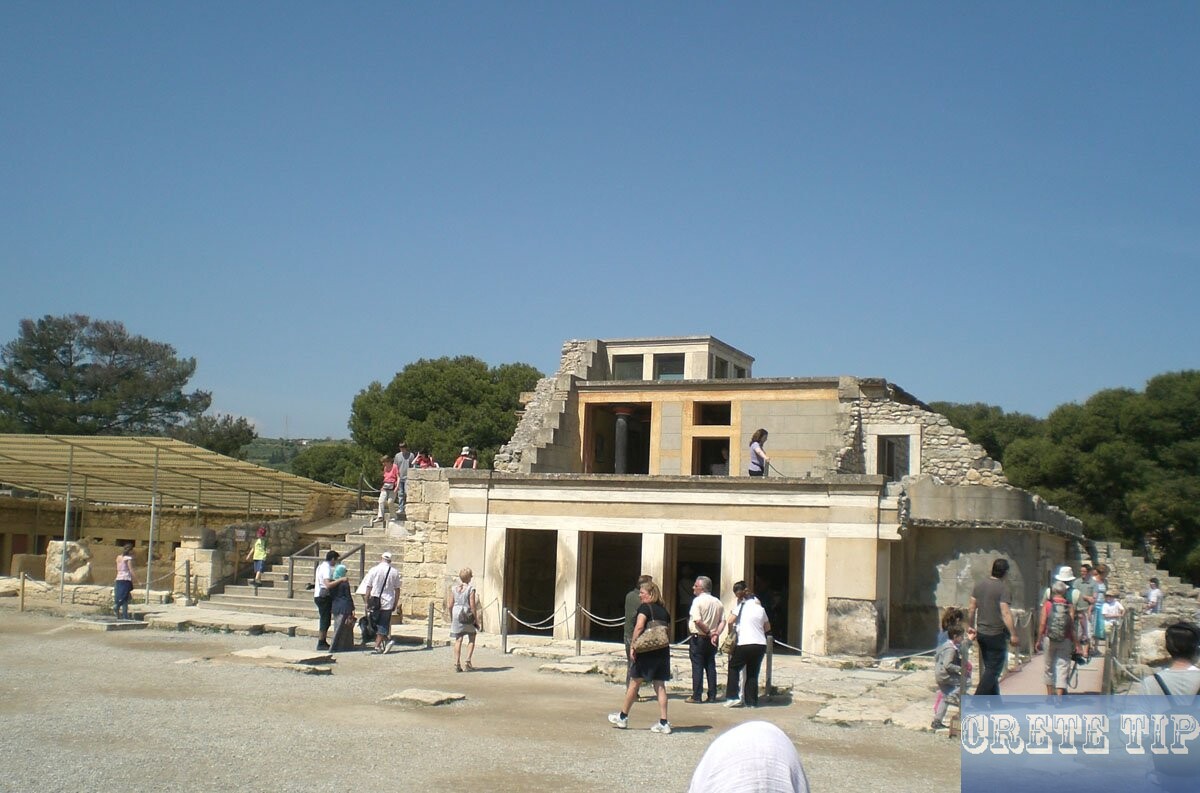
Knossos has once again proven why it stands as one of the world’s most economically valuable archaeological sites. With revenues surpassing €11.7 million during the first nine months of 2025, the legendary Minoan palace continues to be the undisputed financial powerhouse of Crete’s cultural heritage sector.
A Revenue Giant That Dwarfs All Competition
The numbers tell a compelling story. According to recent data from Heraklion’s archaeological sites, Knossos captures the lion’s share of all archaeological earnings across the prefecture. This dominance isn’t merely impressive—it’s overwhelming.
While other significant sites in the region show respectable numbers, none come close to matching Knossos’s pulling power:
– Phaistos brings in approximately €600,000 for the same nine-month period
– Koule Fortress generates just over €450,000
These figures, while substantial, only highlight just how dramatically Knossos outpaces its competitors.
Global Recognition Translates to Economic Success
The extraordinary revenues generated at Knossos reflect something deeper than mere visitor statistics. The worldwide recognition of Minoan civilization directly translates into tangible economic returns. Tourists from across the globe specifically plan their Crete itineraries around visiting this UNESCO-listed site, making it an essential stop for cultural tourism enthusiasts everywhere.
The Double-Edged Sword of Concentration
However, beneath the surface of these impressive figures lies a cautionary tale. When a single location produces such a disproportionate percentage of total archaeological revenue, it signals more than just success—it reveals a fundamental imbalance in how Crete’s cultural heritage is valued and monetized.
This heavy concentration raises important questions:
– What about diversification? With tourism so dependent on Knossos, how vulnerable is Crete’s cultural economy to disruptions?
– Are other worthy sites being neglected? Smaller archaeological locations may lack the global recognition necessary to attract international visitors
– Is sustainable tourism possible? Concentrating visitor flows creates infrastructure and conservation challenges at Knossos while other sites struggle with underutilization
Beyond the Palace Walls
The data does reveal some encouraging signs. Sites like Phaistos and Koule Fortress demonstrate that visitors aren’t exclusively seeking classical archaeological excavations. Many travelers actively seek monuments with closer connections to urban landscapes and authentic city experiences—suggesting opportunities for broader tourism development.
Looking Forward
As Crete continues to establish itself as a premier cultural tourism destination, stakeholders must consider how to better distribute tourism benefits across the region. While Knossos’s reign seems unlikely to be challenged anytime soon, strategic investment in complementary sites could create a more robust and resilient tourism ecosystem.
The challenge for local authorities and cultural institutions is clear: maintain Knossos’s world-class status while developing a more balanced archaeological tourism portfolio that showcases Crete’s diverse and magnificent heritage.
The 2025 revenues from Heraklion’s archaeological sites paint a portrait of cultural tourism in Crete—one dominated by a single giant, yet full of untapped potential waiting in the wings.
NORMAN 'KRETANER': After more than 20 years on the ‘Island’ and having gained a lot of experience here, CreteTip does not only present you the beautiful holiday (dream) world as most travel or tourist websites do, but the reality, which is often not as colorful as on the glossy photos of the travel portals. Hence, the effort of a long-time inhabitant of the island to provide objective and unbiased reports about sights, excursions and holiday destinations, news, tips and also problems directly from the largest Greek island !
var MailPoetForm = {"ajax_url":"https://www.cretetip.com/wp-admin/admin-ajax.php","is_rtl":"","ajax_common_error_message":"An error has happened while performing a request, please try again later.","captcha_input_label":"Type in the characters you see in the picture above:","captcha_reload_title":"Reload CAPTCHA","captcha_audio_title":"Play CAPTCHA","assets_url":"https://www.cretetip.com/wp-content/plugins/mailpoet/assets"};
var MailPoetForm = {"ajax_url":"https://www.cretetip.com/wp-admin/admin-ajax.php","is_rtl":"","ajax_common_error_message":"An error has happened while performing a request, please try again later.","captcha_input_label":"Type in the characters you see in the picture above:","captcha_reload_title":"Reload CAPTCHA","captcha_audio_title":"Play CAPTCHA","assets_url":"https://www.cretetip.com/wp-content/plugins/mailpoet/assets"};
//# sourceURL=mailpoet_public-js-extra