

Newsflash from Friday, 28 November 2025:
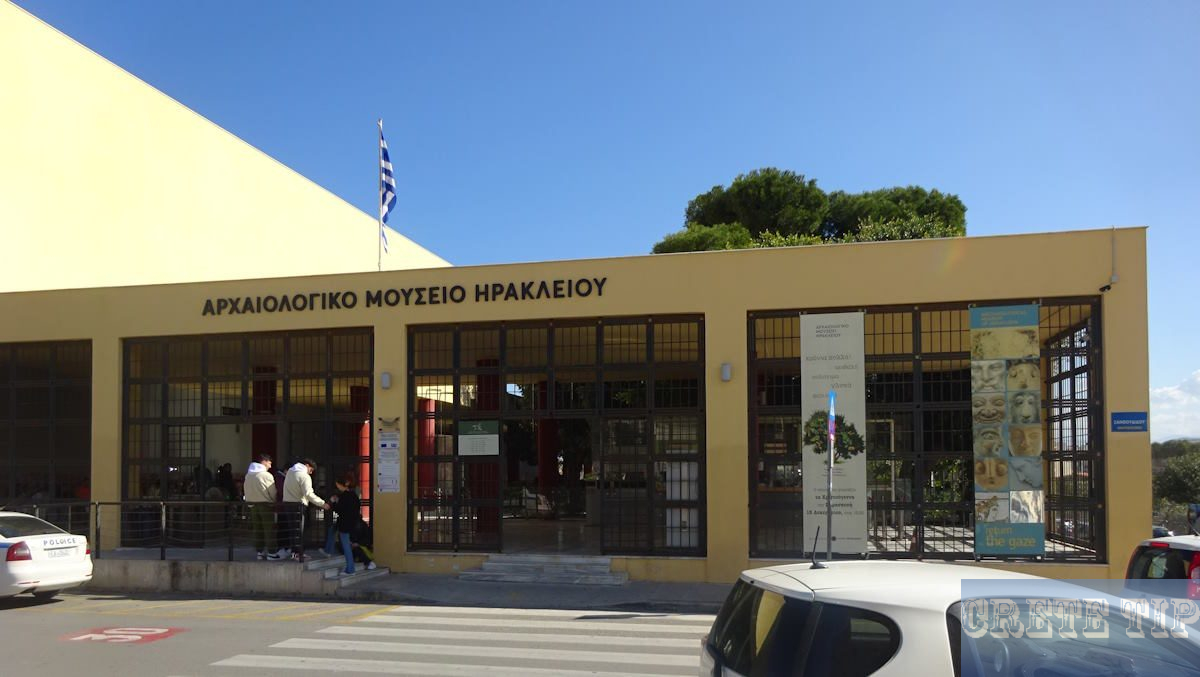
In July 2025, Greece’s cultural tourism sector revealed a fascinating paradox: although the number of visitors to museums and archaeological sites declined, revenue surged dramatically. This unexpected trend highlights the impact of a new pricing strategy implemented in April 2025, reshaping how Greece monetizes its rich heritage.
According to recent data from ELSTAT, museum attendance dropped by 3.8% compared to July 2024, while archaeological sites saw an even steeper decline of 10.9%. Interestingly, free admissions increased — museums by 9.4% and archaeological sites by 17.1%. Despite fewer visitors, museum revenues jumped by an impressive 29.1%, and archaeological sites saw a 29% rise in income, surpassing €21.8 million for the month.
This dual trend continued throughout the first seven months of 2025. Museums experienced a slight dip in visits (-0.9%) but enjoyed a 34.4% increase in revenue. Archaeological sites also saw fewer visitors (-4.4%) alongside a 38.8% revenue boost. The key driver? The new pricing policy that came into effect on April 1, 2025, which appears to prioritize revenue growth over visitor numbers.
Notably, the introduction of a unified electronic ticket for major sites like Ancient Olympia and Delphi complicates precise visitor tracking per location, but the overall financial impact remains clear.
This shift underscores a strategic move in Greece’s cultural tourism: focusing on maximizing revenue while managing visitor flow, potentially preserving the sites better and enhancing visitor experience.
For cultural tourists and heritage enthusiasts, this means that while there might be fewer crowds, the value and investment in preserving these treasures are stronger than ever.



