Newsflash from Thursday, 5 March 2026:
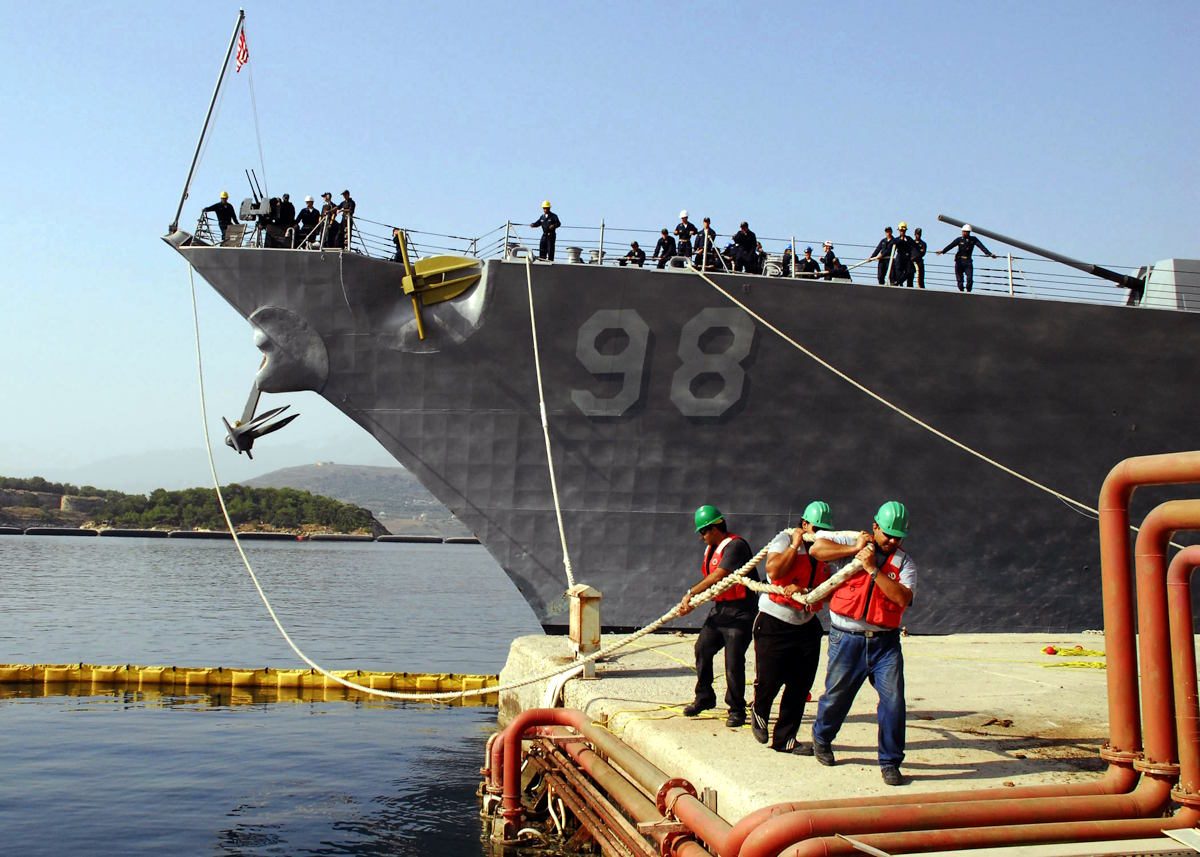
As geopolitical tensions in the Middle East reach a boiling point, the eyes of the world—and the concerns of local residents—are fixed on the strategic naval base at Souda Bay in Chania. With the base serving as a critical hub for U.S. and NATO operations, the atmosphere in Crete has shifted from watchful waiting to palpable anxiety.
A Strategic Hub in the Eye of the Storm
Souda Bay is not just a scenic harbor; it is one of the most significant military installations in the Eastern Mediterranean. Its ability to host aircraft carriers and provide logistical support makes it indispensable for Western military movements. However, this importance comes with a heavy price: increased vulnerability.
As the conflict in the Middle East escalates, the base has moved into a state of “high alert.” For the people of Chania, the sight of increased military activity is a stark reminder of how close the region is to the front lines.
“There is Definitely Fear”: Local Sentiment
In recent interviews and reports from the ground, the sentiment among locals is clear: fear is growing. While Chania has lived alongside the base for decades, the current volatility in the Middle East feels different.
“There is definitely fear,” residents note, as they watch the influx of military personnel and the constant movement of naval vessels. The primary concerns include:
* Target Risks: The fear that the base’s strategic importance makes Chania a potential target for retaliation.
* Economic Impact: Concerns over how regional instability might affect tourism and the local economy.
* Safety of Personnel: Anxiety for both the international troops stationed there and the local Greeks working within the base infrastructure.
Heightened Security Measures
In response to the regional “alarm,” security protocols at the Souda base and the surrounding areas have been significantly tightened. Patrols have increased, and surveillance of the maritime borders around Crete has been bolstered.
The Greek government remains in constant communication with its allies, emphasizing the defensive nature of the base. However, for those living in the shadow of the Akrotiri peninsula, the reassurances do little to quiet the sound of military jets overhead.
Looking Ahead
As the international community calls for de-escalation, the residents of Chania remain on edge. The situation at Souda Bay serves as a barometer for the wider conflict; as long as the Middle East remains a powder keg, the “fear” at the base is unlikely to subside.
For now, the people of Crete can only watch the horizon, hoping that the strategic importance of their home does not draw them further into a global crisis.
What are your thoughts on the situation in Souda? Let us know in the comments below.
Strategic Shield: Patriot Missile Battery Deployed to Karpathos Amid Rising Regional Threats
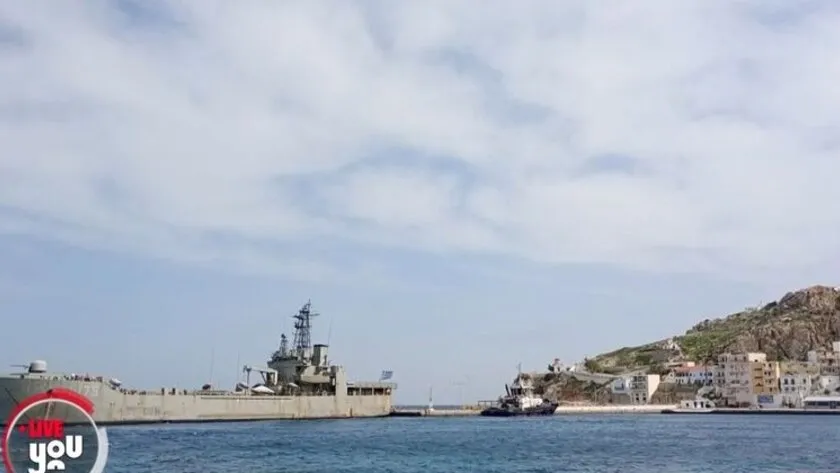
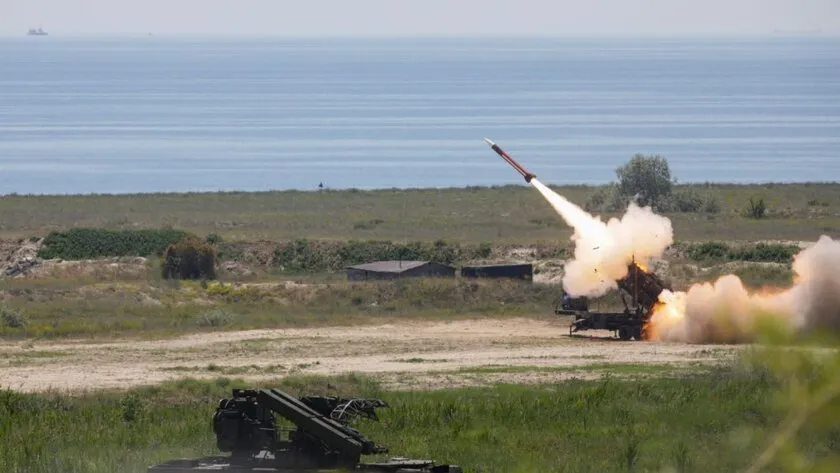
In a significant move to bolster the defense of the Southeastern Aegean, a Patriot missile battery has officially arrived and is being deployed on the island of Karpathos. This strategic deployment comes as a direct response to escalating tensions in the Middle East and specific threats directed at Western interests in the region.
A Response to Regional Tensions
The decision to transport and station the American-made anti-aircraft system on Karpathos was deemed necessary following recent threats from Iran’s Revolutionary Guards and Hezbollah. These groups have issued warnings regarding potential strikes against U.S. targets in the Eastern Mediterranean.
Greece, alongside the Netherlands, remains one of the few European nations to which the United States has released these advanced Patriot systems, highlighting the deep strategic partnership between Athens and Washington.
Strengthening the “Aegean Umbrella”
The deployment to Karpathos is not an isolated event. It is part of a broader defensive strategy to create an “impenetrable umbrella” over critical Greek and Allied infrastructure.
* Protecting Souda Bay: Since the summer of 2025, following a 12-day conflict involving strikes on Iranian nuclear facilities, a Patriot battery has already been stationed in Crete. This was done at the request of Washington to protect the Souda Bay Naval Base, a vital hub for the U.S. 6th Fleet and its aircraft carriers.
* Regional Coverage: By placing missiles on Karpathos in addition to the existing battery in Crete, Greece is effectively shielding Rhodes and other islands in the Southeastern Aegean from potential long-range strikes launched from Lebanon or further afield.
The Power of the Patriot System
The Patriot system is a cornerstone of modern air defense. The radar units accompanying these batteries have a detection range exceeding 150 kilometers, while the missiles themselves have an effective operational range of over 50 kilometers.

This allows the Hellenic Air Force to monitor and intercept threats long before they reach Greek soil or sensitive military installations.
Greece’s Strategic Role
The Hellenic Air Force currently operates a total of six Patriot batteries. Their distribution reflects Greece’s complex security needs:
1. Saudi Arabia: One battery is currently leased to Saudi Arabia, operated by Greek personnel.
2. Major Cities: Several batteries provide air cover for Athens and Thessaloniki.
3. Critical Infrastructure: The remaining units are positioned to protect high-value targets and maritime borders.
As the geopolitical landscape in the Middle East remains volatile, the arrival of the Patriot missiles in Karpathos signals Greece’s commitment to maintaining stability and security in the Eastern Mediterranean.
Caught in the Spiral: Is Greece Being Slowly Drawn into the Middle East Conflict?
As the conflict in the Middle East enters its critical stages, a heavy question is beginning to weigh on Greek society: Are we slowly getting involved in a war that isn’t ours, or does it just feel that way?
While Greece has no direct active participation in the hostilities, the geopolitical “spiral” is pulling the country closer to the danger zone. From military deployments to the shadow of espionage, the signs of involvement are becoming harder to ignore.
The “Souda Factor”: A Strategic Target?
At the heart of the anxiety is the Souda Bay Naval Base in Chania. Housing the largest American military machine in the Mediterranean, it is a vital asset for the West—but it also places Crete in the crosshairs.
The nightmare thought crossing many minds is whether the base has become a primary target. With Iranian missile ranges expanding, the question of whether “the reach” extends to Greek soil is no longer just a theoretical exercise for military analysts; it’s a source of genuine local concern.
Military Movements and the Return of the Defense Doctrine
Greece’s recent military maneuvers suggest a country preparing for regional instability:
* Naval Presence: The immediate dispatch of the frigates Kimon and Psara to Cyprus.
* Air Defense: The deployment of PATRIOT missile batteries to Karpathos.
* Unified Defense: The updating of the Unified Defense Doctrine between Greece and Cyprus, signaling a commitment to protect Hellenic interests across the Eastern Mediterranean.
Perhaps most jarring for Greeks is the perceived lack of European solidarity. Despite strikes hitting Cyprus—technically European soil—the silence from Brussels has been deafening, reinforcing the feeling that, once again, Greece and Cyprus are standing alone.
The “Tourist Backpack” and Internal Security
Beyond the missiles and frigates, there is a more subtle fear: espionage. The recent “scent of spy-craft” reminds us that in a globalized world, the enemy doesn’t always arrive in a tank; sometimes, they wear a tourist backpack. This invisible threat adds a layer of dystopian tension to everyday life in high-traffic areas like Crete.
A Dystopian Shift in Daily Life
The timing couldn’t be worse. Just as the tourism season was receiving its final “brushstrokes,” the strike on Iran sent shockwaves through the economy.
The Greek “microcosm” has shifted. Television panels that once discussed social issues or celebrity news have become “monothematic,” dominated by war correspondents and military analysts. There is a growing nostalgia for simpler times, before the “fog” of war made our daily routines feel so fragile.
The Big Picture
As Dimitris Karyotakis poignantly noted in a recent op-ed for Cretalive, we are watching our neighborhood go up in flames while wondering how much more we will have to endure. Whether it’s the looming shadow of a second Trump term or the immediate threat of regional escalation, the sense of security we once took for granted is slipping away.
Greece may not be pulling the triggers, but through geography, alliances, and strategic necessity, we are undeniably part of the story.
Do you think Greece is doing enough to stay out of the conflict, or is our involvement inevitable? Share your thoughts in the comments.