

Newsflash from Tuesday, 3 March 2026:
The geopolitical landscape of the Middle East and Eastern Mediterranean has undergone a dramatic transformation in recent years. What was once conceptualized as a simple protective umbrella over the Persian Gulf states and Israel has evolved into something far more complex: a sophisticated, multi-layered air defense architecture spanning thousands of kilometers.
The Evolution of Air Defense Strategy
The shift from traditional single-layer defense systems to this network-centric approach represents a fundamental change in how allied forces protect critical infrastructure across the region. Rather than viewing air defense as a unified shield, military strategists now understand it as a series of interconnected zones—eight distinct defensive layers, to be precise—that extend from Iranian launch sites all the way to strategic positions in the Eastern Mediterranean.
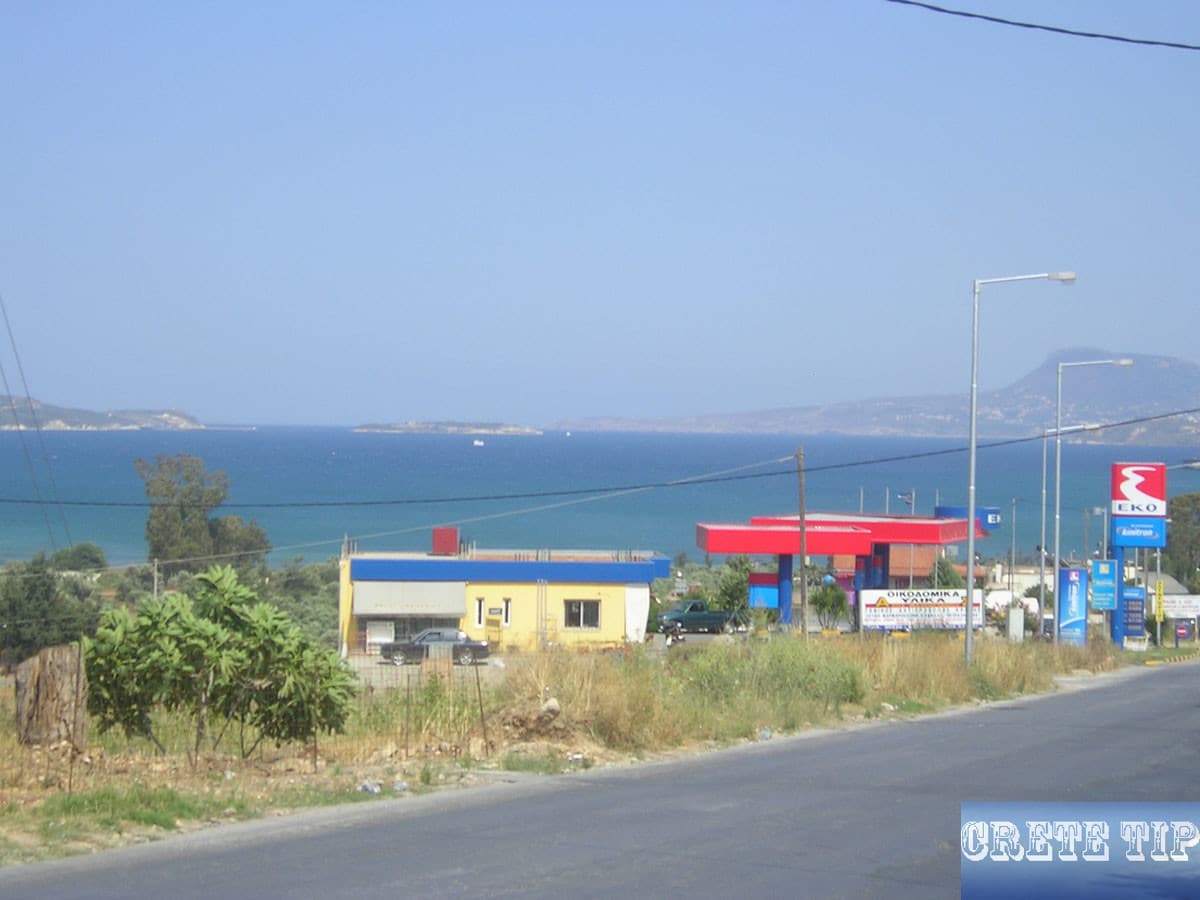
This tiered system encompasses territories across the Persian Gulf, Jordan, Israel, Cyprus, Crete, and extends to the critical naval base at Souda. Each zone plays a vital role in detecting, tracking, and intercepting threats ranging from ballistic missiles to cruise missiles and unmanned aerial vehicles (UAVs).
Understanding the Eight Defensive Zones
Zones One Through Four: The Core Defensive Perimeter
The first four zones represent the primary defensive layer stretching from Iran through the Persian Gulf states to Jordan and Israel. These zones are characterized by:
– Early Warning Systems: Advanced radar arrays and airborne surveillance platforms provide continuous detection from the moment threats are launched
– Command and Control Networks: Real-time data synthesis allows military commanders to develop complete tactical pictures instantly
– Multiple Interceptor Systems: Ground, sea, and air-based weapons platforms work in concert to intercept threats at various altitudes and ranges
The critical early detection phase relies heavily on long-range sensors, AWACS (Airborne Warning and Control Systems), and surveillance UAVs operated by the United States and Israel. These airborne platforms can detect threats at angles and altitudes that traditional ground-based radar systems struggle to cover, particularly against low-flying targets.
Zones Five Through Eight: Extended Mediterranean Defense
The remaining four zones extend the defensive perimeter across maritime regions toward Cyprus, Crete, and ultimately the Souda base in Greece. These outer zones benefit from increased standoff distances, which exponentially improve interception probabilities as threats travel farther from their launch points.
The Distance Factor: Why Geography Matters

The effectiveness of this defensive architecture depends heavily on understanding the distances involved:
Key Distance References:
– Western Iran (Kermanshah) to Tel Aviv: 1,170 kilometers
– Tehran to Tel Aviv: 1,580 kilometers
– Western Iran to Akrotiri, Cyprus: 1,290 kilometers
– Western Iran to Souda: 2,090 kilometers
– Tehran to Souda: 2,455 kilometers
– Southern Iran (Bandar Abbas) to Souda: 3,170 kilometers
These distances are crucial because they determine which threats can realistically reach which targets, and more importantly, they define the engagement envelopes where allied air defense systems operate most effectively.
Iranian Missile and Drone Capabilities
Iran’s arsenal consists primarily of:
Ballistic Missiles:
– Short-Range Ballistic Missiles (SRBM) and Medium-Range Ballistic Missiles (MRBM)
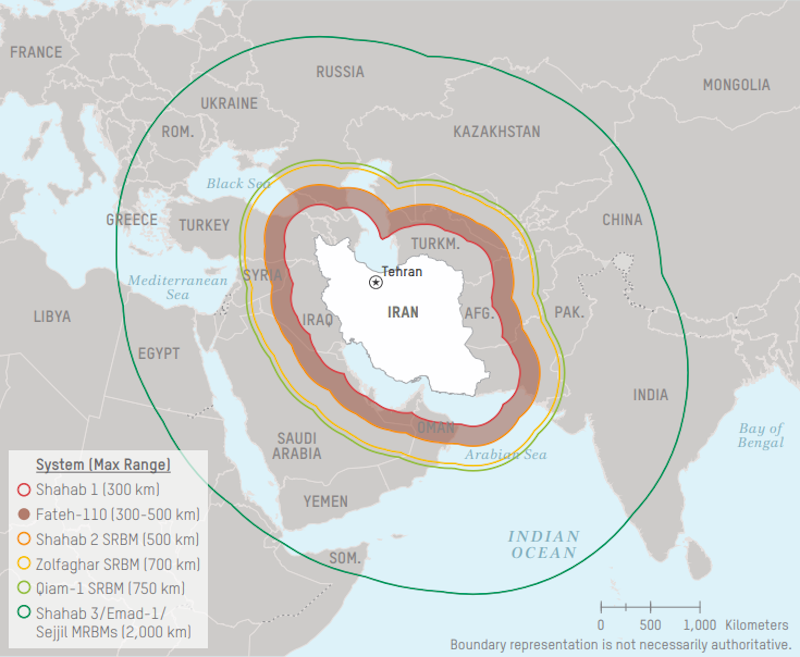
– Operational ranges: 1,300 to 2,500 kilometers
– Particularly effective against targets in Israel and theoretically capable of reaching Cyprus
Unmanned Aerial Vehicles:
– Shahed-136 type drones with estimated ranges of 1,350 to 2,500 kilometers depending on configuration
– Typically employed against Persian Gulf targets rather than distant objectives
Critical Vulnerabilities and Strategic Implications
The analysis reveals important geographical realities:
Israel remains firmly within the effective range of Iranian MRBM systems, particularly from western and central Iranian launch sites. The recent 24-hour period of heightened tensions, along with the 12-day conflict during the summer, has demonstrated this vulnerability with stark clarity.
Cyprus theoretically falls within Iranian ballistic missile range, making British bases at Akrotiri and Dhekelia potential targets of concern.
Souda Naval Base sits at the extreme edge of Iran’s theoretical maximum range. While technically within the parameters of Iran’s longest-range systems, the base operates at distances where allied air defense systems enjoy their greatest advantages.

The Networked Defense Advantage
What distinguishes this modern air defense architecture from earlier systems is its networked nature. Rather than individual systems operating independently, this represents:
– Sensor Integration: Multiple detection sources feed data simultaneously to command centers
– Real-Time Synthesis: Complete tactical pictures develop within seconds of threat detection
– Distributed Response: Various weapon systems engage threats based on optimal positioning and capabilities
– Layered Interception: Multiple opportunities to neutralize threats as they progress through successive defensive zones
The Pre-Launch and “Left of Launch” Component
Perhaps most notably, the allied defense strategy includes offensive elements designed to reduce threat volume before it reaches defensive intercept zones. This involves:
– Pre-launch operations: Targeting launch facilities and mobile systems before missiles can be fired
– “Left of launch” tactics: Immediate response operations following detection but before threats reach defensive zones
This proactive element transforms the defense from purely reactive interception to a comprehensive threat mitigation strategy.
Strategic Implications for the Region
The establishment of this eight-zone defensive architecture reflects the unprecedented complexity of modern Middle Eastern security challenges. It demonstrates:
1. Deep Integration: Allied nations have created genuinely integrated defense networks rather than parallel systems
2. Extended Reach: Protection now extends far beyond traditional territorial boundaries
3. Technological Sophistication: Modern surveillance and engagement systems operate at ranges unimaginable just decades ago
4. Strategic Commitment: The investment required suggests long-term commitment to regional stability
Looking Forward
As tensions in the Middle East continue to evolve, this layered defense system will likely become increasingly refined. The data generated from each incident—each detection, each intercept, each miss—feeds back into system improvements and tactical adjustments.
The eight defensive zones stretching from Iranian territory to Souda represent not just military hardware, but a complete reimagining of how allied forces can coordinate across vast distances to protect critical interests in one of the world’s most strategically important regions.
For those monitoring regional stability, understanding these defensive layers provides crucial insight into why certain capabilities matter, why distance calculations prove so significant, and ultimately, why the Eastern Mediterranean has become such a focal point for allied military attention.
Greece Bolsters Eastern Mediterranean Shield: Patriot Missiles Deployed to Karpathos and Souda

In a significant move to fortify its national airspace amid escalating volatility in the Middle East, the Greek government has authorized the strategic redeployment of advanced air defense systems to the nation’s southeastern frontiers.
According to recent reports, Greek authorities have decided to transfer a Patriot missile battery to the island of Karpathos, while simultaneously reinforcing the critical military base at Souda Bay on Crete with an additional Patriot unit.
This military maneuver comes at a pivotal moment for regional security, signaling Greece’s commitment to maintaining a “steel dome” over the Aegean and Eastern Mediterranean.
A Strategic Response to Regional Turmoil
The decision to reinforce Karpathos and Souda is not an isolated event. It coincides with a period of heightened alert following drone activity near the British sovereign base at Akrotiri in Cyprus. In response, Greece has effectively activated the Joint Defense Doctrine between Greece and Cyprus, ensuring a unified front against emerging threats.
Defense Minister Nikos Dendias, accompanied by the Chief of the Hellenic National Defence General Staff (GEETHA), General Dimitrios Houpis, traveled to Cyprus this week to reaffirm Athens’ support.
“Greece, throughout this crisis, will contribute in every possible way to the defense of the Republic of Cyprus,” Dendias stated, emphasizing the need to counter illegal actions and security threats in the region.
Naval Power: The Arrival of the “Kimon” and “Psara”

The reinforcement isn’t limited to land-based missiles. The Hellenic Navy has deployed two of its most capable surface combatants to the area:
1. The FDI Frigate Kimon (Belharra)
The Kimon represents the new “spearhead” of the Greek fleet. As a first-of-its-class FDI HN (Belharra) frigate, it is widely considered the most modern anti-aircraft platform in the Mediterranean. Its capabilities include:
* Aster 30 Missiles: 32 vertical launch cells providing long-range area air defense.
* Sea Fire Radar: Advanced AESA technology capable of tracking multiple targets simultaneously across vast distances.
* SETIS Combat System: A digital hub that allows the ship to act as a command center for wider regional air defense.
2. The Frigate Psara and the “Kentauros” System
While the Kimon handles high-altitude threats, the frigate Psara (MEKO 200HN) brings a specialized solution to the modern battlefield: The Kentauros Anti-Drone System.
Developed by Hellenic Aerospace Industry (EAB), Kentauros is an electronic warfare system designed to “soft-kill” UAVs. It identifies and jams the communication signals of enemy drones, neutralizing them without firing a single shot—a critical capability in an era of low-cost, high-impact drone swarms.
Air Superiority: F-16 Vipers Over Cyprus
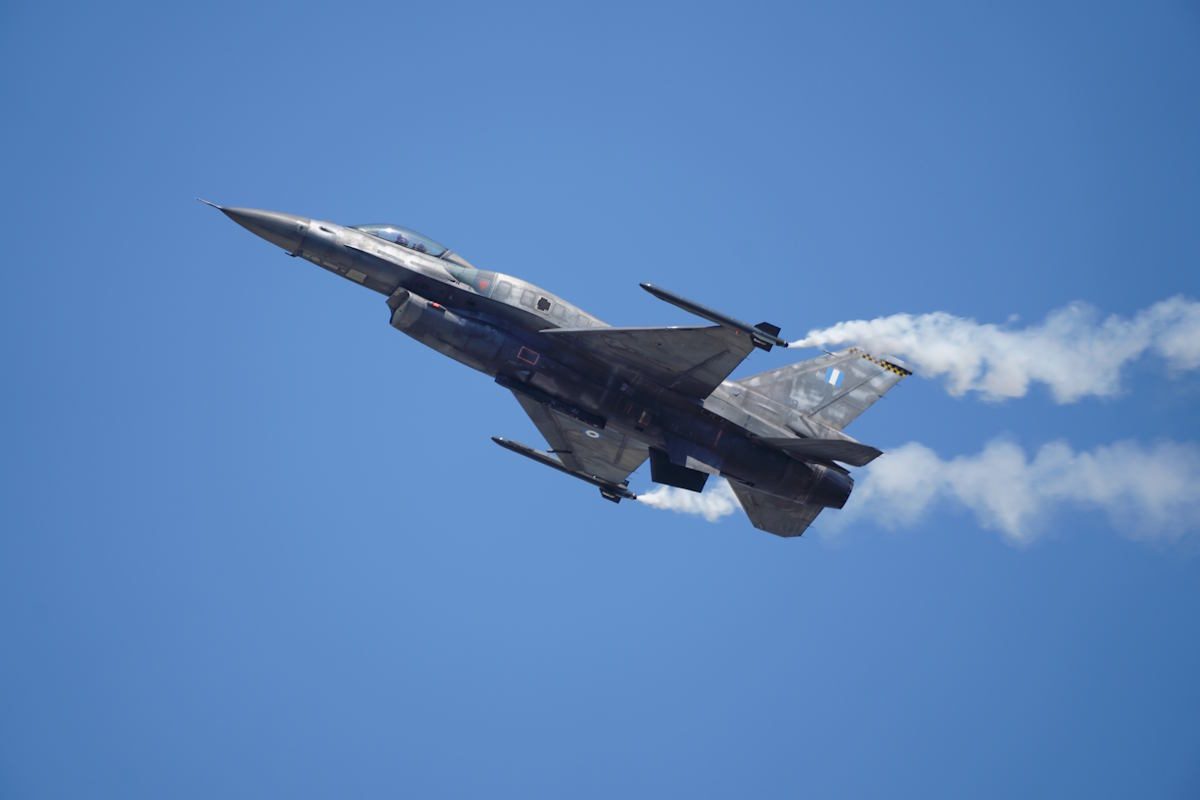
To complete the defensive triad, the Hellenic Air Force has deployed two pairs of F-16 Viper (Block 72) fighter jets to Cyprus.
The “Viper” is the most advanced version of the F-16 in the Greek arsenal, featuring the AN/APG-83 AESA radar. This technology allows pilots to detect and track targets with unprecedented precision, providing an essential “eye in the sky” that links the land-based Patriot batteries with the naval assets at sea.
Why Karpathos and Souda?
The choice of these locations is highly strategic:
* Souda Bay: As one of the most important naval bases for both Greece and NATO in the Mediterranean, its protection is paramount for maintaining maritime security.
* Karpathos: Situated between Crete and Rhodes, Karpathos serves as a natural “sentinel” for the southeastern Aegean, closing the gap in the national air defense network and extending Greece’s reach toward the Eastern Mediterranean.
The Bottom Line
The deployment of Patriot batteries to Karpathos and Souda, combined with the presence of the *Kimon* frigate and F-16 Vipers, creates a multi-layered defensive “bubble.” By integrating long-range missiles, electronic warfare, and elite aerial interception, Greece is sending a clear message of stability and deterrence in an increasingly unpredictable geopolitical environment.
Espionage in the Mediterranean: Suspected Spy Arrested Near Strategic Souda Naval Base

The strategic waters of Crete have become the backdrop for a high-stakes intelligence operation. Greek authorities have arrested a 36-year-old Georgian national on charges of espionage, following a month-long surveillance operation by the Hellenic Intelligence Service (EYP).
The suspect is accused of systematically monitoring and recording military installations and naval movements at the Souda Naval Base, one of the most critical NATO facilities in the Eastern Mediterranean.
A Month Under Surveillance
The arrest was the culmination of a “cat-and-mouse” game between the suspect and Greek intelligence officers. According to reports, the 36-year-old arrived in Athens from Germany before flying to Chania on February 3.
Rather than engaging in typical tourist activities, his behavior immediately raised red flags:
* Strategic Lodging: He booked a hotel room in the Souda Bay area with a direct, unobstructed view of the naval base.
* Suspicious Patterns: He avoided all local landmarks and tourist attractions, focusing his movements exclusively around the perimeter of the military installations.
* Disguise: Witnesses and surveillance notes indicate he consistently wore a hat and sunglasses whenever he left his room.
* The “Spy Hotel” Connection: On February 16, he reportedly attempted to book a room at the exact same hotel used by an Azeri national who was arrested for espionage in the same area last summer.
The Evidence: USS Ford and Encrypted Data
The most damning evidence involves the suspect’s digital footprint. Upon his arrest, authorities discovered an extensive digital archive containing high-resolution photos and videos of military vessels and infrastructure.
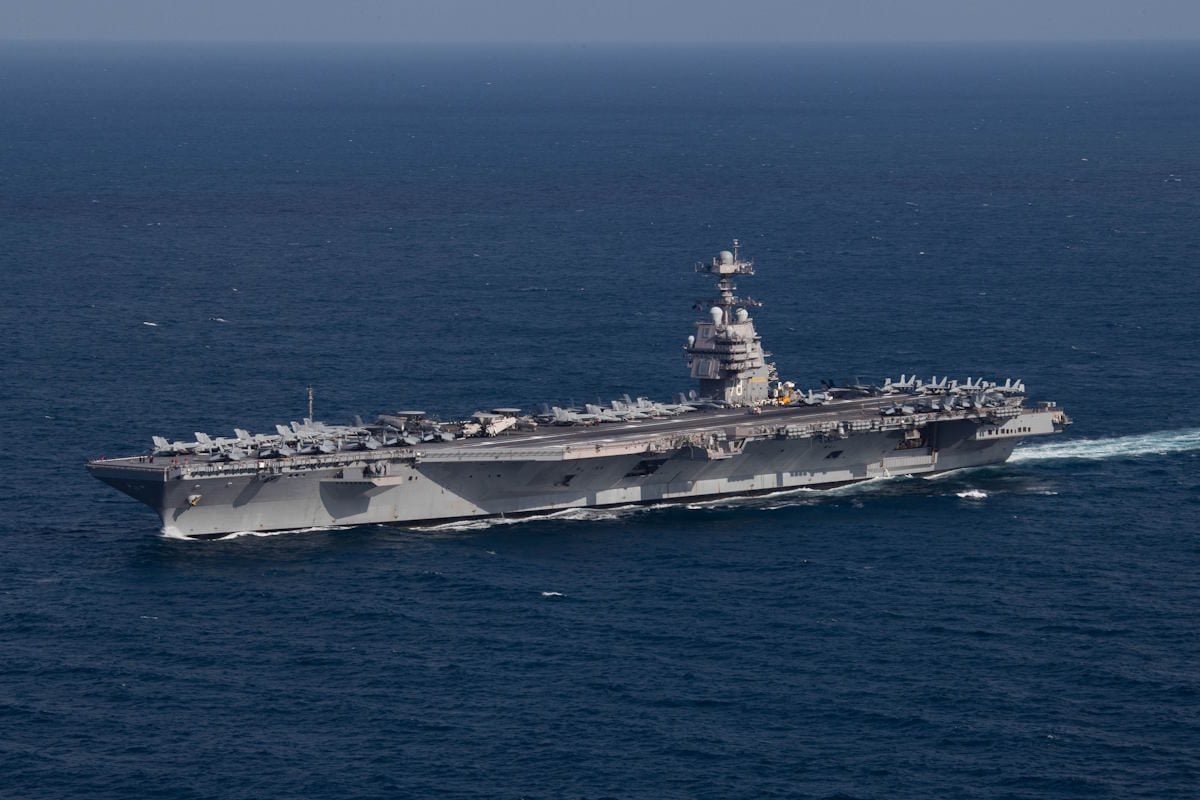
Most notably, the suspect was observed filming the USS Gerald R. Ford, the world’s largest aircraft carrier, which was recently stationed in the region. Investigators believe the suspect used encrypted software to transmit this sensitive data to a third party before he was apprehended in Athens.
The Iranian Connection?
While the suspect officially maintains that he was in Greece “strictly for tourism,” Greek authorities are looking deeper. Sources suggest that the EYP is investigating strong leads that the man was acting on behalf of Iranian intelligence services.
This theory aligns with a growing pattern of recruitment from neighboring regions to conduct surveillance on Western military assets in the Mediterranean. The timing—amidst heightened geopolitical tensions in the Middle East—has led officials to treat this case with the utmost severity.
What’s Next?
The suspect currently faces charges for illegal entry into the country, which served as the initial grounds for his detention. However, a comprehensive preliminary investigation into the espionage charges is now underway.
His digital devices have been sent to forensic laboratories for deeper analysis, and the EYP has alerted allied intelligence agencies to determine if the 36-year-old appears in other international databases.
Why Souda Matters
The Souda Naval Base is a cornerstone of Mediterranean security, providing logistical support for the U.S. Navy’s 6th Fleet and NATO operations. Any breach of security or systematic surveillance of the base represents a significant threat to regional stability and allied military operations.



