News brief from Tuesday, 17 November 2026 (hotels):
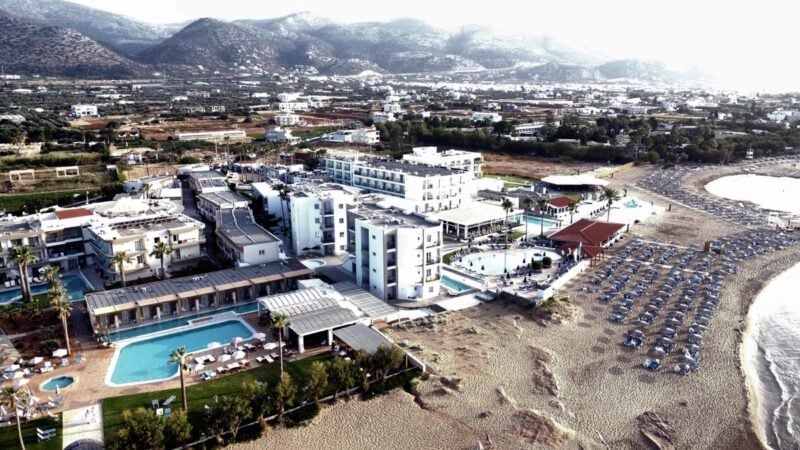
When arranging a hotel stay in Crete, travellers can reduce uncertainty by checking whether a booking website is actually operated by the hotel. A survey in the United States found that consumers may mistake third-party booking sites for official hotel websites. The American Hotel & Lodging Association (AHLA) has launched an awareness campaign in response, according to money-tourism.
In the survey, 22% of US consumers said they had booked through a site they believed was the hotel’s official website, only to discover later that another company operated it. When respondents were shown two examples of misleading booking sites, 52% mistook one for an official hotel website and 44% did the same with the other. The survey also found that 87% wanted rules to protect travellers from misleading booking websites.
The AHLA’s “Look Before You Book” campaign offers a free consumer guide and booking-safety checklist. These materials explain how to look for warning signs in search results, check a booking directly with a hotel and identify steps to take if someone has been scammed.
The checklist advises consumers to examine web addresses for spelling errors, extra words or unusual characters. It also recommends caution around unusually low prices and suspicious payment requests. The AHLA lists booking through a hotel’s official website, mobile app or reservations phone line as direct options. Association president and chief executive Rosanna Maietta said direct booking can help travellers avoid scams.
The association also plans to work with lawmakers and regulators. It says a proposed bill is expected to be introduced when US state legislatures convene in 2027. The proposal would require third-party booking websites to clearly state that they are not affiliated with the hotel. This remains a proposal, not an approved or enacted law.
What does this mean for visitors or expates?
As a practical precaution, visitors and foreign residents planning a stay can check the website address and payment terms before paying, then confirm the reservation directly with the hotel. If a price seems unusually low or a payment request looks suspicious, consider contacting the hotel through a contact method verified independently. The survey concerns US consumers and does not establish how common these problems are for bookings in Crete.