

You can swim in Crete right through winter. The sea stays much milder than at home, with long-term averages of roughly 16 to 20°C between November and March. For a first winter swim in Crete, November is the friendliest month. A sheltered town beach such as Ammoudi in Agios Nikolaos, the long sandy beach at Rethymno or Amnisos near Heraklion gives you easy access and a gentle entry on calm days.
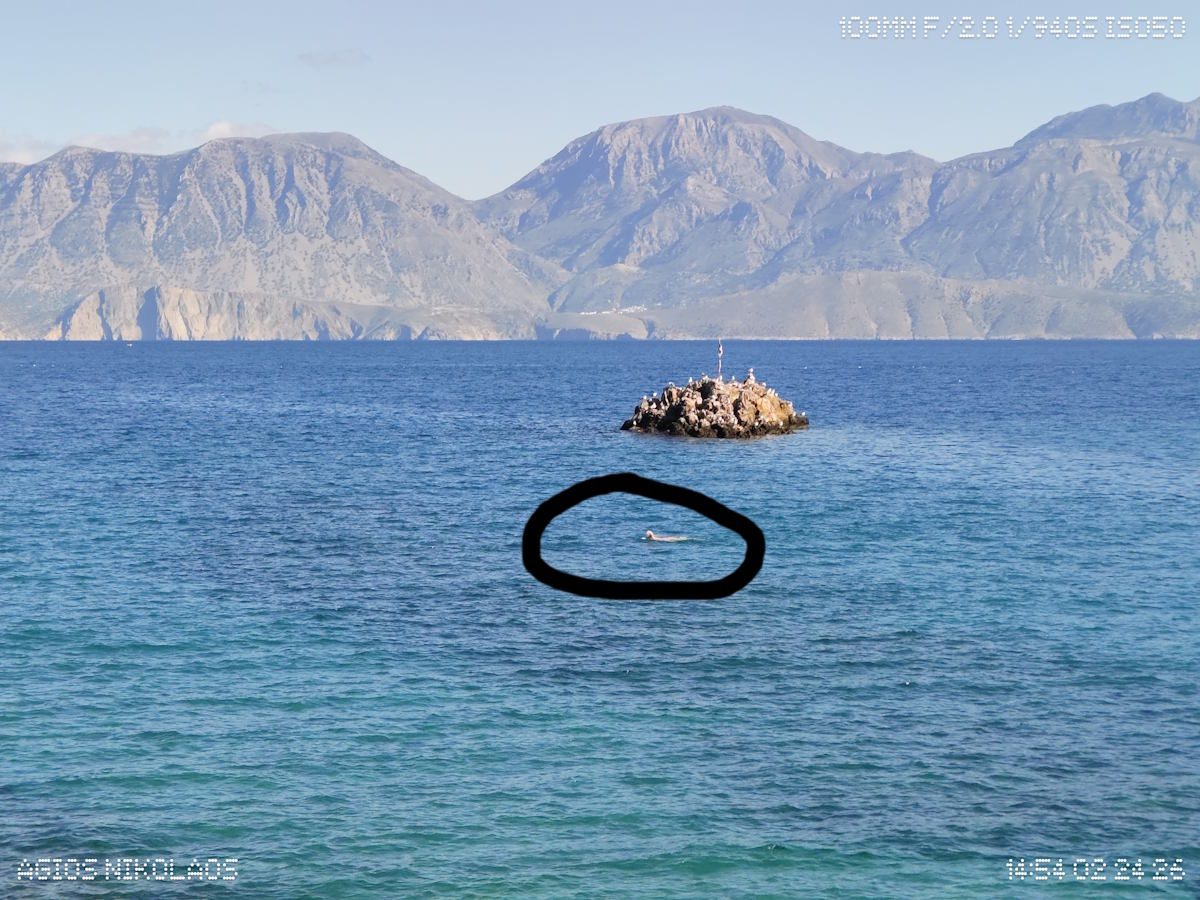
Winter swimming here still calls for respect. February water often sits close to the 15°C mark that UK water-safety guidance treats as cold water. A northerly wind can turn a glassy bay choppy within hours.
Swimming in Crete outside summer is a lovely way to see the island, when the beaches are quiet and the light is soft. Choose the right month and beach, and bring sensible kit, and you can enjoy it safely, whether you’re a curious beginner or a seasoned winter swimmer.
How Warm Is the Sea From November to March?

The sea around Crete cools from about 20°C in November to around 16°C in February and March. Long-term averages put February as the coldest month. Daily readings can be a degree or two higher or lower, and different datasets show slightly different numbers.
Typical Monthly Water Temperatures and Local Variations
The figures below are long-term sea surface averages for Palaiochora on the south-west coast, based on many years of satellite data. They’re averages, not a guarantee of what you’ll find on the day you swim.
| Month | Average (°C) | Typical low (°C) | Typical high (°C) |
|---|---|---|---|
| November | 20.4 | 18.8 | 22.0 |
| December | 18.1 | 16.3 | 20.0 |
| January | 16.7 | 15.3 | 18.2 |
| February | 15.9 | 14.9 | 16.9 |
| March | 16.1 | 15.3 | 16.9 |
The same dataset shows small differences around the island. In March, Heraklion, Agios Nikolaos and Ierapetra each average about 16.5°C, Chania averages about 16.3°C, and Kissamos about 16.1°C. Sitia in the far east tends to be a touch warmer, at around 16.8°C in late winter.
Think of a “current” reading as a snapshot. In early autumn, live readings around the island sat at about 20 to 21°C, closer to the November average than to deep winter. Check the latest figure on the morning you plan to swim.
Why November Feels Different From February
November water still holds summer warmth. At around 20°C, many people can manage a relaxed swim in a costume, and the air is often mild too.
By February, the sea has lost most of that stored heat. The water sits near 16°C and sometimes dips below 15°C. Air temperatures are lower, the days are shorter and wind chill feels harsher on wet skin. The same five-minute swim feels far more bracing.
Weather varies from year to year, too. March 2026, for example, was one of the coldest Marches on Crete in about ten years, so a cool spring can keep the sea colder for longer.
Are South Coast Beaches Always Warmer?
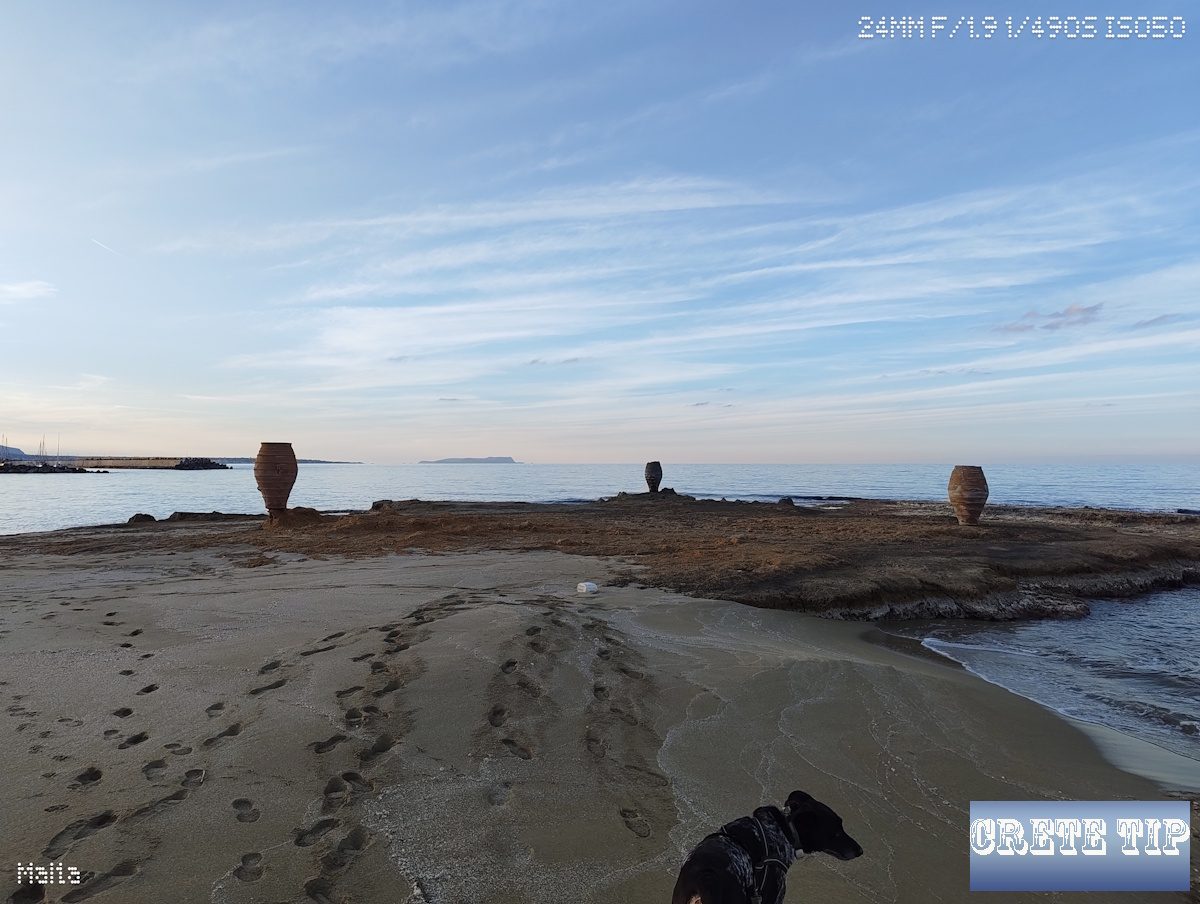
No. Long-term averages show almost identical winter water temperatures in Ierapetra on the south coast and Heraklion on the north coast. Whether a beach feels warmer mostly depends on the wind and how sheltered it is that day.
A south coast bay facing a southerly wind can be choppy and grey. A north coast cove tucked away from a northerly can be calm and pleasant. Ierapetra gets plenty of winter sunshine, which helps you warm up afterwards, but it doesn’t change the sea much.
Which Beaches Are Worth Considering for a Winter Swim?

The best winter beaches offer shelter from common winds, an easy sandy or fine-pebble entry, and a town or village nearby. The spots below cover the north coast cities, Mirabello Bay around Agios Nikolaos, and a few south coast options near Ierapetra and Matala.
Heraklion and Chania: Amnisos Beach and Kalamaki
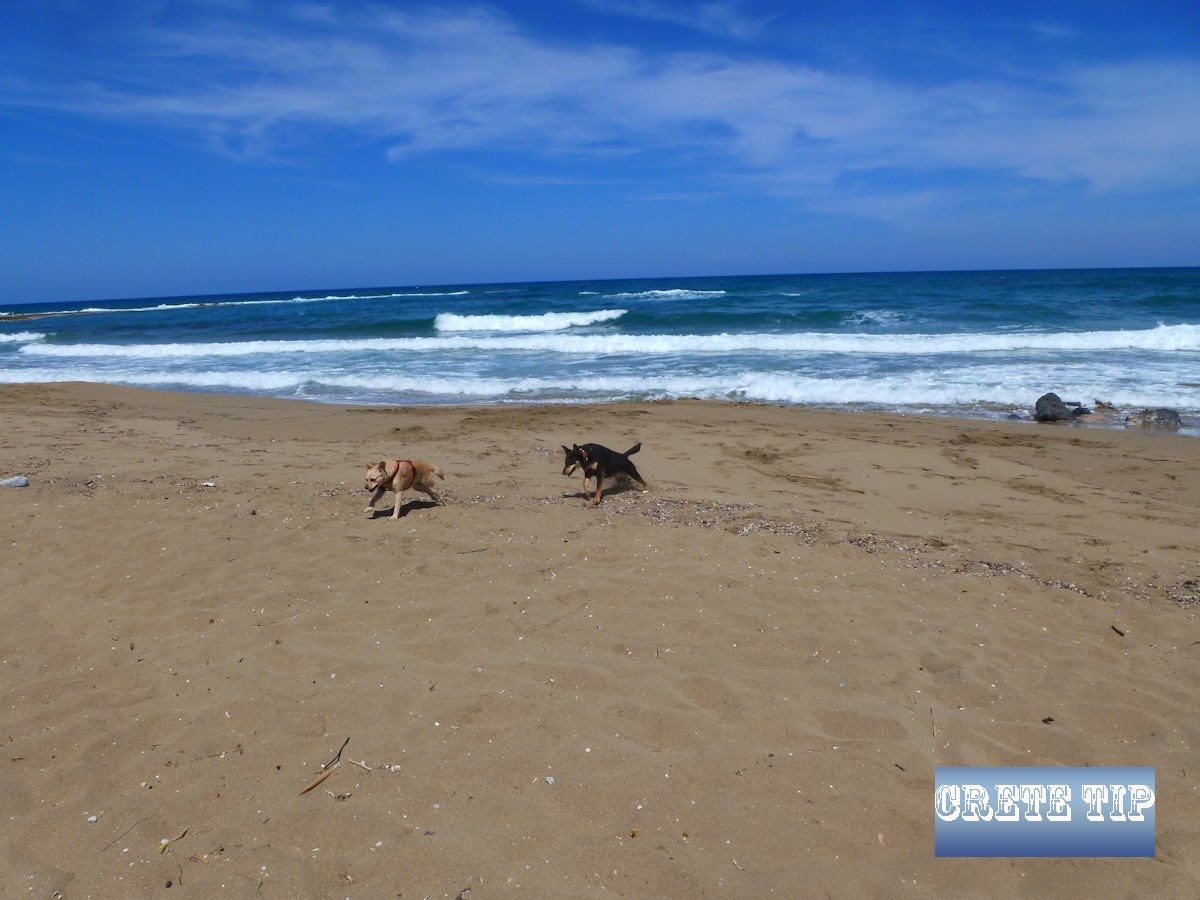
Amnisos lies 8 to 9 km east of Heraklion and stretches for almost 1 km of soft, stone-free sand. The water is usually clear and calm, though a north wind can whip up waves. There’s no lifeguard, so go on calm days and bring company.
Regular buses run from Heraklion, and you’ll find parking close by. Most seasonal businesses shut for winter.
Kalamaki, just west of Chania, is a similar option for people staying in the west. It’s a long, open sandy beach, so it’s best on flat, settled days.
Agios Nikolaos: Ammoudi Bay, Almyros Beach and Nearby Elounda
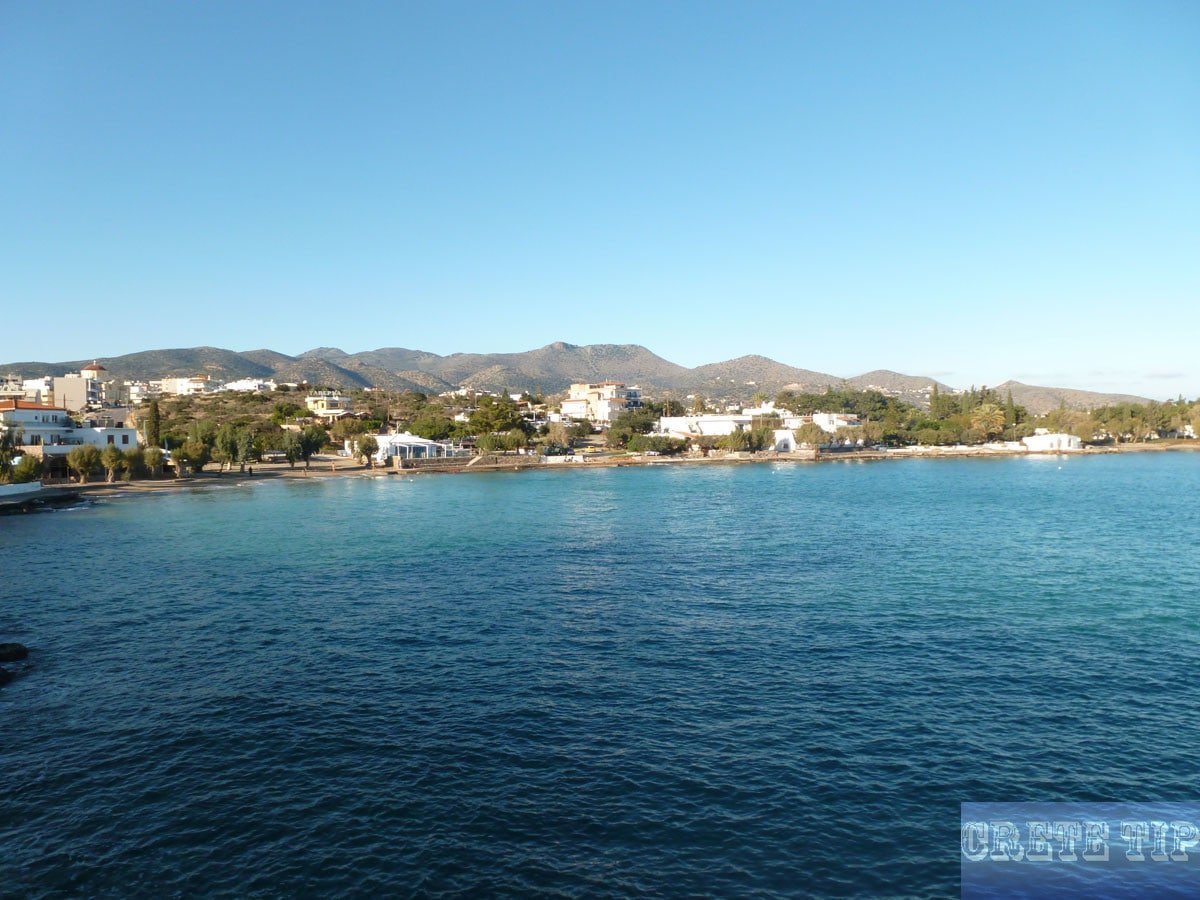
Agios Nikolaos is one of the most practical bases for winter swimming. Ammoudi Beach, about 0.9 km from the centre, sits in a deep, sheltered cove with shallow, clear water. It’s a known meeting point for the town’s winter swimmers, which is reassuring if you prefer company.
Locals describe Gargadoros, a small pebble beach in town, as a favourite for summer and winter swims.
Almyros Beach lies 2.5 km south of the centre. It’s the longest sandy beach in the municipality, with shallow water that’s usually calm in its small bay. The Almyros River flows into the south end all year, making patches there noticeably colder.
Near Elounda, the main beach by the Skisma area stays calm thanks to the Korfos lagoon. That makes it a gentle option when the open coast is lively.
Ierapetra and Ferma: Accessible Options on the South Coast
Ierapetra has three beaches in town: East, South and West. West Beach sits in the heart of town, with cafés and shelter close by even out of season.
Ferma sits about 8 to 10 km east of Ierapetra. Its main beach, Livadi (also called Xerokamara), has fine pebbles and deep, crystal-clear water in a bay ringed by cliffs and pine trees. One local guide describes it as well protected from wind.
Paths with stairs lead down from the hotels above, and the walk is about 80 to 100 m long. The water gets deep quickly, so it suits confident swimmers. Small springs on the beach can also make the water feel cooler at the edge.
Rethymnon: Town Beaches and Local Swimming Spots
Rethymno’s town beach is a 12 km stretch of fine, light brown sand, starting right at the historic centre. The municipality promotes it for winter and summer alike.
It’s long and open to the north, so it’s best on still days. The big plus is that you’re just a short walk from warm cafés and your accommodation.
Matala: A South Coast Option When Conditions Allow
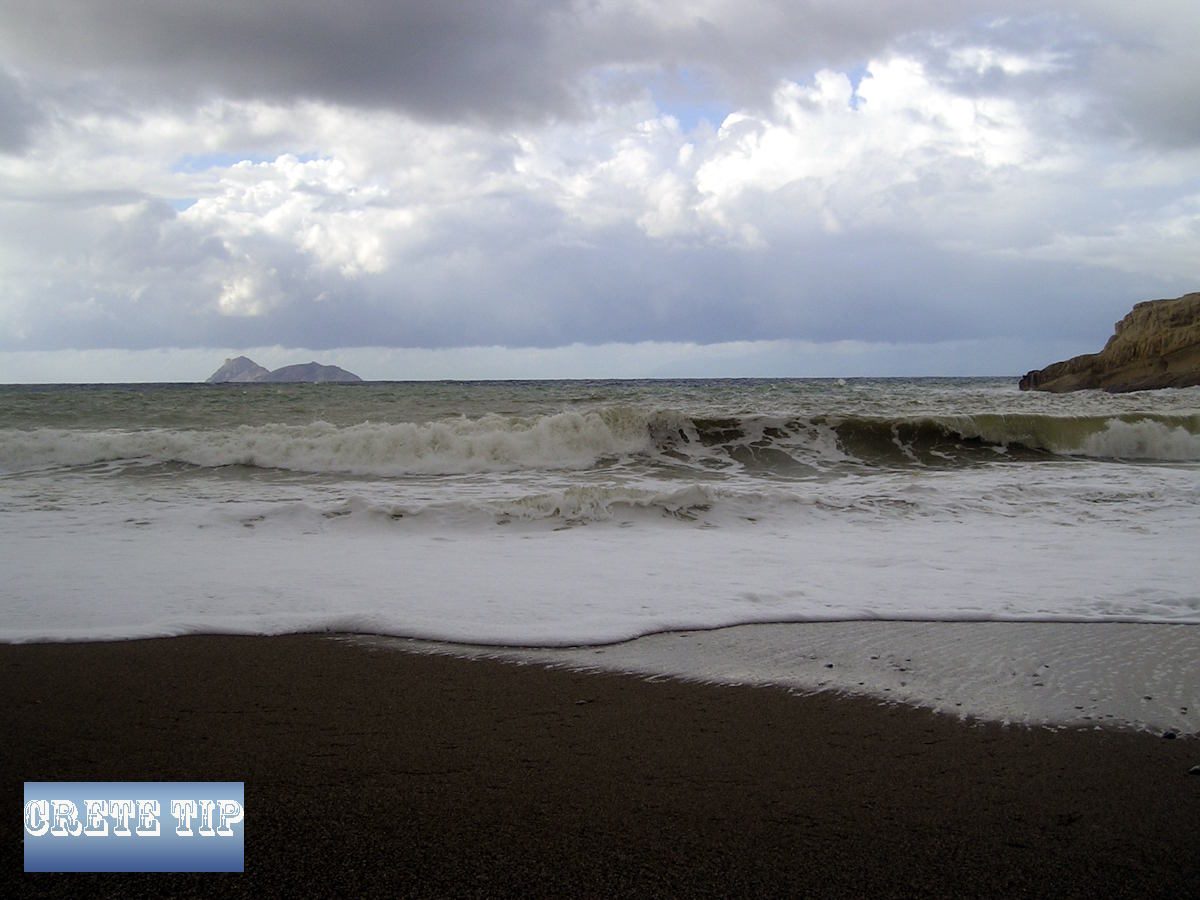
Matala sits on a natural harbour in the Bay of Messara, about 65 km from Heraklion. The 250 m beach has sand and pebbles, and sandstone cliffs with their famous caves frame the shore.
It’s a beautiful winter spot on calm days. Wind and swell from the south can quickly change conditions in the bay, so check the forecast before you make the drive.
How Do You Choose a Suitable Beach on the Day?
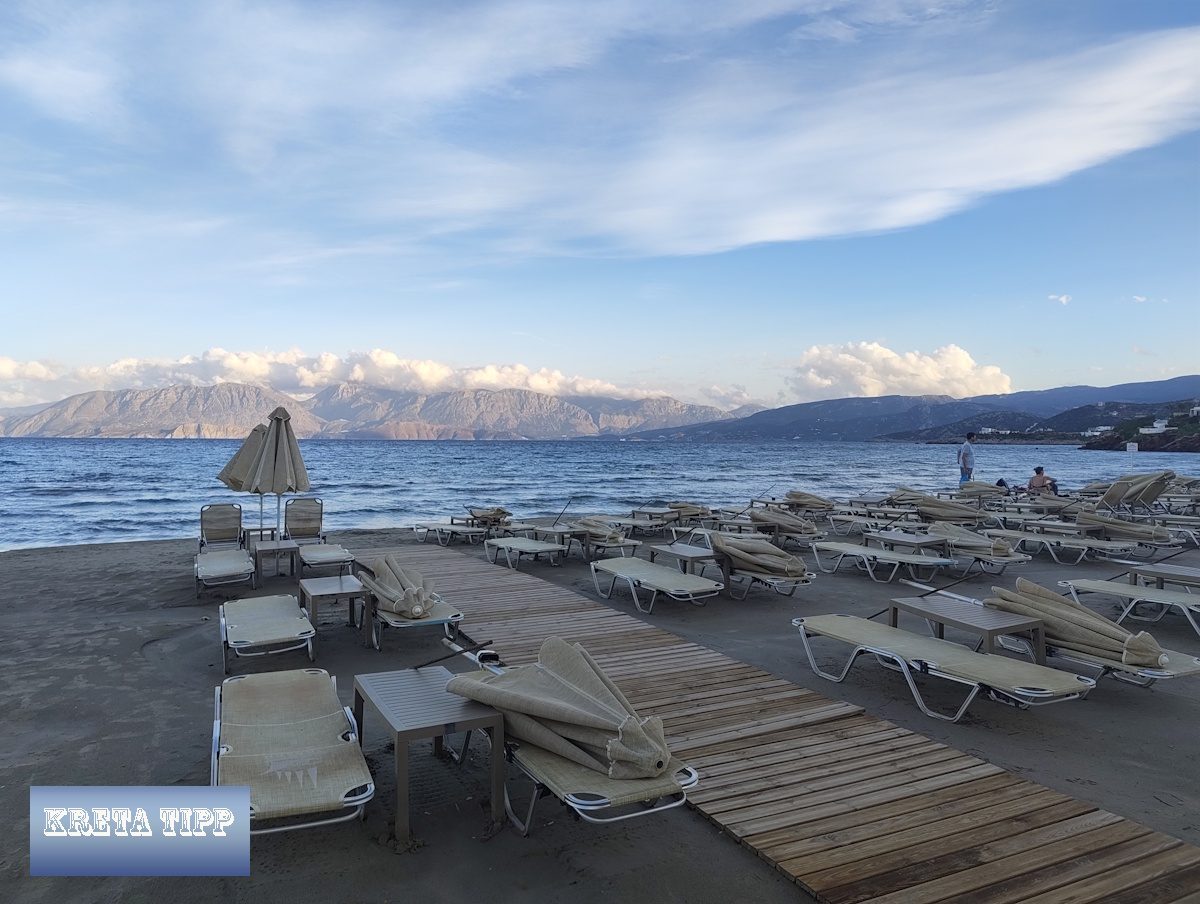
Choose your beach that morning, based on the wind, waves and access. A calm, sheltered cove you can step out of easily beats a famous beach battered by surf.
Check Wind Direction, Waves and Safe Entry and Exit
Start by checking the wind direction. A north wind brings waves to north-facing beaches such as Amnisos and Rethymno, so head for a cove facing away from it.
Then check the shore itself. Can you walk out again without scrambling over rocks when you’re cold and tired? Sandy beaches with a gentle slope are easiest.
Allow for Rainfall, River Outlets and Colder Freshwater

After heavy rain, rivers and streams carry cold, cloudy water into the sea. The Almyros River keeps some patches at Almyros Beach very cold all year, even in summer.
Strong winter storms can also leave debris along the shore. Give beaches near river mouths a day or two after a downpour.
Check Winter Access, Nearby Shelter and Available Facilities
Many beach businesses close outside the season, and lifeguards only work in summer. Plan as if there’ll be no showers, toilets or rescue cover unless you know otherwise.
Town beaches in Agios Nikolaos, Rethymno and Ierapetra have the advantage here: cafés, your car or your room are close by. Remote coves with long stair paths, like Ferma, need extra care after storms, when the steps can be slippery.
How Can You Prepare for Cold-Water Swimming?
Prepare with suitable kit, a slow entry, a swimming buddy and a plan to get out while you still feel fine. These habits matter more in February than in November, though they help all winter.
Choosing a Neoprene Wetsuit and Other Useful Equipment
A neoprene swimming wetsuit keeps a thin layer of water warmed by your body against your skin. That helps you stay comfortable and gives you more time in the water.
Fit comes first. Your suit should feel snug, without baggy gaps, but still leave your shoulders free to move through each stroke. Swimming-specific suits have more flexible panels than surfing suits.
There’s no single right thickness. Thicker neoprene keeps you warmer but feels stiffer, so choose based on how long you’ll stay in and how easily you feel the cold. Many winter swimmers also wear neoprene socks, gloves or a cap, and carry a bright tow float so others can spot them.
Enter Gradually
Walk in slowly and give your body time to adjust. Splash your face, neck and wrists before lowering your shoulders into the water.
Breathe out slowly and steadily as you enter. Wait until your breathing feels calm before you start swimming.
Swim With Company and Stay Close to Shore
Swim with someone else, and keep parallel to the beach. That way, you’re always within easy reach of land.
In winter, there’s usually no lifeguard. Tell someone onshore where you plan to swim, and keep your first swims short and within your depth where possible.
Recognise Cold Shock and Leave Before You Become Chilled
The RNLI classifies water at 15°C and below as cold. Sudden cold can make you gasp, speed up your breathing and raise your heart rate and blood pressure. Cold shock passes in less than a minute, so float and breathe until it settles.
Ignore the popular “one minute per degree” rule. It has no solid basis and may tempt you to stay in too long. Get out as soon as your hands become clumsy, you start shivering or you stop enjoying the swim.
Dry Off and Warm Up Gradually After Your Swim
Have a towel, warm layers and a hat ready before you get in. Dress quickly, starting with your top half.
Sip a warm drink and move gently. Avoid taking a hot shower straight away; gradual rewarming is kinder to your body. You may keep cooling for a while after leaving the water, so stay with your companion until you feel normal.
Choose Your Swim Around the Sea, Not the Calendar

Swimming in Crete in winter works best when you let the day’s conditions guide you. Long-term averages range from about 20°C in November to around 16°C in February and March. The north and south coasts have very similar temperatures.
Shelter, easy entry and nearby warmth matter more than which coast you choose. Ammoudi and Elounda beach suit calm, sheltered swims, while Rethymno and Amnisos are fine on still days. Ferma suits confident swimmers, and Matala is lovely when the south coast is quiet.
KretaTipp aims to offer an honest, locally grounded view, based on Norman Kretaner’s years on the island since 2004. Check the wind, wear a well-fitting wetsuit when the water drops below about 17°C, and swim with a friend close to shore.
Frequently Asked Questions
Can you swim in Crete in December?
Yes. The sea averages around 18°C in December, with typical readings between about 16 and 20°C. Choose a sheltered beach on a calm day and keep your first swim short.
How warm is Crete in the winter?
The sea stays between roughly 16 and 20°C from November to March, depending on the month. February is the coldest, averaging around 16°C and sometimes dipping just below 15°C.
Which coast of Crete has the warmest sea in winter?
Neither coast is reliably warmer. Long-term averages for Ierapetra in the south and Heraklion in the north are almost identical, while Sitia in the east runs only slightly higher. The day’s wind and shelter shape your swim far more.
Do you need a wetsuit for winter swimming in Crete?
Many people swim in a costume in November, but a wetsuit makes swims from January to March far more comfortable and safer. Choose a snug, flexible swimming suit and a thickness that suits how long you plan to stay in.
Can you swim in Crete in March?
Yes, though the water is still cold in March, averaging about 16°C around the island. Treat it like February: wear a wetsuit if you get cold, swim with someone else, and get out before you start to chill.


