

Newsflash from Friday, 22 May 2026:
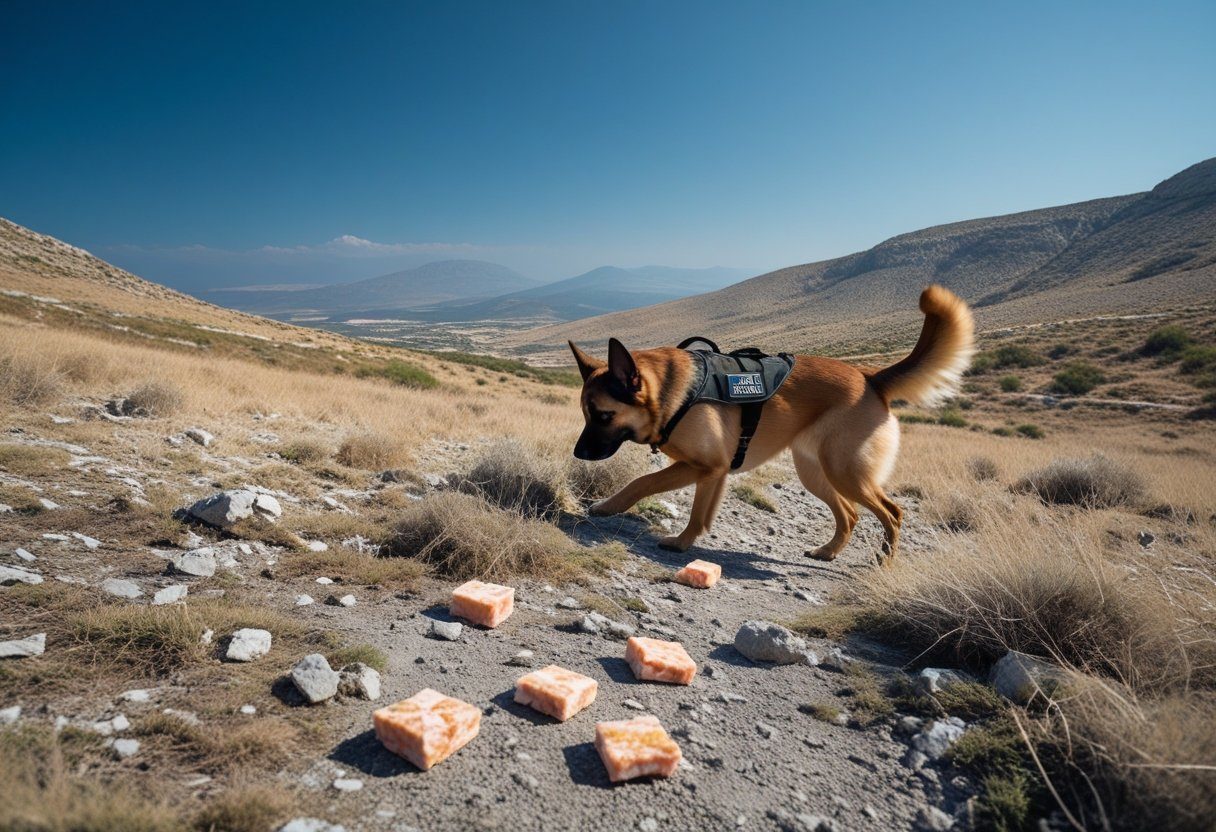
A troubling discovery in the popular coastal area of Matala has raised serious concerns about the illegal use of poison baits. Members of the Heraklion Poisoned Bait Detection Unit, part of the LIFE Bonelli East Med program, were called to the scene following a tip-off—and what they found points to a dangerous and unlawful act.
Detection Team Responds Swiftly
On May 20, 2026, handler Spiros and his specially trained detection dog, Eka, carried out an on-site inspection near the local biological treatment facility. The operation followed a report from the Hunting Association of Moires, which warned of possible poisoned bait in the area.
The team’s rapid response underscores the growing importance of specialized units trained to detect toxic substances that threaten both wildlife and public safety.
Evidence of Poison Use
During the search, Eka identified a suspicious plastic package containing pieces of fish along with numerous dead insects—strong indicators of toxic contamination. Such findings are consistent with the illegal practice of setting poisoned bait, often intended to kill predators but posing a far wider risk.
These substances can have devastating consequences, not only for wildlife such as birds of prey and stray animals, but also for pets and even unsuspecting humans who may come into contact with them.
Legal Action Underway
Authorities have taken the matter seriously. A formal complaint has been filed with the Moires Police Department, which is now responsible for investigating the incident and identifying those responsible.
The use of poisoned bait is illegal under Greek and European law, with strict penalties in place due to its environmental and public health impacts.
A Broader Environmental Concern
Incidents like this highlight an ongoing issue across rural and semi-rural areas, where poison is sometimes used as a crude method of pest control. Conservation groups and environmental programs such as LIFE Bonelli East Med continue to work toward eliminating this practice through monitoring, education, and enforcement.
The case in Matala serves as a reminder that vigilance and community reporting are key to protecting ecosystems and ensuring the safety of both animals and people.
If you suspect the presence of poisoned bait, avoid contact and notify local authorities immediately.
Report poisoned bait or poisoned animals
Notification to the forestry and hunting administration. There are two specially trained staffs with two German shepherds who were trained to spot poisoned animals and animal which had died.
The teams are divided into two regions and the telephone numbers of the gamekeepers are:
Gamekeeper Mr. Spyros Nistikaki and Dyck for Eastern Crete (Heraklion and Lasithi). Contact number for reporting cases of poisoning: 6948 512 177.
Gamekeeper Mr. John Grigorakis and Karina for Western Crete (Chania and Rethymno). Contact number for reporting cases of poisoning: 6948 512 153.
You like plenty of poison around you?
Then visit the area of Rethymno or Chania!



