News brief from Wednesday, 18 November 2026 (tourism):
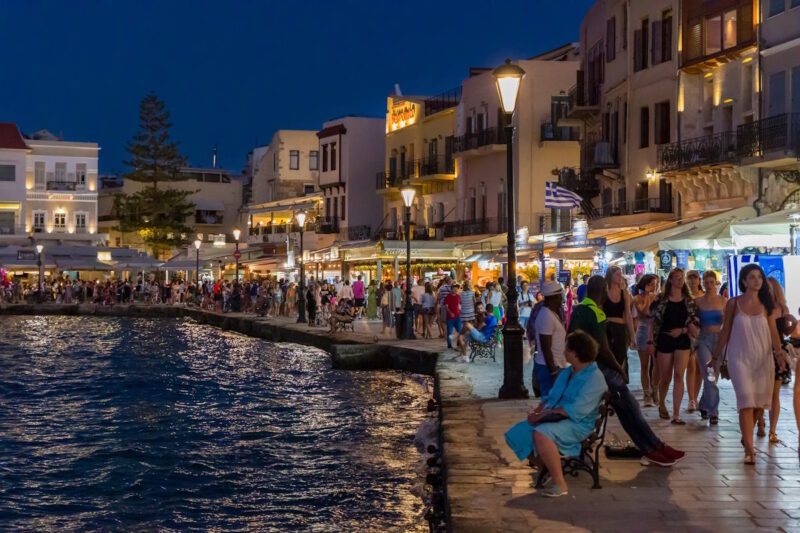
A new EU tourism policy envisages tools to help destinations monitor and manage visitor flows. The approach could matter to Crete and other heavily visited areas, but the report does not announce any measures specifically for the island.
According to money-tourism, European Commissioner for Transport and Sustainable Tourism Apostolos Tzitzikostas presented what the report describes as the European Union’s first common tourism policy. Its proposed measures include an observatory and a toolkit to help destinations keep better track of tourism flows and manage them. The report presents these as planned instruments, not services already in operation.
Tzitzikostas’ account also places local communities in the tourism planning process. The report highlights the protection of natural and cultural assets, alongside the capacity of infrastructure and destination management to respond to visitor numbers. The stated approach is to assess conditions destination by destination rather than treat tourism pressures as identical everywhere.
Staffing is another concern. The estimate cited in the report is that the European tourism sector is short of about one million workers. Tzitzikostas also addressed whether people can afford to take holidays amid economic pressures, pointing to social tourism programmes, including programmes in Greece, intended to help people with limited means travel. The report says he also linked higher fuel costs with expenses for air, ferry and road travel.
The broader policy, as described in the interview, treats tourism as an important part of the European economy while also raising questions about sustainability, infrastructure, technology and competitiveness. It does not give a timetable for implementing the proposed visitor-flow tools or spell out how they might be applied in individual destinations.
What does this mean for visitors or expates?
No immediate change to travel arrangements or requirements is announced in the report. Visitors to Crete may wish to factor in how busy particular places could be and check local information when planning activities. Residents can follow the development of the EU approach, while bearing in mind that the article does not set out specific local plans for Crete.