
Newsflash from Monday, 16 February 2026:
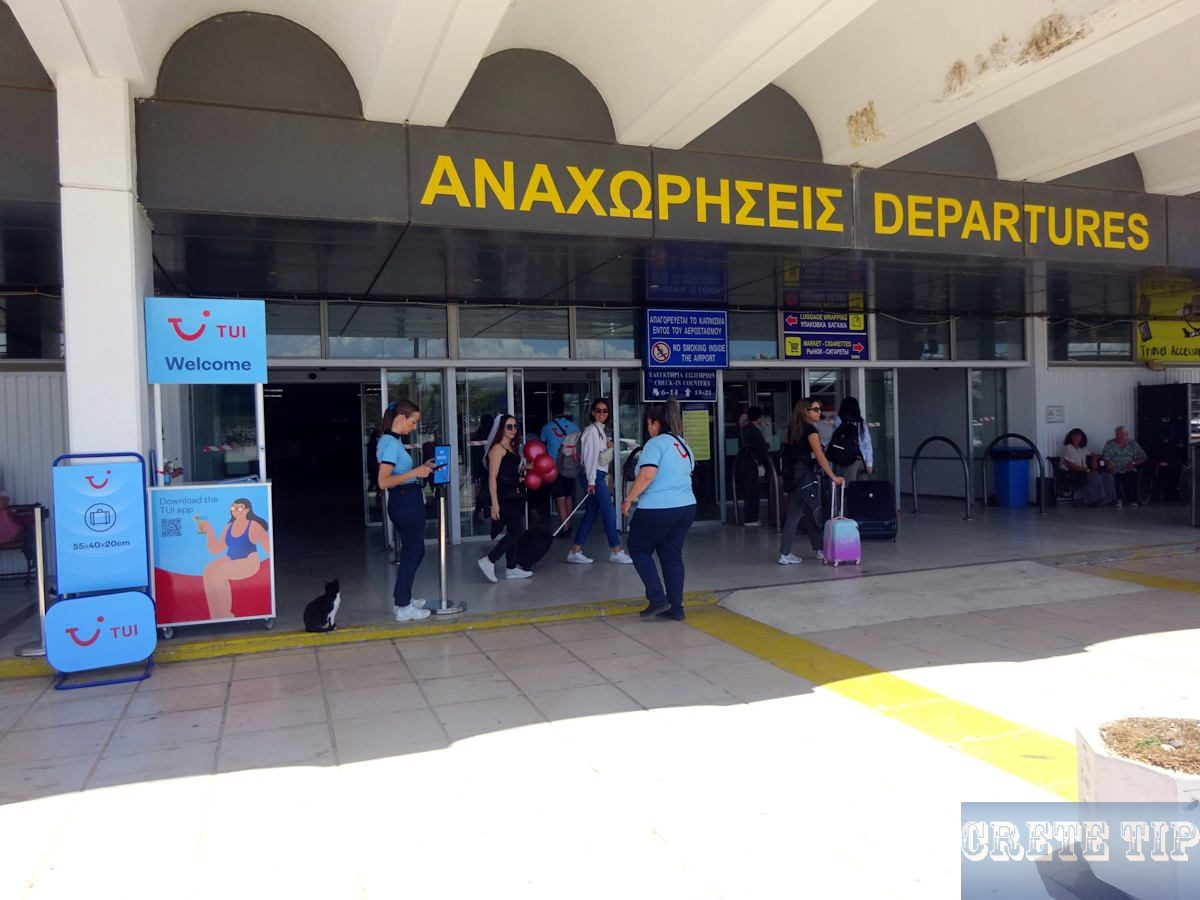
Greece’s tourism industry is riding high on an unprecedented wave of success. After shattering records in 2025 with over 23 billion euros in tourism revenues, the nation is now setting its sights on an even more ambitious 2026. Industry experts are cautiously optimistic, citing early booking trends, expanded air routes, and a strategic shift toward year-round tourism that promises to reshape Greece’s entire tourism landscape.
The 2025 Benchmark: A Historic Year
Before looking ahead to 2026, it’s important to understand just how remarkable 2025 was:
Record-Breaking Performance
* Total Tourism Revenues: Over €23 billion for the year
* International Arrivals: Continued growth across all major source markets
* Economic Impact: Tourism solidified its position as Greece’s economic engine
* Employment: Thousands of new seasonal and permanent jobs created across the country
Key Source Markets Showed Strong Growth
* United Kingdom: +17% increase, reaching €3.66 billion in revenues
* United States: +8.5% increase, bringing €1.66 billion in tourism income
* France: +6.2% increase, totaling €1.3 billion
* Italy: +4.2% increase, reaching €1.26 billion
* Germany: +2.4% increase, hitting €3.7 billion
This diverse source market strength signals that Greece’s appeal extends far beyond traditional European tourism corridors.
Early Signs of 2026 Success: The Season Starts Earlier Than Ever
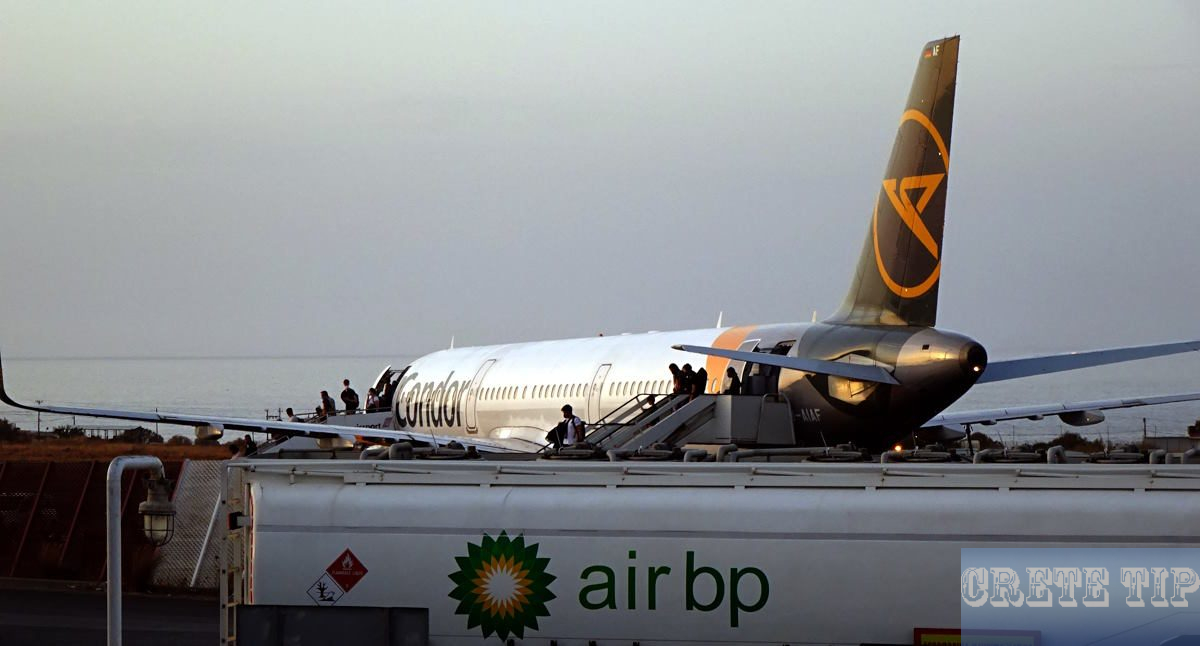
One of the most encouraging indicators for 2026 is the unusually early start to the tourism season—a trend that has solidified over the past several years.
Spring Bookings Already Strong
* Late March Surge: Major Greek destinations are already recording increased visitor arrivals
* Airline Expansion: Airlines are adding more direct routes, particularly from Central and Northern Europe
* Hotel Reopenings: Seasonal hotels are opening weeks earlier than their traditional schedules
* City Break Demand: Short-stay tourism (city breaks) is driving early-season bookings
What This Means for the Season
The earlier kickoff isn’t just good news for March and April—it signals that travelers are planning longer stays and spreading their visits throughout more of the year. This addresses one of the tourism industry’s long-standing challenges: the over-concentration of visitors during the high summer months.
The Strategic Shift: From Summer-Centric to Year-Round Tourism

Industry professionals have identified 2026 as a pivotal year in Greece’s tourism evolution. The goal is no longer simply to replicate 2025’s record revenues, but to fundamentally restructure how tourism is distributed throughout the year.
Quality Over Quantity
Tourism leaders emphasize that the strategy for 2026 focuses on:
1. Extended Season Duration
Rather than packing all tourism into June, July, and August, the industry is actively promoting:
– Spring city breaks (April-May)
– Extended autumn tourism (September-October)
– Winter cultural tourism (November-February)
2. Product Diversification
Greece is moving beyond traditional beach holidays to offer:
– Cultural and historical tourism
– Adventure and outdoor activities
– Wine and culinary experiences
– Wellness and spa retreats
– Conference and business tourism
3. Destination Enhancement
Popular regions like Crete, the Dodecanese Islands, and Attica are investing in infrastructure to support tourism beyond the peak summer season.
The Residential Tourism Boom
A notable trend emerging for 2026 is the rise of organized travel packages and city breaks during shoulder seasons. Regions that traditionally relied almost exclusively on summer beach tourism are now:
– Opening accommodations year-round
– Developing cultural attractions and experiences
– Creating specialized tourism products for spring and autumn travelers
– Marketing to demographics seeking alternatives to crowded summer beaches
Airline Expansion: Opening New Connections to Greece
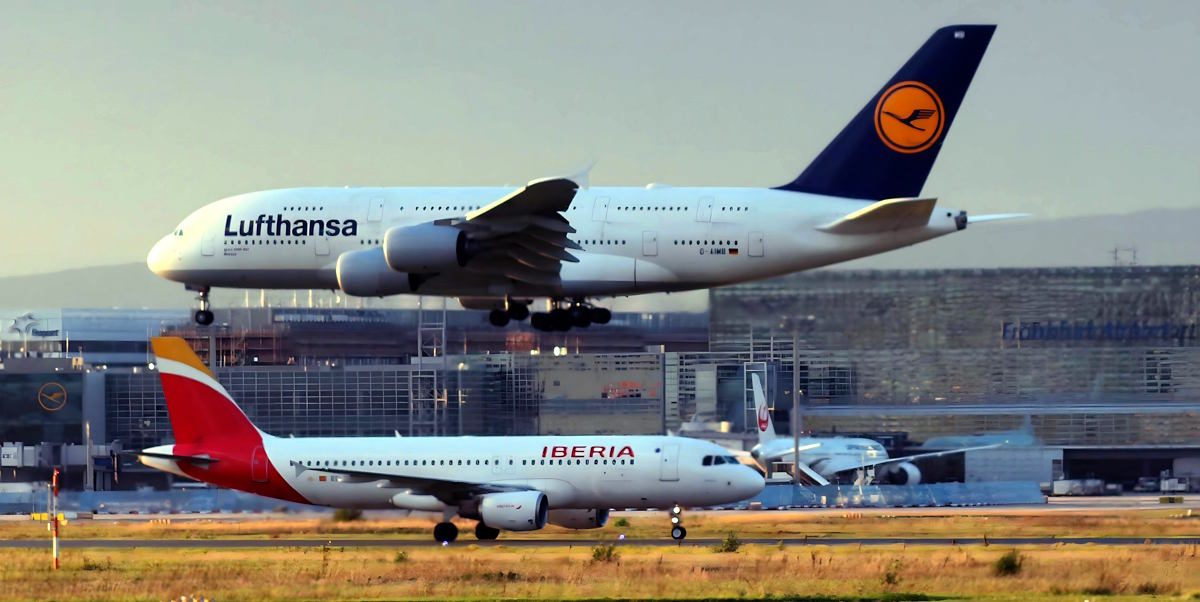
A major catalyst for expected 2026 growth is the substantial increase in **direct flight routes** being added by international carriers.
New Routes and Increased Frequency
Airlines are investing heavily in Greek connections, particularly:
From Central and Northern Europe:
* Direct flights from cities like Berlin, Munich, Frankfurt, and Vienna
* Increased frequency to Athens and Thessaloniki
* New seasonal routes to secondary airports like Crete and Rhodes
From the United States:
* Expanded transatlantic routes to Athens
* Better connection options for American travelers
From Other European Markets:
* Increased capacity on existing routes
* New connections from smaller European cities
* More flexibility for round-trip bookings at competitive prices
This expansion dramatically reduces friction for international travelers and is expected to drive significant visitor increases in 2026.
Industry Outlook: Cautious Optimism Amid Global Uncertainties
Despite the optimistic forecasts, Greece’s tourism industry leaders are taking a measured approach to 2026 expectations.
Acknowledged Challenges
Geopolitical Risks:
* Regional tensions continue to create travel uncertainty
* Security concerns may affect some source markets, particularly the Middle East
* Political developments could impact business travel
Inflationary Pressures:
* Operating costs remain elevated across the hospitality sector
* Wage pressures continue as labor shortages persist
* Energy and transportation costs fluctuate with global markets
Workforce Shortages:
* The most acute challenge facing the tourism industry is the **persistent shortage of skilled labor**
* Seasonal employees remain difficult to recruit, especially in popular island destinations
* Wage competition with other European destinations is intensifying
The Labor Crisis: Greece’s Tourism Achilles’ Heel
While bookings and revenues look promising, industry insiders warn that **personnel shortages** pose the greatest risk to 2026’s success.
The Problem:
* Hotels, restaurants, and tourism services struggle to find qualified staff
* Island destinations (Crete, Rhodes, Santorini) face particularly acute shortages
* Wages in Greece remain lower than in Northern Europe, creating an exodus of workers to better-paying markets
Potential Solutions Being Explored:
* Recruitment from Eastern European countries
* Training programs for young Greeks entering the tourism sector
* Salary increases to compete with other Mediterranean destinations
* Improved working conditions and benefits for seasonal workers
Demographic and Behavioral Shifts Shaping 2026 Tourism
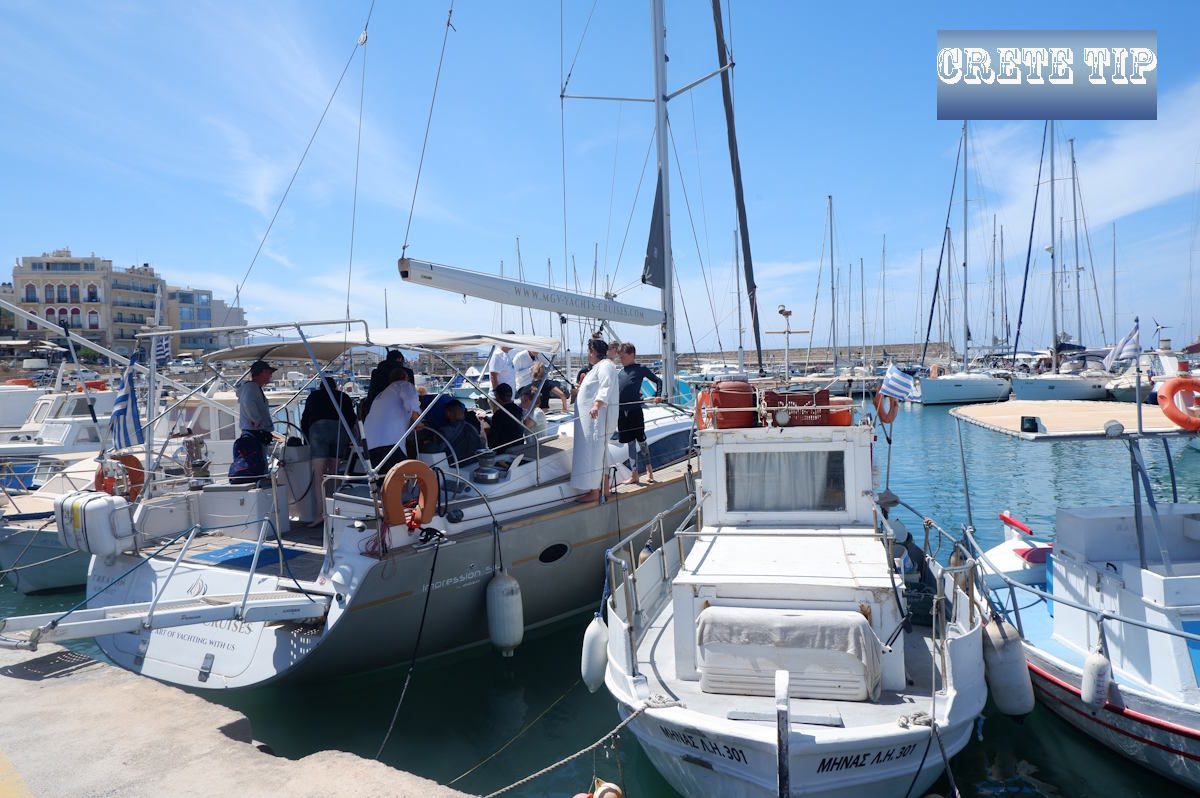
Recent data reveals important changes in how tourists are planning their Greek holidays—changes that will define the 2026 season.
Shorter Stays, Higher Daily Spending
A comprehensive study by INSETE (Greek Tourism Confederation) reveals a fascinating paradox in modern tourism:
The Data:
* Average length of stay has declined by 1.4 days over the past decade
* Daily expenditure per visitor has increased by 20.6%
* Overall per-capita spending shows only marginal growth (declining 1.2%)
What This Means:
Travelers are increasingly opting for shorter, more intensive trips rather than traditional two-week vacations. They’re spending more per day but staying fewer days overall.
The Rise of City Breaks
The traditional Greek beach vacation is being supplanted by a new tourism model:
* City breaks in Athens, Thessaloniki, and other urban centers
* Long-weekend trips combining culture, food, and nightlife
* Organized package tours with curated experiences
* Boutique accommodations rather than large resort hotels
This shift explains why early-season bookings are so strong—city breaks work well in spring and autumn when temperatures are mild and crowds are manageable.
Regional Performance: Which Areas Will Lead in 2026?
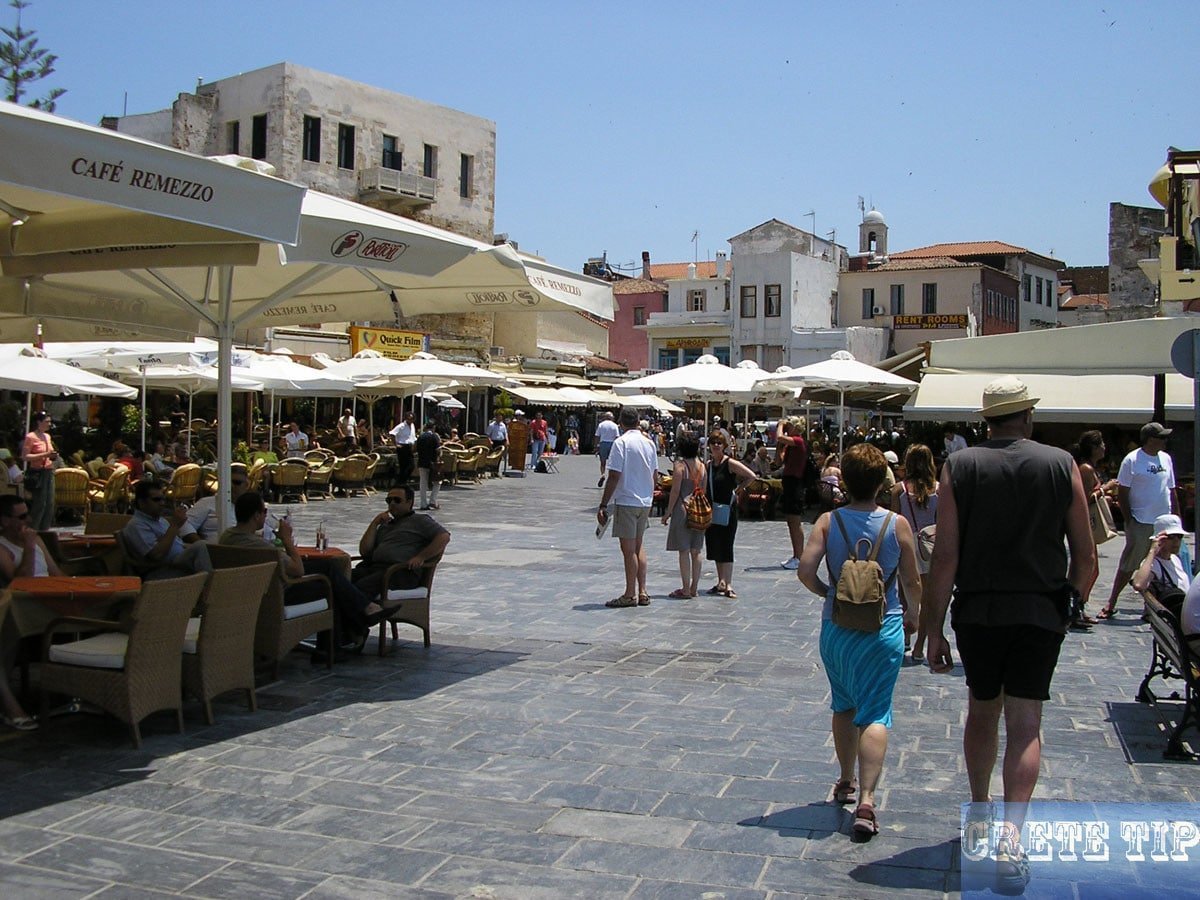
Crete: The Consistent Performer
* Already recording strong shoulder-season demand
* Diversified attractions beyond beaches (culture, history, hiking)
* Expanded accommodation options at all price points
* Expected continued growth in both summer and off-season tourism
The Dodecanese Islands
* Benefiting from increased direct flights
* Strong appeal for spring and autumn visitors
* Mix of beach, cultural, and adventure tourism
* Positioned for significant 2026 growth
Attica (Greater Athens)
* Major beneficiary of city break trend
* Year-round tourism potential
* Business conference and events tourism
* Expected strong performance across all seasons
Secondary Destinations
* Smaller islands and mainland towns seeing increased off-season interest
* Infrastructure improvements enabling better tourism distribution
* Potential for specialization (wine tourism, wellness, adventure sports)
Revenue Projections for 2026
While industry leaders are cautious about making definitive predictions, preliminary estimates suggest:
Conservative Scenario:
* Tourism revenues of €23.5-24 billion
* Modest growth of 2-4% from 2025 levels
* Continued strong performance from Northern Europe and North America
Optimistic Scenario:
* Tourism revenues reaching €24.5-25 billion
* Growth of 5-8% driven by early-season strength and new flight routes
* Expanded market share from USA and UK travelers
* Strong shoulder-season performance offsetting any summer decline
Most Likely Scenario:
* Revenues in the €24-24.5 billion range
* Steady growth building on 2025’s foundation
* Improved seasonal distribution reducing summer overcrowding
* Continued strength in premium and boutique tourism segments
What This Means for Visitors Planning 2026 Travel

Booking Strategically
* Spring (April-May): Excellent prices, pleasant weather, fewer crowds
* Summer (June-August): Peak season, higher prices, crowded attractions
* Autumn (September-October): Strong value, warm sea, manageable crowds
* Winter (November-February): Emerging as viable for city and cultural tourism
Price Expectations
* Expect modest price increases from 2025 levels
* Early bookings (March-April) will offer better value
* Summer peak season will see premium pricing
* Off-season rates remain competitive
Booking Timing
* Book early for summer 2026 travel (January-February)
* Spring and autumn bookings can be made closer to travel dates
* Flexible travelers will benefit from last-minute deals
The Bottom Line: Greece’s Tourism Future Looks Bright
As Greece enters 2026, the industry stands at an inflection point. The record-breaking 2025 season wasn’t a one-time anomaly—it represents the foundation for sustained tourism growth driven by:
* Early-season strength and extended travel seasons
* Strategic airline expansion opening new markets
* Product diversification beyond traditional beach tourism
* Growing appeal of city breaks and shoulder-season travel
* Solid demand from diverse geographic markets
The primary challenge remains human resources. If Greece can address the workforce shortage that continues to constrain service quality, 2026 could exceed even the optimistic projections.
For travelers, Greece in 2026 promises world-class experiences at a range of price points, with improved infrastructure, expanded flight options, and a diverse array of tourism products beyond the traditional summer beach vacation.
The tourism season is starting earlier than ever. The question isn’t whether Greece will have a successful 2026—it’s how much more successful it will be than 2025.
Are you planning a trip to Greece in 2026? Which regions are you considering? Share your travel plans and questions in the comments below!