

Newsflash from Friday, 13 February 2026:
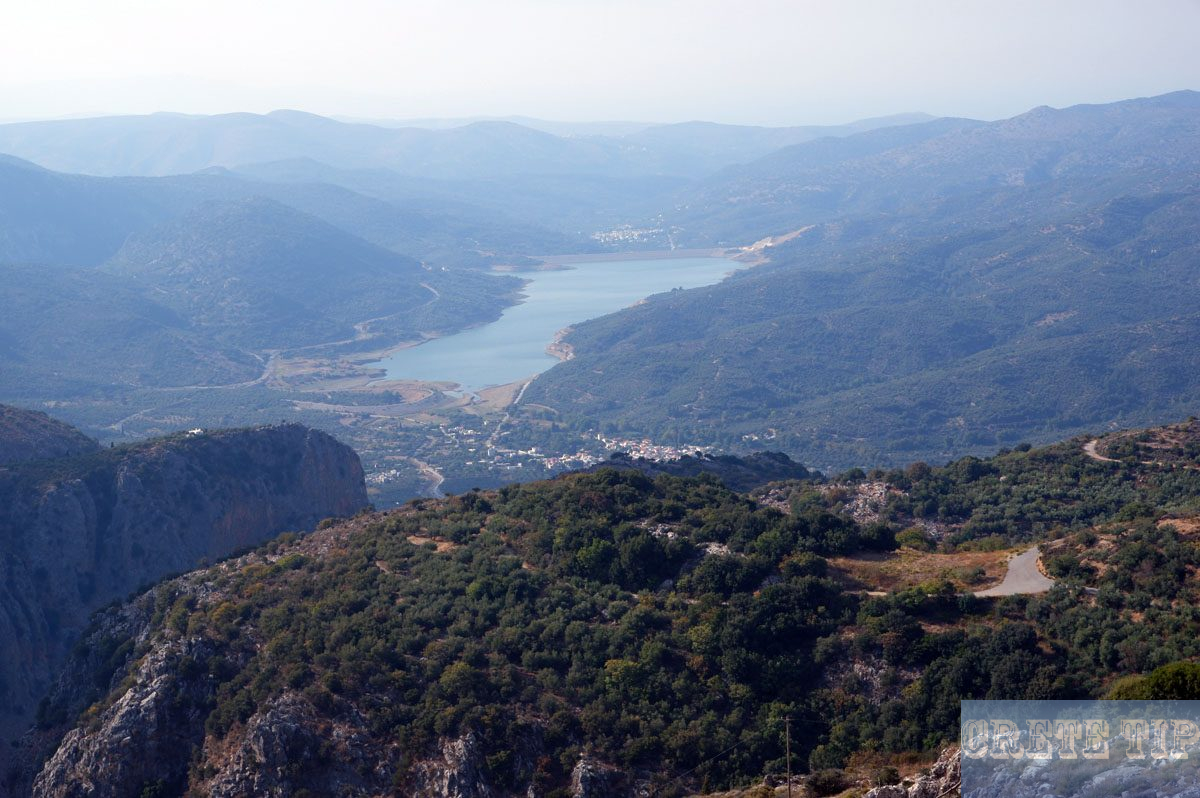
After months of bone-dry landscapes and mounting anxiety over water scarcity, there is finally a glimmer of hope for Crete. The Aposelemis Dam, a critical infrastructure project for the island’s water supply, is finally seeing significant inflows of fresh water following recent heavy rainfall.
For the residents of Heraklion, Agios Nikolaos, and Hersonissos, this isn’t just a weather update—it’s a vital relief for a region that has been teetering on the edge of a water crisis.
From Cracked Earth to Rushing Torrents
Until very recently, the sight at the Aposelemis reservoir was grim. The water level had dropped dangerously close to safety limits, leaving the riverbed exposed and the surrounding basin looking like a desert.
However, dramatic new footage released on Friday by the METEOKRITES group (captured by Giannis Leventis) shows a complete transformation. For the first time in months, water is not just trickling but rushing into the reservoir with the force of a torrent.
Why the Aposelemis Dam Matters
The Aposelemis Dam is the primary “water tower” for three of Crete’s most populous and tourist-heavy municipalities:
* Heraklion: The island’s capital and largest urban center.
* Agios Nikolaos: A major hub for residents and visitors in the east.
* Hersonissos: One of Greece’s most popular tourism destinations.
Years of prolonged drought and low rainfall had left the dam nearly depleted, sparking serious concerns about how these regions would cope with the upcoming high-demand summer season.
Cautious Optimism: Is the Drought Over?
While the sight of rushing water is a cause for celebration, experts are urging “restrained optimism.” According to water management specialists, a few days of heavy rain—no matter how intense—cannot immediately erase the deficit created by years of drought.
The key factor now is duration. For the reservoir to reach sustainable levels, Crete needs steady, prolonged rainfall throughout the remainder of the winter. The goal is to fill the massive “gap” in the water table and ensure the reservoir can provide a reliable buffer for the months ahead.
A Sign of Hope
For now, the sound of rushing water is a welcome change from the silence of a dry reservoir. While it remains to be seen if these rains mark a permanent recovery or just a temporary reprieve, the “thirst” of the last few months is finally starting to be quenched.
As the weather continues to shift, all eyes remain on the Aposelemis basin, hoping that the heavens stay open long enough to secure Crete’s water future.
What do you think? Is this the end of the water shortage for Crete, or do we need to be more careful with how we use our resources? Let us know in the comments!
The Math of Thirst: Why Crete’s Water Crisis is a Battle of Mindset, Not Just Rain

While recent rains have brought a temporary sigh of relief to Crete’s reservoirs, a deeper crisis is simmering beneath the surface. According to Giorgis Marinakis, the Mayor of Rethymno and a vocal advocate for water reform, Crete’s struggle with water scarcity cannot be solved by the clouds alone—or even by new laws.
The real solution lies in fixing crumbling infrastructure and, most importantly, changing a deeply ingrained “culture of waste.”
The Staggering Numbers Behind the Scarcity
To understand the scale of the problem, we have to look at the data. Last year, Crete consumed a staggering 500 million cubic meters of water. However, the breakdown of that usage reveals a shocking disparity:
* 71 million cubic meters went toward drinking water.
* 430 million cubic meters were swallowed up by other uses, primarily irrigation.
This data highlights a critical reality: while we often focus on our taps at home, the vast majority of Crete’s “liquid gold” is being poured into the earth—often through inefficient systems and outdated practices.
“Legislation Doesn’t Solve Thirst”
Mayor Marinakis has been blunt in his assessment of the situation. “Water issues are not solved by legislative decrees,” he stated recently. “They are solved by infrastructure, funding, and the mindset of the citizens, which must change radically.”
The Mayor pointed out that Crete is “very far behind” when it comes to modernizing its water networks. Between aging pipes that leak millions of gallons into the soil and a lack of precise “mapping” for regional needs, the island is fighting a 21st-century climate crisis with 20th-century tools.
The 20% Solution: A Simple Path to Abundance
One of the most eye-opening points made by Marinakis is how close the solution actually is. Because irrigation accounts for such a massive portion of water use, even a small improvement in efficiency would have a transformative effect.
“If we achieve a saving of just 20% in irrigation, we essentially double the available drinking water for the island,” Marinakis noted.
This isn’t just a call for farmers to be more careful; it’s a call for a technological overhaul of how we water our crops, moving away from wasteful flooding and toward precision agriculture.
Regional Challenges and Future Hope
The water crisis doesn’t look the same everywhere. The problems facing Chania are vastly different from those in the drought-stricken region of Ierapetra. This “individual x-ray” of each region is essential for a targeted response.
There is, however, some light at the end of the tunnel for the North. The Potamon Dam project, which has been stalled for years by legal and bureaucratic hurdles, is finally moving forward. It is estimated that in about two and a half years, the dam will finally be ready to supply the northern tourist front of Rethymno, providing a much-needed buffer for both locals and visitors.
A Call for Individual Responsibility
While big infrastructure projects like dams are vital, the message from local leadership is clear: every drop counts. From the way we water our gardens to the way we manage our businesses, a “culture of rational management” is the only way to ensure Crete remains green and habitable in the face of a changing climate.
As the island moves forward, the challenge isn’t just finding more water—it’s learning how to stop wasting the water we already have.
Do you think Crete is doing enough to modernize its water systems? Or is the “mindset” of waste too hard to change? Let us know your thoughts in the comments below.



