

Greece’s parliament passed a law on Wednesday toughening penalties for rejected asylum seekers and speeding up returns to their home countries.
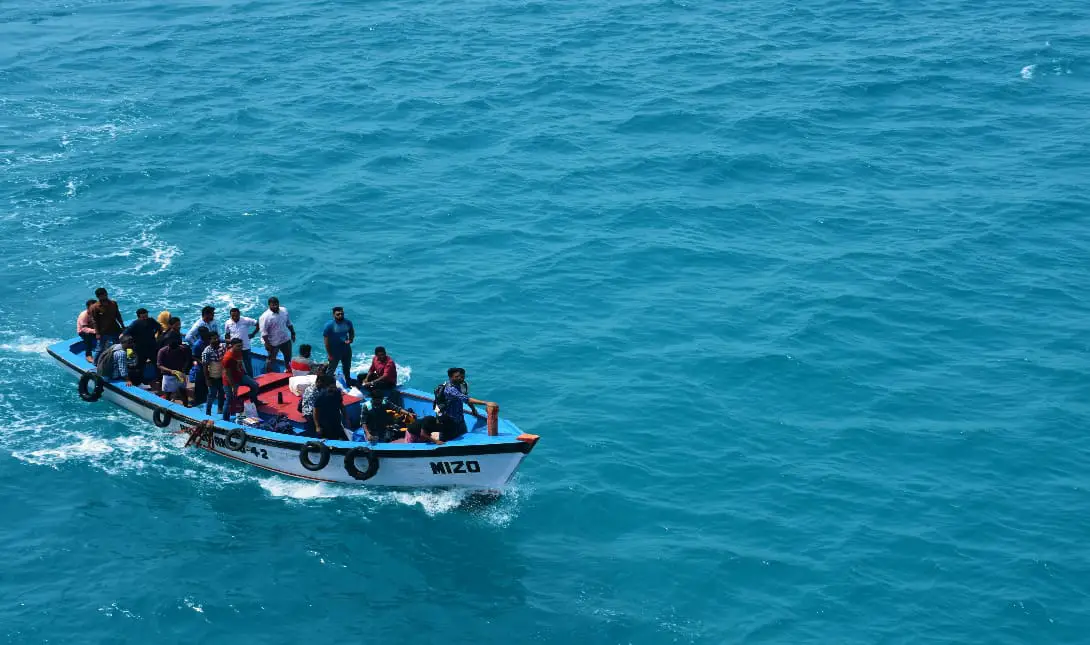
Crete’s been dealing with a surge in migration flows lately. The focus has shifted toward managing these movements more efficiently, with permanent facilities on the horizon to help control arrivals.
Authorities still rely on temporary measures as they scramble to limit the routes migrants use to reach the island.
Recent efforts have led to fewer irregular arrivals. Policy tweaks aim to manage the flows, keeping legal frameworks in mind and working with other countries.
The situation is still under close watch, part of bigger regional and national plans.
Key Takeaways
- Authorities are actively restricting migration routes to Crete, but haven’t stopped them entirely.
- Temporary housing is in use while permanent structures are being planned.
- The number of irregular migrant arrivals has dropped a lot.
Plevris: “Aim to Reduce Flows to Crete, but Total Elimination Not Yet Possible”

Plevris said the authorities are working hard to limit the migration route toward Crete. Stopping these flows completely isn’t realistic right now, but they’re pushing to reduce them as much as possible.
A recently passed law backs up these efforts, aiming to control and manage arrivals more effectively. Plevris admitted it’s a tricky balance—control is crucial, but wiping out the migration corridor overnight just isn’t happening.
Key points:
- Goal: Restrict migration routes to Crete
- Challenge: Full elimination isn’t on the table yet
- Support: New legislation is in place to help cut down the flows
The government’s working with local officials to set up temporary housing facilities in key spots. Right now, they’ve picked places in Chania and Rethymno, but they’re still hunting for a suitable location in Heraklion.
These sites should help manage migrant arrivals a bit better. Under new laws, illegal entry won’t lead to legalisation, no matter how long someone stays.
Anyone without asylum eligibility is expected to return, not stick around and create extra pressure. Authorities say only a small number of migrants in open centres cause trouble—damaging property or misusing the freedom they’re given.
So far this year, about 27,000 migrants have arrived, with roughly half landing in Crete. A migration route to the island has been identified, and authorities are trying to limit it, though they admit they can’t shut it down completely just yet.
September and October are expected to bring more arrivals. Criminal networks tend to sidestep official reception centres, rushing migrants inland to dodge controls.
This makes it even tougher for authorities to keep tabs on migration. New laws are meant to make it easier to send third-country nationals back if they don’t qualify to stay.
Most people support stricter, faster immigration policies. Parliament has passed laws that tighten asylum processes and beef up deportation mechanisms to deal with irregular migration.
Key Points | Details |
|---|---|
Temporary Sites | Chania, Rethymno, searching for Heraklion |
Illegal Entry Policy | No legalisation for unauthorised entries |
Migrant Numbers in Crete | 27,000 total arrivals this year, 12,000 in Crete |
Migration Routes | Active corridor to Crete to be restricted |
Timing of Migrant Flows | Increased flows expected during September and October |
Criminal Networks’ Strategy | Avoid centres, move migrants inland quickly |
Public Opinion | Strong support for stricter and more effective policies |
Legislative Action | New laws passed for tougher asylum and return processes |
Authorities keep trying to balance humanitarian needs with keeping order. They say it’s important to help those who really need it, but not let the system be abused.
Setting up temporary facilities is just one piece of a bigger plan to control migration at the entry points. Working with local governments matters a lot here, as does staying alert to smuggling networks trying to exploit the situation.
The goal’s pretty clear: manage migration flows responsibly, keep communities stable, and treat migrants fairly—even if it’s easier said than done.
Migrant Arrivals to Crete Drop by 80% – Right to Legalise After Seven Years Removed

Migrant arrivals in Crete have plummeted—down by roughly 80%. The drop kicked in after the government paused asylum applications back in July 2025.
They clearly wanted to ease the pressure on the island. Crete had been dealing with high numbers of arrivals, mostly from Libya.
Before these new rules, authorities recorded about 10,000 illegal entries in just the first half of 2025. From July 1st to 9th alone, 2,642 migrants crossed into Crete unlawfully.
After asylum rights got suspended on July 10th, only 913 migrants arrived for the rest of that month. Fewer than 500 showed up in the first 27 days of August.
In August, arrivals for the whole month barely matched a single day’s numbers from early July. The government’s suspension of asylum claims, plus some serious diplomatic wrangling with neighboring countries, seem to have played a big part in this.
When it comes to migrant returns, officials have sent back more than 800 people, either voluntarily or by force, since these rules kicked in. Another 250 are set to return.
They’ve even lined up flights for these deportations. Pakistan, Bangladesh, and Egypt are on the list for early September.
Key Figures | Before 10 July 2025 | After 10 July 2025 |
|---|---|---|
Illegal entries to Crete | 2,642 (9 days) | 913 (remainder of July) < 500 (August) |
Migrant returns (voluntary and forced) | N/A | Over 808 (till mid-August) +250 planned |
Planned deportation flights | N/A | 5 flights in early September |
The government scrapped the right for migrants to get legal status after seven years in the country. That’s a big shift for long-term undocumented folks hoping to regularize their stay.
This law reform is supposed to tighten migration controls and help manage the flow. Whether it’ll work as intended? That’s still up for debate.
Parliament has been buzzing about these migration reforms. Crete keeps coming up, probably because it sits right on the main migratory routes and feels the impact first.
If you want the nitty-gritty on numbers or just the latest official updates, you’ll find fresh stats and decisions in government reports and migrant return figures.



