

Newsflash from Saturday, 11 April 2026:
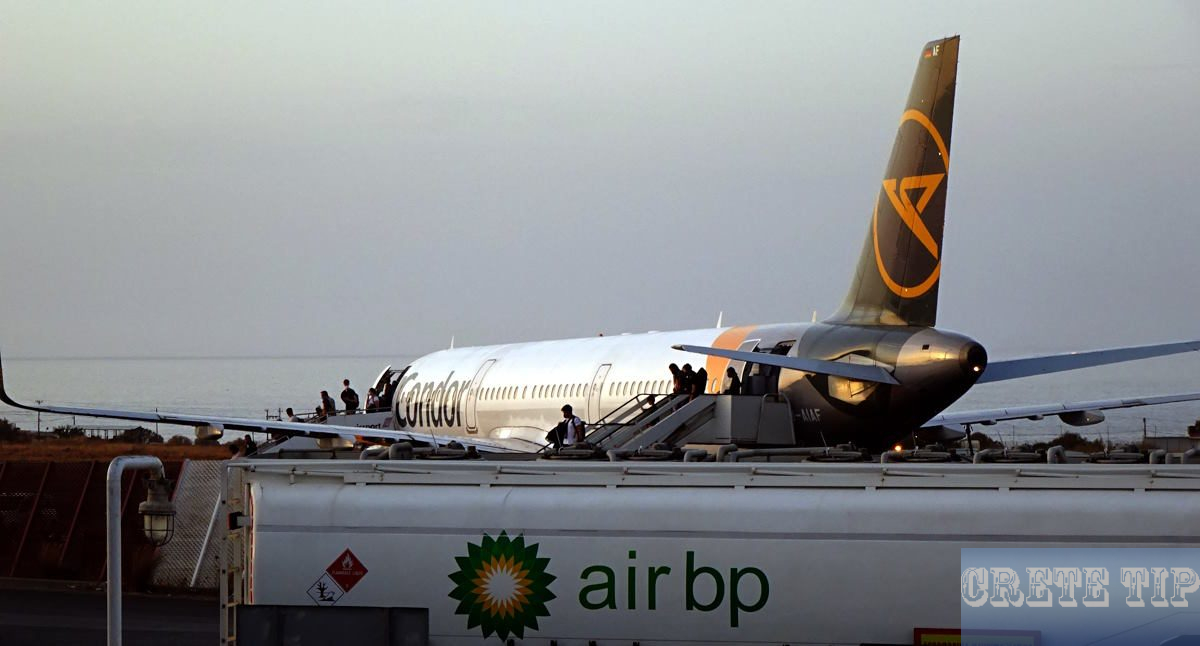
The European aviation industry is sounding the alarm over a potential jet fuel crisis that could disrupt air travel across the continent in less than a month. Airports Council International Europe (ACI Europe) has issued an urgent warning, stating that geopolitical instability and supply chain vulnerabilities could lead to a widespread fuel shortage within the next three weeks.
In a formal letter addressed to the European Commission, ACI Europe called for immediate intervention to prevent a collapse in transport and a significant blow to the European economy.
A Perfect Storm: Geopolitical Tension and High Costs
The warning comes at a time of heightened volatility. The ongoing instability in the Middle East has created significant uncertainty regarding supply routes and production. This pressure is already being felt at the pump—or rather, the tarmac.
Jet fuel prices have skyrocketed, currently fluctuating between $150 and $200 per barrel. For airlines, this is a critical hit to their bottom line, as fuel typically accounts for up to 25% of total operating costs. If supplies tighten further, these costs could lead to canceled flights or significantly higher ticket prices for consumers.
Lack of Transparency in EU Reserves
One of the primary concerns raised by ACI Europe Director General, Olivier Jankovec, is the lack of a unified overview of fuel stocks across the European Union. Currently, there is no centralized data regarding availability and reserves, making it nearly impossible for the industry to respond proactively to localized shortages.
Furthermore, new EU regulatory frameworks regarding methane emissions are reportedly complicating the situation. According to industry experts, these regulations are already discouraging non-EU suppliers from entering into supply contracts for the upcoming summer season, further tightening the market.
What the Aviation Industry is Demanding
To mitigate the risk of a total shutdown, ACI Europe has outlined several urgent requests for the European Commission:
* Stock Mapping: An immediate EU-wide assessment of fuel demand versus current reserves.
* Alternative Sourcing: Identifying and securing new supply chains to bypass geopolitical bottlenecks.
* Strategic Reserve Audits: A thorough review of commercial and strategic fuel stocks.
* Import Flexibility: A temporary lifting of restrictions on fuel imports to ensure the market remains liquid.
What This Means for Travelers
While no mass cancellations have been announced yet, the three-week window provided by ACI Europe suggests that the situation is critical. If the European Commission does not act swiftly to stabilize the supply chain, travelers could face delays, reduced flight frequencies, and a sharp increase in travel costs as we head toward the busy summer months.
The industry is now waiting for a response from Brussels, hoping that diplomatic and regulatory adjustments can be made before the tanks run dry.



