

Newsflash from Tuesday, 29 September 2026:
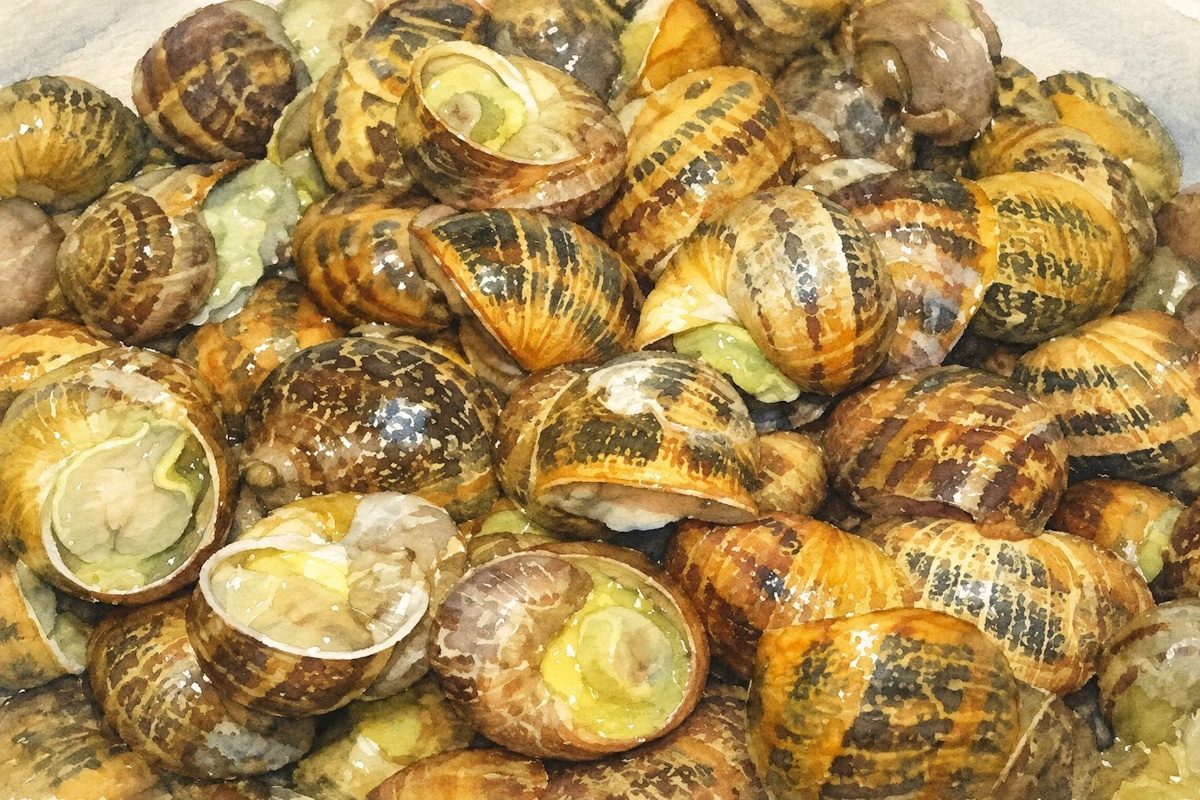
Foraging for wild snails, known locally as chochlioi (hoh-LYEE), is a deep-rooted culinary tradition in Crete. However, heading out into the countryside to gather them right now is strictly against the law and comes with severe financial penalties.
Greek law explicitly bans the harvesting, transport, and commercial trade of wild edible snails from July 1 to January 31. Anyone caught breaking this regulation faces fines that can climb up to €5,000.
Why Is Snail Collecting Banned Right Now?
The restriction exists to safeguard natural snail populations during their most vulnerable period. The months between July and the end of January represent critical stages for the creatures’ survival.
During the hot summer months, wild snails enter dormancy. Once the first autumn rains arrive, their active breeding cycle begins.
According to Kostas Fotakis, head of the Agricultural Development Directorate in Heraklion (Irakleio, the administrative capital of central Crete), collection is legally permitted only from February 1 through June 30.
Fotakis emphasized on local broadcaster Radio Crete that environmental protection is paramount, warning that if extensive gathering is detected in a particular area, the competent government minister has the power to intervene directly.
What the Legislation Says
The rules protecting wild snail populations are not new. They date back to Presidential Decree 67/1981, which protects Greek flora and wild fauna.
The ban applies specifically to edible wild snail species, including those of the HELIX and EOBANIA varieties. Gathering or selling these protected wild species during the closed season is deemed illegal under the decree.
Meanwhile, commercial snail farming is separate but strictly controlled. Establishing and operating a snail farm requires special licensing governed by Law 3698/2008 for livestock operations.
Who Enforces the Ban?
Enforcement responsibilities are divided between different public authorities.
Monitoring the countryside and prosecuting illegal foraging in rural areas falls under the jurisdiction of the forestry services. On the other hand, inspecting produce vendors and curbing illegal snail sales at open-air street markets (laikes agores) is handled by market control authorities.
What does this mean for visitors?
If you are exploring the Cretan countryside or living locally, keep these practical points in mind:
- Do not forage in the wild: If you are hiking or walking in rural Crete between July 1 and January 31, do not collect snails, even for a personal home-cooked meal.
- Beware of heavy fines: Penalties start at smaller sums but scale up to €5,000 depending on the severity of the offense.
- Be cautious at local markets: Street market vendors selling wild snails during this time of year are violating commerce regulations.
- Order responsibly at tavernas: You can still taste authentic snail dishes at Cretan restaurants, provided they source their products legally from licensed commercial snail farms rather than illegal wild harvesting.
Source: Zarpa News



