Heraklion is fighting for water survival. As the Aposelemi Dam approaches critical depletion and water shortages threaten the island’s largest city, municipal leaders have unveiled an ambitious three-phase plan designed to secure the region’s water future. The strategy spans immediate emergency measures, medium-term infrastructure overhauls, and long-term solutions—but success depends on speed and political support.
The Crisis Point: When a Dam Runs Dry
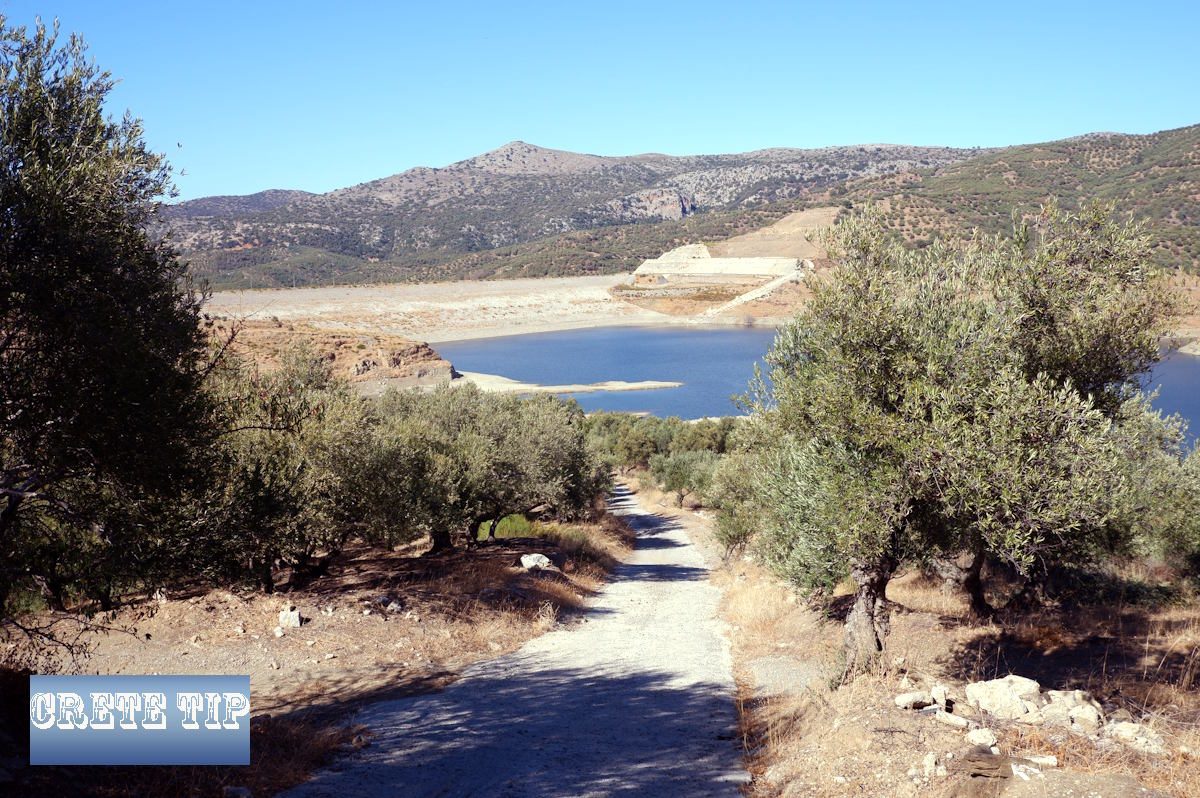
The situation has become dire. The Aposelemi Dam, which supplies much of Heraklion’s water, now sits at a critical threshold—dangerously close to complete depletion. This isn’t a distant threat; it’s an imminent emergency that demands action within months, not years.
Heraklion Mayor Alexis Kalokaerinos has described the situation bluntly: “A new reality is taking shape, driven by climate change.” Extreme weather patterns, prolonged drought cycles, and unprecedented heat are creating conditions that the city’s aging water infrastructure was never designed to handle.
Phase One: Emergency Measures (The Next 5 Months)
When a crisis hits, you don’t wait for perfect solutions—you implement what works immediately. Heraklion’s first-phase strategy focuses on rapid deployment of temporary infrastructure that can provide breathing room while longer-term solutions are developed.
Two New Boreholes
The city is immediately drilling two new boreholes to tap into underground aquifers that haven’t been accessed through traditional supply routes. These wells are designed to diversify the water supply and reduce dependency on the dangerously depleted Aposelemi Dam.
Timeline: Can be operational within months
Temporary Desalination Units
Perhaps the most innovative immediate solution involves installing temporary desalination facilities at Nea Alicarnassus—a strategic coastal location that can process seawater into fresh drinking water.
How it works:
* Desalinated water will be transported via pipeline to the Dio Aorakia distribution hub
* The facility is designed to produce 4,000 cubic meters of fresh water daily
* This emergency desalination plant can be operational in approximately five months
* It serves as a safety net—a backup system that can prevent complete supply failure if the existing system collapses
Why this matters: This isn’t a permanent solution, but it’s insurance. If Heraklion’s primary water system fails catastrophically, the temporary desalination facility could prevent a humanitarian emergency while permanent fixes are implemented.
Phase Two: Medium-Term Infrastructure Replacement (6-24 Months)
While temporary measures buy time, the city’s water future depends on addressing the root causes of the crisis: crumbling infrastructure and inefficient distribution systems.
The Aging Aqueduct Problem
Two massive external aqueducts carry water to Heraklion from distant sources:
* The Malia water field aqueduct
* The Tylissos field aqueduct
These critical pipes were constructed decades ago and have deteriorated significantly. The problem is catastrophic: they’re leaking enormous quantities of water before it ever reaches residents.
The solution: Complete replacement of both aqueducts with modern, efficient pipeline systems. This single intervention could recover massive quantities of water currently lost to leakage.
Why replacement is essential: Patching aged infrastructure doesn’t solve the underlying problem. The entire system must be rebuilt to modern standards to stop the hemorrhaging of precious water resources.
Eight New Boreholes (Phase Two)
Beyond the immediate two boreholes, the plan includes drilling eight additional boreholes throughout the region, with three beginning immediately. However, these deeper wells won’t be completed within the first six months—they’re medium-term investments.
Strategic approach: By drilling multiple wells in carefully surveyed locations, the city creates a distributed water supply network that’s more resilient than reliance on a single dam or aqueduct system.
Rerouting Malia Water Through Aposelemi
In a clever hydraulic maneuver, water from the Malia boreholes will be redirected into the Aposelemi Dam rather than feeding directly into existing aqueducts. From there, water will be pumped to the city.
The advantage: This approach:
* Maintains the dam as a strategic storage point
* Maximizes existing infrastructure utilization
* Reduces immediate pressure on aging aqueducts
* Creates redundancy in the system

Phase Three: Long-Term Stability (2-5 Years)

The most ambitious element of the plan involves connecting Heraklion to a completely separate water system: the Almyros network.
The Almyros Solution: Connecting to Neighboring Resources
The Almyros River system, managed by the Malevizio municipality’s water authority (DEUAM), possesses significant fresh water capacity. The plan calls for:
* Connecting Tylissos aqueduct to the Almyros pipeline network
* Accessing 11,000 cubic meters of daily capacity from the Almyros system
* Establishing a regional water sharing agreement between Heraklion, Malevizio, and the Almyros network operators
This represents a fundamental shift: instead of a city struggling in isolation, Heraklion would become part of a larger, more robust regional water system.
The Critical Prerequisite
Here’s where the plan becomes uncompromising: Complete replacement of the Tylissos aqueduct is non-negotiable. As Mayor Kalokaerinos stated emphatically:
“If this doesn’t happen, no other plan can proceed.”
The aged Tylissos pipeline simply cannot handle the demands of connecting to the Almyros system. Attempting to do so without replacement would result in catastrophic leakage and system failure.
This isn’t flexibility—it’s engineering reality.
Climate Change: The New Normal
Mayor Kalokaerinos emphasized a crucial reality that often gets overlooked in discussions of water scarcity: This isn’t a temporary drought. This is the new normal.

The factors driving the crisis are structural, not cyclical:
* Extreme weather events are becoming routine rather than exceptional
* Prolonged dry seasons last longer and arrive more frequently
* Reduced snowfall in mountainous areas eliminates traditional groundwater recharge mechanisms
* Mediterranean climate patterns are shifting toward greater aridity
This means water infrastructure must be resilient and flexible—capable of adapting to increasingly harsh conditions. The old paradigm of “build to meet average demand” no longer works. Modern water systems must handle extreme variability.
The Infrastructure Imperative: Why Speed Matters
Every month of delay increases risk. The Aposelemi Dam inches closer to complete depletion. Summer tourism season approaches. Water-dependent industries and households face genuine uncertainty.
What needs to happen immediately:
1. Authorization and funding for all three phases must be secured from the Greek state and Crete’s regional government
2. Permitting processes must be accelerated—bureaucratic delays could prove fatal to the plan’s timeline
3. Environmental reviews must proceed in parallel with construction, not sequentially
4. Coordination among municipalities, regional authorities, and national agencies must function seamlessly
The Ask: Support From Government and Region
The plan is technically sound and economically viable, but it cannot succeed without external support. Heraklion’s municipal budget cannot alone fund the scale of infrastructure replacement required.
Mayor Kalokaerinos has made the case clear: The State and the Crete Regional Government must treat this as a regional emergency worthy of proportionate resource allocation.
This isn’t a request for endless funding with vague timelines. It’s a specific plan with defined costs, measurable outcomes, and realistic timelines—but it requires political commitment and financial backing.
What This Means for Heraklion Residents
If implemented successfully, this three-phase approach would:
* Stop the immediate crisis through emergency desalination capacity
* Recover massive water quantities by replacing leaking aqueducts
* Build long-term sustainability by connecting to regional water systems
* Adapt to climate reality by creating flexible, resilient infrastructure
* Protect economic stability by ensuring tourism and business operations can continue
If implementation stalls or is delayed, residents face:
* Water rationing becoming permanent
* Quality-of-life deterioration
* Economic consequences as tourism and commerce suffer
* Health risks from reduced water availability
* Potential population migration as residents seek better-served regions
The Bottom Line: A Window of Opportunity
Crete possesses the engineering knowledge, technological capability, and financial resources to solve this crisis. The plan is comprehensive, realistic, and grounded in demonstrated engineering practices.
What remains uncertain is political will.
The decision-makers must act with urgency to authorize funding, accelerate permitting, and mobilize resources. Every month of delay is a month closer to the Aposelemi Dam running completely dry—a point of no return that would transform a manageable crisis into a genuine catastrophe.
The plan exists. The timeline is clear. The costs are identified. What’s needed now is execution.
Heraklion’s water future—and the stability of Crete’s largest city—depends on decisions made in the coming weeks and months.
What can residents do? Support municipal water conservation initiatives, understand the severity of the situation, and advocate for policy-makers to prioritize water infrastructure funding. Conservation at the household level matters, but systemic solutions are what ultimately determine whether Heraklion secures its water future.
The next five months will be critical.
Source: Creta Live