

Newsflash from Friday, 6 February 2026:

The migration route to southern Crete has seen its first arrival in weeks. Early this morning, a group of 42 migrants reached the shores of Arvi, marking the first recorded landing in the region since mid-January.
Details of the Arrival
According to local reports, the group managed to reach the coast of southern Crete “without assistance,” disembarking directly onto the beach. Local authorities were alerted immediately and have launched an operation to process and identify the individuals.
Demographic Breakdown
The group consists entirely of men and includes a significant number of minors. Initial data from the authorities provides the following breakdown:
* Bangladesh: 21 individuals (all adults).
* Egypt: 21 individuals (11 adults and 10 minors).

Current Status
The Hellenic Coast Guard and local police are currently on-site conducting the official registration and identification process. While the migrants are being provided with initial care and assessment, officials have not yet determined where the group will be transferred for longer-term processing.
This latest arrival ends a period of relative calm on the Cretan migration front, which had seen no landings for several weeks following a surge in activity earlier in the winter.
Stay tuned for further updates as this story develops.
Source: Nea Kriti
From the Brink of Death to a New Life: The Remarkable Story of A., a 22-Year-Old Migrant’s Journey of Hope
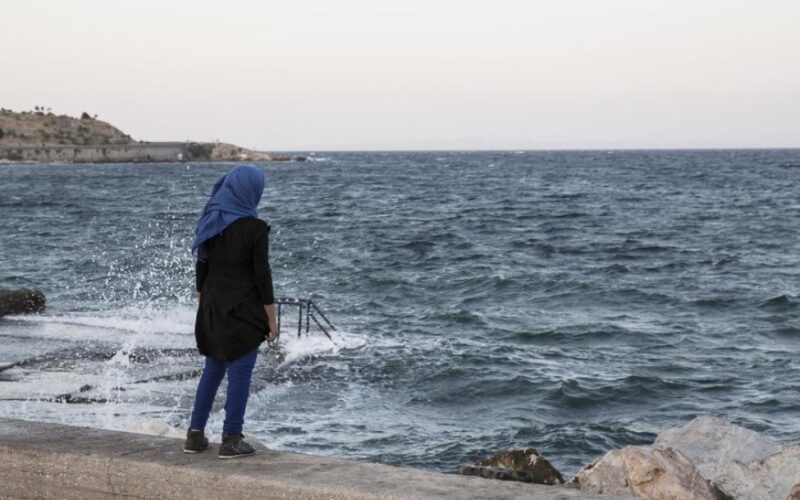
In November, a small boat carrying migrants from Libya capsized off the coast of Crete. Most didn’t survive. Among those who did was a 22-year-old woman named A.—nearly dead when she arrived at the hospital. Today, three months later, she is thriving in her new life, a testament to the power of human compassion and medical excellence.
A Harrowing Journey
A.’s story begins long before her arrival on Crete’s shores. She fled Sudan on foot, enduring unimaginable hardships along the way—sexual violence, beatings, and the devastating loss of a pregnancy resulting from rape. Despite these traumas, she survived.
The perilous boat journey from Libya tested her will to live once more. When the vessel capsized, many of her fellow travelers drowned. A. was pulled from the water nearly lifeless and brought to the University Hospital of Rethymno (PAGNE) by the Greek Coast Guard.
A Medical Crisis
Upon arrival, A. was diagnosed with a severe sickle cell crisis—one of the most critical cases the hospital’s hematology team had ever encountered. Dr. Eleni Papadaki, director of the Hematology Clinic, described the severity of her condition and the comprehensive medical response that followed.
The hospital mobilized resources across multiple departments:
* Hematology Clinic – provided specialized treatment for her sickle cell disease
* Intensive Care Unit (ICU) – managed severe vaso-occlusive and seizure crises
* Pain Management Clinic – addressed her acute suffering
* Blood Bank – coordinated life-saving transfusions with support from the Mediterranean Center at Venizeleio Hospital
More Than Just Medical Care
What made A.’s recovery truly remarkable wasn’t just the clinical expertise—it was the profound human care she received. Dr. Papadaki’s account reveals how staff members went far beyond their duties:
“She was treated like a precious doll. Our nurses washed and combed her hair. Our doctors caressed her while conducting clinical examinations. Through telephone interpretation, we spoke to her in her own language. She held my hand during my visits, kissed me, and I kissed her.”
The hematology team’s patient association even gifted her a tablet—something she had longed for. When she received it, A. experienced a joy she had never known before.
A New Beginning
After more than three months of hospitalization, A. was discharged into a specialized care facility. She left with:
* A red suitcase filled with new clothes
* Her tablet
* Official health insurance documentation (AMKA)
* Asylum status
Most importantly, she left with hope—and the knowledge that she had experienced genuine human tenderness for the first time in her life.
The Transformation
A.’s recovery wasn’t just physical. Those around her reported feeling transformed by her presence. Dr. Papadaki reflected on how the entire healthcare system became more humane through their interactions with her.
“How beautiful people become, how beautiful the system and services become, when we allow our emotions to guide our actions,” Dr. Papadaki wrote.
Today, A. thrives in her new home, speaking often of the love and care she received at PAGNE—the first genuine affection she had ever experienced.
A Beacon of Hope
A.’s story serves as a powerful reminder of what’s possible when healthcare professionals, institutions, and entire communities come together with compassion. In a world often defined by migration crises and human suffering, her journey offers a glimmer of hope—proof that even after the darkest moments, renewal and healing are possible.
Dr. Papadaki concluded her account with touching words: “A., with all my blessings, into your new life! I carry with me a talisman in my own life: your smile and your airy touch.”
A.’s transformation from near-death to new life reminds us all of the healing power of human dignity and compassion.



