

Newsflash from Wednesday, 4 February 2026:
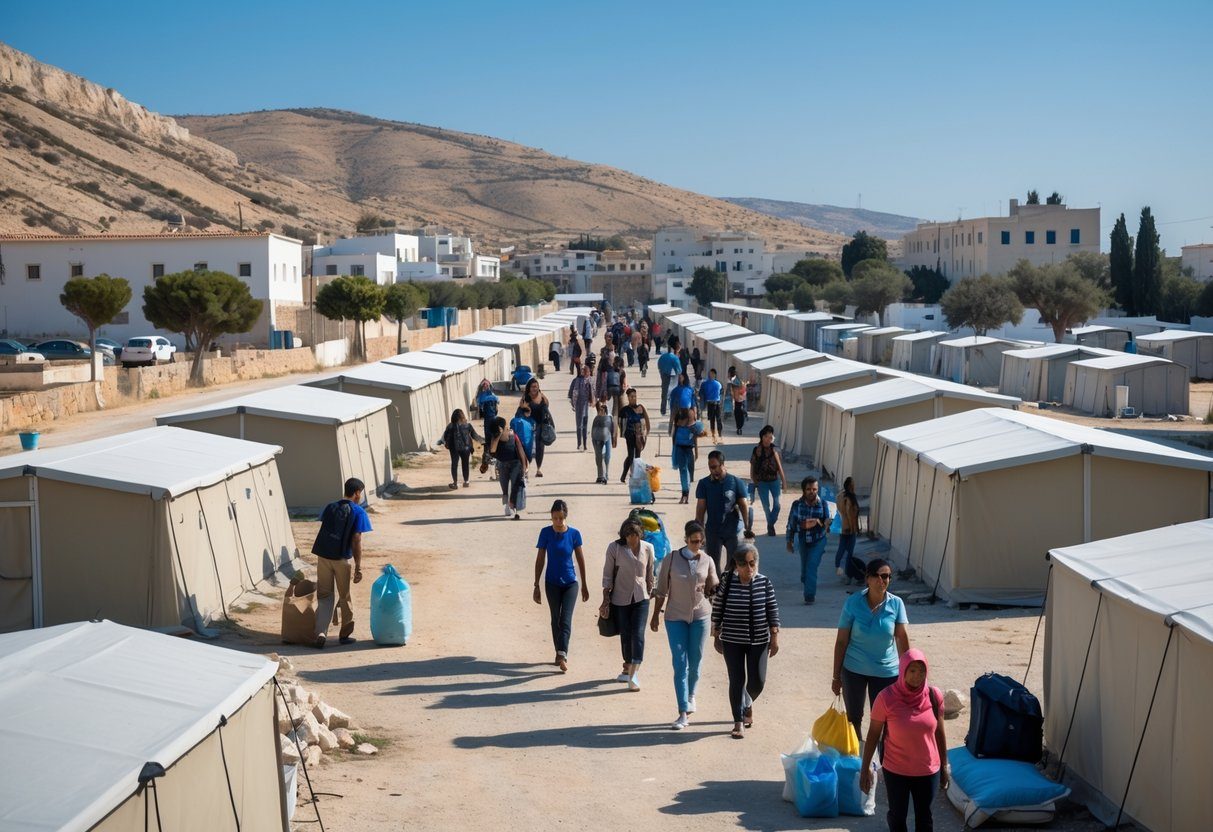
The Greek Ministry of Migration is moving forward with the establishment of two temporary accommodation facilities on the island of Crete to manage the significant increase in migration flows.
According to recent reports and statements from the Ministry, these facilities are designed to provide immediate relief to the island’s infrastructure as Crete becomes a primary entry point for migrants traveling from North Africa.
Strategic Locations: Chania and Heraklion
The two temporary structures will be strategically placed at opposite ends of the island:
* Chania: The facility will be located in the area of Agia.
* Heraklion: Contrary to earlier rumors suggesting an industrial park, the Ministry is now focusing on private land within the Heraklion region. While officials have been more reserved regarding the exact location in Heraklion due to local reactions, the decision to use private property marks a shift in the initial planning.
A Sharp Rise in Migration Numbers
The decision follows a dramatic surge in arrivals over the last two years. The statistics highlight the growing pressure on the island:
* 2024: Approximately 5,000 arrivals.
* 2025: A massive jump to 21,000 arrivals.
Current intelligence from the Hellenic Coast Guard suggests that the trend is unlikely to slow down in 2026. Interrogations of smugglers and migrants indicate that thousands of people remain gathered in warehouses along the Libyan coast, waiting for passage to southern Crete in hopes of reaching mainland Europe.
Legislative Action and Long-Term Plans
Minister Thanos Plevris has signaled that the government is taking legislative steps to expedite these facilities. An amendment specifically for Crete is included in the legal migration bill scheduled for a vote today.
While the current focus is on temporary housing, the government is prepared for long-term shifts. Minister Plevris noted that if migration flows remain at these high levels, the state will move toward creating a permanent facility on the island. Such a project is estimated to take approximately two years to complete.
What This Means for Crete
The establishment of these centers aims to provide a more organized and humane approach to processing arrivals while minimizing the impact on local communities. By moving migrants into designated temporary spaces in Chania and Heraklion, authorities hope to better manage the logistics of health screenings, identification, and further transfers to the mainland.
As the legislative vote approaches today, all eyes will be on the Ministry to see how quickly these “temporary” solutions can be implemented to meet the challenges of the 2026 migration season.
Greece’s Bold New Migration Strategy: Cutting Red Tape and Boosting the Economy
Greece is taking a significant step toward modernizing its migration policy. Today, February 4, 2026, the Greek Parliament’s Plenary session is set to vote on a landmark bill titled “Promotion of Legal Migration Policies.”
This new legislation aims to balance economic growth and social cohesion with strict border security and the rule of law. From “Tech Visas” to faster processing for public works, here is everything you need to know about the upcoming changes.
Streamlining the System: Less Bureaucracy, More Stability
One of the core pillars of the new law is the drastic reduction of administrative hurdles for third-country nationals already residing legally in Greece.
* Automatic Renewals: For “safe” permit categories, such as dependent labor, renewals will now be handled automatically (provided there are no public safety concerns).
* Extended Validity: Every residence permit will now have a minimum duration of **two years**, reducing the constant cycle of paperwork for both the state and the individual.
* Employer Flexibility: The bill simplifies the process of inviting workers from abroad and allows for greater flexibility if a worker needs to change employers.
Attracting Global Talent: Tech and Talent Visas
Greece is looking to position itself as a hub for innovation. To do this, the Ministry of Migration is introducing specialized entry paths:
* Tech & Talent Visas: New categories of national visas designed specifically to attract high-skilled professionals and innovators.
* Blue Card Upgrades: The duration of residence permits for high-skilled workers under the EU Blue Card scheme will be increased.
* Student Support: International students will receive permits covering the entire duration of their studies, including the right to part-time work and the ability to stay in Greece after graduation to seek employment.
The “Crete Amendment”: Rapid Response to Migration Pressures
A critical part of the bill is a specific amendment addressing the recent surge of arrivals on the island of Crete.
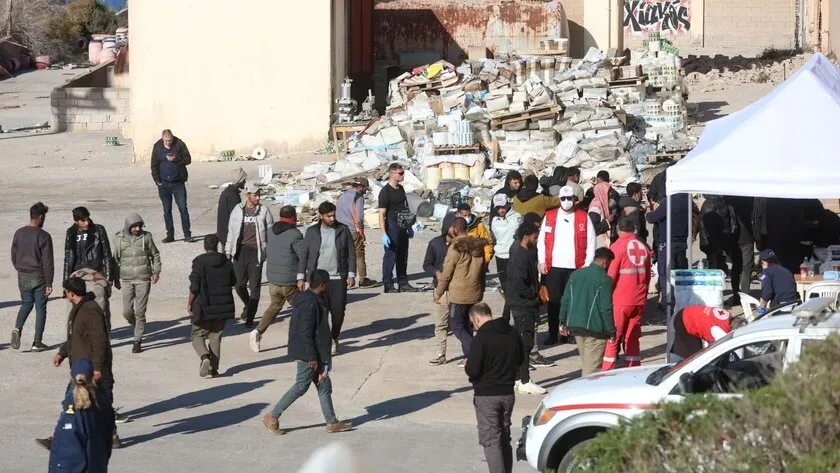
To bypass the lengthy process of issuing Presidential Decrees, the government will now be able to establish temporary reception facilities via a simple Ministerial Decision. Minister Thanos Plevris confirmed that two temporary centers will be set up in Heraklion and Chania.
These sites will serve as initial processing hubs. Those with a “refugee profile” will enter the asylum process, while those who do not qualify will be moved to detention centers for deportation starting in September.
Labor Integration and Public Works
The bill also focuses on filling labor shortages in key sectors like construction, agriculture, and tourism.
* Fast-Track for Strategic Investments: Large-scale public works and strategic investments will benefit from a “fast-track” process for hiring necessary personnel.
* Refugee Training: Instead of relying solely on benefits, the law promotes vocational training for beneficiaries of international protection, helping them integrate into the Greek workforce.
Strict Enforcement Against Illegal Trafficking
While the law opens doors for legal migration, it slams them shut on illegal activity. The new framework introduces severe penalties for migrant smuggling. Notably, legal migrants found to be assisting illegal migration will face the immediate loss of their legal status and residency.
The Bottom Line
This legislative overhaul marks a shift toward a more pragmatic migration model. By rewarding legality, attracting talent, and providing the tools to manage regional pressures in places like Crete, Greece is aiming for a system that serves its national economy while maintaining strict control over its borders.
What do you think about these changes? Will the new Tech Visas be enough to make Greece a top destination for global talent? Let us know in the comments below!



