

Newsflash from Wednesday, 8 April 2026:
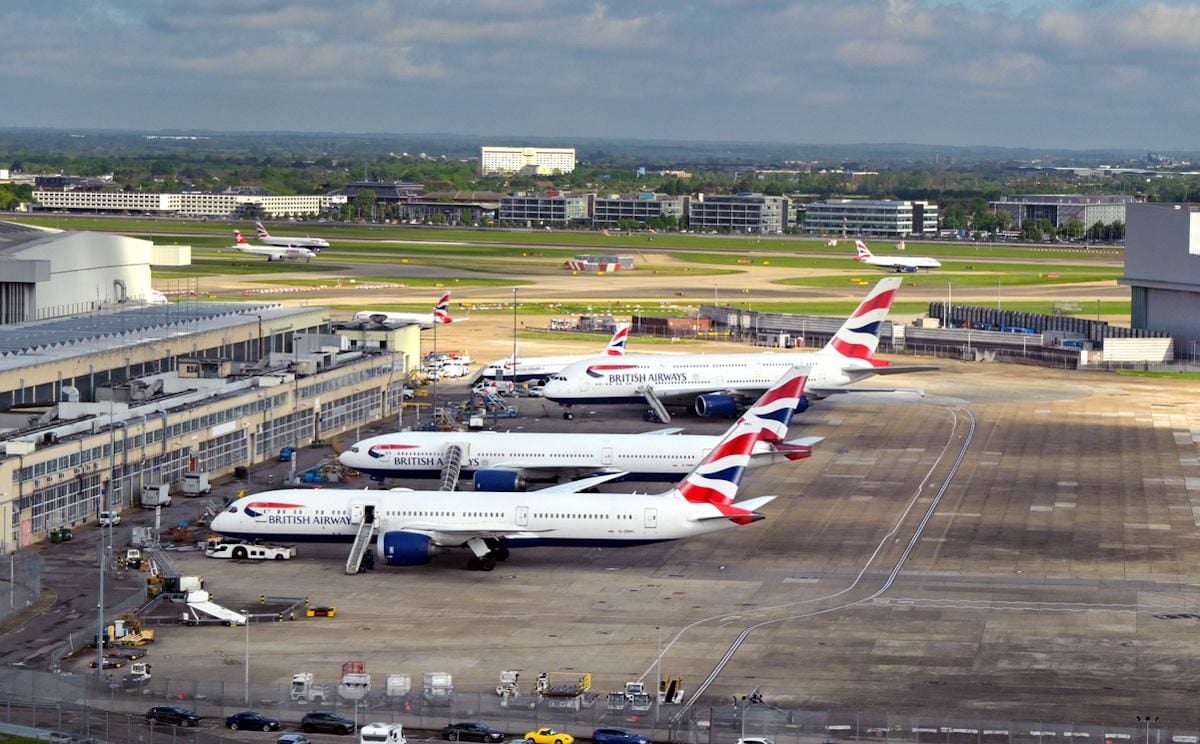
The news of a two-week ceasefire between the United States and Iran has brought a momentary sigh of relief to the global community. However, if you were hoping this diplomatic breakthrough would immediately lower the cost of your next vacation, you might want to keep your credit card tucked away for a bit longer.
According to the International Air Transport Association (IATA), while the ceasefire is a “positive development,” travelers should prepare for high ticket prices to persist for the foreseeable future.
The Crude Reality: Why Prices Stay High
Following President Donald Trump’s announcement of the ceasefire, crude oil prices reacted sharply, tumbling nearly 16% to settle below $100 per barrel. While this sounds like a win, IATA Director General Willie Walsh warns that the “de-escalation” in jet fuel costs will be neither immediate nor complete.
Here is why your flight remains expensive:
* The Lag Effect: Airlines often purchase fuel in advance (hedging). Current ticket prices reflect the record-high fuel costs from the last time.
* Supply Chain Bottlenecks: More than 800 ships remain trapped in the Persian Gulf, hindering the normal flow of energy resources.
* Infrastructure Damage: Industry leaders, including Thai Airways CEO Chai Eamsiri, have noted that damage to energy infrastructure will take significant time to repair.
How Airlines are Reacting
The aviation industry is currently navigating what some CEOs are calling the worst crisis of their careers. The financial pressure has forced several major carriers to take drastic measures:
* AirAsia X: Has already implemented fare hikes of up to 40% alongside higher fuel surcharges.
* United Airlines: Has reduced its overall capacity by approximately 5% to manage costs.
* Air New Zealand: Continues to cut routes and increase prices to offset energy expenses.
Which Regions are Most Affected?
The impact isn’t felt equally across the globe. IATA highlights that Asia remains the most vulnerable region due to its proximity and reliance on these specific energy corridors. Africa and Europe follow closely behind, facing similar risks of fuel shortages and sustained high operating costs.
The Bottom Line
While the two-week ceasefire is a vital step toward restoring oil flows, the aviation industry is a massive machine that doesn’t pivot overnight. Experts like Nazaruddin Bakar of Malaysia Aviation suggest that even if the conflict ends today, it will take months for prices to stabilize.
For travelers, the message is clear: the “new normal” of higher airfares is here to stay through 2026. If you’re planning a trip, booking early and remaining flexible with your destinations may be your best defense against the rising cost of flight.



