

Newsflash from Tuesday, 20 January 2026:
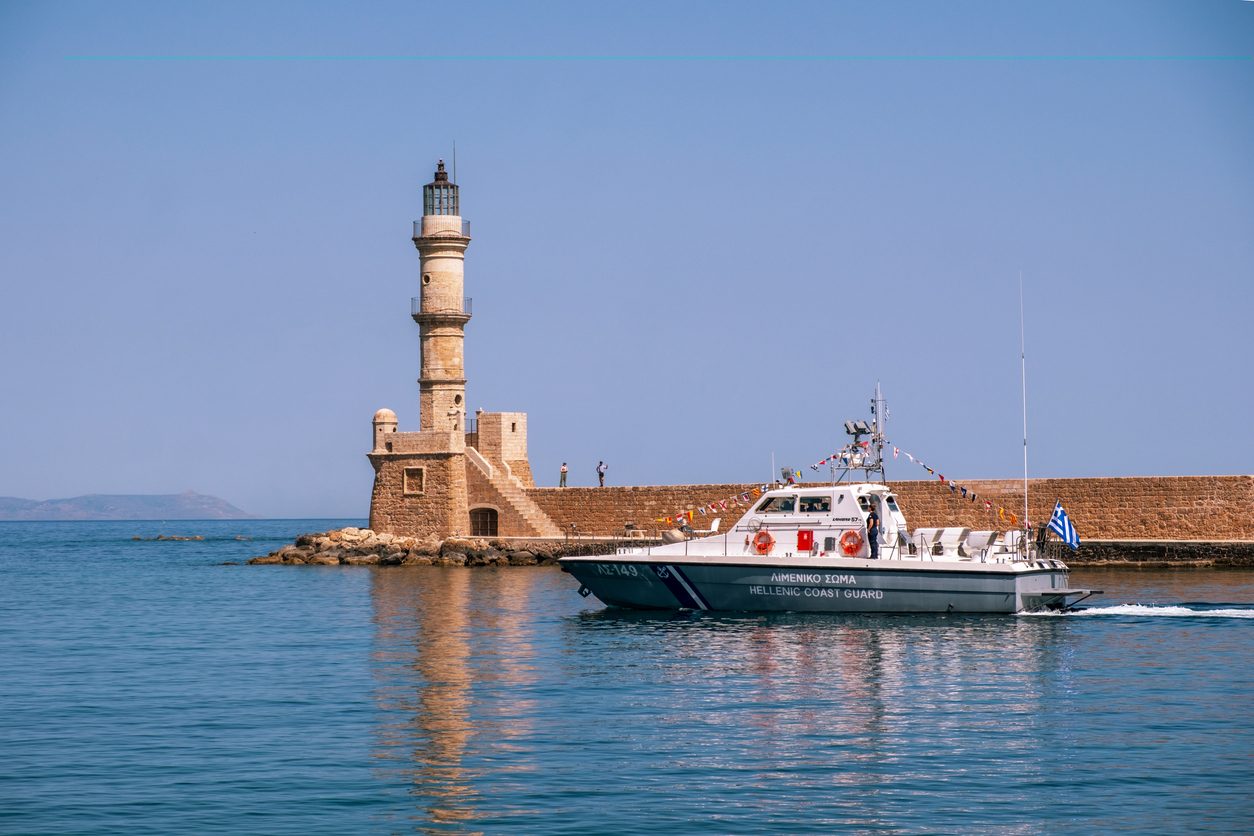
The Hellenic Coast Guard in western Crete has issued a stark warning over what it describes as a critical and dangerous situation in the management of migration flows on the island, calling for immediate and substantial intervention from the state.
In a formal letter addressed to the Minister of Maritime Affairs and Insular Policy, the Minister of Migration and Asylum, senior government officials, and the top leadership of the Coast Guard, the Union of Coast Guard Personnel of Western Crete outlines a reality that is pushing both infrastructure and personnel to their limits.
According to the union, Crete has experienced an unprecedented surge in migration arrivals. During 2025 alone, arrivals reportedly increased by 415%, with nearly 21,000 people reaching the island. This dramatic rise has effectively turned Crete into a frontline region, without the corresponding upgrades in facilities, staffing, or strategic planning needed to manage such pressure.
Understaffed and Overstretched
Coast guard officers describe working under exhausting and unsafe conditions. Many local port authorities are operating well below their intended staffing levels, while personnel are required to perform extended guard duties that exceed reasonable limits of endurance. This understaffing, they warn, increases the risk of incidents, escapes, and violent confrontations, putting officers’ physical safety at risk.
Beyond their core security duties, coast guard personnel report being tasked with responsibilities far outside their mandate. These include preparing and distributing food, administering medication based on hospital instructions without proper medical support, and continuously escorting migrants to hospitals for emergencies and serious illnesses—all without assistance from dedicated healthcare services or other state agencies.
Serious Health and Safety Concerns
The union also raises alarms about public health risks. Many arrivals come from regions with limited healthcare access, and some present with contagious conditions such as skin diseases and infections. The lack of consistent medical supervision, combined with overcrowding, creates what officers describe as a “health time bomb” for both migrants and staff.
Conditions at the temporary holding facility in Agia (Agyia) are described as particularly dire. The site is reportedly uncertified, unsuitable, and unsafe, yet currently houses more than 700 migrants in facilities that fall short of basic standards for hygiene, safety, and humane living. Exposure to cold weather and inadequate infrastructure further exacerbates the risk of disease and unrest.
Delays and Growing Tension
Despite repeated assurances that migrants would be transferred to other facilities within two days, officers say that nearly a month has passed without any transfers. This prolonged overcrowding has significantly heightened tensions, increasing the likelihood of clashes among migrants and confrontations with guards.
Call for Immediate Action
The Coast Guard Union stresses that its appeal is not merely a complaint, but a warning. Without urgent decisions, reinforcement of personnel, proper healthcare support, and certified facilities, the situation in Crete could escalate into serious incidents with consequences for public safety, human health, and social stability.
As migration pressures continue to mount in the Eastern Mediterranean, the message from Crete’s coast guard is clear: managing migration effectively requires not only frontline effort, but decisive institutional support—before the system reaches a breaking point.



