Crete is facing an unprecedented water crisis. After four consecutive years of critically low rainfall, the island’s water reserves are being depleted at an alarming rate, threatening both the quality of life for residents and the economic survival of the region. As summer approaches, scientists and engineers are sounding the alarm and proposing urgent solutions.
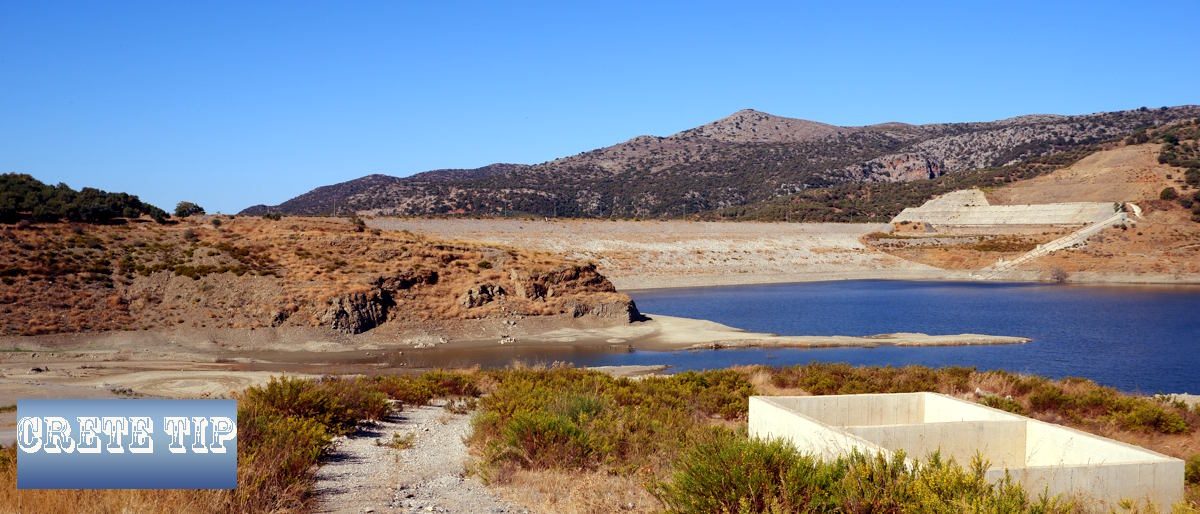
The Perfect Storm: How Crete Ran Dry
The situation didn’t develop overnight. What began as a manageable drought has escalated into a genuine emergency due to a combination of interconnected factors.
The Perfect Conditions for Crisis
After experiencing robust water reserves in 2022—a year when rainfall was abundant—Crete has endured four consecutive years of severely diminished precipitation. Winter after winter has failed to deliver the rains that historically replenished the island’s aquifers.
The compounding factors:
* Minimal Rainfall: Precipitation levels have dropped dramatically compared to historical averages
* No Winter Snow: The protective snowfall that traditionally feeds groundwater sources has virtually disappeared
* Tourism Boom: Increased tourism investment has surged water demand at precisely the moment supplies are dwindling
* Aging Infrastructure: Crumbling water distribution networks lose more than 50% of precious water to leaks
As a result, what was once considered an abundant natural resource has become a luxury many residents fear they cannot afford.
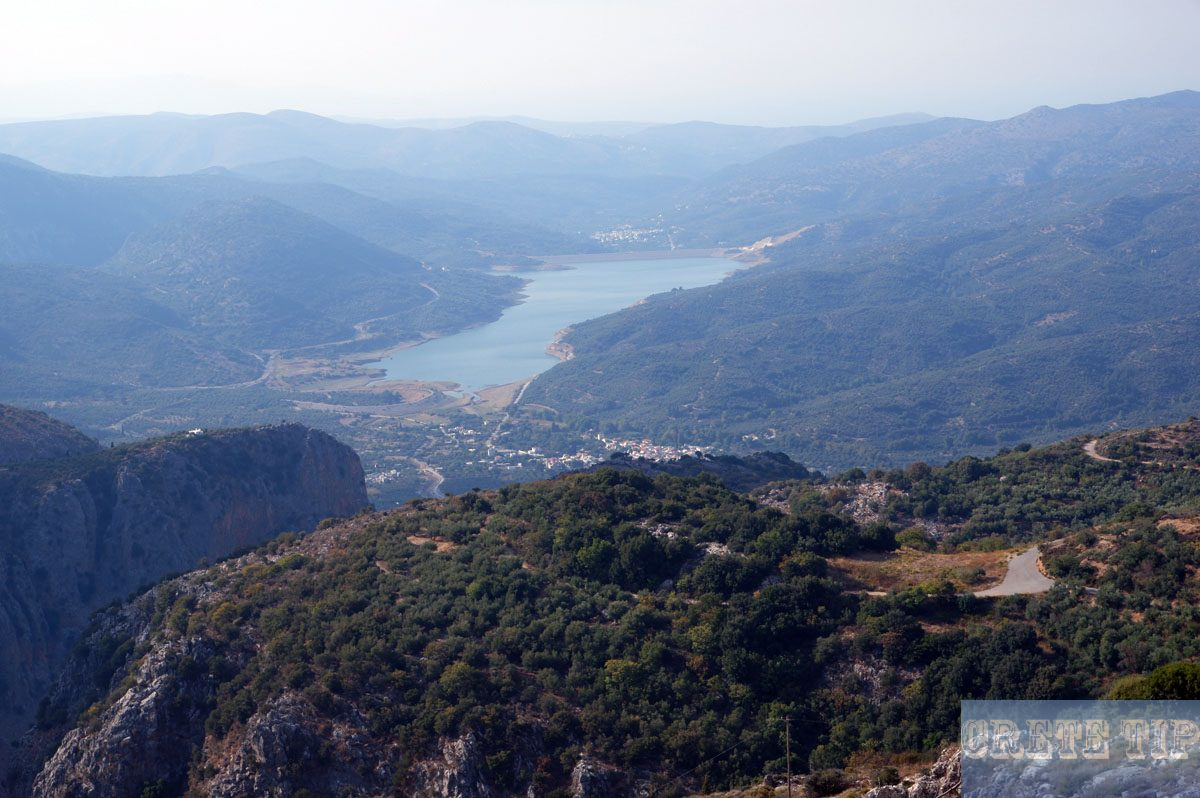
The Human Cost: Daily Life Under Water Rationing
For Crete’s 630,000 residents, the water shortage has become a daily reality that disrupts routines and fuels anxiety about the future.
Households face:
* Intermittent Water Supply: Taps run dry during peak demand hours
* Quality Concerns: Water shortages force compromises on sanitation and hygiene
* Economic Uncertainty: Residents worry about the long-term viability of living on the island
* Health Risks: Reduced water availability complicates medical treatment and emergency response capabilities
The psychological burden of not knowing when water will flow from the tap has become a constant source of stress for island families.
Tourism Under Threat: An Economic Emergency
Tourism is the lifeblood of Crete’s economy—a sector that generates billions of euros annually and supports hundreds of thousands of jobs. The water crisis directly threatens this vital industry.
Hotels, restaurants, beaches, and attractions that depend on reliable water supplies now face potential shutdowns or operational curtailments during peak season. This creates a vicious cycle:
* Tourism revenue declines due to water shortages
* Economic hardship intensifies for island communities
* Investment in water infrastructure becomes even more difficult to fund
The irony is painful: the very sector that could fund solutions to the water crisis is being strangled by the shortage itself.
What Experts Say: The Root Cause Isn’t Scarcity
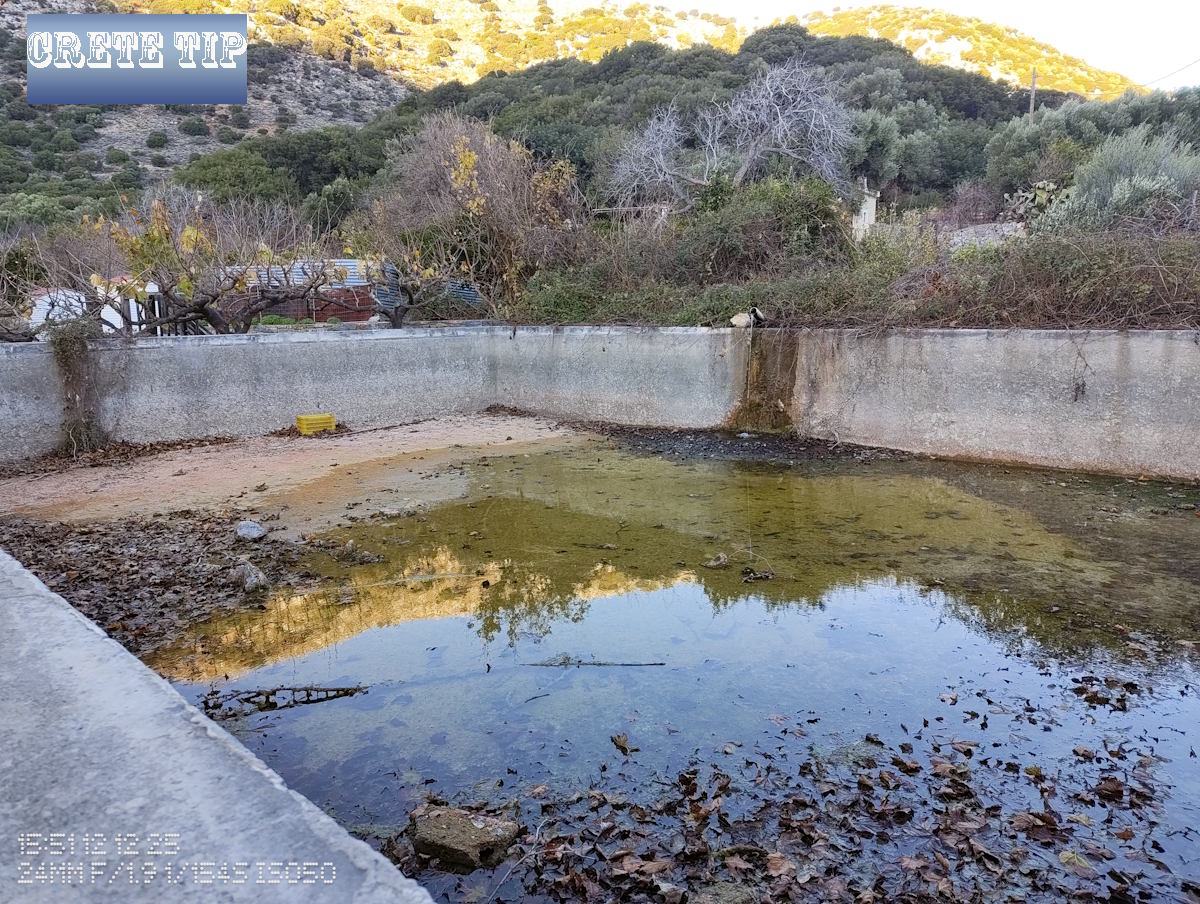
Here’s the critical insight from Crete’s engineering and scientific community: The problem isn’t that Crete lacks water—it’s that the island wastes it.
According to the Geotechnical Chamber of Greece (ΓΕΩΤΕΕ), Crete’s Crete branch:
“The water dynamics of Crete have the capacity to meet all the island’s needs. The problem is not found in the lack of resources, but in waste, in large losses from networks, in the lack of conservation, and in inadequate planning and programming.”
This diagnosis offers both a sobering reality check and a glimmer of hope. The island’s problems are largely self-inflicted through mismanagement—which means they can be fixed with proper planning and execution.
The Immediate Crisis: What Must Happen Before Summer
As temperatures rise and tourism ramps up, engineers have identified urgent interventions that must be completed immediately—ideally before summer arrives.
Priority Action #1: Replace Aging Water Mains
The Malian and Tylissos aqueducts, dating from the 1960s and 1980s respectively, are hemorrhaging water at rates exceeding 50% loss. These aging pipes were never designed to handle modern demand and have deteriorated catastrophically.
The solution: Complete replacement of these critical infrastructure components would immediately recover enormous quantities of water currently lost to leaks.
Priority Action #2: Separate Water Systems
Currently, high-quality drinking water is being diverted for wasteful uses:
* Irrigating water-intensive ornamental lawns (golf courses and landscaping)
* Filling swimming pools
* Maintaining beach facilities

The solution: Implement strict regulatory frameworks that separate drinking water networks from irrigation systems, ensuring potable water reaches homes first.
Priority Action #3: Develop New Water Sources
Targeted geological surveys have identified promising locations where new boreholes could tap into aquifers capable of providing adequate quantity and quality water supplies.
The solution: Authorize and execute the drilling of new wells in pre-surveyed fields that have demonstrated potential.
Medium-Term Strategy: Building Long-Term Resilience

Beyond the immediate crisis measures, Crete’s scientific community proposes medium-term interventions:
Harness the Almyros River
The Almyros River flows through Crete but has largely gone unexploited. Properly managed freshwater extraction from this source could provide significant supplies without environmental damage.
Construct Water Retention Systems
Small dams and retention basins serve dual purposes:
* Water Storage: Capturing seasonal rainfall for dry periods
* Flood Prevention: Protecting communities from extreme weather events
Several Cretan municipalities—including Heraklion, Malevizi, and Chersonissos—have already begun exploring these solutions independently.
The Reality Check: Time Is Running Out
The scientific consensus is clear: Crete possesses the knowledge, technology, and resources to solve this crisis. What the island lacks is time and, more critically, political will to implement solutions quickly.

Delayed decision-making and slow project execution threaten to transform a manageable problem into a catastrophe. With summer approaching and tourism season peaking, every week of delay compounds the risk.
What Must Change
Solving Crete’s water crisis requires:
* Accelerated Permitting: Laws and services must prioritize municipal water authorities (DEUAs) to expedite bureaucratic processes
* Coordinated Action: All stakeholders—government, municipalities, private sector—must work in synchronized harmony
* Transparent Planning: Clear communication about the crisis and proposed solutions reduces public anxiety and builds support
* Adequate Funding: Water infrastructure requires substantial investment that must be allocated and deployed immediately
A Crisis With a Solution—If Action Comes Now
Unlike many environmental challenges that lack clear solutions, Crete’s water crisis is theoretically solvable. The island has the geological resources, engineering expertise, and technological capability to restore water security.
What remains uncertain is whether decision-makers will act with the urgency the moment demands.
As residents turn on their taps and wonder if water will flow, and as tourism operators worry about the summer season, one truth becomes unavoidable: The time for studies and committees has passed. Crete needs implementation, not promises.
The island’s future—both for its residents and its economy—depends on immediate, decisive action in the coming months.
What can residents do? Conservation remains the most powerful tool. Every drop saved at the household level reduces pressure on struggling infrastructure and extends supplies during critical periods.
The crisis is real, but so is the possibility of recovery—if Crete acts now.
Source: Creta Live