

Increase in occupancy and length of stay for short-term rentals in Crete.

Crete as the Leading Choice in 2025
The short-term rental market in Greece has been expanding, with supply jumping 10% over last year. Athens feels pretty stable these days, with occupancy rates holding steady, but Crete? It’s really pulling ahead for 2025, showing bigger gains in several areas.
Crete’s occupancy now tops 65%, nudging up a bit from before. The average daily rate (ADR) shot up 17%, which screams higher demand and a willingness among visitors to pay more.
Tourists seem to crave longer stays in Crete, too. The average stay now hits 6.7 days, and about 60% of bookings stretch for a week or more during peak season.
People have also started booking further in advance—about 66 days ahead, up from 55 days last year. This gives hosts more time to tweak prices and juggle demand.
Looking closer, Chania’s occupancy rate has reached 76%, up by 1%. The ADR there nudged up 4%, reflecting consistent pull, especially in summer.
Rethymno’s occupancy climbed to 70%, a 4% jump from last year. Even more impressive, the ADR in Rethymno spiked 16%, one of the region’s sharpest annual gains.
Location | Occupancy Rate (%) | Change in Occupancy (%) | Average Daily Rate (ADR) Change (%) | Average Length of Stay (Days) |
|---|---|---|---|---|
Crete (Overall) | 65+ | +1 | +17 | 6.7 |
Chania | 76 | +1 | +4 | Not specified |
Rethymno | 70 | +4 | +16 | Not specified |
Crete and Athens are on different tracks when it comes to tourism behaviors. In Athens, folks usually stay for 5.4 days, and 35% of bookings are under four nights—classic city breaks.
Crete’s visitors, on the other hand, stick around longer and plan their trips well ahead. It’s a shift—people want those laid-back, sun-drenched weeks in rural or coastal spots, not just a quick urban escape.
Hosts in Crete see longer stays and higher earnings, thanks to those early bookings. Of course, staying on top of Greece’s rules is non-negotiable—properties need to be registered, and the taxman (AADE) expects every euro reported, whether you’re an individual or running a business.
Platforms like Airbnb still connect travelers to these rentals. But hosts really need to keep an eye on changing laws and market shifts if they want to stay competitive and profitable.
Which Option Leads in the Airbnb vs Hotel Competition in Crete

Short-term rental properties on platforms like Airbnb in Crete usually cost more than hotels. On average, Airbnb listings go for about 13% above the national average, while hotel rates hover around 17% below it.
There was a twist in summer 2025. Hotel prices briefly edged past Airbnb rates from June to August, but Airbnb prices stayed in line with the national average instead of dropping below. In August, Airbnb’s average price hit €260, which was actually less than the €285 seen the year before.
Crete’s short-term rental supply has exploded. By August 2025, there were roughly 32,500 active listings—a 50% leap from the 21,000 back in 2020.
Prices bounced around in 2025. February saw a 4.5% increase, but most months trailed 2024’s numbers. May had the steepest drop: rates fell 20%, landing at €181 instead of €227. January’s dip was milder, at 1.6%.
Occupancy rates mostly held strong through the year, except for a soft patch in May. Demand stayed solid for both Airbnbs and hotels, even with all the price swings.
The push and pull between growing supply and shifting prices makes for a lively market. Airbnb rentals keep their premium, and the sector just keeps growing.
Aspect | Airbnb | Hotels |
|---|---|---|
Price Relative to Avg. | +13% above national average | ~17% below national average |
Peak Season Price (Aug) | Around €260 (2025) | Slightly higher than Airbnb (2025) |
Listings Available | ~32,500 (August 2025) | N/A |
Price Trend 2025 | Mostly lower than 2024; 20% drop in May | Generally stable |
Occupancy Trend | Steady, apart from a May dip | Steady |
So, Airbnb properties in Crete usually fetch higher prices. Still, both Airbnbs and hotels have their place in the local scene, and the fast-growing Airbnb supply is reshaping options for every kind of traveler.
Growth in Occupancy and Length of Stay – Data by Region

In 2025, Crete’s short-term rentals saw both occupancy and average stay length rise. The island’s occupancy reached 65%, a bit higher than last year.
ADR on the island jumped 17%, which suggests guests are ready to pay more for a good spot. Crete’s appeal just keeps growing.
The average stay stretched to 6.7 nights, and about 60% of bookings were a week or more in the busy season. Guests booked earlier, too—an average of 66 days ahead—helping hosts plan and price better.
Regional data shows some interesting differences:
Region | Occupancy Rate | Change in Occupancy | ADR Growth | Notes |
|---|---|---|---|---|
Chania | 76% | +1% | +4% | Stable growth with steady demand |
Rethymno | 70% | +4% | +16% | Strongest price increase on island |
Heraklion | Data incomplete but consistent growth expected based on trends. |
Chania leads the pack with 76% occupancy and keeps climbing. Rethymno’s up 4% in occupancy, and its daily rates surged 16%—pretty striking growth.
Crete’s rental market is clearly shifting toward pricier, longer stays and earlier bookings. Hosts seem to be stepping up to meet what travelers want across the island’s top tourist spots.
Short-Term Rentals Reshape the Tourism Landscape on Crete
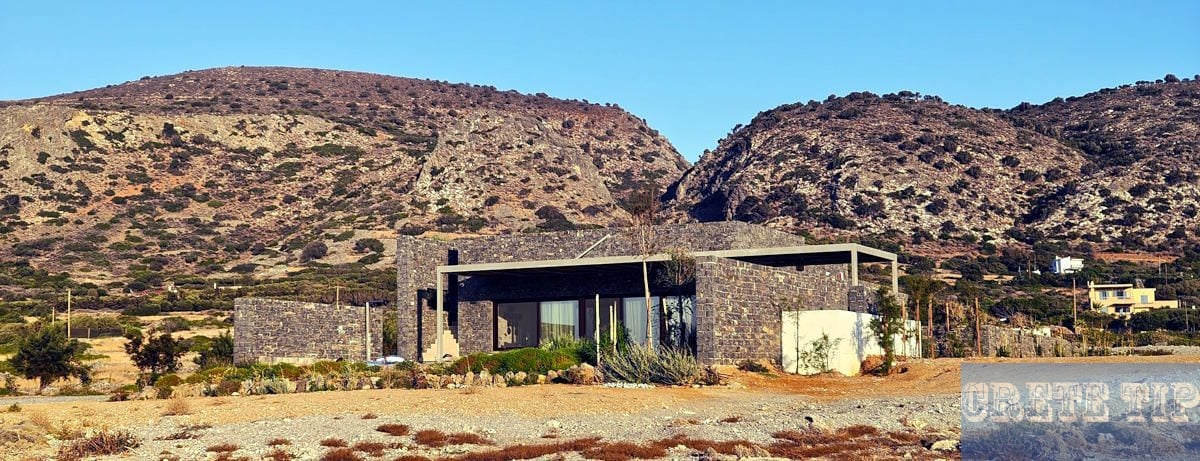
Short-term rentals have become a major force in Crete’s tourism scene. The island’s always been a magnet for travelers, but now this short-stay trend is really taking off.
These rentals aren’t just a summer thing anymore. They help draw people to Crete during quieter months, too, and that’s changing the whole rhythm of local tourism.
The recent Short Stay Conference in Heraklion put a spotlight on this shift. Tourism folks from Greece and abroad gathered to talk about how short-term rentals are shaking up the industry here.
One big move? Local leaders want Heraklion buzzing all year, not just in July and August. By promoting short-term rentals, they’re hoping to attract visitors outside the usual peak times.
That’s supposed to mean more jobs and steady business for locals, even in the off-season. Of course, nothing’s ever that simple.
The flip side is, this boom in rentals puts pressure on housing for people who actually live here. Higher demand can drive up prices, and suddenly, finding a place to live isn’t so easy for residents.
People are talking—how do you keep tourism thriving without squeezing out the locals? It’s a real balancing act, and there aren’t easy answers.
Experts keep saying we need to manage this growth carefully. If Crete wants to stay vibrant, regulations have to protect both visitors and the folks who call the island home.
Key points about short-term rentals in Crete:
Aspect | Impact |
|---|---|
Tourism season | Extension beyond summer peak through flexible rental options |
Local economy | Creation of jobs and increased business activity year-round |
Housing market | Increased demand causing higher prices and potential shortages |
Community wellbeing | Need for regulations to protect residents’ living conditions |



