

Newsflash from Sunday, 28 June 2026:
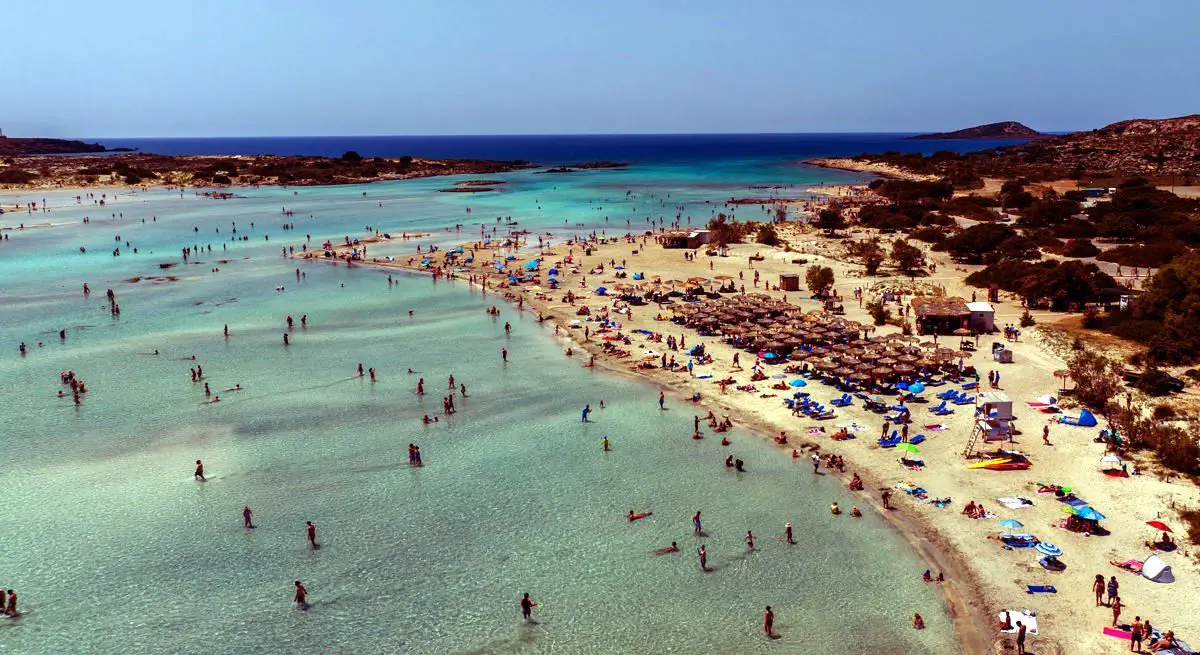
Crete is already feeling the intensity of summer, as Elafonisi in Chania recorded the highest temperature in Greece so far this year, with the mercury climbing to a scorching 37.9°C.
According to data from the Meteo weather network, the popular beach destination topped the nationwide temperature chart on Saturday, June 27, highlighting an early-season heatwave affecting multiple regions across the country.
Elafonisi Leads Nationwide Temperature Rankings
The iconic lagoon of Elafonisi—famous for its pink sand and crystal-clear waters—was the hottest location in Greece during the latest heat surge. The recorded temperature of 37.9°C significantly exceeds the area’s typical June averages and signals a particularly intense start to the summer season.
Other areas also experienced extreme heat, including Agies Gytheiou (37.7°C) and Kilkis (37.6°C), while several locations in the Peloponnese and Western Greece reported temperatures above 37°C.

Above Seasonal Norms
Historically, temperatures in Elafonisi tend to peak around 30°C during the height of summer in August, making this late-June spike notably higher than average (source).
The region’s Mediterranean climate typically features hot, dry summers, but such high temperatures this early in the season raise concerns about prolonged heatwaves and increased wildfire risk.
Heatwave Conditions Across Greece
The surge in temperatures is part of a broader pattern of unusually hot weather affecting much of Greece. Meteorologists warn that similar conditions may persist in the coming weeks, especially across southern regions and islands.
Authorities are urging residents and visitors to take precautions, including staying hydrated, avoiding prolonged sun exposure during peak hours, and following local safety advisories.
What It Means for Visitors
For tourists, the heat may enhance beach conditions but also requires increased awareness. Popular destinations like Elafonisi can become particularly intense during midday hours, and visitors are advised to plan activities during cooler parts of the day.
As climate trends continue to push temperatures higher, early-season heat events like this may become more frequent—reshaping expectations for summer in Crete.
Sources



