
Newsflash from Monday, 20 April 2026:
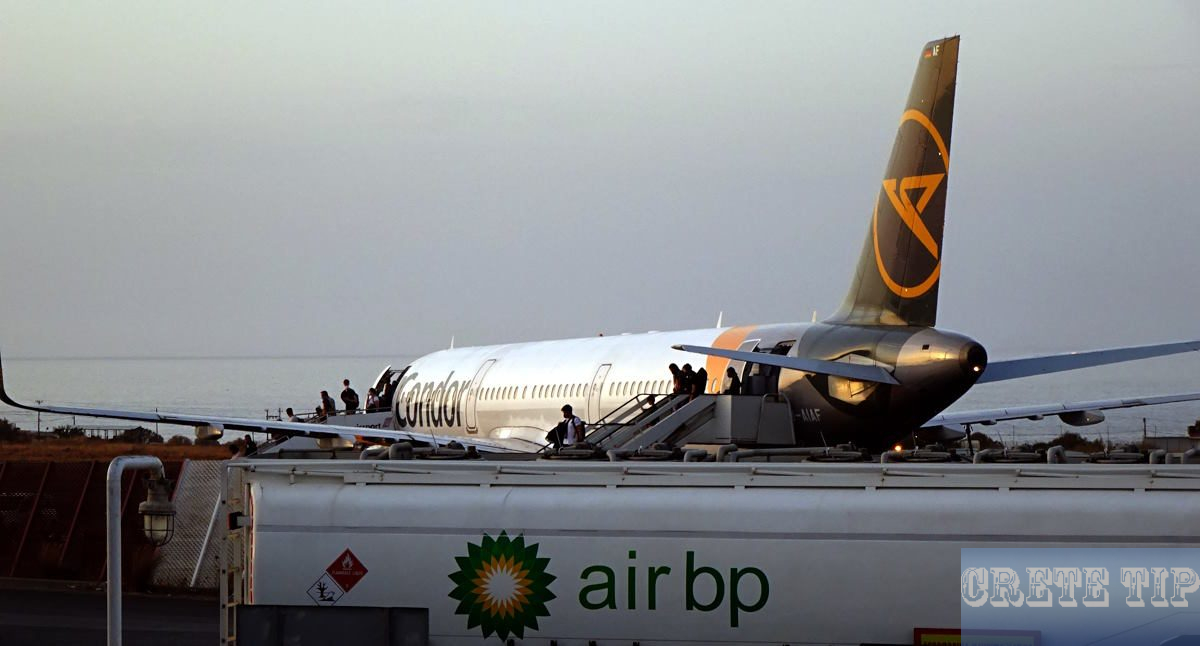
The Greek tourism industry has been sent into a state of high alert following a dramatic warning from Fatih Birol, head of the International Energy Agency (IEA). The warning concerns a looming shortage of aviation fuel across Europe, a development that could have “nightmarish” consequences for Crete and the rest of Greece just as the summer season kicks into high gear.
With estimates suggesting that current fuel stocks may only last for about six weeks, tourism professionals are bracing for a period of intense uncertainty.
“No Fuel, No Planes, No Tourists”
The anxiety among local business owners is palpable. Industry insiders speaking to capital.gr have described the situation in stark terms.
“If there are no fuels, we have no planes, and we have no tourists. This scenario is a nightmare,” noted one market representative. According to experts, the industry is looking at two primary possibilities:
* The “Good” Scenario: Flights continue, but airfares skyrocket due to limited supply and high costs.
* The “Bad” Scenario: Airlines are forced to cancel routes entirely due to a total lack of fuel.
The root of the crisis lies in the exhaustion of oil and natural gas supplies moving through the Strait of Hormuz, a critical global energy chokepoint currently affected by geopolitical tensions.

A 30% Drop in New Bookings
The impact is already being felt in the data. While there haven’t been mass cancellations yet, the “flow” of new bookings has hit a significant roadblock.
Reports indicate a 30% drop in new bookings compared to expected levels. “Instead of having 600 new bookings a day, we are seeing 400,” one hotelier shared. This “freezing” of the market is affecting all of Greece’s primary tourism “reservoirs,” including:
* Germany
* The United Kingdom
* France
* The United States
* Israel
The Rise of “Last-Minute” Travel
In response to the uncertainty, traveler behavior is shifting rapidly. During the first half of April, there has been a notable surge in late bookings. Travelers are now waiting until just a few days before their intended arrival to pull the trigger on a trip, rather than booking months in advance.
This shift makes it incredibly difficult for hotels and tour operators to plan their staffing and resources for the peak months of July and August.
How the Industry is Reacting
Despite the grim outlook, Cretan hoteliers are working hard to maintain the island’s competitiveness. Many are already:
1. Offering Special Deals: To combat the booking slowdown, many hotels are launching “early-season” discounts and special offers.
2. Absorbing Costs: Rising energy prices are driving up operating costs, but many businesses are attempting to absorb these increases rather than passing them on to the final price for the visitor.
3. Close Cooperation: Tourism bodies are in constant communication with airlines and tour operators to monitor flight schedules and ensure a steady flow of visitors for as long as possible.
The Critical Window
The next few weeks will be decisive. If the fuel shortages extend into late June—the traditional start of the “big” tourist wave for Crete—airlines may be forced to cut routes during the most profitable part of the year.
For now, the industry is holding its breath, hoping for a de-escalation of conflict in the Middle East and a stabilization of the energy supply chain.
Travel Blackout: Massive Flight Cuts as Skyrocketing Fuel Costs Ground the Aviation Industry
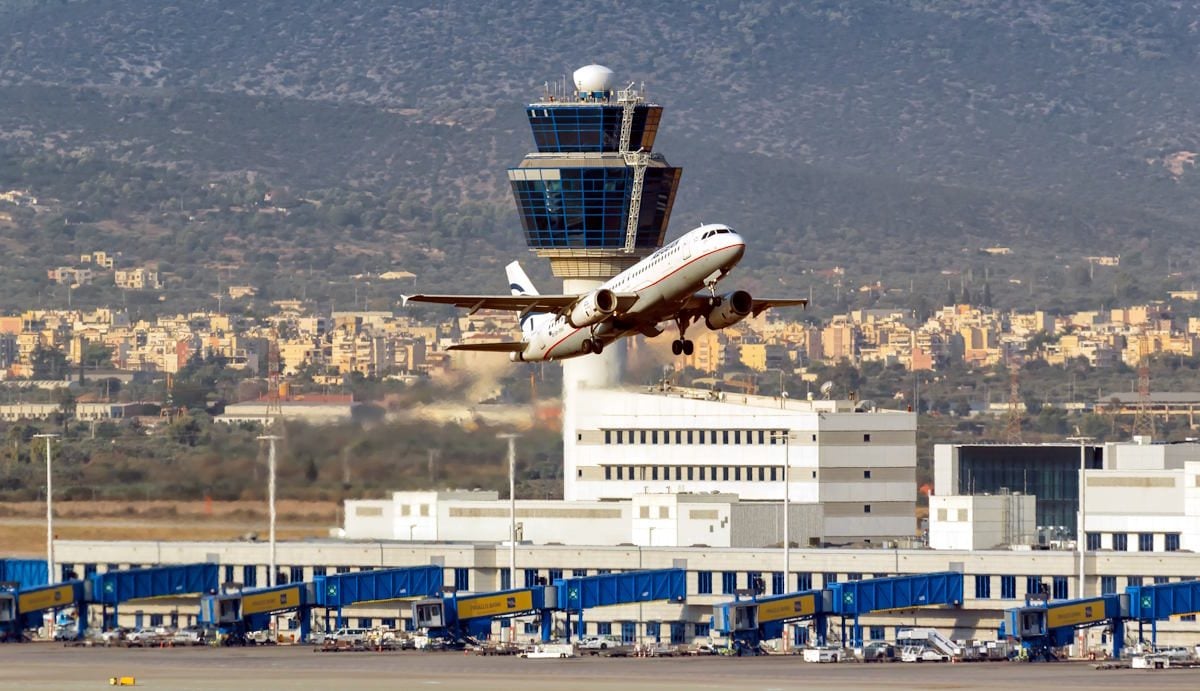
The global aviation industry is facing a “perfect storm” of geopolitical instability and surging energy prices, leading to what experts are calling a travel blackout. As fuel costs reach unsustainable levels, major airlines are being forced to slash their schedules, ground older aircraft, and cancel routes that were once considered staples of international travel.
If you have plans to fly this summer, here is what you need to know about the current crisis shaking the skies.
A Global Retreat: 3% Capacity Drop in May
According to data from the analytics firm Cirium, global flight capacity for May has already been slashed by approximately 3%. This isn’t just a localized issue; 19 of the world’s 20 largest airlines have reduced their flight volumes.
Richard Evans, a senior consultant at Cirium, warns that this is likely just the beginning: “It seems extremely likely that there will be more reductions in the future.”

Major Airlines Leading the Cuts
From Europe to North America and Asia, the industry’s biggest players are retreating:
* KLM: The Dutch carrier announced it will scrap 80 return flights at Amsterdam’s Schiphol Airport next month alone.
* Lufthansa: Europe’s largest airline has taken drastic measures, closing its CityLine unit, withdrawing 27 aircraft from service, and grounding older, fuel-hungry wide-body planes.
* Delta Air Lines: CEO Ed Bastian announced an additional $2.5 billion in fuel costs this quarter, stating that any “marginal” flights that don’t produce high returns will be reconsidered.
* Qantas: The Australian carrier is reducing US and domestic flights, expecting an $800 million (AUD) increase in its fuel bill.
* Air Canada & Norse Atlantic: Routes to major hubs like New York (JFK) and Los Angeles are being suspended or reduced.
The Fuel Crisis: A Six-Week Countdown?
The root of the problem lies in the energy supply chain. The naval blockade of the Strait of Hormuz has severely disrupted shipments of oil, and the damage to infrastructure in the Middle East could take months or even years to repair.
The International Energy Agency (IEA) has issued a sobering warning: Europe may have only six weeks of jet fuel reserves left. Major carriers like Ryanair, Virgin Atlantic, and EasyJet have only been able to provide availability forecasts through mid-May, leaving the rest of the summer in doubt.
Higher Prices and “Existential Threats”
While European airlines often use “hedging” (buying fuel in advance at fixed prices) to protect themselves, many U.S. carriers do not, leaving them exposed to the full weight of current energy prices.
The situation is even more dire in other regions. Nigerian airlines have warned they face “existential threats” and may be forced to stop all operations within days unless fuel prices are brought under control.
What This Means for Travelers
For the average passenger, this “travel blackout” means two things: fewer choices and higher prices.
1. Route Cancellations: Routes that were recently launched, such as Virgin Atlantic’s London-Riyadh service, are already being axed.
2. Surging Fares: With fewer seats available and fuel costs at record highs, ticket prices are expected to climb significantly for the peak summer season.
3. Uncertainty: The European Union is currently preparing a joint action plan to manage potential fuel supply issues, but until the situation in the Strait of Hormuz stabilizes, the industry remains in a state of high alert.
As the “miracle” of post-pandemic travel recovery hits a geopolitical wall, travelers are advised to monitor their flight statuses closely and prepare for a summer of significant disruption.
Sky-High Costs: Air France-KLM Doubles Long-Haul Surcharges as Fuel Crisis Hits
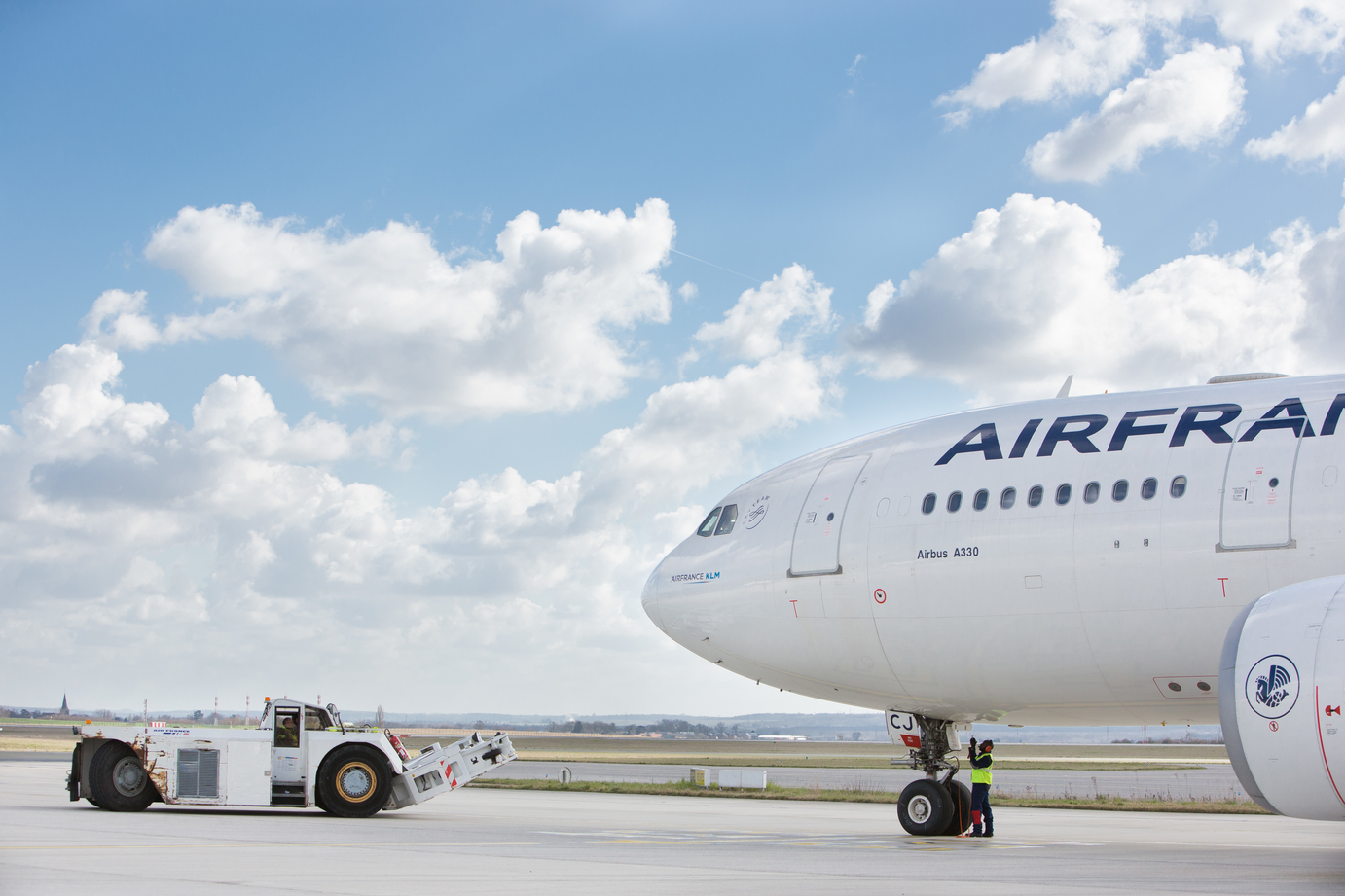
If you’re planning a trip abroad, you might want to check your budget again. The Air France-KLM Group has officially announced a significant hike in airfares, citing the “explosion” of jet fuel prices and the ongoing global energy crisis as the primary drivers.
This move marks one of the most direct impacts on travelers following the outbreak of conflict in the Middle East and the subsequent blockade of the Strait of Hormuz—a critical passage for 20% of the world’s oil and gas.
The Cost of Travel: Breaking Down the Increases
The European airline giant has adjusted its fuel surcharges (YQ/YR) across its entire global network. These changes apply to all new bookings for both Air France and KLM.
Here is how the new pricing structure looks for return trips:
* Long-Haul Routes (Economy): Surcharges have doubled to €100.
* North America (USA, Canada, Mexico): A significant increase, now set at €70.
* Short & Medium-Haul Routes: A standard increase of €10 per return trip.
What began as a temporary measure in March has now evolved into a substantial financial burden for passengers as the airline group moves to protect its operating margins.
Why are Prices Soaring?
The aviation industry is currently facing a “perfect storm” of economic pressures. Fuel typically accounts for up to 30% of an airline’s total operating costs, making the industry extremely sensitive to price spikes.
1. Geopolitical Conflict: The conflict that began on February 28, 2026, has sent jet fuel prices into an upward spiral.
2. Supply Chain Disruptions: The blockade of the Strait of Hormuz has created a global shortage of energy supplies.
3. The Dollar vs. Euro Factor: Global jet fuel is traded in U.S. Dollars. With the Euro currently weaker against the Dollar, European carriers like Air France-KLM are facing a “double hit” to their liquidity.
4. Limited Hedging: While the group has “hedged” (pre-purchased) some fuel at older, lower prices, they must buy the remainder at today’s record-high market rates.
Will Other Airlines Follow?
Industry analysts suggest that Air France-KLM is likely the first of many. There is growing speculation that the Lufthansa Group and IAG (the parent company of British Airways and Iberia) will soon implement similar price hikes to avoid heavy financial losses.
While demand for summer travel remains steady for now, there is a growing fear that these price increases could eventually drive away budget-conscious travelers, particularly on routes where low-cost carriers offer stiff competition.
What Should Travelers Do?
For those looking to fly this year, the message is clear: book sooner rather than later. As airlines adjust to the “new normal” of energy costs, the era of ultra-cheap long-haul flights may be temporarily on hold.
The Greece Exception: Why Airfares from Germany are Bucking the Global Downward Trend
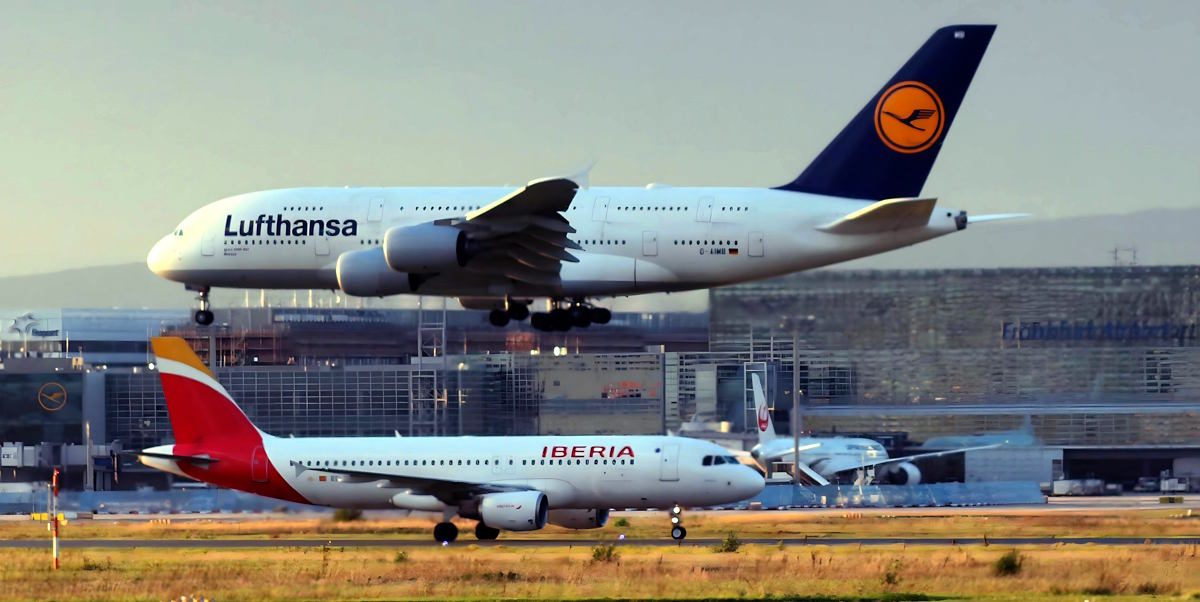
While international airfares from Germany have generally seen a downward trend since the start of 2026, travelers heading to Greece are facing a different reality. According to the latest data from travel search engine Kayak, Greece is one of the few destinations where ticket prices are actually “stinging” the pockets of holidaymakers.
Here is a look at how flight prices are evolving and what it means for your next trip to the Mediterranean.
A General Drop in Prices
Across the board, the average price for international flights departing from Germany has decreased significantly since the beginning of the year.
* January 2026: The average booking price stood at €442.
* April 2026: That average has plummeted to €288.
Despite the broader economic climate, most international routes are becoming more affordable—but Greece is a notable exception to this rule.
The “Greece Hike”: Athens and Thessaloniki
For those looking to fly from Germany to Greece, the trend is moving in the opposite direction. Prices have seen a sharp increase since the start of the year, even surpassing last year’s levels.
* Athens: In early January, a flight to the Greek capital averaged €194. By the first week of April, that price “skyrocketed” to €278. For comparison, during the same week in 2025, the price was €257.
* Thessaloniki: Prices followed a similar trajectory, rising from €155 in January to €221 in April. This is also slightly higher than the April 2025 average of €218.
How Does the Competition Compare?
Greece isn’t the only destination seeing fluctuations. Kayak’s Price Evolution Table reveals a mixed bag for other popular European hotspots:
* Turkey (The Budget Winner): Prices to Turkey are falling. A flight to Antalya dropped to €212 (from €230 last year), while Istanbul became even more affordable at €172 (down from €203).
* Spain (Mixed Results): Prices to Palma de Mallorca remained stable at €213, while Barcelona saw a slight dip to €196. However, Gran Canaria and Madrid saw increases, reaching €317 and €279 respectively.
* Portugal (The Expensive Choice): Portugal is seeing some of the highest hikes. Flights to Funchal hit a staggering €400 this April, compared to €323 last year. Lisbon and Faro also saw notable increases.
Why the Difference?
According to Yvonne Bonanati of KAYAK, flight prices are influenced by a complex web of factors and don’t move in unison across all destinations.
“We want to help travelers make informed decisions,” Bonanati explains. “For example, while flights to New York were 11% more expensive in late March than last year, flights to Vienna were 20% cheaper.”
What Should Travelers Do?
The data, based on searches on Kayak.de for economy round-trip tickets, suggests that the “early bird” window for Greece may have already passed for the spring season. However, by using price tracking tools and remaining flexible with destinations—perhaps considering a trip to Turkey or a stable Spanish hub—German travelers can still find value in a shifting market.
If Greece is your must-see destination for 2026, be prepared to budget a bit more for the flight than you did last year.