

Newsflash from Tuesday, 14 April 2026:
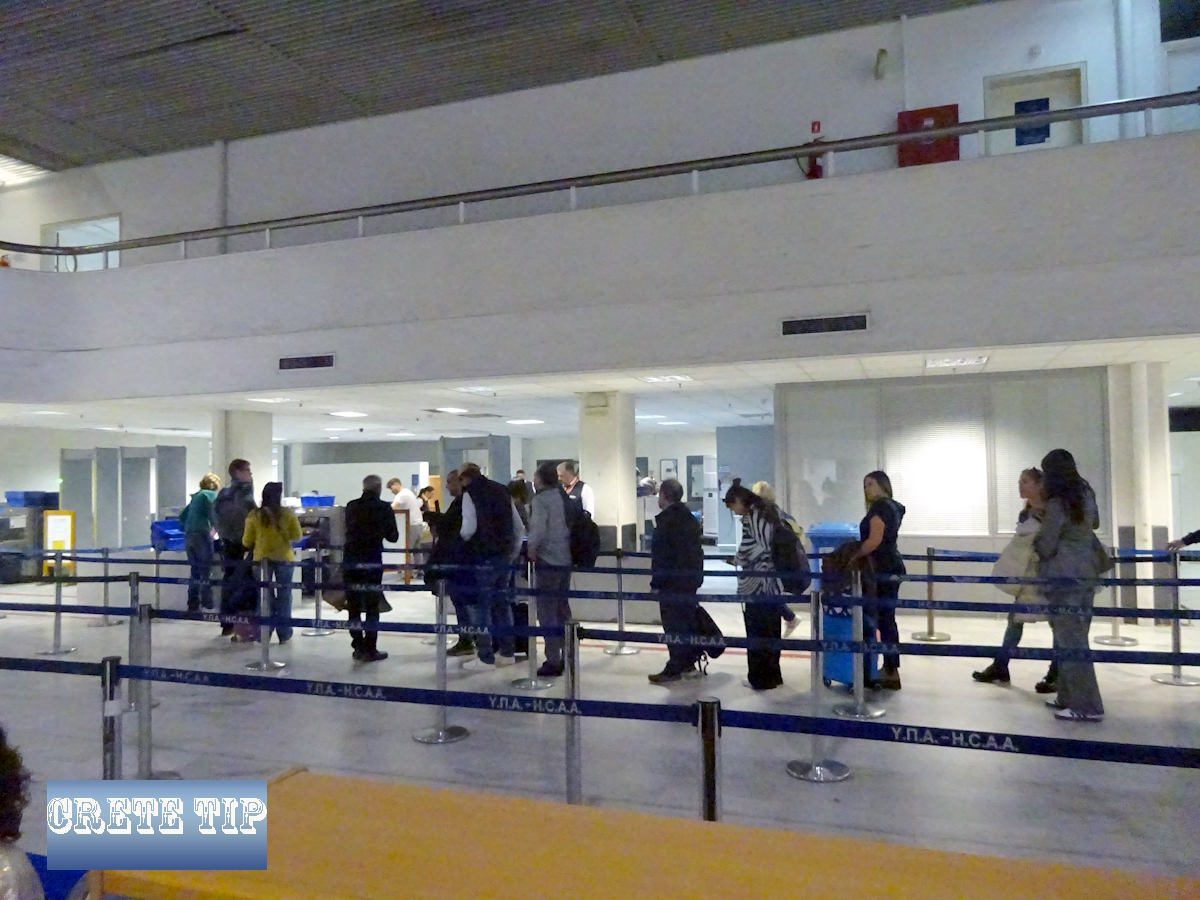
The full implementation of the European Union’s Entry/Exit System (EES) has triggered a wave of disruption across major European airports, leaving thousands of travelers stranded and forcing airlines to depart with half-empty planes.
Since the system became fully operational on April 10, the transition has been anything but smooth. Reports from across the Schengen zone describe “chaotic scenes,” with passport control queues stretching up to three hours.
Missed Flights and Empty Gates
The operational impact has been immediate and severe. In one staggering instance, a flight bound for the United Kingdom was forced to depart with 51 passengers missing because they were trapped in border control. In another case, not a single passenger had reached the boarding gate by the time it was scheduled to close; 90 minutes later, a dozen travelers were still stuck in line.
Milan’s Linate Airport saw some of the worst disruptions over the weekend. Nearly 100 easyJet passengers traveling to Manchester missed their flight after being caught in queues that exceeded three hours.
@easyJet our flight from Milan Linate took off without us due to Border Control being FAR too busy and the automated system not working. We are now stuck in Milan, missing work, spending money that we don’t have and have to transfer from Gatwick to Manchester! pic.twitter.com/XfPshK5GZK
— Miss Benn (@Emily_Benn20) April 12, 2026
The “70-Second” Miscalculation
While the European Commission initially estimated that registering a traveler would take an average of 70 seconds, the reality on the ground is proving to be far more complex. The mandatory registration of third-country nationals, which includes the collection of biometric data, has created bottlenecks that existing airport infrastructures are struggling to handle.
Even when authorities attempt to mitigate delays by partially suspending biometric data collection, wait times remain at unacceptable levels during peak hours.
Industry Leaders Demand “Immediate Flexibility”
The fallout has prompted a sharp response from aviation industry giants. ACI Europe (Airports Council International) and Airlines for Europe (A4E) have issued a joint plea to the European Commission for urgent intervention.
Olivier Jankovec, Director General of ACI Europe, and Ourania Georgoutsakou, head of A4E, are calling for:
* Greater operational flexibility during the transition period.
* The authority to fully suspend EES procedures when wait times exceed tolerable limits.
* Measures to protect the “image of Europe” as an accessible destination for tourism and business.
A Warning for the Summer Season
With the summer travel peak approaching and the aviation sector already under pressure from geopolitical tensions in the Middle East, there are growing fears that these “teething problems” could turn into a season-long crisis.
A spokesperson for easyJet has urged border authorities to utilize all available “flexibility provisions” to prevent “unacceptable delays” for passengers. Meanwhile, the UK government has officially warned travelers to expect significantly longer wait times at European borders for the foreseeable future.
Travel Tip: If you are traveling to or from the Schengen area in the coming weeks, authorities recommend arriving at the airport significantly earlier than usual and preparing for extended wait times at passport control.
Source: Hania News



