

Newsflash from Wednesday, 14 January 2026:
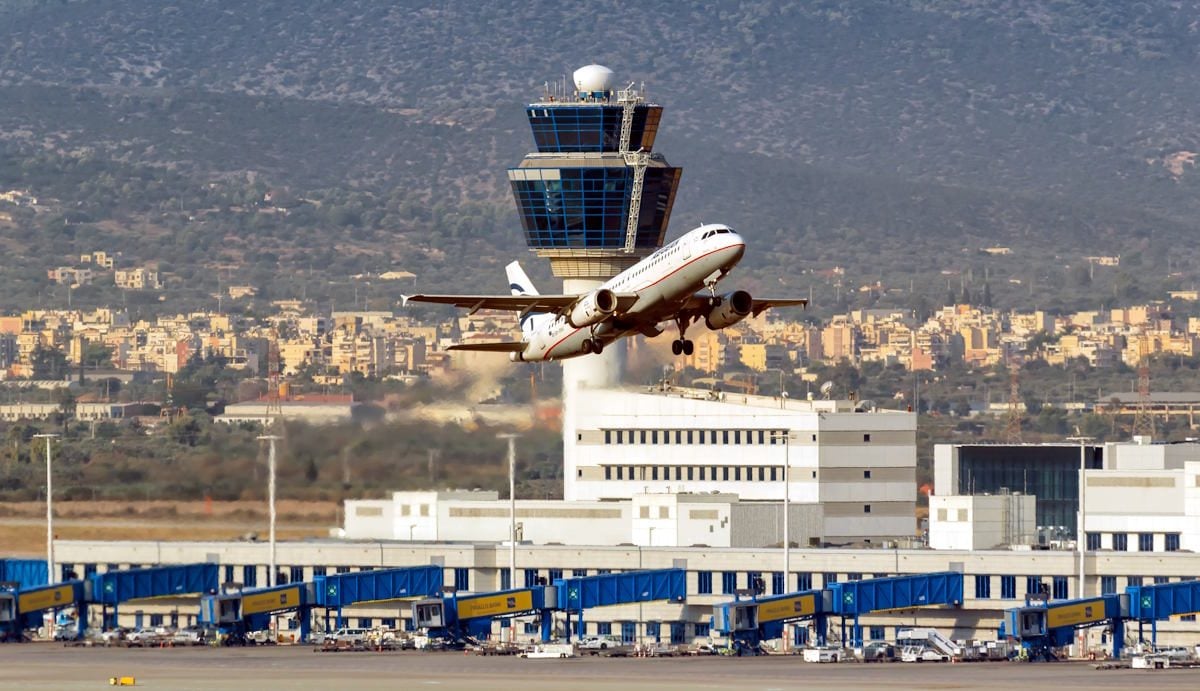
Ten days after a sudden failure in air traffic communications brought chaos to Greek airspace, authorities have officially solved the mystery. A government probe has confirmed that the disruption was not the result of a cyberattack or external interference, but rather a critical breakdown caused by aging and unsupported technology within Greece’s aviation infrastructure.
What Happened on January 4
On January 4, a major radio frequency failure affected the Civil Aviation Authority’s (CAA) voice and telecommunications systems, disrupting coordination between regional air traffic control centers. Although aircraft already in the air were able to continue safely, departures and arrivals were halted for several hours as a precautionary measure.
The incident led to widespread travel disruption. Major airlines, including Aegean, Ryanair, EasyJet, and British Airways, were forced to cancel or divert numerous flights, impacting routes to and from Athens and other Greek destinations. Several flights were diverted to airports in Italy, Croatia, Hungary, Albania, and Cyprus.
The Findings of the Official Probe
According to the report released by the Infrastructure and Transport Ministry, an expert committee found “no indications of a cyberattack or malicious interference.” Instead, the investigation concluded that the failure stemmed from outdated technology no longer supported by its original manufacturer.
The system malfunction was traced to “digital noise,” which caused a loss of synchronization between air traffic control centers in Athens and Macedonia. This, in turn, triggered failures in a critical number of navigation beacons, forcing a temporary shutdown of essential telecommunications connections.
Leadership Fallout and Risk Assessment
Following the publication of the findings, CAA chief Giorgos Saounatsos resigned, taking responsibility for the incident. Despite the scale of the disruption, authorities classified the event as “low-risk,” emphasizing that aviation safety was never directly compromised.
Communications were fully restored after the system was successfully rebooted at approximately 5 p.m. on the day of the incident.
What Comes Next
To prevent a similar breakdown in the future, the ministry has recommended an immediate transition to modern Voice over IP (VoIP) technology. Proposed measures include the purchase of nearly 500 new transceivers and the creation of a unified emergency response mechanism between aviation authorities and telecommunications providers.
The incident has reignited debate about the state of critical infrastructure in Greece, highlighting the risks of relying on obsolete systems in sectors where reliability is paramount.
A Wake-Up Call for Aviation Infrastructure
While the mystery behind the air traffic communications collapse has now been resolved, the episode serves as a stark reminder: modern aviation depends not only on skilled professionals, but also on resilient, up-to-date technology. As Greece moves forward with reforms, the hope is that this disruption will mark a turning point rather than a warning ignored.
What are your thoughts on the findings of the investigation? Share your views in the comments below.



