

Newsflash from Thursday, 1 October 2026:
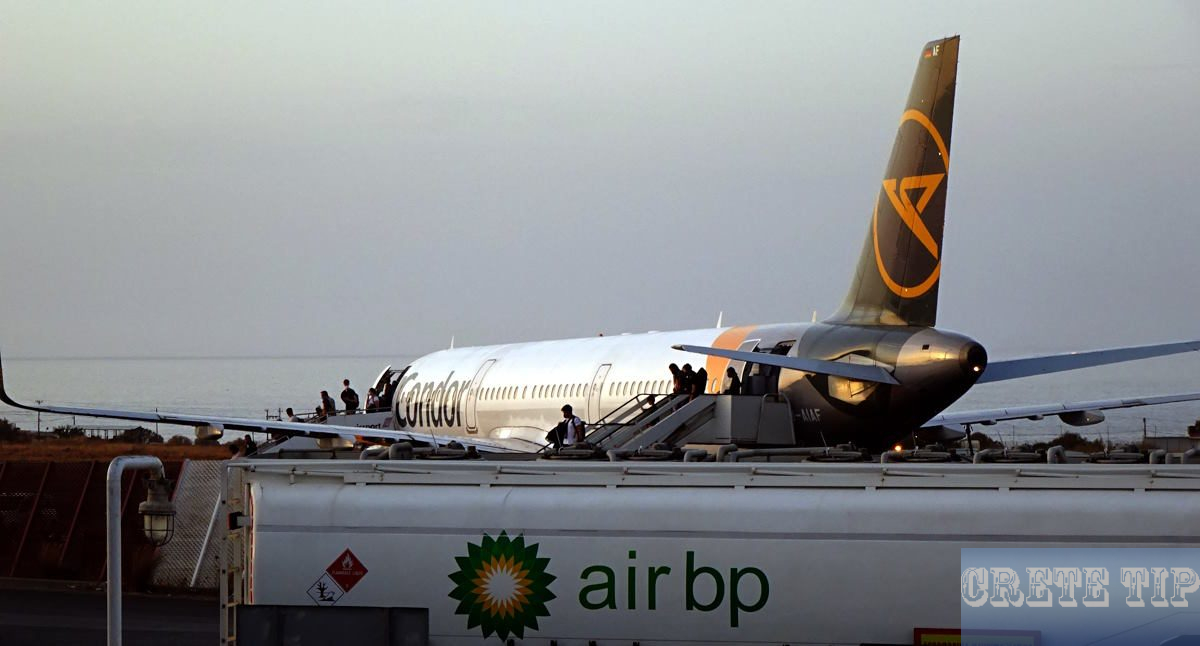
If you’ve noticed your flight costs climbing steadily, you’re not imagining things. Leading analysts and executives at major U.S. airlines are warning that elevated airfares are becoming a permanent fixture of air travel, not a temporary blip.
According to a report based on the Associated Press, even if global oil and jet fuel prices drop, ticket prices may not follow suit. The reason lies in deep structural shifts reshaping the airline industry.
Why Fuel Price Drops Aren’t Bringing Relief
Brett House, an economist at Columbia Business School, explains that extreme volatility in jet fuel prices is making airlines extremely cautious about lowering ticket prices, even when fuel costs ease.
Jet fuel remains one of the biggest operating expenses for airlines, and its price has actually been rising faster than crude oil due to limited refinery capacity. To cope, airlines have cut less profitable routes while raising both ticket prices and baggage fees.
Despite higher passenger numbers boosting airline revenue, U.S. carriers say this increase has only covered part of their soaring costs.
The Numbers Tell the Story
Data makes the disconnect clear. According to the Argus US Jet Fuel index, jet fuel prices fell sharply from a peak of $4.88 per gallon in early April to a low of $2.70 in June — yet average airfares stayed stubbornly high.
Official figures from the U.S. Bureau of Transportation Statistics show average fares (excluding baggage or seat selection fees) rising steadily:
- $405 in the last quarter of 2025
- $428 in the first quarter of 2026
- $436 between April and June 2026
House attributes this mismatch to airlines’ long-term planning cycles. Carriers set prices and lock in seating many months in advance, based on forecasts at the time — and can’t retroactively adjust prices for tickets already sold. As a result, they tend to keep prices elevated as a buffer against sudden market swings.
“The problem isn’t just the level of fuel costs, but the volatility of prices,” House emphasised.
No Relief in Sight for the Holidays
According to the U.S. Department of Labor, airfares jumped an impressive 23% year-over-year in August. Travellers planning trips for the upcoming holiday season should brace for historically high fares.
A report from travel booking company Hopper reveals that holiday season prices are the highest seen in the past decade. A round-trip domestic U.S. ticket now averages:
- $402 for Thanksgiving travel — up 31% from last year
- $452 for Christmas travel — up 23% year-over-year
A Global Problem, Not Just an American One
This pressure extends well beyond the United States. According to data from the International Air Transport Association (IATA) and S&P Global Energy Platts, the average global jet fuel price stood at $99 per barrel on 27 February — the day before the war began.
Prices more than doubled, hitting a historic high of $209 by early April. After a brief three-month dip, prices climbed again, reaching $195 per barrel by mid-September.
While fuel prices can shift overnight, airfares adjust at a far slower pace. New pressures are tied to disruptions also affecting the diesel market: conflicts in the Middle East have reduced refinery output and exports, while strikes on Ukrainian infrastructure have caused serious damage to Russian facilities.
Since diesel and jet fuel are closely linked products competing for the same production lines, a shortage in one drives up price and scarcity in the other. IATA projects that fuel costs will remain elevated for the remainder of the year (source: IATA Global Outlook for Air Transport, June 2026), with passenger ticket revenues expected to reach $839 billion in 2026 — a 9.2% year-on-year increase — as airlines raise fares to offset higher fuel costs.
What does this mean for visitors?
For holidaymakers and foreign residents in Crete planning flights to or from the island, this global trend has direct practical implications:
- Book early: Since airlines lock in prices months in advance based on their own forecasts, booking well ahead of peak travel dates may help you avoid the steepest fare hikes.
- Expect holiday surcharges: If you’re travelling during Christmas, New Year, or other peak periods, budget for historically high prices — this isn’t unique to the U.S. market.
- Don’t wait for fuel prices to fall: Lower fuel costs don’t guarantee lower ticket prices, so holding off on a purchase hoping for a price drop may not pay off.
- Factor in baggage and seat fees: Airlines are increasingly relying on these extra charges, so compare total trip costs rather than just the base fare.
- Consider flexible travel dates: With route cuts and capacity adjustments ongoing, flying slightly outside peak dates may offer more availability and better pricing.
With no clear relief in sight, travellers heading to or from Crete should plan ahead and build some flexibility into their travel budgets for the months to come.
(source: Money-Tourism.gr)



