

Illegal immigration in Crete—it’s a topic that keeps popping up in local discussions. The island’s unique location makes it a magnet for people seeking new lives, whether for opportunity or escape.
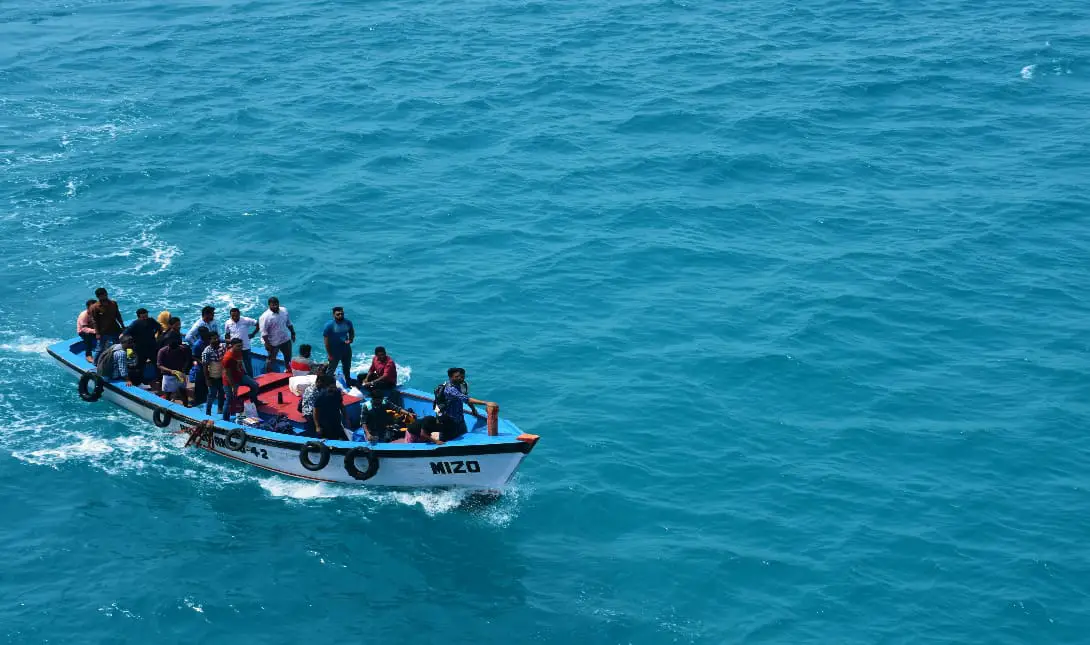
You can’t really ignore the strain this puts on local services and communities. People here notice changes in their neighborhoods, sometimes overnight.
Some folks worry about safety, while others focus on the human stories behind each arrival. It’s a complicated mix of emotions and practical concerns.
Authorities try to keep up, but the flow is unpredictable. One week, there’s a sudden spike; the next, things seem quiet.
Locals debate policy and compassion almost daily. Is there a real solution, or are we just patching holes in a leaky boat?
Either way, the conversation isn’t fading anytime soon. Crete finds itself at the heart of a challenge that feels both global and deeply personal.
Summary of Current Migration Approach
The government wants to ramp up voluntary departures of illegal migrants. They’re tightening rules against unlawful stay and introducing legal penalties to discourage illegal entry and residence.
Migration and Asylum Minister Thanos Plevris hasn’t minced words—Greece isn’t welcoming illegal migrants. A new draft law proposes prison sentences for unlawful entry, puts asylum rights on hold for a while, and steps up efforts to send people back.
The government recently suspended asylum rights for three months, and that expires in September. Still, they can extend this suspension during a crisis, just as Poland did. They’re aiming for a permanent legal setup to block illegal entry.
Legal Penalties Without Exceptions
The new legal framework hands out prison terms from two to five years for illegal entry. These sentences can’t be suspended or swapped for fines. If authorities catch someone entering illegally, they’re headed to jail—unless they’re returned to their home country.
This strict approach is supposed to deter people who come mainly for economic reasons. Minister Plevris noted that most arrivals from Libya are young men between 18 and 30, and he wonders if they’re really the only ones at risk around the globe.
He described two main views on migration. One says everyone should move freely, but the other—Greece’s current policy—argues that Europe has limits and Greece can’t be treated like a hotel.
Enhancing Migrant Returns
The minister admitted that sending migrants back to their countries isn’t easy. Tracking down illegal migrants is one thing, but actually deporting them is a whole different challenge.
They’re working on it, though. Cooperation agreements with countries like Egypt, Bangladesh, and Pakistan are supposed to make forced returns more doable.
Situation in Crete
So, Crete’s been in the news lately after seeing more migrants arriving from Libya. The minister says there aren’t any illegal migrants on the island right now.
Officials have tried to keep things under control at regional hotspots. They’re working on managing places like the old Zografakis military camp, and there are plans for new closed centres too.
The idea is to balance security with a smoother process for arrivals. Local figures like Stavros Arnaoutakis and Giannis Kefalogiannis are involved, and of course, Prime Minister Kyriakos Mitsotakis has a hand in it all.
They’re aiming for a more coordinated response, working inside the Ministry of Migration and Asylum’s framework. Whether it’s working perfectly is up for debate, but that’s the goal.
Key Points:
Aspect | Description |
|---|---|
Legal Penalties | 2-5 years prison without suspension or payment options |
Voluntary Departures | Increased efforts to encourage self-return |
Temporary 3-month ban with possible extensions | |
Cooperation Partners | Egypt, Bangladesh, Pakistan for forced returns |
Regional Focus | Crete currently free of illegal migrants |
Facilities | Former Zografakis camp and plans for closed structures |



