

Newsflash from Sunday, 11 October 2026:
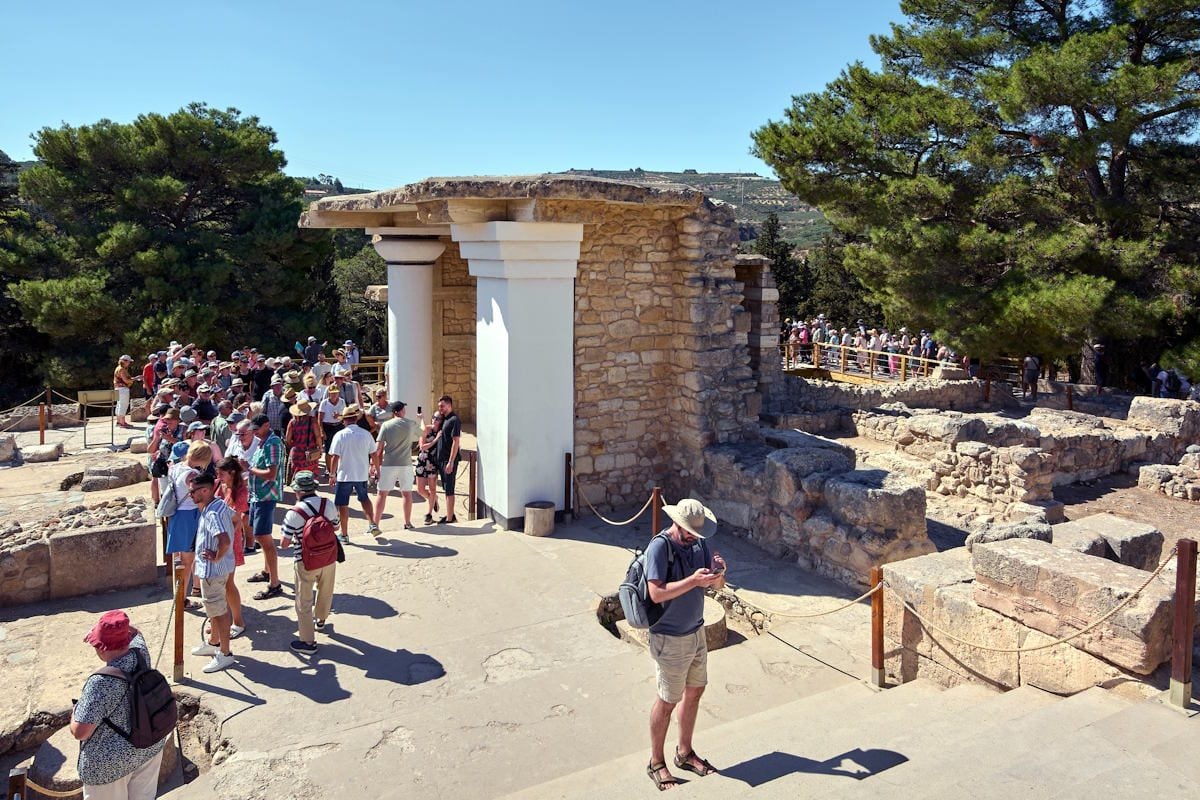
As summer temperatures continue to climb, Greece’s tourism industry is being forced to rethink what hospitality actually means. Shade, access to drinking water, and cool resting spaces are becoming essential parts of the visitor experience — not just added comforts.
This year’s summer tourist season drew to a close with relatively few days of extreme heat. However, experts warn that this cannot be taken for granted in the years ahead, and that Greece’s tourism product needs to adapt to a hotter climate.
Expert Insight: Heat Protection Is Now Part of Hospitality
Dr. Andreas Flouris, Professor of Physiology and Director of the FAME Lab (Environmental Physiology Laboratory) at the University of Thessaly, and a scientific advisor to the World Health Organization, spoke to the Athens-Macedonian News Agency (ΑΠΕ-ΜΠΕ) about the issue.
According to Dr. Flouris, the quality of a holiday is no longer judged solely by accommodation or food. It is also shaped by less obvious moments — the queue at an archaeological site, the walk to the beach, or the wait for a ferry.
“As the climate warms, a visitor’s ability to enjoy a destination safely and comfortably becomes increasingly important for Greek tourism. Protection from heat is therefore becoming part of hospitality itself,” he explained.
He stressed that care for travellers should begin even before they arrive at their destination, and continue throughout their stay, so they can enjoy their time without unnecessary physical strain.
What 6,500 Tourist Reviews Revealed
A recent study analysed around 6,500 online reviews of eleven open-air cultural heritage sites across southern Europe, including Knossos (the famous Minoan palace site near Heraklion, Crete) and the Acropolis in Athens.
According to Dr. Flouris, the findings showed that on hotter days, visitors were far more likely to mention heat and discomfort in their reviews — along with references to the need for shade and drinking water.
“A person can admire a monument and at the same time struggle just to get there. This means we need to listen carefully to how visitors describe their experience,” he said.
He also clarified an important point: a good overall rating for an attraction does not necessarily mean that proper conditions are in place to protect visitors’ health.
Why Heat Affects People Differently
The impact of high temperatures varies significantly from person to person. Humidity, sun exposure, wind, clothing, and the intensity of physical activity all influence how well the body manages heat.
Visitors arriving from cooler climates need particular care, since their bodies require time to acclimatise to Mediterranean heat.
Age, chronic illnesses, and certain medications can also increase the risk of heat-related health problems.
Dr. Flouris notes that World Health Organization guidelines recommend limiting the intensity and duration of physical activity during the first week of a visit, before the body has had time to adjust.
Shade as a Protective “Tool”
Research from the University of Thessaly team reinforces just how important shade really is. Dr. Flouris explains that sun exposure has been linked to greater physical strain and reduced mental performance.
For this reason, protection from heat isn’t just about hotels or other indoor spaces — it needs to cover the visitor’s entire journey, from waiting and transport to guided tours at archaeological sites.
In practice, this could include:
- Better guidance on the most suitable times of day for activities
- Easy access to drinking water and cool resting areas
- Shaded spots for waiting and relaxing
- Flexibility to adjust schedules when weather conditions worsen
Clear, practical information — available in the traveller’s own language — is also seen as essential.
Ultimately, effectively managing extreme heat requires cooperation between tourism businesses and local authorities, along with training staff to recognise symptoms of heat strain and know how to respond.
As Dr. Flouris puts it: “Greece can make this kind of care part of its hospitality identity — offering visitors the chance to enjoy the landscape, history, and daily life of a place, knowing that someone has also thought about the challenges created by the heat.”
What does this mean for visitors?
- Plan outdoor activities around cooler hours, especially visits to archaeological sites like Knossos, where shade can be limited.
- Carry water with you at all times, and take advantage of refill points or cool indoor spaces when available.
- Give your body time to adjust if you’ve just arrived from a cooler climate — avoid intense activity during your first few days in Crete.
- Dress appropriately with light, breathable clothing, a hat, and sunscreen to reduce heat strain during sightseeing.
- Be flexible with your itinerary. If a heatwave hits during your stay, consider rescheduling demanding outdoor excursions to early morning or evening.
- If travelling with older family members or those with health conditions, take extra precautions and watch for signs of heat-related illness, such as dizziness or confusion.
Source: Cretalive.gr



